What is the rarest color of Devon Rex?
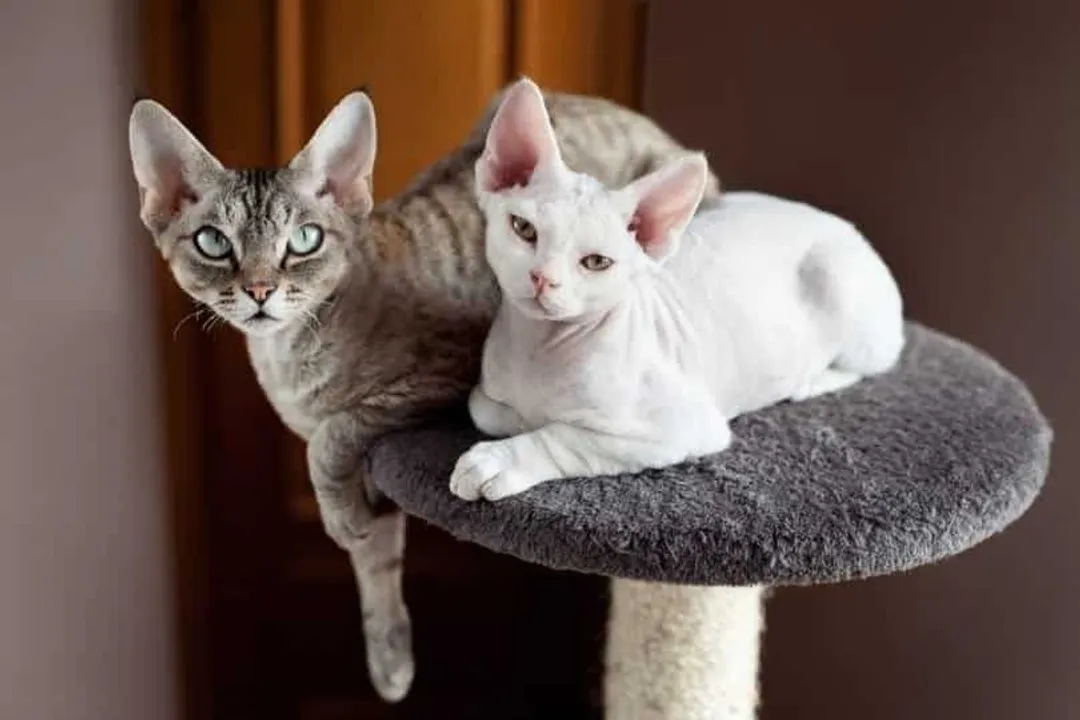
The Devon Rex is instantly recognizable by its whimsical, pixie-like face, dramatic ears, and wonderfully soft, wavy coat. [1] These genetic quirks make them endearing companions, but their unique appearance extends even to their pigmentation, leading many potential owners to wonder about the spectrum of colors available and, specifically, which hue is the hardest to find. Determining the absolute rarest color in any recognized breed is complex, as rarity is often a fluid concept dictated by show standards, breeding trends, and the visibility within the current gene pool rather than an inherent biological impossibility. [1]
# Color Acceptance
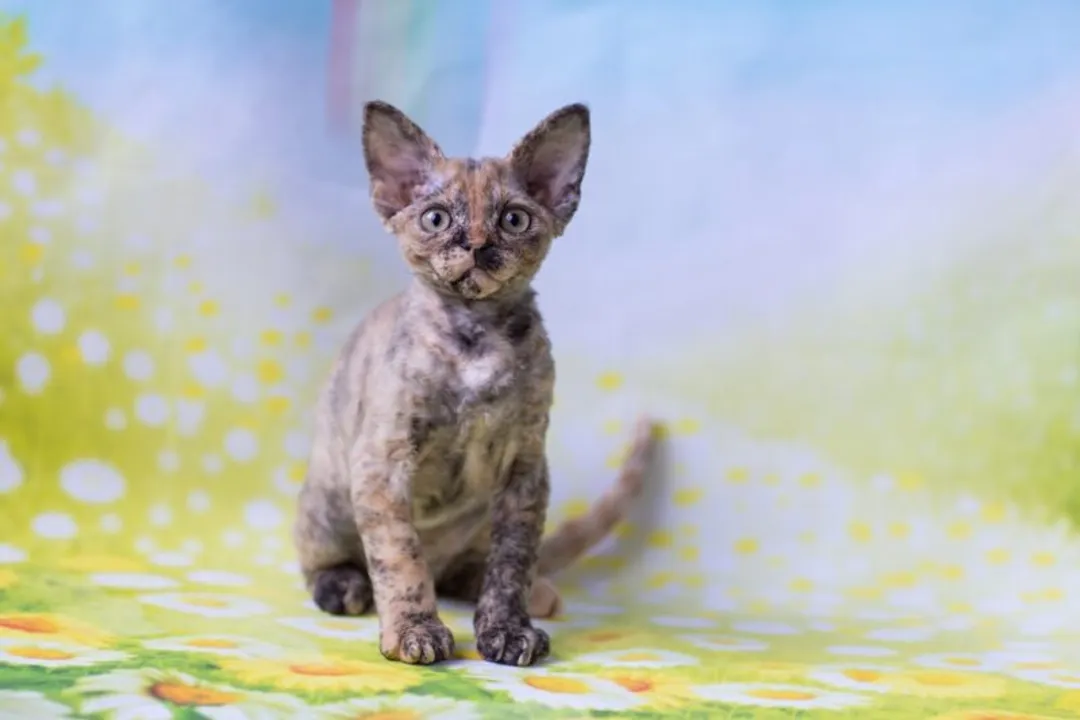
To understand rarity, one must first know what is standard. Major cat registries, such as the Cat Fanciers' Association (CFA), accept a broad array of colors and patterns for the Devon Rex breed. [9] This roster typically includes solids such as black, blue, cream, and red, as well as various tabby patterns, tortoiseshells, and color points. [1][9] The breed's genetic profile allows for an impressive variety, meaning that many colors a person might envision—from deep black to pale lilac—are technically achievable and recognized by breed associations. [1]
The CFA accepts Devon Rexes in thirty-two different color and pattern classifications. [9] This wide acceptance suggests that true rarity doesn't come from a color being disallowed altogether, but rather from the relative frequency with which breeders choose to produce those specific genes in their litters. For instance, while white is a recognized color, kittens displaying a pure, solid white might appear less often than a common tabby pattern simply due to population statistics and established breeding preferences. [1]
# Unusual Shades
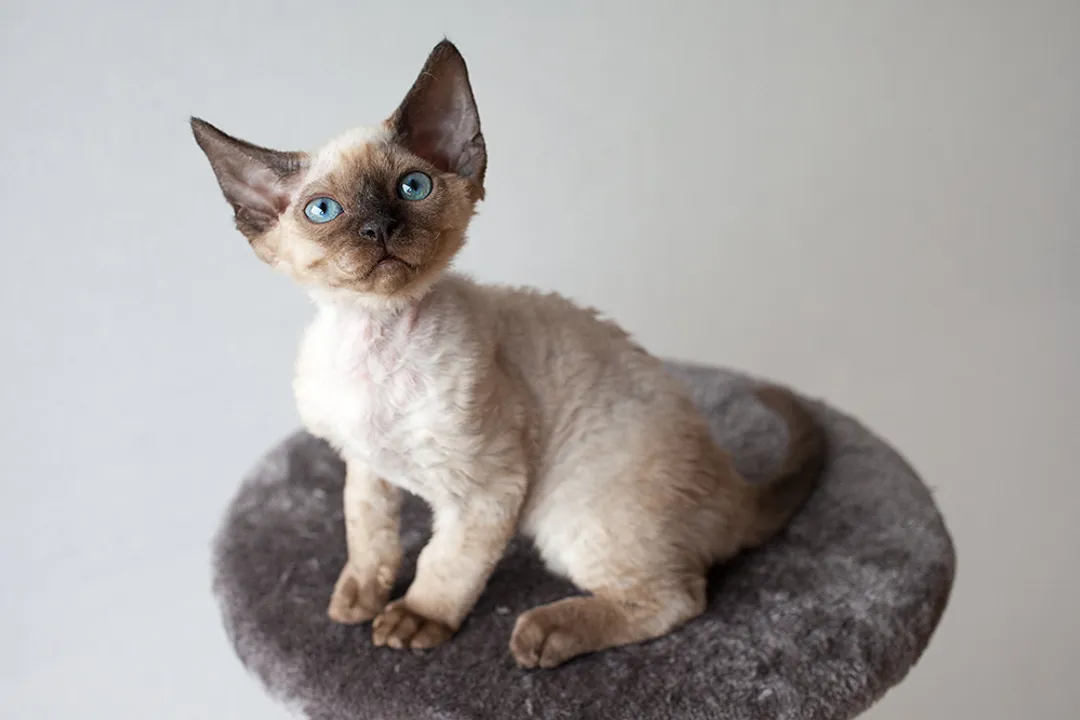
Within the accepted palette, certain dilutions or complex patterns draw more attention for their scarcity. Dilute colors, which are softer, paler versions of the primary colors (like lilac instead of chocolate, or cream instead of red), often require breeders to manage specific recessive genes that may not be as common in the actively shown lines. [1] Similarly, pointed coloration—where the extremities like the ears, face, and tail are darker—while accepted, might not be as widely represented as the standard solid or mackerel tabby coats. [1]
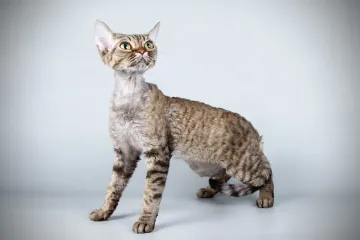
One specific, striking combination that has been highlighted within the Devon Rex community is the Chocolate Tabby. This particular mix of deep brown base color overlaid with tabby markings is noted by enthusiasts as an especially rare or "one-of-a-kind" example when encountered. [4] While the genetics for both chocolate and tabby exist within the breed, pairing them successfully and presenting them in a way that satisfies conformation standards while showcasing this specific hue can result in a truly uncommon find. [4][1]

# Breeding Focus
The perceived rarity of a color in the everyday world often has less to do with genetic roadblocks and more to do with breeder priorities. Many dedicated breeders focus intensely on perfecting the conformation of the Devon Rex—the unique skull shape, the curve of the back, and the desirable low coat density. [1] Because achieving breed standard structure is often the primary goal, colors that are genetically present but perhaps less popular in the show ring might be produced less frequently simply because the breeders are concentrating their efforts on refining the physical type. [9] It is an informal but real factor in population diversity. If the majority of reputable breeders are currently working toward achieving the perfect "blue point" standard, then the "cream tabby" might become temporarily scarcer, even though the genes are readily available across the breeding population. [1]
For example, think about the time it takes to produce a champion-quality cat. A breeder might plan several years ahead, focusing on lines known for excellent ear set. If those specific, proven lines happen to carry only the genes for solid colors, then the resulting kittens, however structurally sound, will not produce the rarer dilutions or patterns until they breed those cats with cats carrying those specific color genes. This process of line development naturally filters the available colors at any given moment.
# Seeking Specific Colors
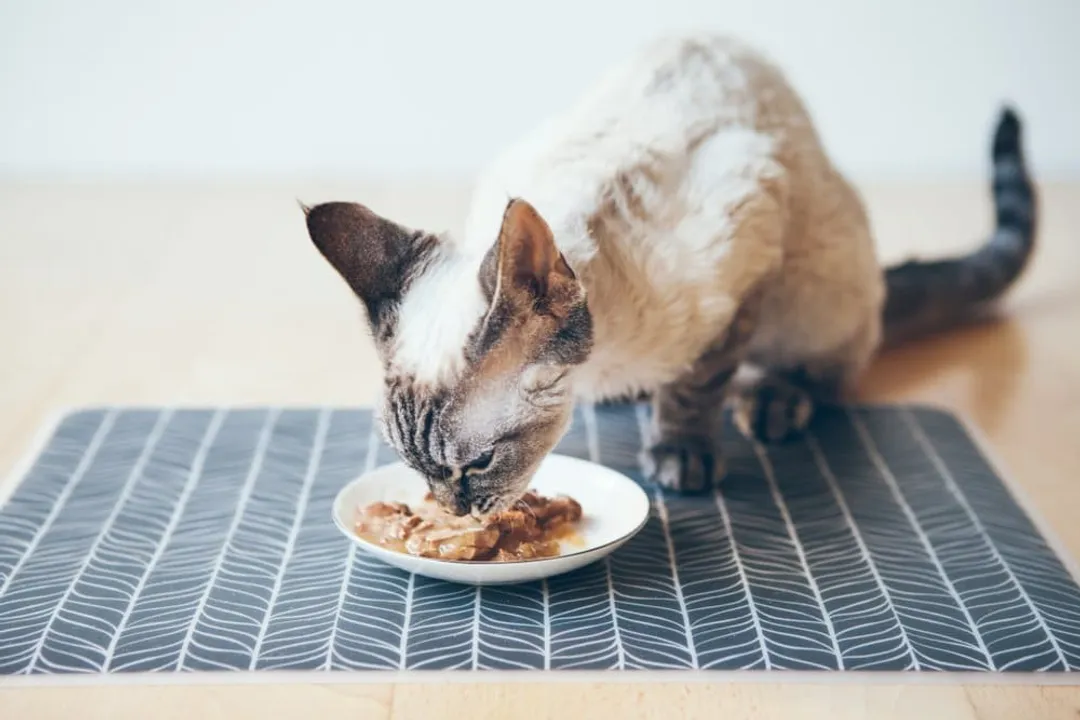
Prospective owners interested in a less common Devon Rex color should be prepared for a potentially longer wait than those seeking the most prevalent coat patterns. If you have your heart set on a specific, less common shade, such as the aforementioned Chocolate Tabby or a specific dilute point, relying solely on classified ads or immediate availability lists may prove frustrating. [1]
A good approach involves understanding the current trends within the enthusiast circles. When contacting breeders, it is helpful to inquire not just about available kittens, but about future breeding plans. You might ask what colors are anticipated in litters planned for six to twelve months out. This forward-thinking inquiry can reveal that a breeder is actively pairing two cats known to carry the recessive color genes you are looking for, even if they don't have any kittens of that color available now. [9] This method moves you from being a casual browser to a serious prospective owner in the breeder’s eyes, increasing the likelihood they will contact you when that specific, rarer color combination comes to fruition.
# Dilution Effects
The way certain colors manifest in the Devon Rex is heavily influenced by the dilution genes present. Dilutes are essentially colors that have been softened or lightened by a recessive gene acting on the primary color pigment. [1] For instance, the dilution of black results in blue, and the dilution of red results in cream. [1] While blue Devon Rexes are certainly seen, the presence of the dilution factor means they require a specific genetic pairing to appear. When comparing a solid black to a solid blue, the blue is inherently less common in the general population simply because the dilution gene must be present in both parents for a kitten to express it (unless the color is sex-linked, which is not the case here). This genetic requirement makes any dilute color slightly less frequent than its non-dilute counterpart, positioning all dilutes as candidates for the 'rarer' end of the spectrum when compared to the most common colors like black or brown tabby. [1]
# Tabby Complexity
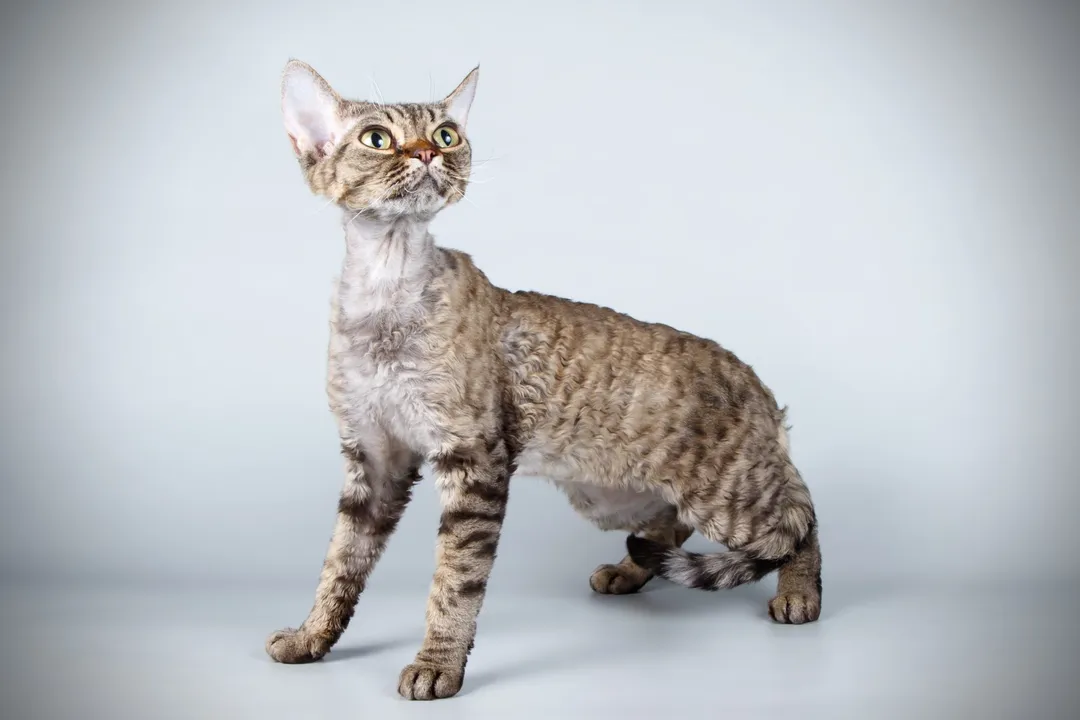
The tabby pattern itself adds another layer of variation. Devon Rexes can come in standard tabby patterns like mackerel, classic (blotched), and ticked, as well as the spotted variety. [1] The visibility of the tabby pattern depends heavily on the base color. A dark tabby pattern on a black cat can be very subtle, whereas a tabby pattern overlaid on a lighter or warmer base—like the noted chocolate tabby—often creates a high-contrast, visually striking appearance that seems more unique simply because the pattern is more defined. [4]
It is worth noting that the term "rare" can sometimes be used synonymously with "beautifully expressed." A poorly defined tabby pattern on a common color might be undesirable to a breeder, while a perfectly patterned, rich Chocolate Tabby, even if genetically achievable, becomes memorable and seems rare because it perfectly embodies an appealing combination of pattern and color rarity. [4]
The sheer variety the Devon Rex boasts means that any color outside the most commonly produced solids or standard brown tabbies warrants a second look. While no single color is universally crowned the rarest across all registering bodies, the intersection of specific dilutions with precise tabby markings, like the beautiful and unusual Chocolate Tabby, represents the outer edge of what is frequently observed in this charming, curly-coated breed. [1][4]
Related Questions
#Citations
11 Devon Rex Colors (Common & Unique Varieties)
Beyond the Standard: Devon Rex Colors That Steal ...
These Are the 12 Rarest Cat Colors and Patterns
A rare one-of-a-kind chocolate tabby, the result of crossing ...
Beyond the Standard: Devon Rex Colors That Steal ...
19 Rarest Cat Breeds You'll Be Lucky to Spot in a Home
Devon Rex