What is the rarest type of Chihuahua?
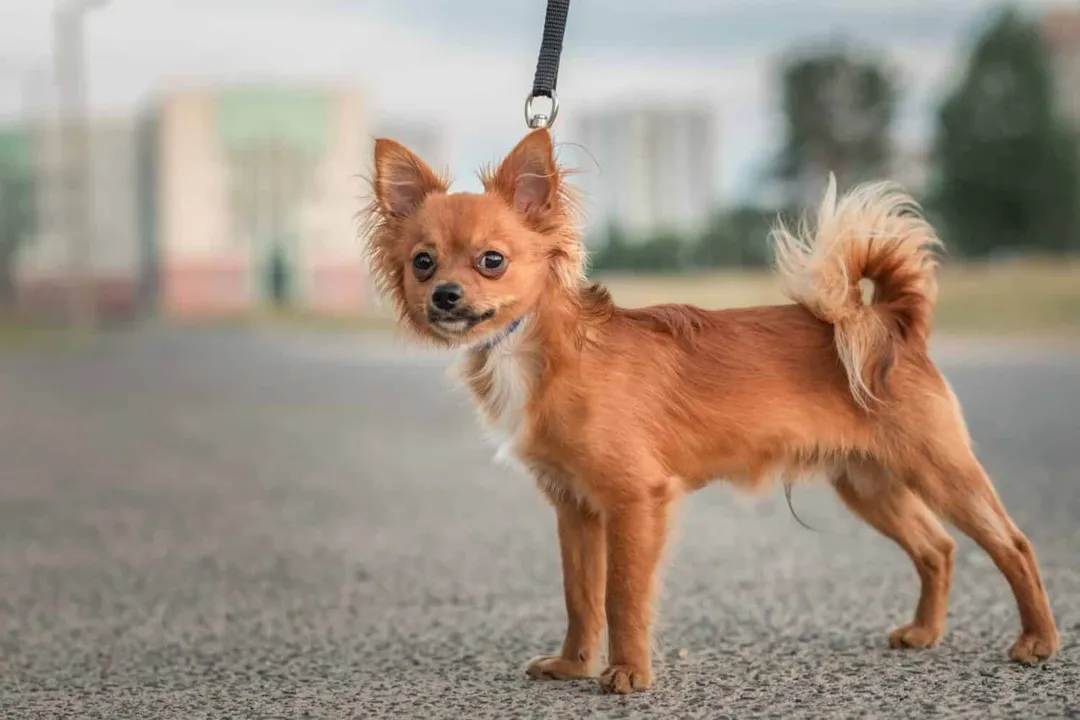
The smallest canine companion in the world, the Chihuahua, boasts an astonishing variety of looks that often surprise newcomers to the breed. While most people picture a solid fawn or tan dog, the spectrum of recognized colors and patterns is vast, leading to the intriguing question of which specific variation holds the title of rarest. To answer this, one must move past superficial appearances and delve into the complex world of canine genetics, as rarity in a Chihuahua is almost always dictated by the recessiveness of the required genes. The Chihuahua Club of America itself lists over 30 distinct colors and markings, but a handful of these require specific, often difficult-to-obtain genetic blueprints.
# Rarest Shades
When the discussion zeroes in on true rarity, the consensus among enthusiasts and observers points toward a specific solid coat: the pure white Chihuahua. This dog, entirely devoid of any other color, is frequently cited as the most elusive variation you can find in the breed. However, the distinction here is vital. A genuine, rare Snow White Chihuahua must possess no black pigment in its skin whatsoever. This means their nose, eye rims, and nails are typically a light color, such as pink, differentiating them from white Chihuahuas that retain dark features, which are more common. Furthermore, these pure white dogs are distinct from albino Chihuahuas; while both lack pigment, the true white Chi retains the necessary genetic coding for dark eyes, though often they present with lighter eyes overall, unlike the albino, which lacks pigment entirely. Producing this true white requires an absolute commitment from the breeder: both parents must also be pure white, as the gene combination needed is extremely difficult to achieve consistently.
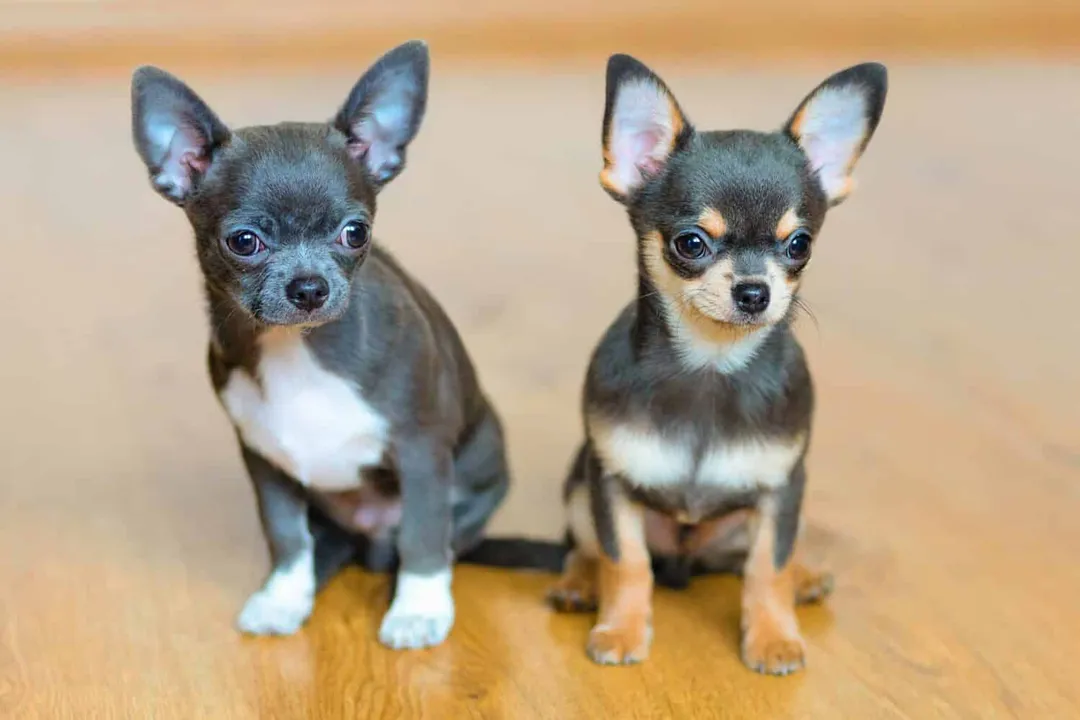
Following the pure white in terms of scarcity are the colors derived from recessive dilution genes. Lavender, or lilac, is another exceptionally rare hue. This color is the result of the diluting 'D' gene acting upon the genes responsible for the chocolate color, yielding a distinctive, almost silvery-blue or purplish tint. Its rarity is compounded by the difficulty in breeding it successfully; even mating two lavender dogs together does not guarantee lavender puppies because the required combination of diluting genes is so specific and hard to replicate. Closely related, yet also very rare, is the Blue Chihuahua, which results from the recessive gene diluting the dog’s black pigmentation into a dark gray or slate color. Because this gene is recessive, it takes a specific pairing to bring it to life, and the demand for blue puppies can sometimes inflate their cost dramatically, reportedly reaching as high as $10,000 for a tiny blue pup from certain lines.
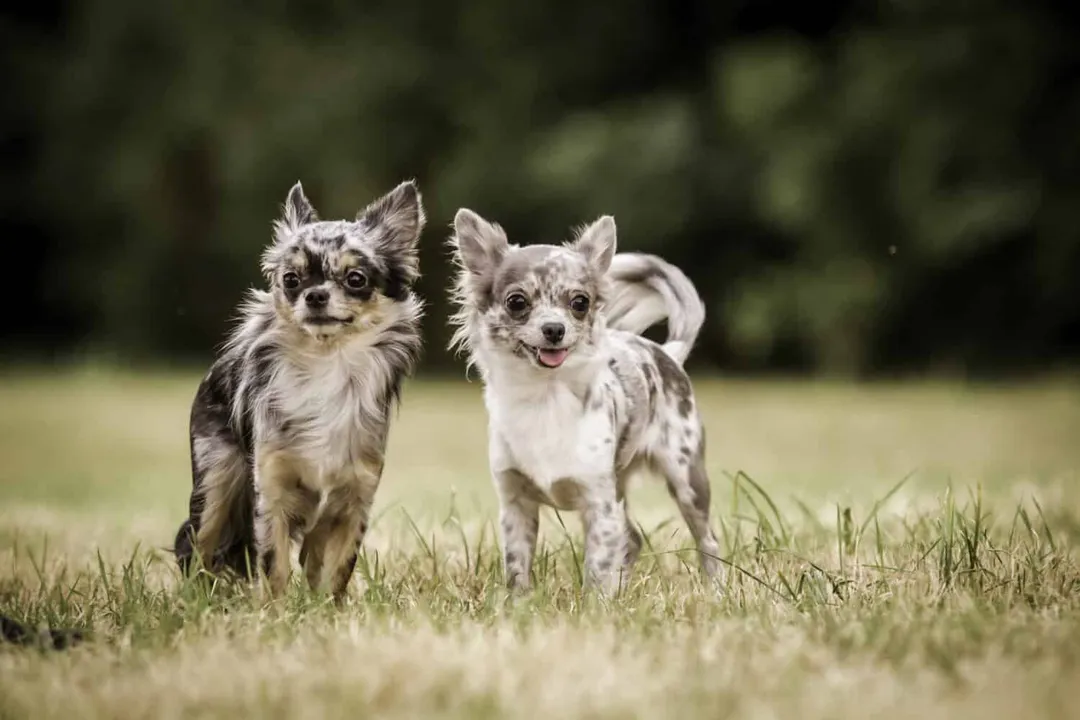
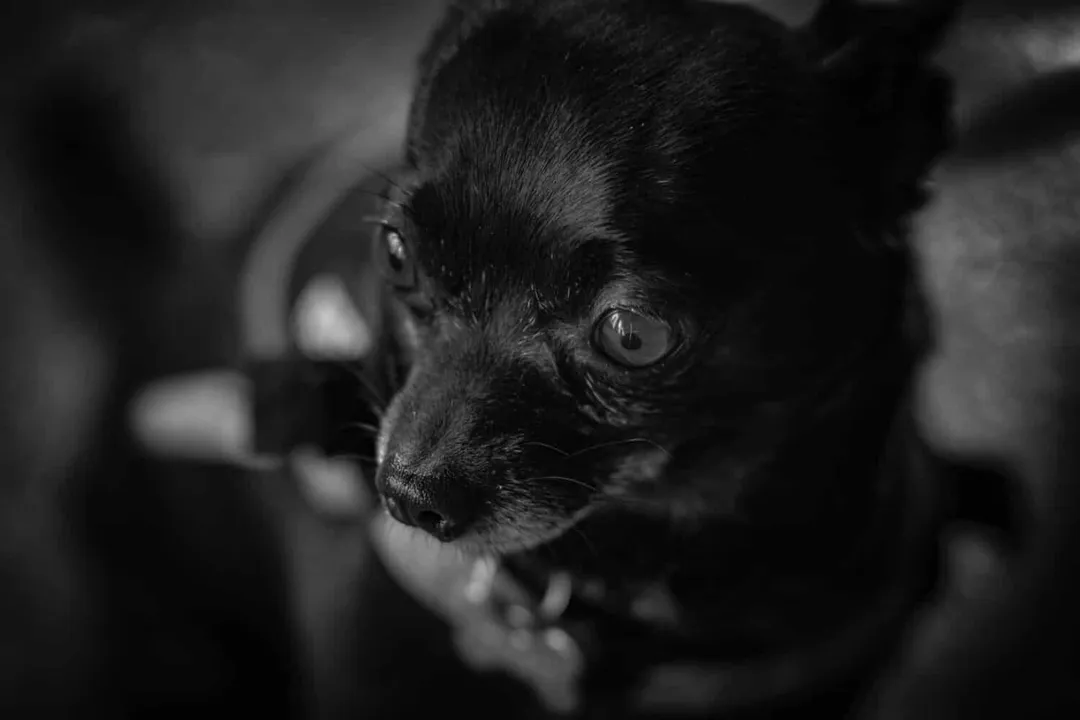
Beyond solid colors, certain patterns appear infrequently. Brindle, often described as a tiger-striped pattern, is quite hard to find in Chihuahuas, although it is common in larger breeds. For a brindle puppy to be born, both parents must carry the recessive brindle gene, making the occurrence less frequent than a dominant trait. The American Kennel Club (AKC) even recognizes several specific brindle variations, such as blue brindled fawn or chocolate brindled fawn, adding layers to their classification. Another pattern that confuses many is Merle. While visually striking with its mottled or dappled design, the merle pattern is considered by some established clubs, including the UKC and the Chihuahua Club of America, to be grounds for disqualification because it is believed not to occur naturally in the breed’s DNA, suggesting introduction from outside breeds. This genetic marker, the 'M' gene, causes color dilution, which tragically can also lead to serious health complications like blindness or deafness if a puppy inherits the double merle gene. Finally, while black is genetically the most dominant color, a perfectly Solid Black Chihuahua—one entirely without even a small white patch—is surprisingly rare.
# Color Genetics
Understanding the genetic backdrop is essential to appreciating why some dogs are common while others are novelties. Common colors like red, fawn, and cream are generally governed by dominant pigments, making them easier to produce generation after generation. Conversely, the rarest shades rely on recessive genes that must be inherited from both parents to be expressed. The blue coat, for instance, requires the parents to both carry that specific recessive dilution gene that turns black into gray. For a potential owner interested in these recessive beauties, it’s worth noting that a Chihuahua puppy’s coat color is not always fixed in youth. A puppy that looks nearly white may develop a beige tinge, or a sable puppy might lose the distinct tipping on its hairs as it matures, which can disappoint a buyer expecting a certain rare look to persist.
This inherent genetic lottery presents an interesting ethical paradox within the Chihuahua community. While the AKC accepts virtually any color or combination, thereby validating the pursuit of these recessive traits, breeders must contend with the health risks sometimes attached to these rarities. For example, the brindle pattern might raise a breeder's price, and the merle pattern is often avoided by ethical breeders due to the high incidence of severe congenital defects associated with the double merle gene. The pursuit of the pure white, which also requires specific genetic conditions, forces breeders to maintain an exceptionally restrictive gene pool. This situation forces prospective owners to weigh the aesthetic appeal of owning a statistically rare dog against the ethical imperative to prioritize overall breed health and genetic diversity. It is a balancing act where the dog’s genetic foundation often tells a more profound story about responsible breeding practices than the final paint job.

# Market Value
Rarity often translates directly into perceived market value, though not always in a straightforward manner. As mentioned, a recessive blue puppy might be advertised for up to ten thousand dollars, reflecting both its scarcity and demand. Similarly, a brindle pattern can add a significant premium to a puppy’s price tag, sometimes reaching $3,000, though one must be cautious, as these stripes can fade over time. However, the rarest dog, the pure white, is rare because of the difficulty in producing it consistently, rather than just the desirability of the color itself.
The most expensive Chihuahua color in the US market can fluctuate based on current trends, but colors linked to complex recessive genetics or those that mimic rarer breeds often top the lists. An important consideration for buyers is differentiating between rarity due to genetics and rarity due to perceived flaw. For instance, while an unusual color combination like chocolate and tan is fairly uncommon, a dog with a truly unique appearance, such as a hairless blue Chihuahua—a dog that may be a mix, as suggested by online owners—can attract high interest, even if it falls outside purebred standards. This indicates that sometimes, the most unique appearance, even if genetically ambiguous, drives the highest immediate interest and potential cost.
# Physical Traits
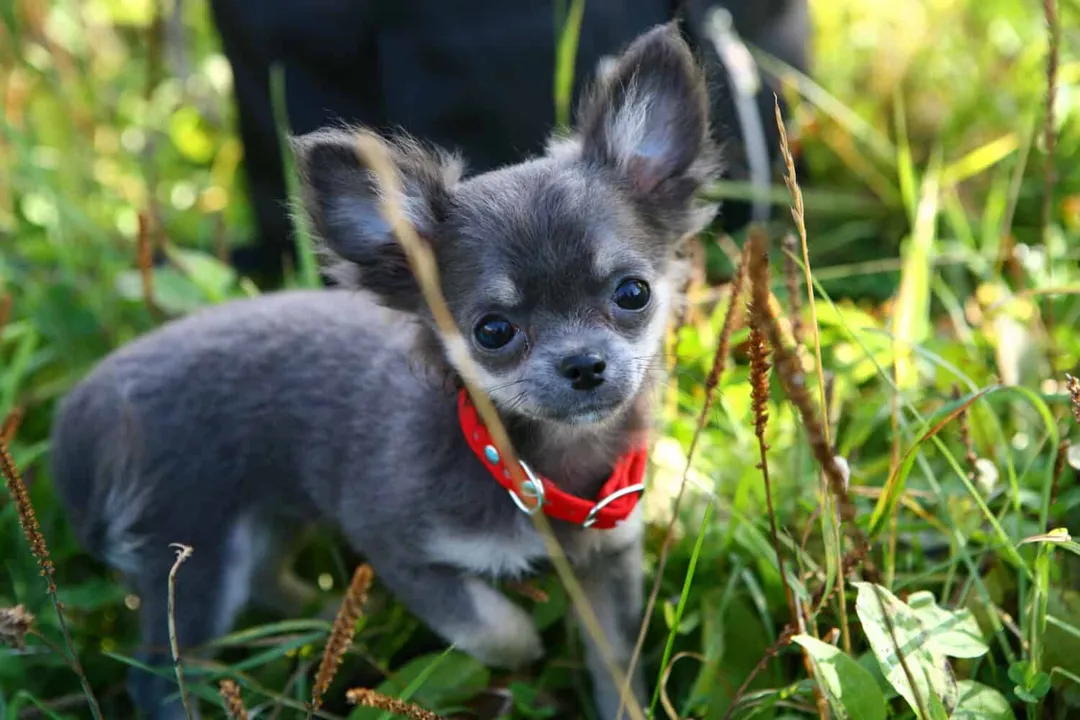
While color captures the most attention when discussing rarity, the physical structure of the Chihuahua also divides the breed into types, though these are not generally discussed in terms of "rarity" in the same way colors are. The breed officially recognizes two main head types: the Apple Head and the Deer Head. The Apple Head is characterized by a more rounded, domed skull, which is considered the standard by the AKC. The Deer Head, conversely, possesses a narrower, more wedge-shaped skull, often leading to a less pronounced stop, giving it a look reminiscent of a small deer, which is what gave it its informal name. While both types are recognized, breeders focused on maintaining the traditional standard will favor the Apple Head, potentially making the Deer Head variation less common in conformation-focused breeding programs.
Another unique physical characteristic that might lead an owner to believe their dog is rare is hairlessness. While this trait is not standard for the purebred Chihuahua—the breed comes in both long-coat and smooth (short-coat) varieties—it appears when Chihuahuas are crossed with hairless breeds like the Xoloitzcuintli (Mexican Hairless Dog). A hairless puppy exhibiting a rare color like blue would certainly create an exceptionally unique dog that many might label the "rarest type." This highlights a fundamental point: the rarest purebred Chihuahua is defined by its coat color genetics, while the rarest looking Chihuahua might actually be a deliberate or accidental crossbreed resulting in striking, unconventional physical characteristics.
# Coat Maintenance
For owners who do acquire a rare-colored Chihuahua, the required commitment to maintenance varies by coat type, which is independent of color rarity. For example, a solid black Chihuahua, while rare in its pure form, has an extremely easy coat to maintain, requiring only occasional brushing to keep it gleaming. Conversely, brindle patterns, which can appear on both long and short coats, might be much more difficult to notice on a long-haired dog, meaning more consistent grooming is needed to appreciate the subtle striping. When dealing with solid white or very light colors like cream, owners must be vigilant about keeping the coat bright, though the sources do not detail specialized cleaning routines for these colors specifically, other than recommending general grooming tools. It is always wise for prospective owners of light-colored dogs to research the impact of tear staining and yellowing on white or cream fur, as this is a maintenance challenge distinct from the genetic rarity of the coat itself. This ongoing commitment is a practical consideration that goes hand-in-hand with the pride of owning a unique companion.
Related Questions
#Citations
Chihuahua Colors: Rarest to Most Common - A-Z Animals
Rare Chihuahua colors - These are the 5 rarest!
Is my chihuahua rare? Info in comments - Reddit
39 Chihuahua Colors & Patterns - SpiritDog Training
What is the Rarest And Most Unique Chihuahua of Them All?
Rare Chihuahua-Chinese Crested Mix Looks Like a Creature From ...