What is the rarest color of Schnauzer?

The conversation surrounding Schnauzers often centers on their distinctive beards, intelligence, and spirited nature, but their coat color can be a surprisingly complex topic. While most enthusiasts immediately picture the classic black, or the grizzled Salt and Pepper pattern, the breed actually encompasses a spectrum of shades, some far less common than others. Determining the single rarest color requires looking beyond what is most frequently seen and delving into breed standards and genetic expression across the three recognized sizes: Miniature, Standard, and Giant.[2][4][6]
# Standard Colors
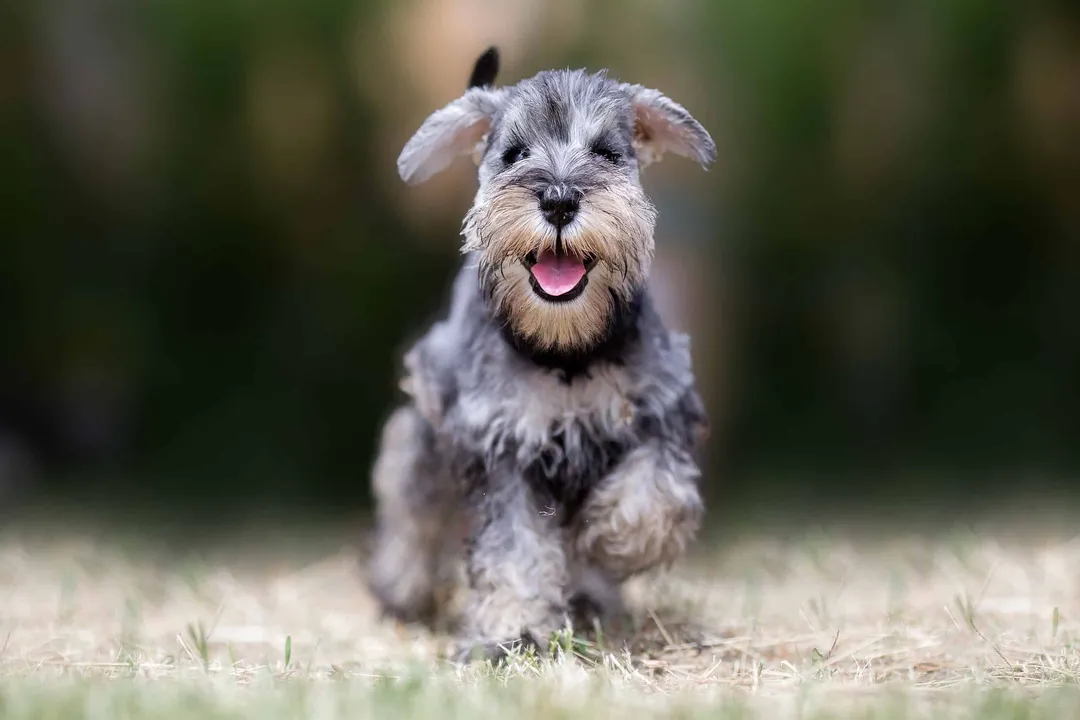
For the Miniature Schnauzer in the United States, the American Kennel Club (AKC) officially recognizes three primary colors for conformation showing: Black, Black and Silver, and Salt and Pepper. [4][6] The Salt and Pepper color is the most traditional and features "banded hairs," meaning each individual strand carries three distinct shades of gray, ranging from very dark to light. [6] Black and Silver dogs have a predominantly black body with furnishings (beard, eyebrows) that start coppery but fade to silver or white, a pattern sometimes called "Phantom" when the white furnishings are very bright. [6] Solid Black is the third recognized color, though even these dogs may develop some lighter hairs as they age. [4][6]
In other parts of the world, such as the UK, the recognized colors for Minis are often listed more narrowly, sometimes only including Black and Salt and Pepper as standard options, which can affect how owners perceive color frequency. [2]
# Nonstandard Shades
When a dog’s coloring falls outside those core three, it enters the realm of non-standard or "rare" colors, though whether they are truly rare or simply unacceptable for the show ring is a key distinction. [4][6] Many sources discuss colors that are eligible for AKC registration but are significantly less common than the standards, which often leads new owners to seek them out. [6]
These colors include various shades involving Liver (a shade of dark brown or chocolate) and Tan markings, such as Liver and Tan, and Liver Pepper (similar to Salt and Pepper but using brown banding instead of gray). [4][6] Other recognized, though uncommon, variations include Cream (sometimes called Wheaton) and various Parti colors. [4] Parti-colored Schnauzers feature distinct white patches on a base color—such as Black Parti, Liver Parti, or Salt and Pepper Parti—and are often a point of debate among breed purists. [4][6]
A color mentioned in some discussions that is generally considered rare, especially in the US market, is Sable, a shade that can change dramatically from puppyhood to adulthood. Furthermore, one forum discussion noted the existence of Blue coloring in Giant Schnauzers and the presence of Merle in the US Miniature market, though these are generally not acknowledged in standard literature. [2]

# The Rarest Contender
If we define "rarest" as the color that appears least often due to the specific recessive genes required to produce it, the title likely falls to Red. Red Miniature Schnauzers feature a coat that is described as an orange-brown, and darker shades within this spectrum are often the most sought after, sometimes commanding higher prices. [4] Source material explicitly states that Red is "one of the rarest colors". This color, along with Cream/Wheaton, is associated with the recessive ee gene in canine genetics, which prevents the production of black pigment, allowing underlying red/yellow pheomelanin expression to dominate. For a dog to be solid Red, both parents must carry this recessive gene, making the occurrence less frequent than standard colors which are often dominant or easily produced.
# Rarity Versus Acceptance

It is vital to understand that in the world of purebred dogs, rarity is often synonymous with exclusion from official conformation shows. [4] While the AKC will register Miniature Schnauzers in colors like Liver, Wheaton, and various Partis, these dogs are not accepted for competition in the breed ring, which places them in the "rare" category by default in the show community. [6]
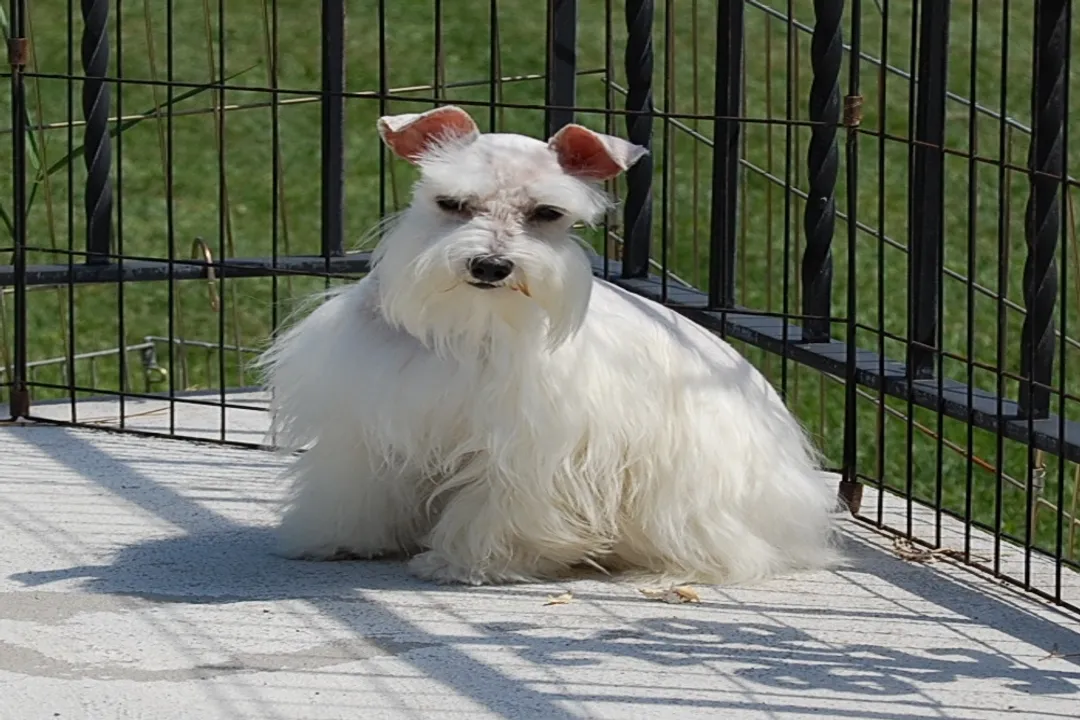
A color like White presents an interesting case. While described as a standard color showable internationally, it is noted as disqualifying in the US, except for a small spot on the chest of a black dog. [4] Even more esoteric is the White Parti Schnauzer, which appears visually identical to a solid White dog because the underlying white patches combine with the white base coat, requiring DNA evidence or parentage knowledge to confirm. This illustrates that "rarest" isn't always visible to the casual observer.
When evaluating a dog advertised as having an unusual color, it is important to recognize that an ethical breeder adhering to breed integrity often prioritizes health testing over breeding for novelty. [4] If a breeder markets a puppy simply because it is a rare color and charges exorbitant fees, it can be a warning sign that they prioritize profit over the health and integrity of the breed standard. [4]
# Geographic Color Views
The perception of rarity shifts noticeably depending on where you are looking for a Schnauzer. [2] In the United States, breeders actively produce Liver/Chocolate, Parti, and Red dogs, making them visible, if non-standard, options. [3][4] However, in the UK, the acceptance of these non-traditional colors is much lower, and the discussion surrounding them can be quite contentious, suggesting that colors like Liver or Parti are effectively much rarer there due to less active breeding lines for them. [2] Conversely, some within the UK community pointed out that Black and Silver is considered a rare color within the Giant Schnauzer population there, demonstrating that rarity can be specific to size and region. [2]
This difference suggests that the rarest color might be the one with the least widespread genetic pool, which often means a color that is not supported by a large, established, health-focused segment of the breeding community, regardless of its official registration status. [2][4] For example, while Red is genetically rare via recessive genes across the board, if a breeder in a specific region avoids breeding brown dogs due to local breed club preference, Liver becomes the locally rarest shade, even if it's registered nationally. [6]
# Breeder Ethics
If a potential owner is specifically interested in one of these less common shades, such as the recessive Red or the brown Liver, the advice remains consistent across enthusiast circles: research the breeder thoroughly. [4] Reputable breeders committed to the breed standard will typically have extensive health testing results available for the parents, regardless of the color being produced. [4] Their focus should be on temperament and health first, even when breeding a less common, registerable color like Liver/Tan. [6] Any breeder who cannot provide documentation or focuses solely on the novelty of a non-standard coat color should be approached with extreme caution, as they may be engaging in breeding practices detrimental to the overall health of the Miniature Schnauzer line. [4] Ultimately, while Red seems the best fit for the title of genetically rarest, the most valuable Schnauzer, regardless of hue, is one produced with health and breed characteristics as the primary goal. [4]
#Videos
Recessive Red SCHNAUZER Colors - Gold, Beige ... - YouTube
Related Questions
#Citations
See 8 Rare and Unique Miniature Schnauzer Colors - A-Z Animals
Hey there schnauzers lovers! I have a question. Are a brown ...
Recessive Red SCHNAUZER Colors - Gold, Beige ... - YouTube
AKC Colors - Paradise Valley Schnauzers
Unusual Colors - The Schnauzer Forum
Colors & Sizes - Lovey's Miniature Schnauzers