How much should a Bloodhound eat per day?
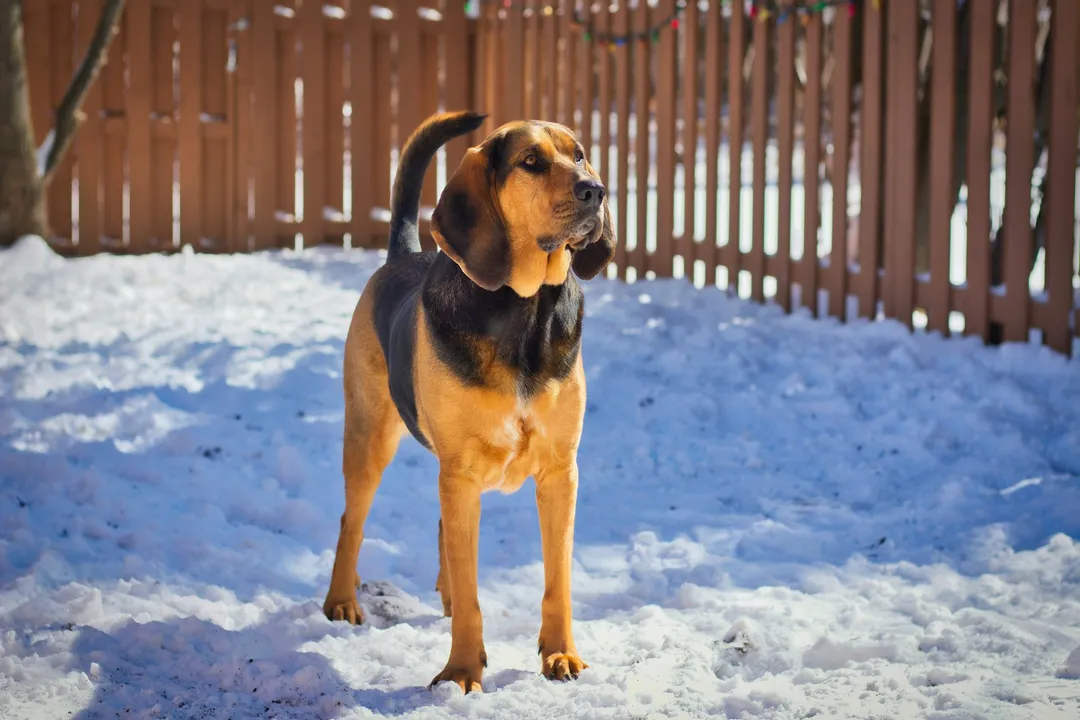
Determining the precise amount of food an individual Bloodhound requires each day isn't as simple as finding a single number on a chart. These magnificent scent hounds, known for their loose skin and prodigious noses, have highly variable nutritional needs influenced by several key factors, including their age, current weight, metabolism, and daily activity level. [2][5] A dog involved in active scent work or conformation showing will burn significantly more calories than a beloved family pet whose main job is napping on the sofa. [2]
# Core Variables

The starting point for any feeding calculation must always be the dog’s current weight and its ideal target weight, which is essential for calculating appropriate caloric intake. [5] For example, while some general guides might suggest an adult Bloodhound in the range of 70 to 110 pounds needs between 3 and 6 cups of a standard dry kibble daily, this is merely a broad estimate. [5] The actual caloric density of that specific kibble—how many calories are packed into each cup—is the most important variable. [2]
Two different brands of high-quality kibble might look identical in the bowl, yet one could have 350 calories per cup while the other has 450. Feeding the exact same volume of the denser food will lead to weight gain over time. [2] Therefore, owners need to look beyond the scoop size and focus on the guaranteed analysis provided by the manufacturer, or ideally, calculate the dog's Resting Energy Requirement (RER) and multiply it by the appropriate Maintenance Energy Requirement (MER) factor based on their activity level. [2]
# Growth Stages
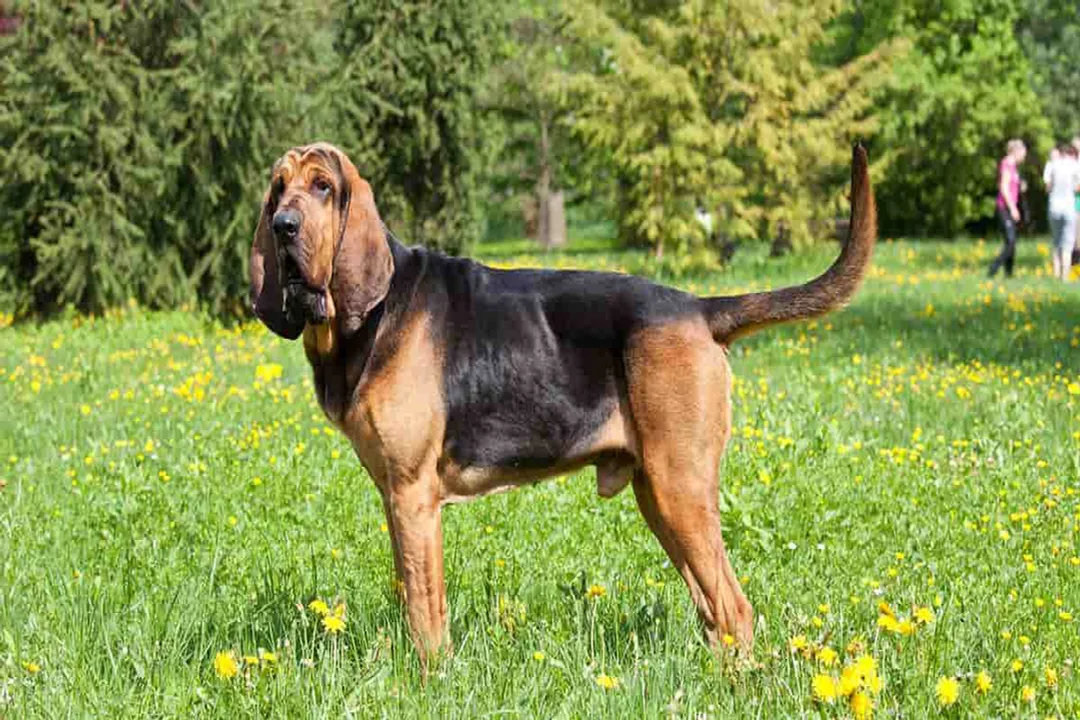
Feeding a Bloodhound puppy correctly is perhaps the most critical dietary period in their entire lives. These dogs mature into very large, heavy animals, and rapid, uncontrolled growth can severely compromise their skeletal structure and joint health. [2][6] Because of this propensity for orthopedic issues, controlled feeding is often stressed by breed clubs. [2]
Puppies require frequent, smaller meals to fuel their explosive growth without overwhelming their developing systems. A very young puppy, perhaps under six months, might need to be fed three or even four times a day. [6] As they approach maturity, this frequency is generally reduced to twice daily, which is the standard for most adult large breeds. [8]
When managing growth, the quality of the food matters immensely. You should be looking for foods specifically formulated for large breed puppies, which are designed to have a moderated energy density and a carefully balanced calcium-to-phosphorus ratio to support slow, steady bone development. [2][9] A common mistake is letting a puppy free-feed or overfeed during their growth spurts, believing more food equals faster, healthier growth. In reality, the opposite is often true for giant and large breeds. [2] Moving from four small meals down to two carefully measured meals by the time the puppy is around six months old is a standard benchmark many experienced owners use to balance energy needs with the need to prevent overly aggressive weight gain during key developmental phases. [6]

# Standard Feeding
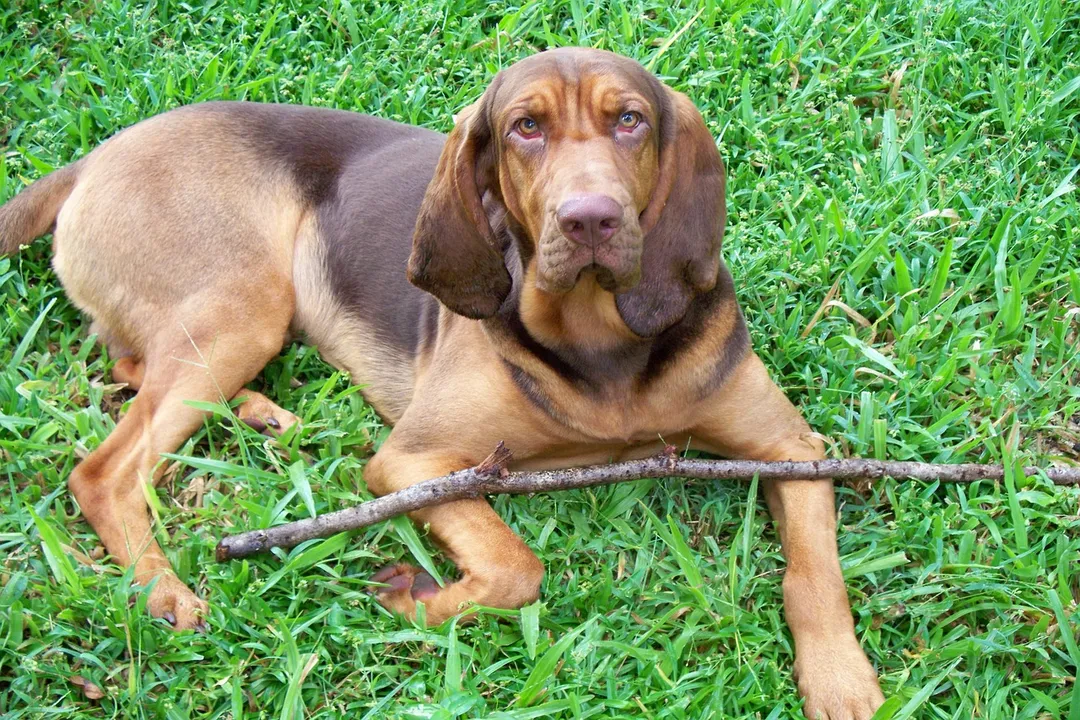
For a fully grown, moderately active adult Bloodhound, the goal shifts from managing growth to maintaining a lean physique. The general recommendation centers on dividing the total daily ration into two separate feedings—one in the morning and one in the evening—to optimize digestion and reduce the risk of bloat, a serious concern for deep-chested breeds. [8]
If you are transitioning from a puppy formula to an adult maintenance diet, you should consult the feeding chart for the specific product you choose and use that as your baseline. [2] For instance, a 90-pound adult might be directed to eat 4 cups total per day according to the bag. If that dog is relatively sedentary, an owner might find they can maintain ideal weight successfully on 3.5 cups, while a dog regularly hiking or training for tracking might require the full 4 cups, or potentially more, depending on the food's energy level. [5] Consistency is key once a feeding amount is established. [2]
# Diet Comparison
While dry kibble is the most common feeding method, some owners opt for raw or fresh food diets. These diets operate on a different measurement system, often based on a percentage of the dog's current or ideal body weight rather than volume (cups). [4]
For an adult Bloodhound on a raw food diet, the typical daily amount usually falls between 2% and 3% of their body weight, though this can vary based on the food's nutrient profile and the dog’s activity. [4] For example, a 100-pound dog maintained on a 2.5% feeding plan would require 2.5 pounds of raw food daily, split between two meals. [4] This method offers a direct comparison to volumetric feeding: if a cup of kibble weighs 120 grams, an owner can roughly calculate how many cups are equivalent to their required raw weight total, though this is often inexact due to water content differences. Raw feeding guides frequently advise adjusting this percentage based on weight fluctuation. [4]

# Body Condition
Regardless of the food type or the number of cups measured, the ultimate indicator of whether the feeding amount is correct is the dog's Body Condition Score (BCS). [2] A perfect score means the dog is neither too lean nor overweight. [9]
You should be able to easily feel the ribs with gentle pressure, similar to touching the back of your own hand, but they should not be visibly sticking out or obvious when the dog is standing normally. [9] Furthermore, when viewing the dog from above, there must be a noticeable inward curve or "tuck" right before the hips begin. [2] If you look at your Bloodhound from the side, you should see a distinct upward slope to the abdomen after the rib cage, not a straight line or a downward bulge. [9]
To truly assess if you are hitting the right mark over the long term, tracking weight is vital. While the general guidelines offer a place to start, consider weighing your Bloodhound regularly, perhaps monthly for the first year and then quarterly once they reach adulthood. [6] If you notice that your dog’s weight remains static, but they are visibly starting to put on a bit of girth around the middle over the course of three consecutive weigh-ins, a simple and effective course correction is to immediately reduce the total daily food allowance by about 10% for the following month and then re-evaluate the body condition score again. This small, proactive adjustment prevents the slow creep of obesity that can put unnecessary strain on the joints of a heavy breed like the Bloodhound. [2]
Related Questions
#Citations
How much should I feed my bloodhound? - Reddit
BLOODHOUND - Nutrition - American Bloodhound Club
How much food should I feed my Bloodhound? - Facebook
Bloodhound Feeding Guide - ProDog Raw
How Much Do You Feed a Bloodhound - iHeartDogs.com
Puppy Guide - Boru Bloodhounds
Bloodhound | Breed Guide | Scrumbles
Best Diet for Bloodhound: Nutrition Tips and Food Recommendations
Bloodhound - PDSA