What is the rarest color of Italian Greyhound?
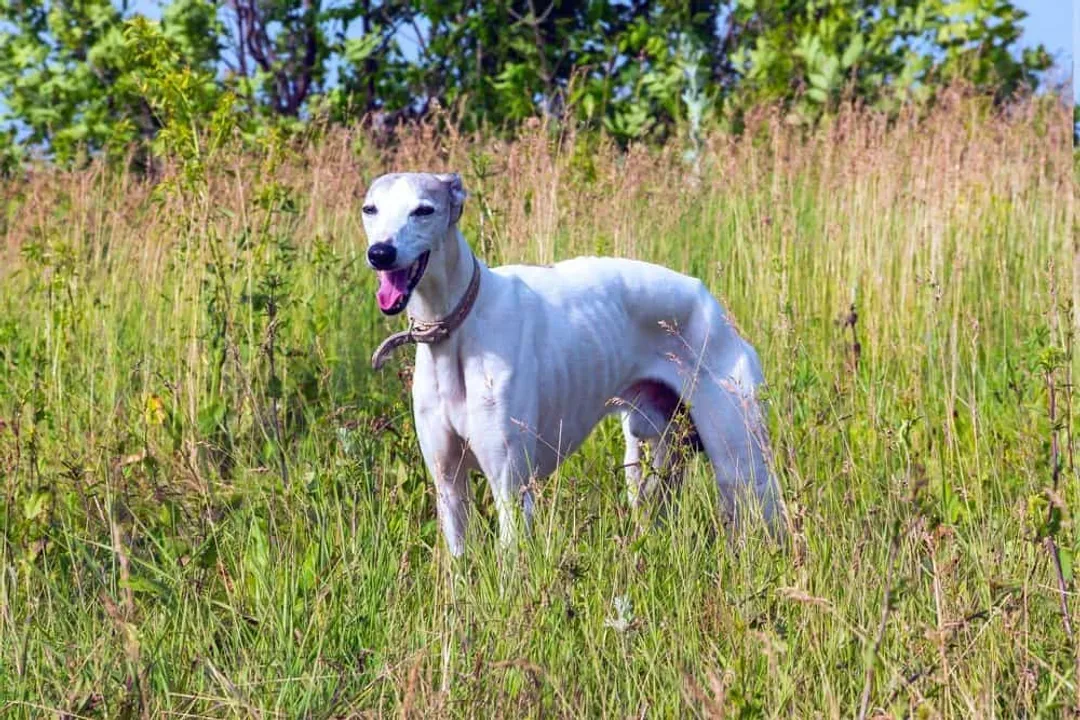
The Italian Greyhound presents a stunning array of coat colors, each one capturing the light differently across its slender frame, making the discussion of rarity a fascinating dive into genetics and breed standards. While some shades are immediately recognizable and quite common within the breed population, others appear infrequently, leading owners and enthusiasts to debate which hue truly holds the title of the most elusive. [2]
# Color Spectrum
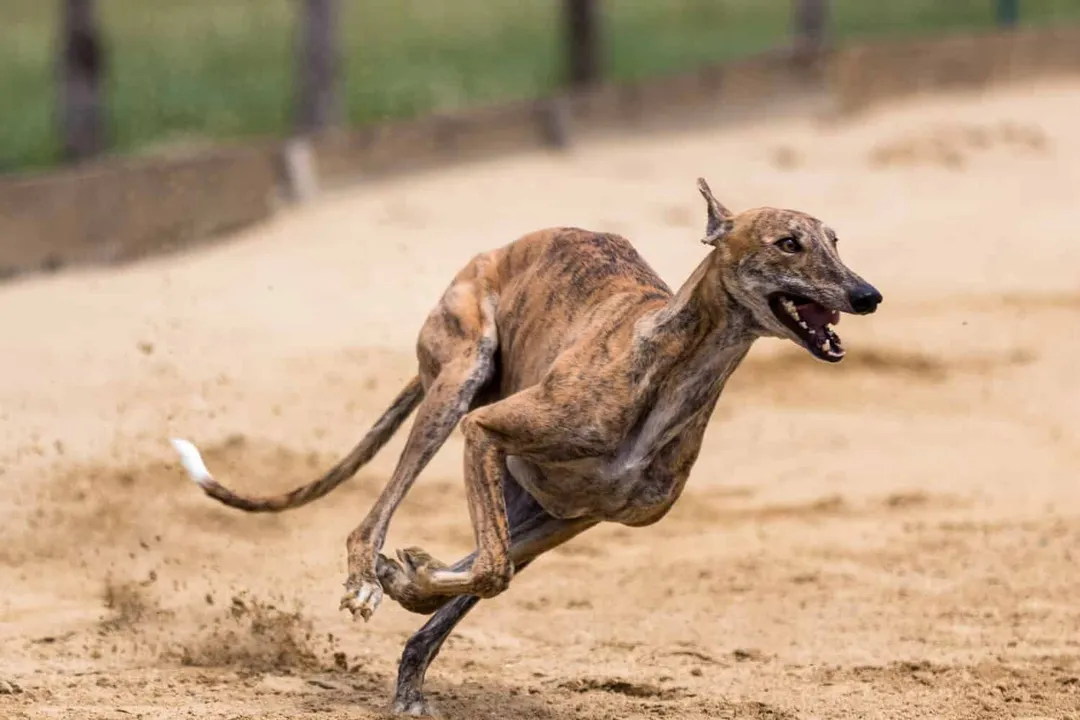
The recognized palette for the Italian Greyhound is broad, encompassing a variety of solid colors and patterns. [4] Solid colors range from black and deep blues to various shades of fawn, red, and cream. [2][4] Many dogs also exhibit combinations, such as black and tan, or the widely loved tri-color markings. [4] It is crucial to note that the color definition can be somewhat fluid, especially when discussing dilution genes, which significantly affect the final appearance of the coat. [6]
# Dilution Genetics

Rarity in any dog breed often traces back to the recessive nature of the genes responsible for specific color expressions. [6] In the world of Italian Greyhounds, the dilution gene is a major factor influencing how uncommon a color appears. [6] This gene lightens the base coat pigment, turning black into blue (a slate grey) and red/fawn into lighter shades of cream or pale fawn. [2][4] Because the gene for dilution is recessive, two copies must be present for the dog to display the diluted color. [6] This requirement immediately makes blue and dilute fawn less common than their dominant, darker counterparts, such as black or red. [2]
Another genetic element influencing appearance is the modifier gene that creates the sable pattern, where the base coat is overlaid with black tipping, particularly noticeable on the back and ears. [2] Sable is often less frequently seen than solid colors in many lines. [4]
# Identifying Rarest Hues
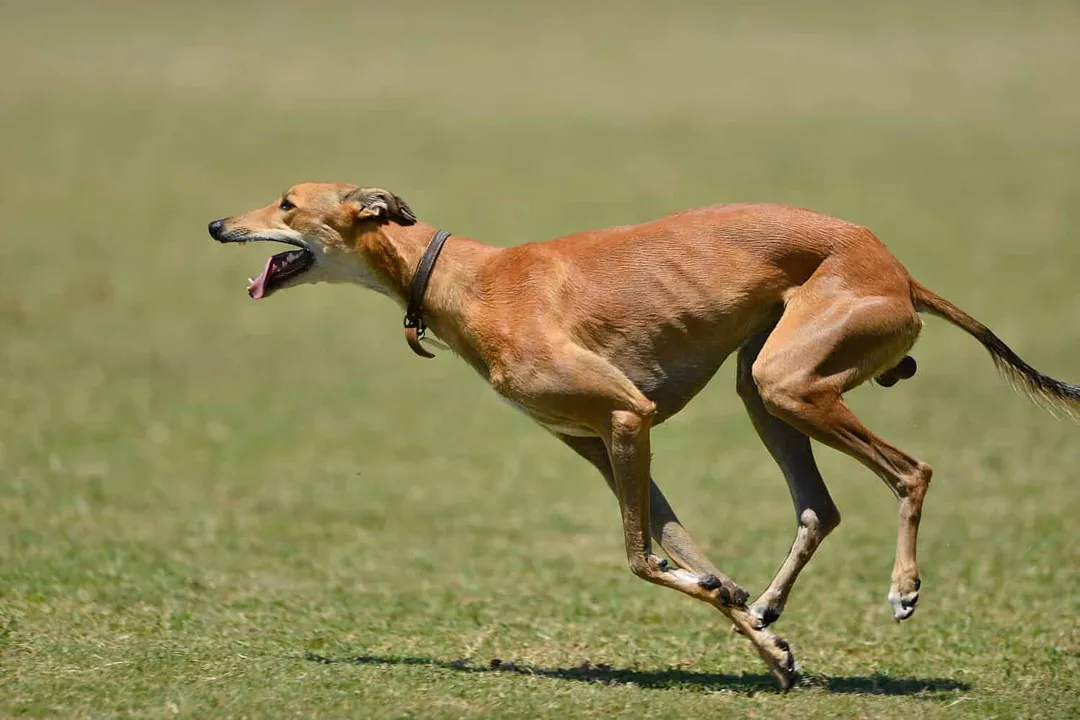
While many sources list the common colors, pinning down the single rarest color requires looking closely at colors that might be genetically complex or highly undesirable according to breed registries. [2][4] Several colors are frequently cited by enthusiasts as being exceptionally uncommon.
The Blue (dilute black) is almost always near the top of the rarity list simply due to the recessive nature of the dilution gene. [2][6] However, Fawn that presents as a very pale, almost cream-like shade is also incredibly scarce. [2] Some sources point toward the Brown/Chocolate color, or its dilute version, as being very seldom seen in conformation shows or general breeding programs. [4]
It is interesting to compare the genetic rarity against the registered rarity. A specific color, such as Merle, which is a highly sought-after, mottled pattern in some breeds, is generally considered a fault or disqualification in many established Italian Greyhound breed standards. [4] While the gene exists, responsible breeders actively avoid it, meaning fewer registered or intentionally bred examples exist, artificially inflating its perceived rarity among show dogs. [4][5] Conversely, a common color like black or seal might be present in nearly every litter, making it statistically the most common. [2]
# Standards Versus Appearance
The American Kennel Club (AKC) and other international kennel clubs maintain breed standards that dictate acceptable colors for competition. [5] Understanding these standards provides context for what breeders intentionally produce versus what might occur accidentally. Colors that are accepted but genetically recessive will naturally be less common than dominant colors. [2]
For instance, if a standard accepts seals, blues, lemons, and reds, the recessive expression of the dilution gene required for a true, clear blue or pale lemon/fawn means fewer puppies will express that exact shade compared to the dominant black or red. [2][4] When evaluating breed literature from various sources, the consensus leans toward the fully diluted shades—particularly blue and very light fawn/lemon—being the most difficult to find consistently. [2][4]
# The Impact of Color on Breeding
For a prospective owner, understanding color genetics is not just about aesthetics; it ties into the responsible breeding practices of the sire and dam. [5] A breeder committed to maintaining the breed's health might intentionally focus on specific color lines known to be associated with robust health, while simultaneously avoiding colors linked to overly rare or potentially problematic genetic expressions. [5]
When discussing color contracts, it is worth noting that even if a breeder is producing primarily common colors, they should be able to identify the carrier status of the parents for recessive shades like blue or chocolate. [5] A responsible breeder should provide documentation detailing the genetic makeup of the parents, allowing you to predict the potential for rare colors in future litters, regardless of what you purchase now. This level of transparency goes beyond simply stating the puppy's current coat; it's an insight into the genetic health they are preserving or managing. [5]
If you are seeking a specific rare color, the search must focus on breeders specializing in those lines, often those dedicated to preserving colors that might be less common in the main conformation circuit, or perhaps breeders focusing on retired show lines where genetic diversity might lead to unexpected, rare colors appearing spontaneously. [7]
# Practical Ownership Considerations
When acquiring an Italian Greyhound, especially one of a rare color, there are a few points to keep in mind regarding care that sometimes differ from the more common black or seal dogs. While the coat itself is thin across the board, some owners of lighter-colored dogs, particularly pale fawn or lemon shades, report heightened sensitivity to direct sun exposure, necessitating more diligent use of protective clothing during walks. [4] This is an observational point that new owners should consider, as darker pigmentation might offer a slight, albeit minimal, natural advantage against UV rays. [4]
Another subtle point that emerges in community discussions concerns coat texture in relation to color dilution. While breed standards focus on the structure, some enthusiasts suggest that the texture of the coat on heavily diluted dogs (like blue) can sometimes feel slightly softer or perhaps thinner compared to a deep black coat, though this is highly subjective and not universally confirmed by scientific study. [7] Regardless, ensuring proper nutrition, as advised by veterinarians, is the most critical factor for coat health, overriding most perceived color-related differences. [5] The dedication required to keep any sensitive IG warm applies equally to all shades. [5]
Related Questions
#Citations
What is the Rarest Greyhound? - Oxford Stadium
Italian Greyhound Colors: An Overview with the Cutest Photos
Greyhounds with blue coat color - Facebook
Italian Greyhound Colors, Markings & Differences Revealed
Understanding Italian Greyhound Puppy Adverts
UNUSUAL COLOR IN AN ITALIAN GREYHOUND - Sangue Azzurro
Italian Greyhound colors : r/ItalianGreyhounds - Reddit
Greyhound Colors: Rarest to Most Common - A-Z Animals