What is the physical appearance of a Spanish goat?
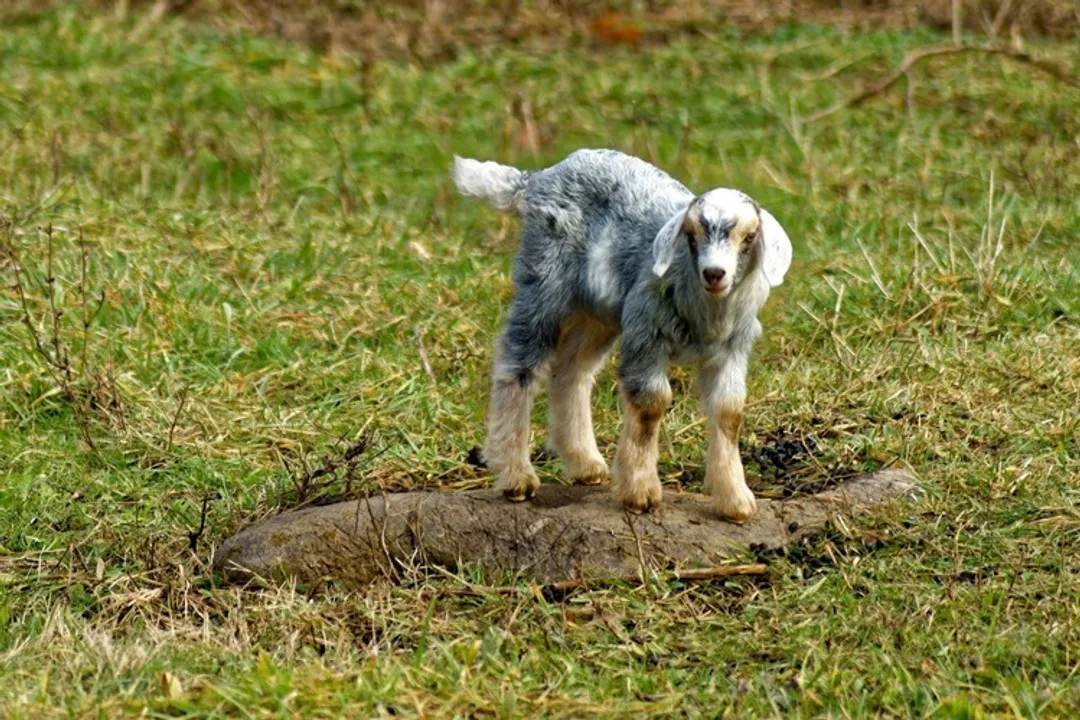
The physical presentation of a Spanish goat is perhaps best described by its sheer diversity, making any single, definitive visual standard difficult to pin down. Unlike some highly standardized European breeds, Spanish goats are typically classified as a landrace, meaning their appearance reflects centuries of natural selection for hardiness and utility rather than strict aesthetic breeding guidelines. [5][6] Consequently, what one person pictures as a Spanish goat might look quite different from another's mental image, as they exhibit immense variation in color, size, and conformation. [5][7]
# Size Conformation
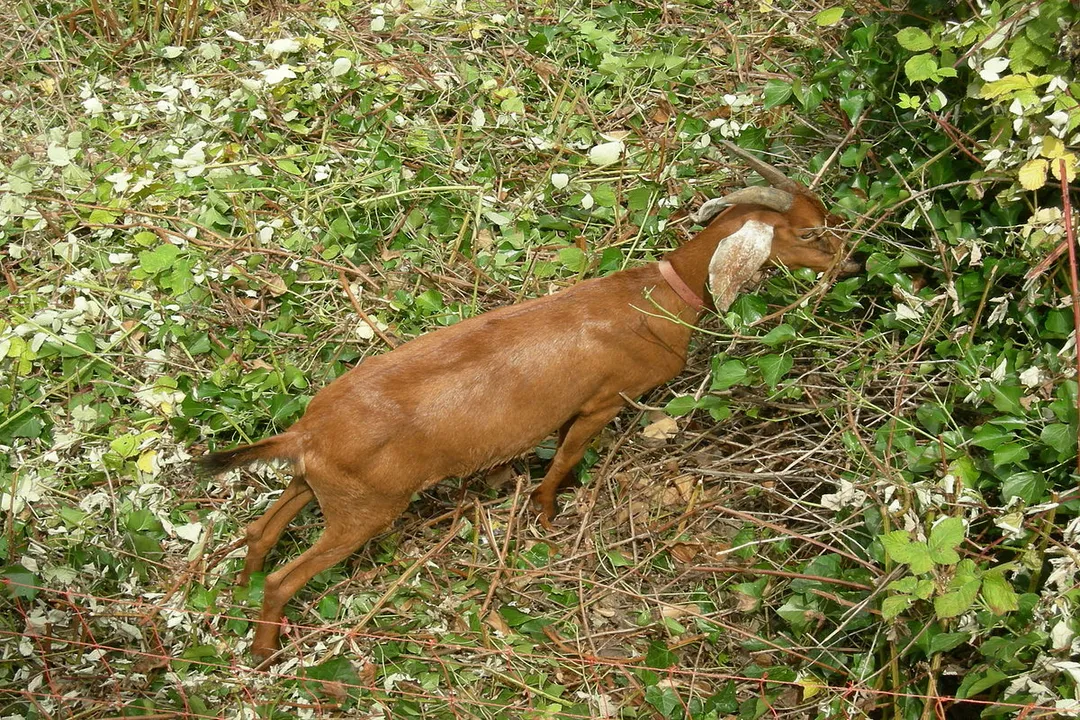
Spanish goats are generally categorized as a medium-sized breed. [1][4][7] Their actual size and overall build can depend heavily on the region in which they are raised and the level of management they receive, which naturally influences their body condition. [7]
In terms of mature weight, does typically fall within the range of 80 to 120 pounds. [4] Bucks, being generally larger, generally weigh between 120 and 200 pounds. [4] Structurally, these goats possess a deep chest and are known for having strong legs, attributes that speak directly to their reputation as rugged, adaptable animals suited for less-than-ideal grazing conditions. [4] While they are medium in build, their overall appearance often conveys a sense of muscularity and durability rather than the finer bone structure seen in some specialized dairy or show breeds. [1]
# Coat Description
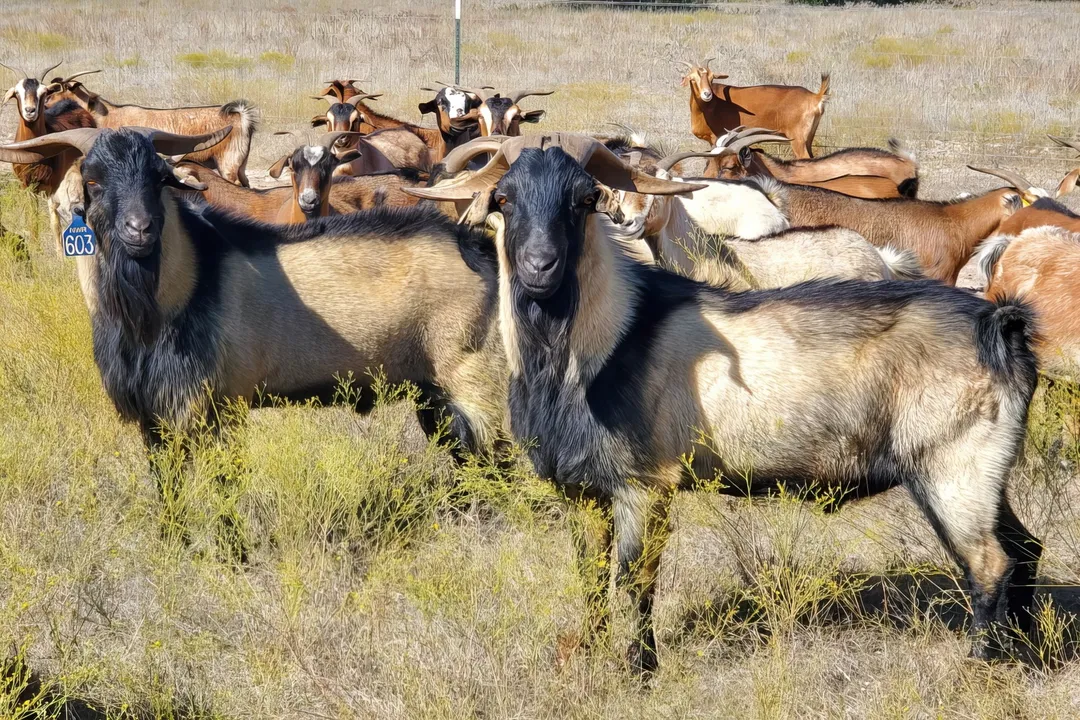
When it comes to coloration, the Spanish goat lineage is strikingly non-selective. This breed displays almost every possible color or pattern known in goats. [1][4][7] One might encounter solid white, black, brown, or red individuals. [1] Beyond solid colors, they can be spotted, mottled, or exhibit various combinations of these shades. [4][7]
The texture and length of the coat are also environmentally responsive. In colder climates or during winter months, a Spanish goat will grow a longer, denser coat for insulation. [7] Conversely, as temperatures rise, they shed this heavy winter growth, resulting in a short, sleek summer coat. [7] This plasticity in coat management is a testament to their survival instincts. It’s fascinating to observe how quickly an animal adapted to the arid scrublands can transform its external layer just by changing seasons, a trait that is highly advantageous compared to breeds requiring human intervention for seasonal comfort. [1][7]
# Head Features
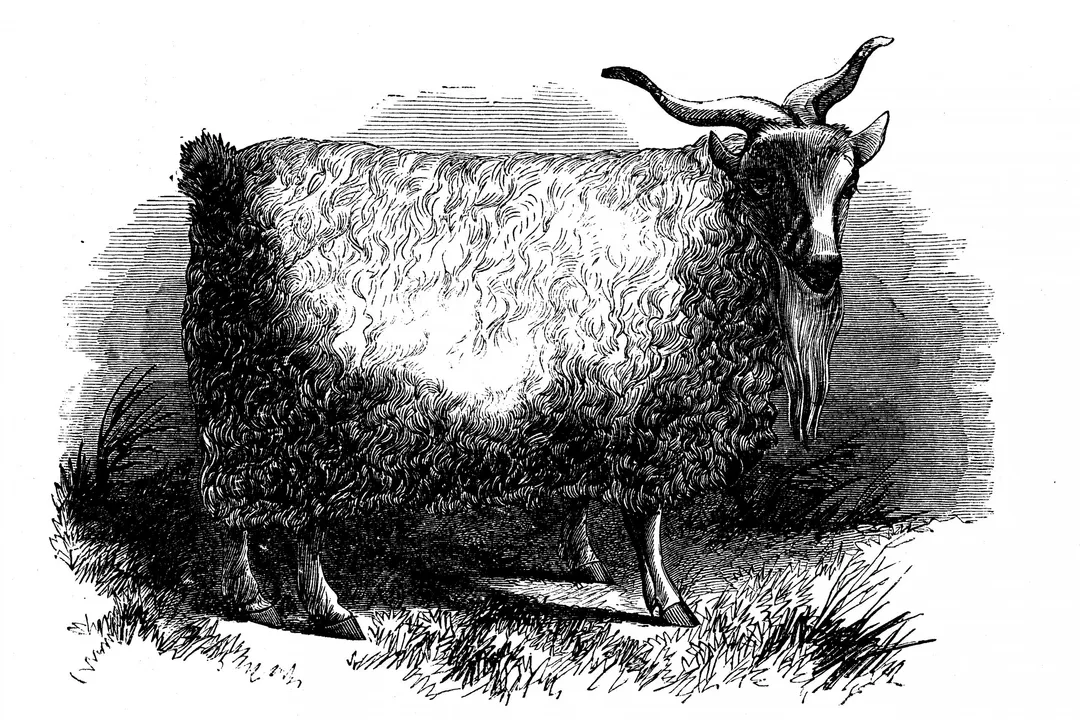
The head of the Spanish goat presents features that are somewhat variable but often lean toward specific traits associated with traditional goat stock. Both male goats (bucks) and females (does) usually possess horns. [1][4][7] These horns typically curve backward as they grow. [1]
The ears are another distinguishing characteristic, though not a fixed one. Many Spanish goats display pendulous ears, meaning they droop or flop down alongside the head. [1][4][5] However, the ear carriage is not strictly standardized across all populations descended from this lineage. It is common to see goats with upright, semi-pendulous, or fully pendulous ears within the breed group. [2][7] This inconsistency means that finding a goat with the classic "flop ear" is common, but not mandatory for classification as a Spanish Goat.
# Conformation and Type
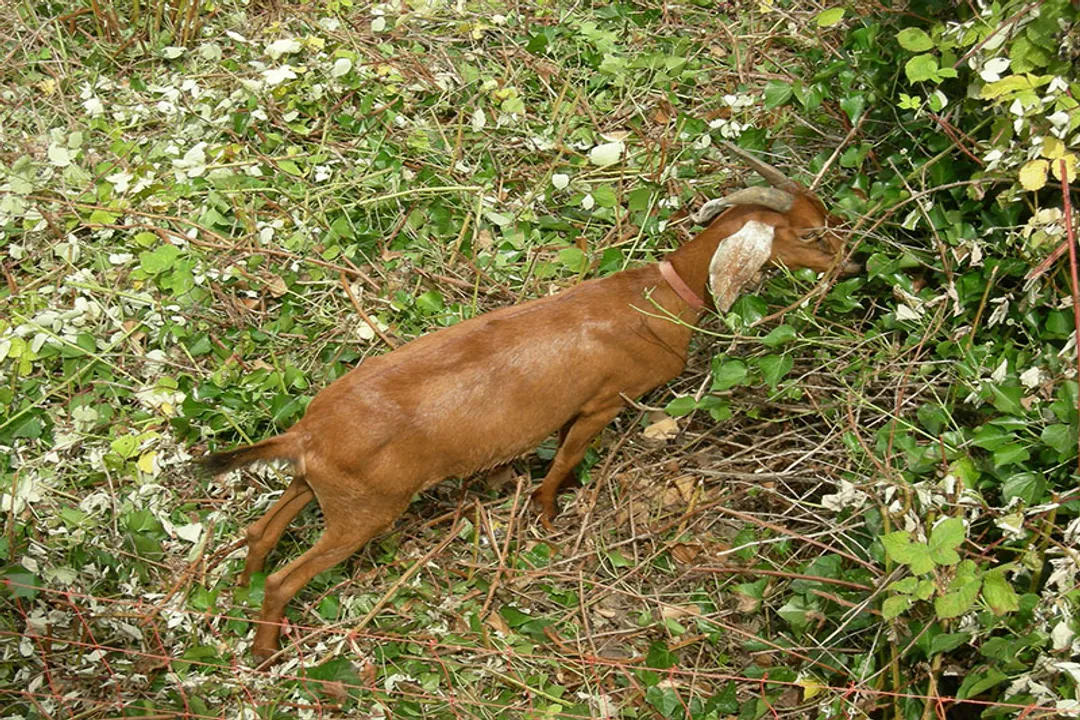
The defining characteristic of the Spanish goat’s physical appearance is the very lack of a rigid, defined type. They are utility animals first and foremost. [5] If you look at a group of registered Spanish Goats today, you will see a variety of head shapes, body depths, and leg structures. [7] This reflects their origins, primarily descending from goats brought to the Americas by early explorers, which then adapted to diverse local conditions without intense selective pressure for looks. [6]
This inherent variability means that judging a Spanish Goat solely on a photograph of a champion animal from one specific registry might mislead a newcomer. The animal's physical appearance is a running commentary on its local history and environment. For instance, a goat raised in the humid Southeast US might have a slightly different overall body frame than one adapted to the dry brush of Texas ranches, even if both trace their lineage back to the same ancestral stock. [7]
When considering acquiring Spanish Goats, it might be insightful to focus less on achieving a perfect, uniform look across the herd and more on functional confirmation. A sound, well-angulated back, strong feet, and adequate capacity in the udder area for does, or strong development in the testicles for bucks, are far more important indicators of true Spanish Goat genetics—the genetics of survival—than ear length or horn curvature. [4] The best Spanish Goats visually present as tough, capable foragers, built for longevity rather than fleeting beauty contests. [1][4]
Related Questions
#Citations
Spanish Goat - The Livestock Conservancy
Spanish Goats | Oklahoma State University - Breeds of Livestock
Spanish Goat Animal Facts - Capra aegagrus hircus
Spanish Goat in America
Spanish Goat Breed Profile: An Expert Survivor - Goat Journal
Spanish goat
Spanish Goats: a hardy and well-adapted breed
Viva La Spanish Goat