What is the physical appearance of the Alaskan Malamute?
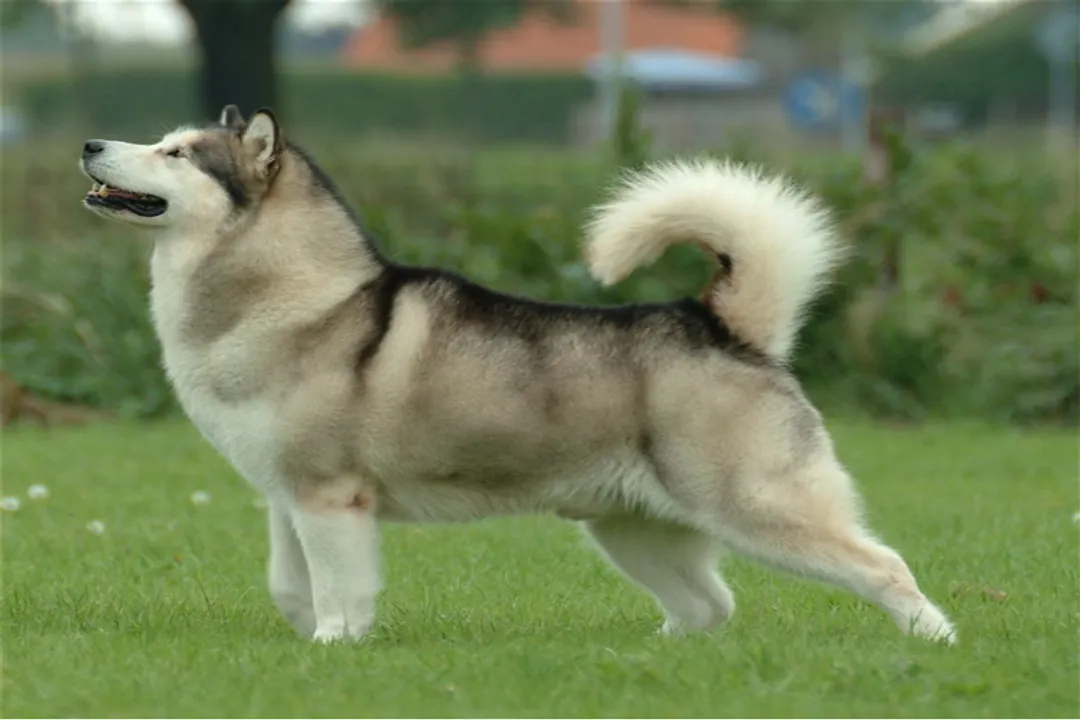
The Alaskan Malamute presents an image of noble, working power, built for endurance and strength in harsh northern environments. [1][2] They are fundamentally large, heavily built dogs, characterized by a deep chest and a muscular frame that speaks to their heritage as freight haulers rather than racers. [8][9] When assessing their physical structure, one immediately notices their substance; they possess a heavy bone structure, which contributes significantly to their imposing presence. [7]
# Size Metrics
The established breed standards reflect their working purpose, emphasizing substance over mere height. [9] For males, the typical weight range hovers around 75 to 85 pounds, with an ideal height at the shoulder of about 25 inches. [1] Females are slightly smaller, generally weighing around 70 pounds and standing approximately 23 inches tall. [1] It is worth noting that the breed standard stresses that weight should be in proportion to height and bone structure, meaning a massive, over-exaggerated dog is not desirable. [7] This balance between bulk and athleticism is key to their conformation. [9] While they are undeniably large, a dog that appears too tall or too light in bone would likely fall short of the ideal representation of the breed. [8]
# Coat Composition
Perhaps the most defining visual characteristic of the Malamute is its magnificent double coat, a necessity for surviving Arctic cold. [2][4] This coat is not meant to be soft to the touch in its entirety; rather, it consists of two distinct layers. [1] The outer coat is coarse and long, feeling somewhat harsh, while the undercoat beneath it is dense, thick, and oily, providing superb insulation. [9][1] This thick double layer sheds water and snow effectively, which is critical for a dog expected to work outdoors in severe weather. [4]
The color variations allowed in the breed are broad, encompassing everything from pure white to black, with various shades of gray, sable, or red mixed with white. [1] A common and often striking pattern involves white markings, frequently appearing on the underside, legs, chest, and often as a cap or mask on the face. [9] If you are examining a puppy or a dog in a warmer, more temperate climate, you might notice that the coat density appears less imposing than in its native environment; however, the texture—the coarse guard hairs over the thick pad of undercoat—should always be apparent. [1][4] A coat that is too soft or woolly is typically a fault according to breed guidelines. [7]
# Head Structure
The head of the Alaskan Malamute conveys intelligence and strength, never appearing delicate or refined. [7] It is broad across the skull, with the cheeks moderately full. [9] The expression conveyed by the eyes is one of kindness and benevolence, a trait that contrasts with their powerful build. [1][5]
The eyes themselves are not small; they are medium in size, set obliquely, and are typically brown. [1][7] It is important to note that blue eyes, while sometimes seen, are generally considered a fault or disqualification in the show ring, as the breed standard calls for dark eyes. [1][9] The ears are another feature that must conform to the northern type: they are medium in size, set well apart on the head, and stand erect when alert. [7] Their shape is a firm, triangular form, set relatively high on the head. [9]
The muzzle must be massive and well-formed, blending smoothly into the skull without appearing snipey or overly long. [9] The lips should fit tightly, as excessive looseness around the mouth can be detrimental to the dog’s appearance and function in freezing temperatures. [7]
# Limbs and Movement
The legs of the Malamute must be sturdy, straight, and heavily boned, supporting their considerable weight and power. [9] They possess well-muscled shoulders and well-developed chests, which are necessary for sustained pulling work. [1] The feet are large, compact, and well-arched, offering good padding for rough terrain. [9] Their toes are short and tightly fitting, forming a well-cushioned pad that helps distribute the load evenly. [7]
When observing their gait, the desired movement is a steady, powerful, and tireless trot. [1][9] The dog should move with good reach in the front and strong drive from the rear, appearing well-balanced and effortless, even when pulling a heavy load. [9] They should not paddle their feet, nor should they appear to move with a pacing or weaving motion when viewed from a distance. [7] The general impression of the movement should be one of great power in reserve, rather than speed. [8]

# Tail Set
The tail of the Alaskan Malamute is often described using evocative imagery, reflecting its functional importance. It is heavily plumed with long, thick fur and is carried up over the back when the dog is alert or moving. [1][9] The preferred carriage is often likened to a 'plume' or a 'feather duster' carried over the back. [5][9] This tail serves a practical purpose beyond aesthetics: it can be used to wrap over the nose and face while the dog is resting in extreme cold, providing extra warmth. [4] A tail that hangs down constantly, often indicating a lack of alertness or perhaps an issue with the dog's working spirit, is not characteristic of the breed standard. [9]
# Distinguishing Features Summary
When encountering an Alaskan Malamute, one should be able to immediately distinguish it from similar northern breeds, most notably the Siberian Husky, based on several key physical contrasts. While both share a powerful build, the Malamute is significantly larger and heavier-boned, built for hauling weight over distance rather than the lighter, faster pace of the Husky. [2][8]
To help visualize the distinct physical structure, a brief comparison of essential measurements can be illustrative:
| Characteristic | Alaskan Malamute (Approximate Ideal) | Siberian Husky (For Contrast) | Source Standard |
|---|---|---|---|
| Weight (Male) | 75–85 lbs | 45–60 lbs | [1][2] |
| Height (Male) | 25 inches | 20–23.5 inches | [1][2] |
| Body Type | Heavy-boned, deep chest, substantial | Medium-sized, finely conditioned | [7][8] |
| Coat Density | Very thick, harsh outer, dense undercoat | Medium length, very dense | [1][4] |
One useful heuristic for assessing a potential Malamute’s conformation is focusing on the head-to-body relationship; the head should look proportional to the substantial body, not small atop a huge frame, nor should the body look frail beneath a disproportionately large head. [7] The impression should always be one of balance, emphasizing capability and endurance. A well-conditioned Malamute should look capable of working all day, yet possess a pleasing outline that suggests refinement without delicacy. [9] This blend of immense power and natural, slightly rugged good looks is what defines their physical appearance.
Related Questions
#Citations
Alaskan Malamute - Dog Breeds
Alaskan Malamute
Alaskan Malamute - Breed Standards
Alaskan Malamute Facts
Alaskan Malamute Dog Breed: History, Health & Fun Facts
Alaskan Malamutes are large, powerful dogs with thick ...
Standard Malamute
Alaskan Malamute - All About Dogs
Breed Standard | AMCA Website