What is the history of the Swedish Elkhound?
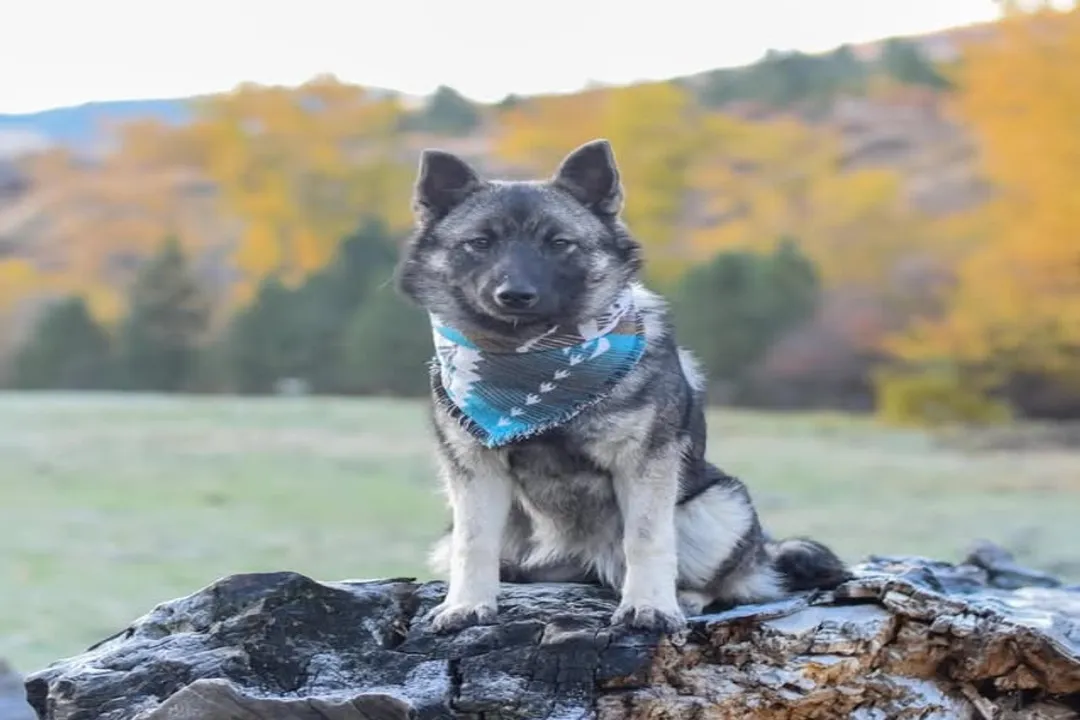
The lineage of the dog known today as the Swedish Elkhound, more formally recognized as the Jämthund, stretches back deep into the frigid forests and mountains of Northern Scandinavia. These resilient canines are part of the ancient spitz family, dogs whose very structure speaks to a life spent in close partnership with humans across harsh, unforgiving terrain. Their history is intrinsically linked to the survival of early Nordic settlers, serving not just as companions, but as vital hunting partners capable of tracking and holding large, dangerous game like moose or bear.
# Ancient Roots
The spitz dogs of Scandinavia represent some of the oldest domesticated canine types. Archaeological evidence often points to dogs sharing characteristics with the modern Elkhounds being present for thousands of years. These early dogs needed exceptional stamina, a dense, weather-resistant coat, and sharp intelligence to thrive in the environment. Their primary function, which shaped their physical build and temperament, was scent trailing and baying, skills necessary to keep formidable prey at bay until the hunter arrived. This foundational role in subsistence hunting is what cemented their place in the culture of the region.
It is interesting to consider the sheer evolutionary pressure that shaped these dogs. Living in relative isolation across the Nordic regions meant that breeding was often dictated by immediate necessity—the dog had to catch moose or it wasn't useful—rather than aesthetic standards imposed by distant clubs. This practical selection process often results in a type that is exceptionally sound in structure and temperament, as form strictly followed function.
# A Nordic Divide
While the Norwegian Elkhound holds the distinction of being the national dog of Norway, the Swedish variety, the Jämthund, developed along a parallel but distinct path in Sweden. For a significant period, the dogs were often lumped together, recognized regionally as Scandinavian Elkhounds. However, over time and across the long border, subtle differences in working style, conformation, and desired coat texture began to emerge, driven by regional hunting traditions and local preferences.
The split, leading to the formal recognition of the Jämthund as the Swedish national dog, centered on desired traits for hunting the slightly different game populations or simply regional aesthetic preferences in the late 19th and early 20th centuries. Where the Norwegian type perhaps favored a slightly more compact build for certain terrain, the Swedish Jämthund developed characteristics favored by hunters in the vast forests of Jämtland, from which it derives its name. The Jämthund is generally described as being slightly larger and having a slightly longer body than the Norwegian variety. While both share the characteristic dense double coat and a strong, independent nature, understanding this regional divergence is key to appreciating the history of both breeds.
# Standardization and Recognition
The process of formalizing the breed standard required dedicated kennel clubs to step in and officially document the desired traits, separating the Swedish type from its cousins. The formal recognition of the Jämthund as distinct from the Norwegian Elkhound cemented its separate historical narrative within organized canine structures.
In the United States, the Swedish Elkhound is recognized by the United Kennel Club (UKC). The UKC entry for the breed specifies that the Jämthund is considered the Swedish Elkhound by some kennel organizations. This naming inconsistency often causes confusion for those outside of Scandinavia. When looking at breed documentation, one might see the term "Swedish Elkhound," "Jämthund," or sometimes even "Swedish Spets," reflecting the various stages of its international acceptance.
A vital point of comparison emerges when looking at the official standards. While the general description of a northern hunting dog remains, the specific allowances for size, coat color, and head shape diverge between the Swedish and Norwegian standards, reflecting those historical, regional breeding focuses mentioned earlier. For instance, the coat color accepted for the Jämthund often includes shades of grey that might be less common or specifically excluded in the parallel standard.
| Feature | Norwegian Elkhound (General) | Swedish Elkhound (Jämthund) |
|---|---|---|
| Primary Name | Norsk Elghund Grå | Jämthund |
| Origin Region | Norway | Sweden (Jämtland) |
| General Size | Often described as slightly more compact | Often described as slightly larger/longer-bodied |
| Primary Role | Moose/Elk Hunting | Moose/Bear Hunting |
| Recognition Note | National dog of Norway | Recognized by UKC as Swedish Elkhound |
This formal documentation process, while essential for preservation, is a relatively recent development compared to the millennia the type has existed in the wild.
# Working Ethos
The history of the Jämthund is incomplete without discussing its ongoing purpose: hunting large game. These dogs are not merely statuesque beauties; they are working animals bred for endurance and a very specific, complex hunting method. They are required to track moose over long distances, sometimes for days, and upon finding the animal, they must keep it treed or cornered by barking (baying) persistently without engaging in a direct fight, thus alerting the hunter to their location.
This necessity for independent decision-making in the field speaks to the breed’s high intelligence and notorious independence. They possess a strong prey drive that requires careful management, even in a domestic setting. For a potential owner learning about the breed’s history, understanding that this independence was bred in for survival in the wilderness offers context for modern training challenges. A Jämthund will naturally want to patrol and work independently; channeling that energy into acceptable outlets, like advanced scent work or long hikes, is crucial for a happy coexistence.
# Related Nordic Lines
The story of the Swedish Elkhound cannot be told in isolation, as the Nordic spitz group has several closely related breeds that share ancestry and function. The most obvious comparison is, of course, the Norwegian Elkhound. However, another distinct line exists within Sweden: the Swedish White Elkhound.
The Swedish White Elkhound, often referred to as the Vit Elghund or Vitspets, represents a lighter-colored variation that was likely present in the general population for ages. While sharing the same fundamental spitz type and hunting background, this color variant was developed and registered as a separate breed in Sweden. This highlights how specific regional preferences—in this case, favoring a white dog—could lead to the separation of an entire subset of the ancient stock, even when their functional capabilities remained largely identical to the grey Jämthund. This suggests that visual distinction, sometimes more than working divergence, prompted formal separation in some Nordic breeds.
The genetic heritage of these dogs is clearly shared, as DNA testing confirms their close relationship within the Northern Spitz group. The Jämthund is fundamentally a breed that thrived by adapting perfectly to its specific ecosystem and the demands of its human partners across the centuries. Their continued presence, both in the Swedish forests and in kennels worldwide, is a testament to their historical utility and enduring character. The journey from the prehistoric camps of the north to modern kennel clubs demonstrates a remarkable consistency in their core nature, even as their name and registration papers have changed over time.
# Preserving the Working Type
Modern kennel clubs and dedicated breeders face the continuous challenge of maintaining the breed’s functional heritage while adhering to formal standards. The emphasis on the dog's ability to hunt large game remains a cornerstone of the Swedish Elkhound identity, distinguishing it from breeds developed purely for companionship or show. If a breed is primarily preserved by working lines, the character traits—the drive, the voice, the tracking instinct—must be prioritized as much as coat length or ear set.
For breeders, this historical context implies a commitment to health and structure that supports extreme endurance. A dog required to follow a scent trail for hours in deep snow or rugged terrain needs sound hips, strong lungs, and excellent cardiovascular fitness. While official health testing protocols provide guidance, the original history implicitly demands a functional standard above all else. It is a quiet responsibility carried by those who keep the Jämthund true to its roots—ensuring the next generation can perform the ancient task of holding a moose at bay, should the need arise.


#Videos
Swedish Elkhound Breed Profile History - Price - Traits - YouTube
Related Questions
#Citations
Jamthund Breed History - Swedish Elkhound
Jämthund - Wikipedia
Trivia: The Elkhound is the national breed of Norway, and until it was ...
Breed Standards : Swedish Elkhound | United Kennel Club (UKC)
Swedish Elkhound Dog Breed | Information | Characteristics
Swedish White Elkhound
Swedish Elkhound Breed Profile History - Price - Traits - YouTube
Jamthund - Dog breed genetic test