Do Swedish Vallhunds need a lot of space?
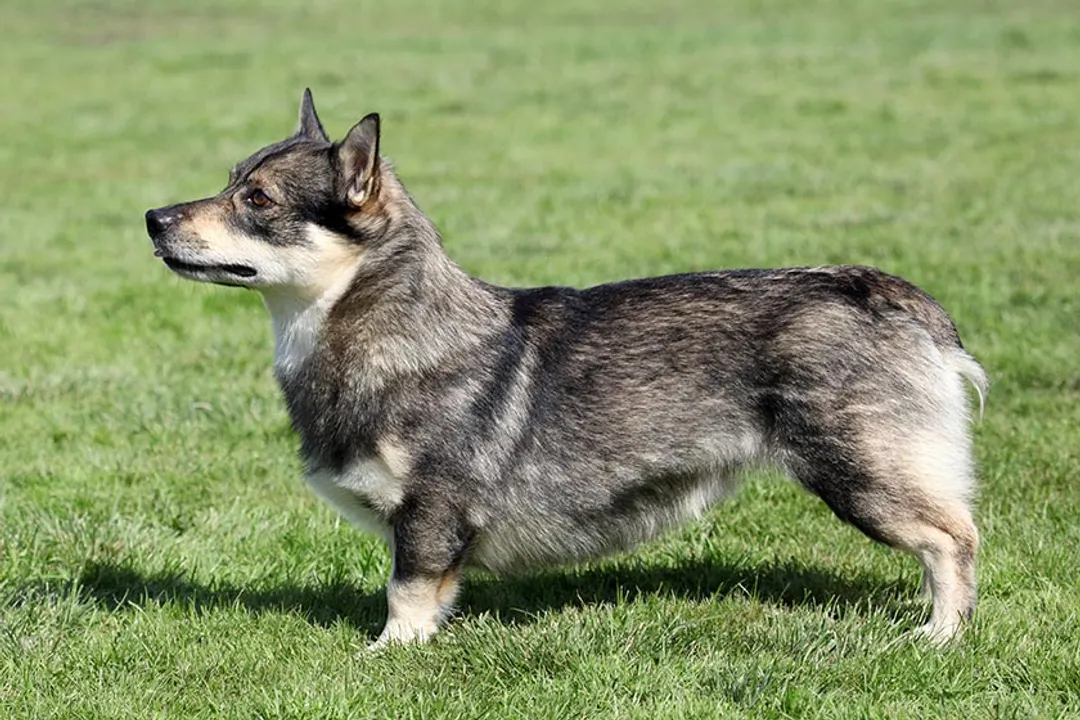
The reality of housing a Swedish Vallhund is less about the acreage you own and far more about the commitment you make to daily activity. These dogs, originating from the pastures of Sweden, possess the drive of a much larger farm dog packed into a relatively small frame, which can lead many prospective owners to ask exactly how much room these spirited little creatures require to thrive. [5][6]
# Size reality
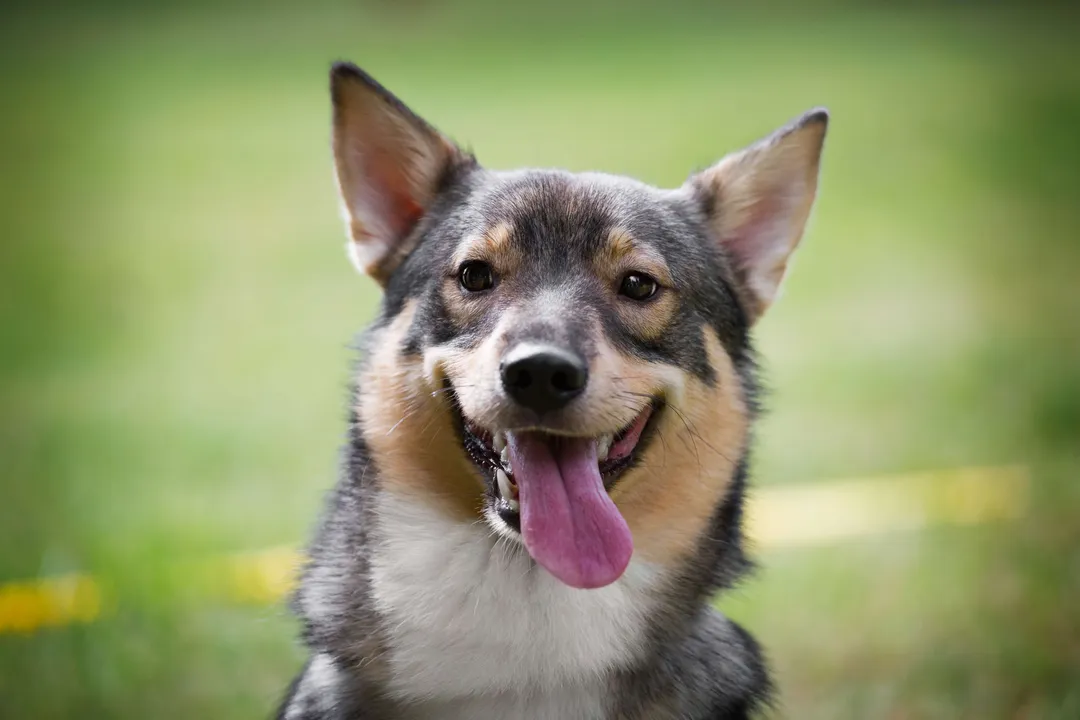
At first glance, the Vallhund seems easily manageable in terms of physical footprint. They typically stand between 10 and 15 inches at the shoulder and weigh between 20 and 30 pounds. [6][9] This size places them squarely in the small to medium category, suggesting they might be ideal for apartment living or smaller homes, which aligns with the fact that they are often described as adaptable. [5] However, comparing their physical stature to their energy output is like comparing the size of a sports car engine to the size of the car itself—the power housed within is disproportionate to the exterior dimensions. [1] They are known for being active, intelligent, and playful dogs bred for herding cattle, a job that demands stamina and constant engagement. [1][5][6]
# Energy versus enclosure
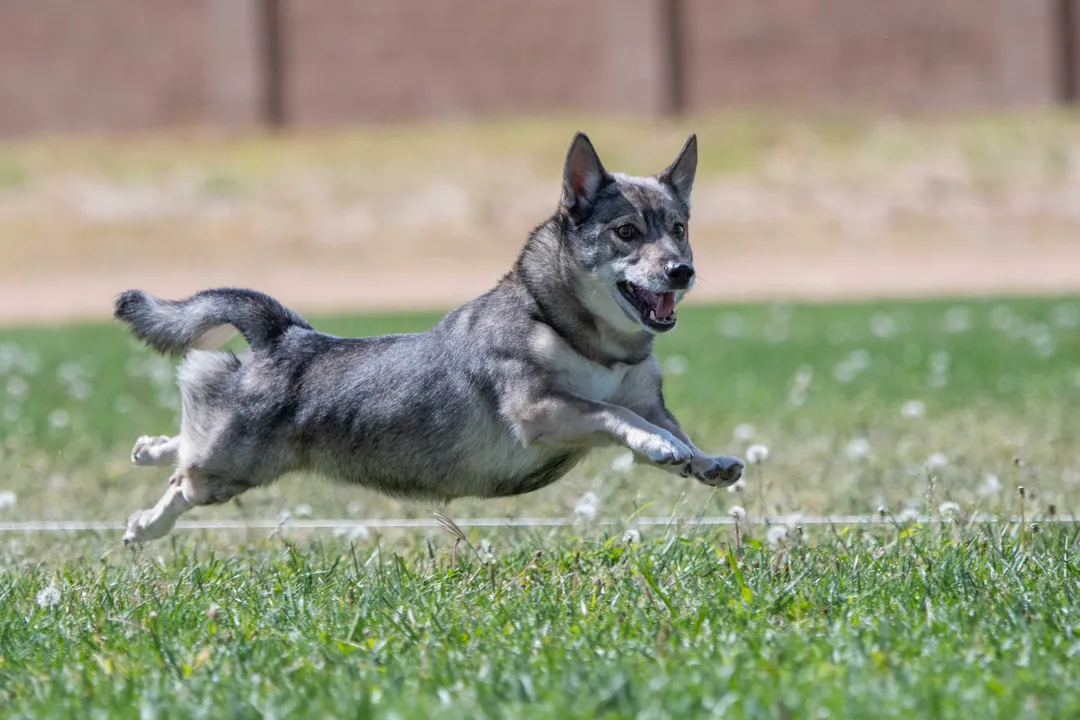
The misconception often arises that a large backyard equates to sufficient space for a high-energy breed. While a secure yard offers an excellent outlet for immediate needs and spontaneous bursts of play, it is crucial to understand that passive time in the yard rarely suffices for a Swedish Vallhund. [1] These dogs need consistent, directed physical exercise every day to maintain both physical and mental equilibrium. [5][6] If the yard is just a place for them to wander alone, they will likely find other, less desirable ways to expend their energy, such as excessive barking or digging. [1]
For a Vallhund, "space" translates directly into "opportunity for movement and work." A medium-sized property with a dedicated owner who engages the dog in rigorous walks, running sessions, or activities like agility training will meet their physical needs far better than a sprawling, unused estate where the dog is merely left to its own devices. [1] Think of it this way: the fence line defines where they can go, but dedicated owner interaction defines how much energy they burn. [5]
# Apartment adaptation
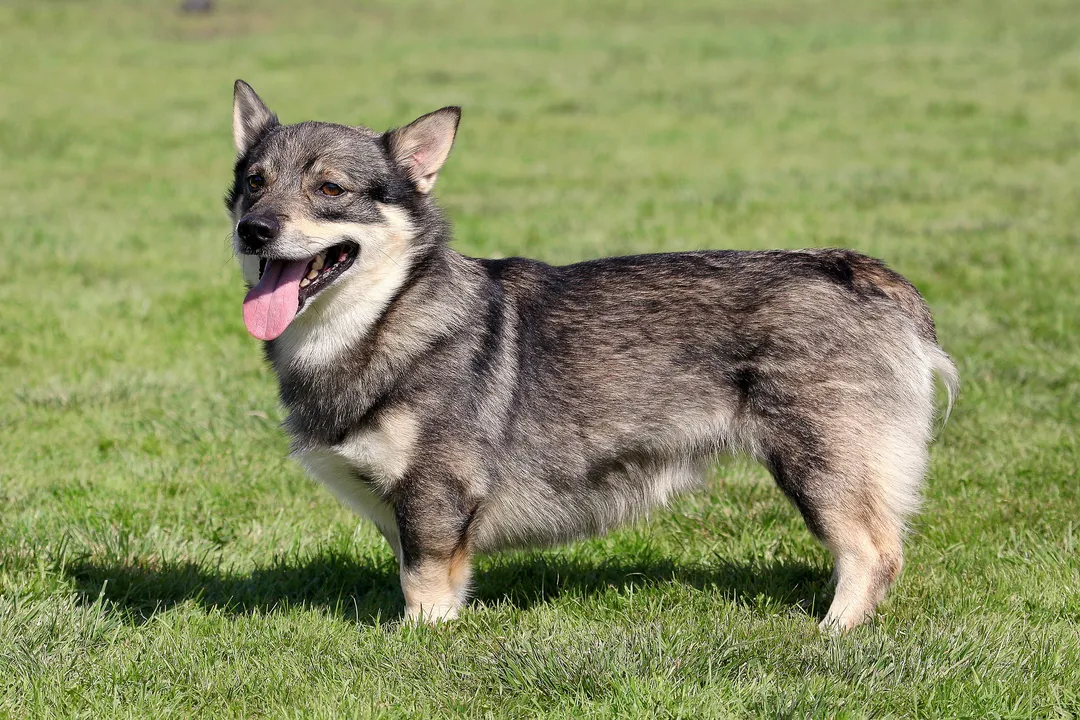
Given their moderate size, many sources confirm that the Swedish Vallhund can adapt successfully to apartment living. [1][5] This adaptability is a testament to their bond with their owners and their desire to be near their people. In a smaller setting, however, the owner's responsibility to substitute a yard with high-quality exercise ramps up significantly. [1]
If you live in a high-rise or a compact home, you must be prepared to commit to a structured daily routine. This generally means at least one, preferably two, brisk walks or runs that truly tire them out, supplementing this with interactive play indoors. [5] The trade-off for indoor living is a higher required input of owner time dedicated solely to meeting the dog’s activity quota. [1] A dog that is properly exercised and mentally engaged will be calmer and quieter indoors, irrespective of the square footage available to them. [1][5]
One way to gauge suitability for smaller spaces involves assessing engagement density. Instead of calculating square footage, consider the density of focused activity you can provide. A small apartment where the dog receives two structured 30-minute training sessions—using puzzle toys, teaching new tricks, or practicing obedience commands—might satisfy the dog's inherent need for mental work more completely than a large, unfenced area where the dog simply paces for an hour. [1] The quality of mental stimulation often mitigates the quantity of physical area available for running.
# Mental territory
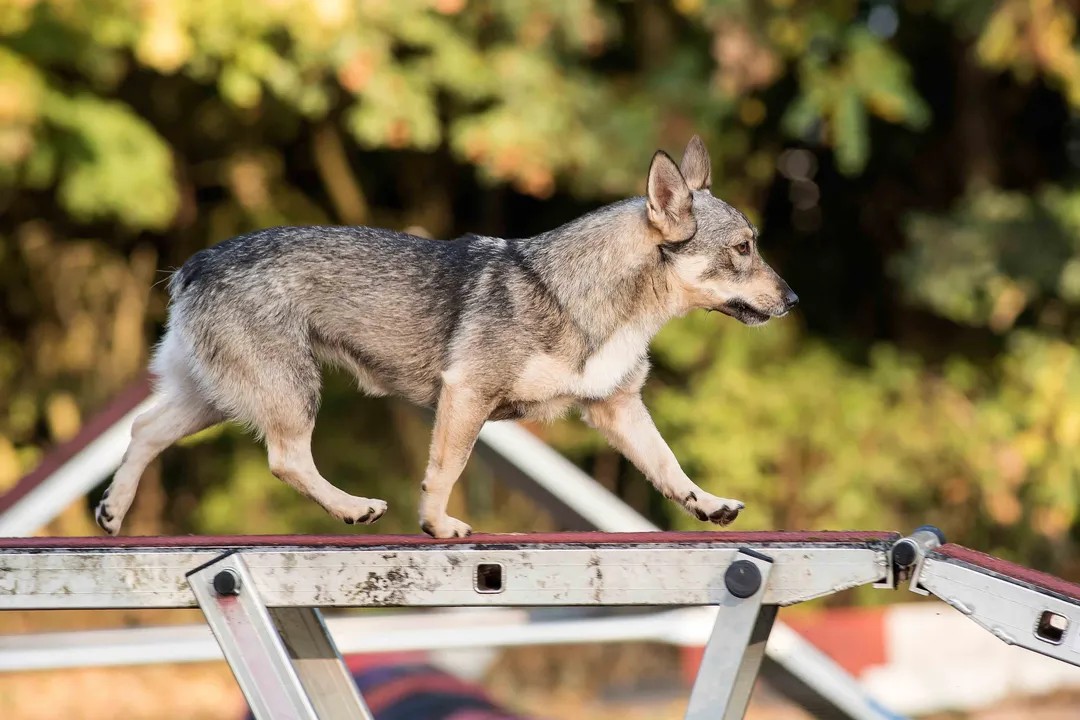
Because the Vallhund is an intelligent herding breed, their need for mental territory is as critical as their need for physical space. [5] Their minds are always working, seeking a job to do. When the job is not provided by the owner through training or play, the dog will assign itself a job, which usually manifests as unwanted behaviors. [1]
Boredom is the greatest enemy of the confined Vallhund. This is where the concept of space becomes nuanced. If a dog is mentally stimulated, the physical space required shrinks, as their attention is focused on the owner or a challenging toy rather than on surveying the perceived boundaries of their confinement. This mental fatigue is a powerful tool for managing high-energy breeds in smaller living situations. [1]
# Confinement and behavior
The potential for separation anxiety is a noted concern for some Vallhund owners. [3] While this isn't strictly about the size of the physical space, it relates heavily to how the dog perceives being confined or separated from its social unit. A dog prone to anxiety may struggle whether it is confined to a small apartment or a large house if it feels isolated or if its need for bonding and activity isn't met during the day. [3] Consistent, dedicated exercise helps build confidence, making the dog more secure when left alone, regardless of the size of the space they are left in. If a dog feels its physical and mental needs have been met before you depart, they are far less likely to exhibit destructive behaviors stemming from pent-up energy or stress related to confinement. [1]
# Owner preparation checklist
Before deciding if your current living arrangement provides enough space, it might be useful to conduct a personal "Space Audit" based on the breed's needs rather than just the size of your home. This moves the focus from property dimensions to owner capacity for management. [1][5]
Ask yourself these questions:
- Time Commitment: Can I reliably commit to 60 to 90 minutes of focused, brisk activity (walking, running, structured play) every single day, regardless of weather?[5]
- Mental Input: Am I prepared to dedicate at least 15 to 20 minutes daily to training, puzzle toys, or interactive games that challenge their herding intelligence?[1]
- Adaptability: If I live in an apartment, do I have access to safe, open areas (parks, fields) for weekend trips or do I rely solely on leashed walks?[1]
- Breed Temperament: Do I understand that even with proper exercise, an intact Vallhund may have tendencies to roam or herd, requiring secure containment when outdoors?[9]
If the answers to the time and mental input questions are a firm "yes," then the physical size of your dwelling becomes a secondary concern, provided you can safely manage their outdoor excursions. [1][5] If the answers lean toward "maybe" or "no," then even a large rural property might prove insufficient, as the dog will still lack the necessary daily structure and engagement that defines a well-suited environment for this breed. [1] Ultimately, the Swedish Vallhund needs space to move and space to think, and the owner is responsible for providing both, whether that space is inside or out. [1][5]
Related Questions
#Citations
Understanding Swedish Vallhund Temperament: A Complete Guide ...
Swedish Vallhund Breed: Characteristics, Care & Photos | Chewy
Help with Swedish Vallhund Separation Anxiety and Night Barking
Swedish Vallhund Dog Breed Health and Care - PetMD
Exploring the Swedish Vallhund: A Comprehensive Guide to the ...
Swedish Vallhund Dog Breed & Adoption Information - Petfinder
Swedish Vallhund Breed Guide | Petbarn
Swedish Vallhund Breed Profile: Things to Know Before Adopting
Swedish Vallhund Facts For Kids | AstroSafe Search - DIY.org