What is the history of the Yorkiepoo?
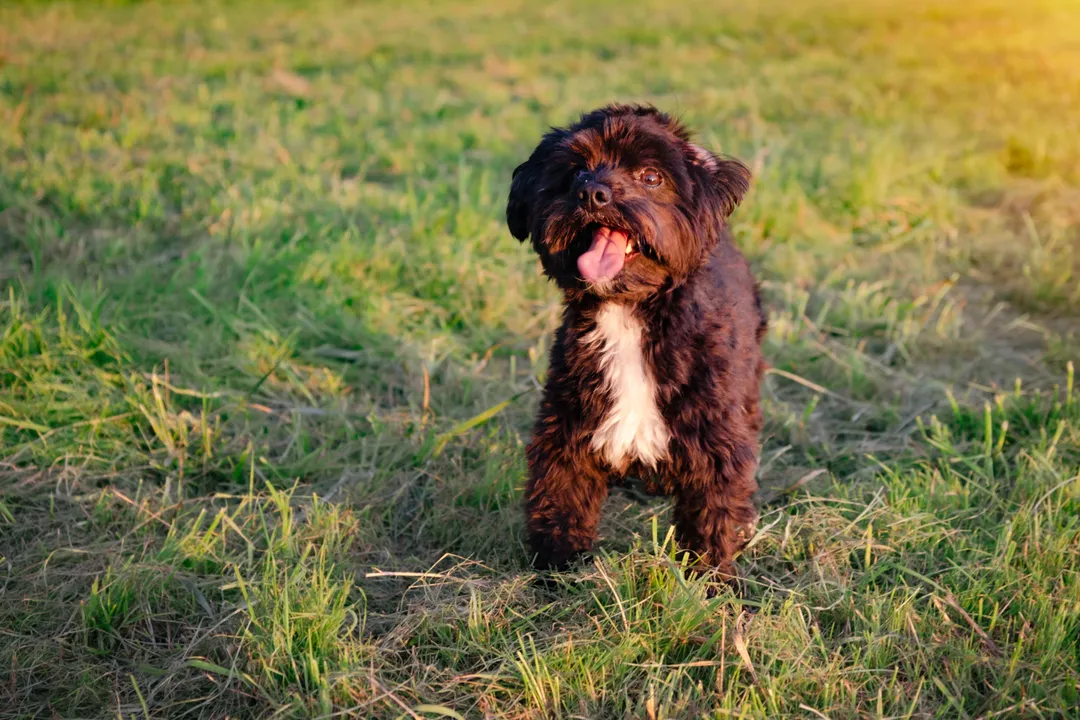
The very existence of the Yorkiepoo, or Yorkipoo, is a story rooted in the intersection of deep working-dog heritage and modern companion-animal aesthetics. While it seems like a dog that has always been around, the truth is that this pint-sized hybrid is a relatively newcomer to the canine world, a product of the contemporary phenomenon known as the "designer dog" movement. Its timeline is not measured in centuries, but in decades, making its history fundamentally different from that of its highly established parent breeds.
# Ancient Roots Parent Breeds
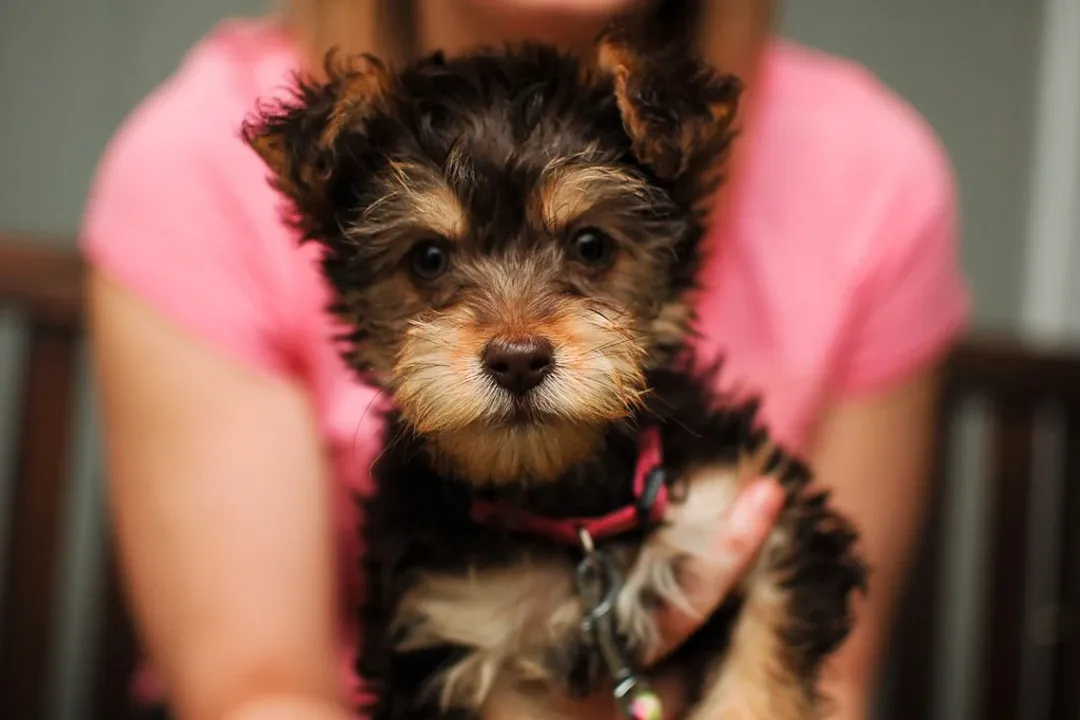
To truly chart the history of the Yorkiepoo, one must first trace the ancestry of the Yorkshire Terrier and the Poodle, both of which boast histories stretching back through the working and noble classes of Europe.
The Yorkshire Terrier lineage begins in the mid-1800s in the county of Yorkshire, England. These dogs were not bred for laps or fashion; they were the tools of Scottish weavers who migrated to the north of England. In the often-grimy environments of textile mills and coal mines, the Yorkie’s small size was a distinct advantage, making them exceptionally effective at hunting and dispatching rats and other persistent vermin. This necessitated a dog with the feistiness, alertness, and tenacity of a true terrier, traits that remain evident in the modern Yorkiepoo’s personality. Fortunately for the breed, their charming appearance and lively nature soon won over a different demographic. By 1886, the Kennel Club in England recognized the breed, and they quickly transitioned from the factory floor to the drawing rooms of English ladies, cementing their reputation as treasured lapdogs.
The Poodle possesses an even deeper and more diverse historical narrative, originating in medieval Germany, where they were known as water retrieving dogs. Their name is believed to derive from the German word pudelin, meaning "to splash in the water". The iconic, often elaborate Poodle clip—the shaved legs and tail with puffs of hair left at the joints and chest—was not initially a fashion statement but a functional necessity. These carefully placed "pom-poms" served to insulate vital organs and joints from the cold water while allowing the dog maximum ease of movement during their retrieving duties. As the breed moved from working duties in Germany to France, they evolved into elegant companions, leading to the development and popularity of the smaller Toy and Miniature varieties we see today.
# The Designer Dog Era
The story of the mix itself is distinctly modern and American. The Yorkiepoo emerged as part of the broader trend of creating designer dogs that gained significant traction in the 1990s and early 2000s. This movement was driven by breeders intentionally pairing two recognized purebreds to create a hybrid dog that would, ideally, combine the most desirable characteristics of both parents into a single, attractive package.
The goal for the Yorkiepoo was specific: to blend the Yorkie’s confidence, loyalty, and alertness with the Poodle’s renowned intelligence and its highly valued low-shedding coat. This deliberate combination resulted in a small companion dog suited for various living situations, even smaller apartments. It is crucial to recognize that this pairing was purposeful, unlike accidental matings between breeds that occasionally occurred throughout history.
This relatively recent arrival of the Yorkiepoo highlights a significant shift in dog breeding priorities over the last few decades. While the parent breeds were developed out of necessity—rat control or water retrieval—the Yorkiepoo was bred specifically for companionship, manageability, and aesthetic appeal in a modern, often urban, setting. This recent creation explains why data on the breed’s long-term health trends or behavioral stability is less extensive compared to breeds with centuries of established documentation. The inherent variability in appearance and temperament is a direct consequence of this rapid development, as puppies can favor either parent breed heavily or present a true blend of both.
It is interesting to consider the Poodle’s influence as a historical driver in this new wave of hybridization. Following World War II, and accelerating in the late 20th century, breeders began actively using Poodles in crossbreeding programs—think Goldendoodles, Cockapoos, and others—primarily to introduce that low-shedding trait that is so appealing to allergy sufferers and neat-keeping owners. The Yorkiepoo fits neatly into this lineage, essentially continuing the objective set by Poodle mixes earlier in the designer dog boom: delivering a low-allergen coat in a small, cheerful package.
# Variations in Early Development
Another layer of complexity in the Yorkiepoo's early history relates to the Poodle parent used in the initial cross. While the Toy Poodle is the most common partner, some breeders chose the slightly larger Miniature Poodle. This choice directly impacts the resulting size of the Yorkiepoo litter. A Yorkie (typically 7–8 pounds) crossed with a Toy Poodle might yield a dog in the 3-to-10-pound range, whereas a cross involving a Miniature Poodle (which can weigh 10–15 pounds) results in a dog that reaches the higher end of the breed’s potential weight and height spectrum. This early variation in breeding practices meant that even the standard for the new hybrid was somewhat fluid, though the trend has leaned toward the smaller companion size.
# The Legacy Carried Forward
Because the Yorkiepoo is a blend, its immediate history upon creation involves inheriting the traits—and potential health concerns—from its ancestral lines. The breeders were aiming to dilute or eliminate inherited health issues found in purebreds, especially in a first cross (F1 generation), but this benefit is never guaranteed. Therefore, understanding the history of the Yorkiepoo means understanding that they carry forward the genetic memory of ratters and water dogs, even if their modern role is purely domestic.
For instance, the high intelligence seen in the Yorkiepoo is a direct, sought-after inheritance from the Poodle’s working background, often making them quick studies in obedience and tricks. Conversely, the terrier's spirited nature and occasional stubbornness come from the Yorkie side, adding a layer of complexity to their training that an owner must respect, even as they enjoy the dog’s devoted companionship. The development of this specific hybrid, though recent, is thus a story about packaging centuries of function into a single, modern companion designed for affection and adaptability. Their history, brief as it is, demonstrates a clear consumer desire for low-shedding, trainable, small dogs that form intense bonds with their families.
Related Questions
#Citations
Yorkiepoo Dogs: Fun Facts, History and How To Get One - Rover.com
Yorkie Poo Essentials: Complete Owners Guide - Rubyloo
Yorkiepoo: Dog Breed Characteristics & Care - The Spruce Pets
Yorkipoo Dog Breed Information - Purina Arabia