What were Elkhounds originally bred for?
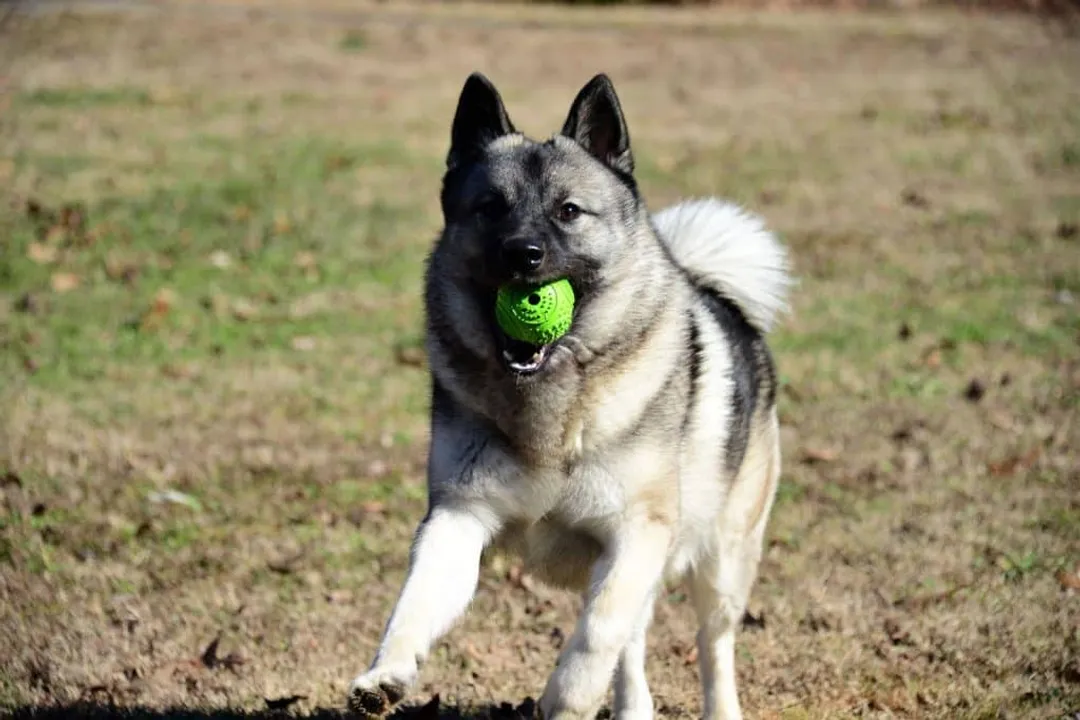
The origins of the Norwegian Elkhound stretch back millennia, placing this distinctive Spitz-type dog among the most ancient canine breeds still in existence today. [1][2][5] Their lineage is deeply entwined with the early Norse people and the harsh, unforgiving environment of the Scandinavian wilderness. These were not initially companion animals kept for leisure; they were essential partners whose survival depended on their specific, highly specialized skill set developed over countless generations of natural selection. [5] To understand what the Elkhounds were bred for is to understand the necessities of life in Viking-era Norway.
# Norse Hunting Line
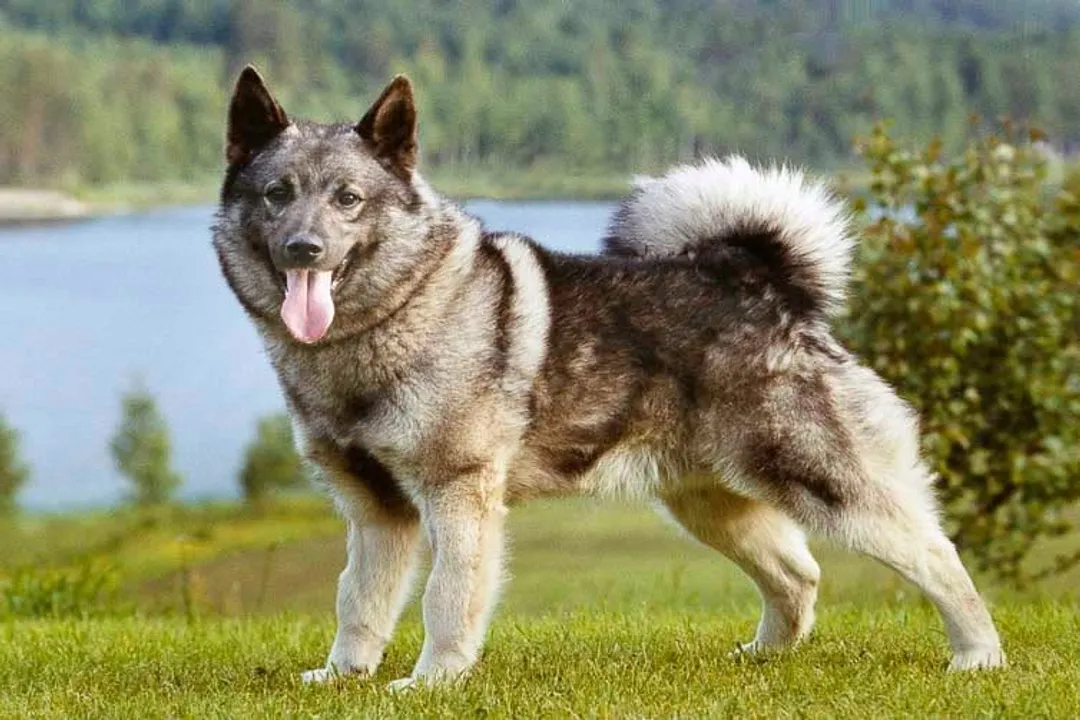
The Elkhound's history precedes written records, but archaeological findings confirm their presence alongside the Norse tribes long ago. [2][5] The breed is closely associated with the Vikings, who relied on dogs for protection and sustenance in their travels and settlements. [5] These dogs needed to be hardy, intelligent, and capable of operating independently in severe weather conditions and treacherous terrain. [2] Their genetic makeup reflects this need for resilience, producing a dog built for stamina rather than short bursts of speed. [2]
The very name of the breed points directly to its primary historical function. In Norwegian, the breed is known as Norsk Elghund Grå, which translates directly to Norwegian Elk Dog, Grey. [1] In the context of Scandinavia, "elk" refers to what North Americans generally call a moose (Alces alces), a formidable and massive animal. [1][5]
# Elk Specific Work
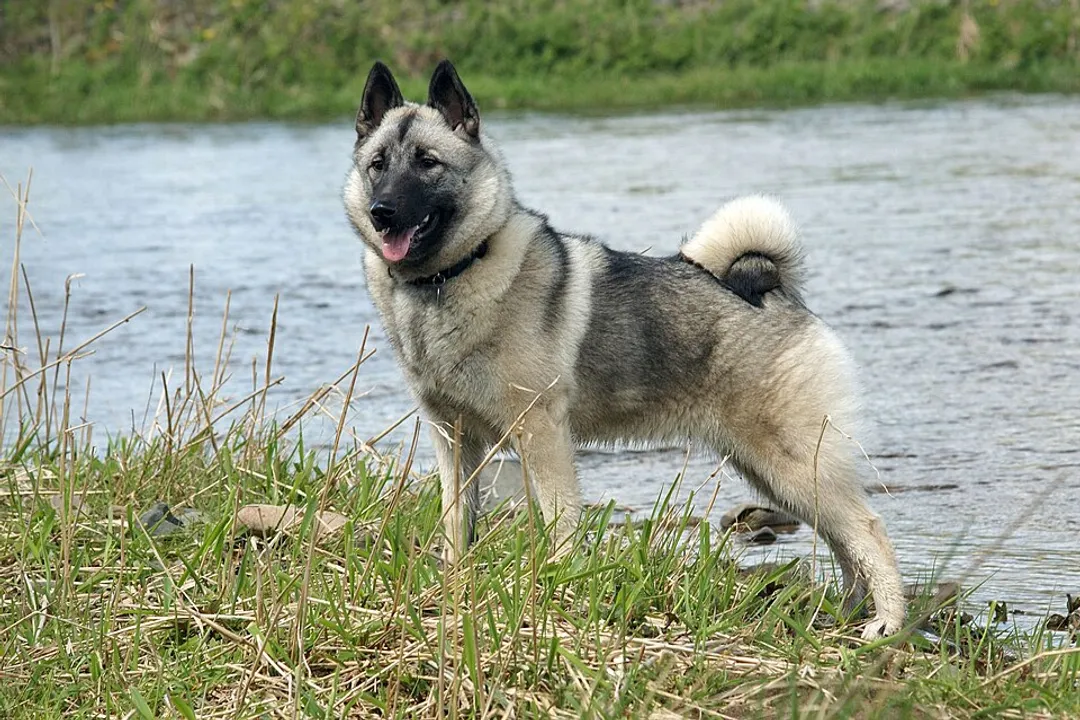
The core purpose for which the Elkhound was developed was the hunting of large game, chief among them the moose, but also bears and wolves. [1][2][5] This required a dog that possessed immense bravery, as confronting animals many times their size demanded courage bordering on recklessness. [2][5]
It is important to differentiate the Elkhound’s role from that of a modern retriever or a trailing hound that directly engages prey. The Elkhound’s job was fundamentally one of location, tracking, and distraction. [2] They were expected to run ahead of the hunter, use their keen sense of smell to locate the moose, and then initiate contact. [2]
When tracking game across the snowy, rugged landscape, the Elkhound needed impeccable stamina. They were designed to cover great distances over broken ground, a necessity when dealing with migratory or wary quarry that might flee far from the hunting party. [2]
# Holding Prey Off
The technique employed by the Elkhound sets it apart from many other hunting breeds. Once the dog located the moose—perhaps hiding in dense forest cover or bedding down—the Elkhound would position itself where it could be seen by the game. [2] It would then begin to bark vigorously, often circling the animal to keep its attention fixed on the dog. [2] This action is known as "holding at bay."
The goal was never to injure or bring the large animal down themselves. Instead, the dog served as a living, noisy anchor, keeping the massive, dangerous animal distracted and relatively stationary until the human hunter could arrive safely to make the kill. [2] A successful Elkhound hunt depended entirely on the dog’s ability to hold the large animal’s focus through relentless, provocative barking while maintaining a safe distance—usually just out of reach of the animal's antlers or hooves. [2] This required an exceptional combination of territorial boldness and self-preservation instincts. If the dog allowed the moose to simply walk away, the hunt failed; if it got too close, the dog risked severe injury or death. [2] This delicate balance between aggression and caution is perhaps the most defining characteristic molded by their original breeding purpose.
While specialized for elk, their inherent traits—bravery, stamina, and alerting ability—made them useful against other threats as well. They were employed to keep predators like wolves and bears occupied and visible until the farmer or hunter could deal with them. [1][5]
# Wider Duties
Beyond the thrill of the hunt for large game, the Elkhound’s utility ensured its place in the Viking home and farmstead. [5] Their original breeding environment was one where resources were scarce, and every animal needed to pull its weight across multiple domains. [5]
The dog’s intelligence and intimidating bark were utilized for guarding property, livestock, and the family itself. [1][5] This generalized guardian role meant they needed to be alert and territorial, traits that remain strong in the breed today. They were expected to live closely with the family unit while remaining suspicious of strangers or threats approaching the homestead. [5] This dual nature—loyal and loving within the trusted circle, yet wary and brave on guard duty—is a direct legacy of their history as all-purpose Norse farm dogs. [5]
The nature of their traditional work—tracking silently, then barking loudly at a distance—suggests a historical relationship with their handlers that valued intelligent decision-making. In the cold, vast spaces of Norway, a handler could not constantly direct the dog with voice commands over long distances or in heavy wind; the dog needed the authority to assess a situation (like locating a hidden moose) and execute the agreed-upon plan until the master could catch up. [4] This historical requirement for independent action might manifest today in a tendency toward stubbornness or a strong will, as the dog is accustomed to being the final arbiter of certain situations until a human intervenes. [4]

# Built for Cold
The physical characteristics of the Norwegian Elkhound are inseparable from their original job description in a subarctic climate. Their appearance, characterized by the thick, harsh outer coat and the soft, dense undercoat, is a direct adaptation to the extreme cold and snow of their homeland. [2][9] This double coat provides insulation and helps repel moisture, allowing them to work tirelessly in winter conditions where lesser-coated dogs would quickly suffer from exposure. [2]
Other key physical traits include:
- Compact Body: A muscular, sturdy frame built for endurance over rough ground. [2]
- Curled Tail: This trait, common among Spitz breeds, is often kept tight over the back, serving the dual purpose of balance and keeping the tail warm against the body when curled up to sleep or while resting in the snow. [2]
- High Energy Needs: Even if not hunting moose, the breed retains the high metabolism and stamina required for hours of tracking and holding game. [2]
It is interesting to consider how closely the Elkhound’s modern presentation aligns with its ancient function. Unlike breeds selectively developed for show standards where extreme features sometimes compromise function, the Elkhound has maintained remarkable fidelity to its working structure. The current breed standard, whether emphasizing a particular length of leg or coat texture, largely reflects the physical necessities of a dog that had to outlast a moose in a Norwegian winter. The breed's historical survival was tied to its utility, a condition that often preserves true working conformation better than purely aesthetic breeding goals. [9]
# Modern Role Shift
Today, the Norwegian Elkhound is rarely required to face down a charging moose or bear on a daily basis, thankfully. [1] While some dedicated hunters still use them for their intended purpose, the vast majority of Elkhounds live as family pets. [1][9]
This shift in environment necessitates a translation of their inherent traits. The guardian instinct translates into being an excellent, albeit sometimes reserved, family protector. [1] The high energy level means that simply walking on a leash once a day is insufficient; these dogs require significant physical and mental stimulation to remain happy and well-adjusted. [9] Owners today must consciously provide outlets for the instincts bred into them—whether through serious hiking, canine sports like agility or weight pulling, or structured training sessions that satisfy their need to problem-solve and work alongside their human partner. [9]
The bravery required to face a moose translates into a confident, sometimes willful, personality. They are intelligent dogs, but their intelligence was historically applied to independent problem-solving in the wilderness, not necessarily eager-to-please obedience in a suburban living room. Understanding that their original purpose was partnership in survival—not servitude—is key to successfully integrating a Norwegian Elkhound into contemporary life. They thrive when they feel they have a meaningful job to do alongside their family. [4][1]:: [2][3]:: [4][5]:: [6][7]:: : [8][9]
Related Questions
#Citations
Norwegian Elkhound - Wikipedia
Norwegian Elkhound History: Where the Breed Originated
The Norwegian Elkhound is one of Norway's most cherished and ...
Ancient Swedish Elkhounds - Kamia Kennels
Viking Dog: The Norwegian Elkhound - Sons of Norway
History - Greater Milwaukee Norwegian Elkhound Association
Norwegian Elkhound Dog Breed Guide | Traits & Care Tips
Norwegian Elkhound - Breed Info – Four Paws Animal Hospital
Norwegian Elkhound Dog Breed Facts & Information - Rover.com