How big was the biggest bug in history?
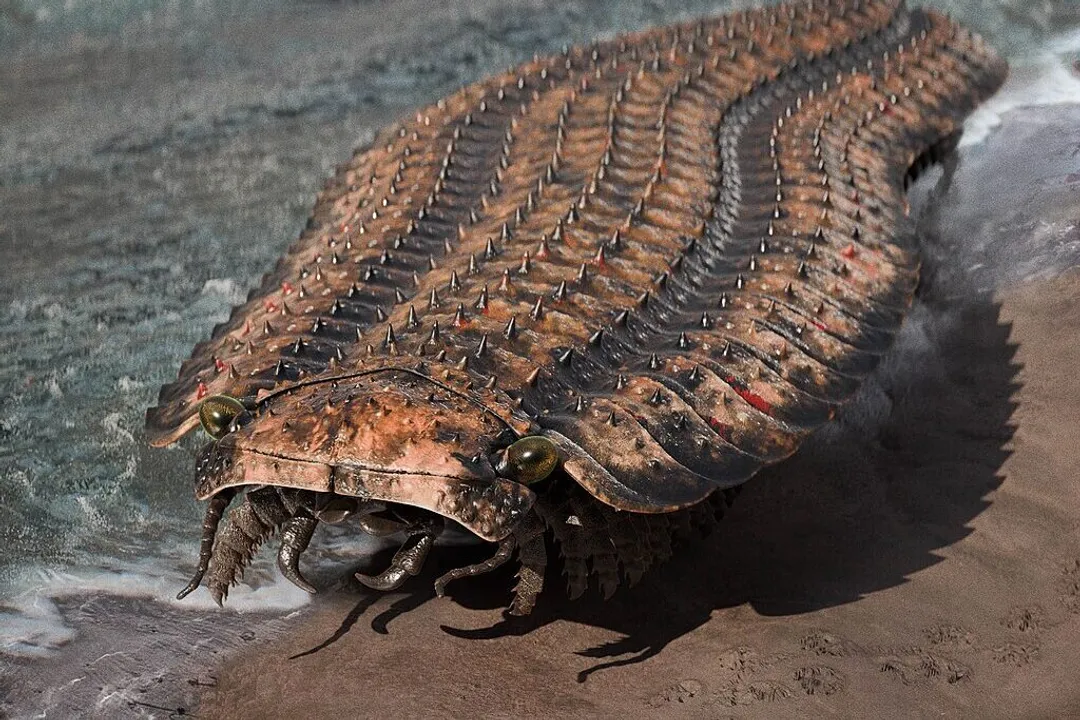
The sheer scale of life that once dominated Earth can be difficult to grasp, especially when looking back at the largest invertebrates that ever crawled, flew, or swam across the planet. Determining the absolute "biggest bug" hinges slightly on definition, as the largest known insect is distinct from the largest extinct arthropod—a broader group that includes insects, spiders, and millipedes. [3][7] Nevertheless, the contenders for prehistoric supremacy were astounding, easily dwarfing any creature we see today. [1][6]
# Biggest Insect
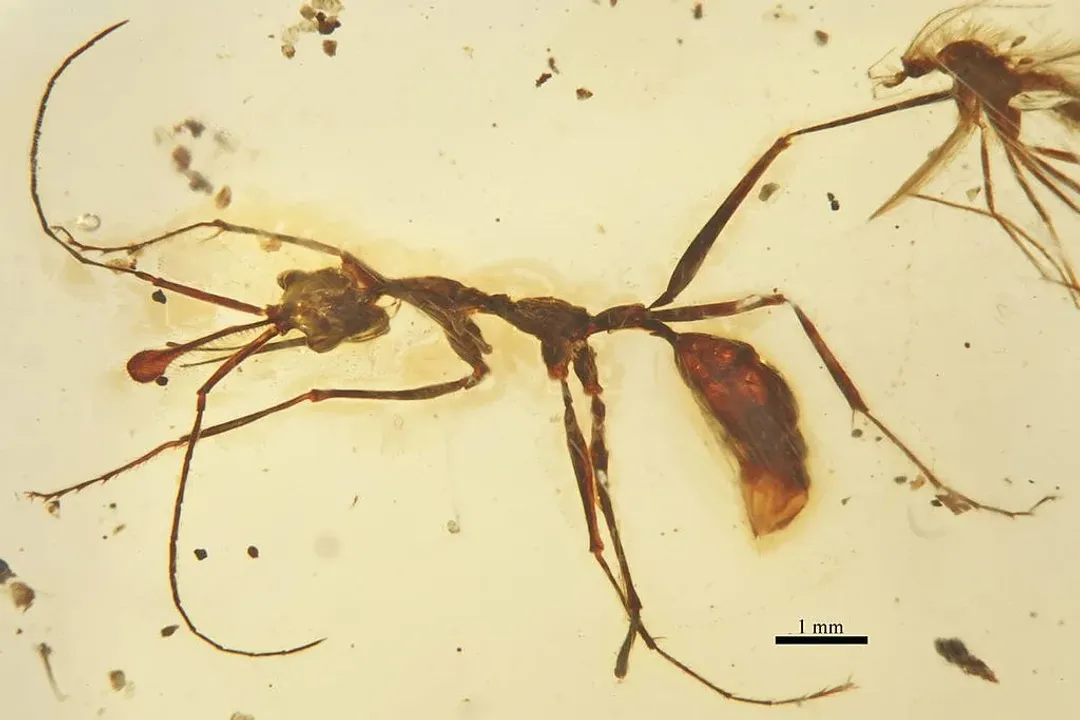
When strictly discussing creatures belonging to the class Insecta, the title belongs to the magnificent, extinct Meganeuropsis permiana. [9] This creature, which dominated the skies during the Permian period, was a relative of the modern dragonfly, belonging to an extinct group known as meganeurids. [9] Its most breathtaking dimension was its wingspan, which reached an astonishing 71 centimeters, or about 28 inches. [9][5] To put that into perspective, this wingspan is nearly as wide as a standard acoustic guitar body from tip to tip, or about two-thirds of the height of an average adult human. [9]
This ancient flyer was a formidable predator, likely feeding on smaller insects and perhaps even early amphibians. [5][9] Its fossil record confirms a world where the mechanics of flight and respiration allowed for sizes that would be impossible for its modern descendants to attain. [1] While related to dragonflies, which are adept aerial hunters today, Meganeuropsis represented the extreme upper limit of insect body size under those ancient atmospheric conditions. [9]
# Oxygen Limits
The primary scientific consensus for why these titans existed, and why they no longer do, centers squarely on atmospheric composition, specifically the concentration of oxygen. [1][6] Modern insects, including dragonflies and beetles, do not possess lungs like vertebrates. Instead, they rely on a passive diffusion system using a network of tubes called tracheae that branch into smaller tracheoles, delivering oxygen directly to their tissues. [1]
This system is incredibly efficient for small bodies, but it has a fundamental limit based on diffusion distance; oxygen cannot travel far enough or fast enough to support the metabolism of a very large body mass. [1] During the Carboniferous and early Permian periods, atmospheric oxygen levels were significantly higher—perhaps as high as 30% or more, compared to the 21% we breathe today. [1][6] This super-oxygenated environment meant that the tracheal system could adequately supply the necessary gas exchange to support the massive musculature required to power wings spanning 28 inches. [1][5] Once oxygen levels dropped, the biomechanical constraints of their respiratory system rapidly pushed the maximum viable size for insects downward, leading to the smaller forms we are familiar with now. [1]
# Giant Arthropod
If we broaden the scope beyond the strict definition of Insecta to include all arthropods, another massive creature enters the discussion: Arthropleura. [7] This creature was not a bug in the modern sense but rather a giant, armored millipede relative that flourished during the Carboniferous period, before the age of the largest dragonflies. [7][8]
The scale of Arthropleura challenges our modern perception of ground-dwelling invertebrates. While the largest known insect stretched about 28 inches across the wings, Arthropleura is estimated to have reached lengths of up to 2.6 meters, or about 8.5 feet. [7] Some contemporary reports have informally compared this staggering length to that of a small car. [8] Unlike the aerial Meganeuropsis, Arthropleura was a terrestrial herbivore, likely feeding on swamp vegetation. [7]
While Meganeuropsis held the record for flying creatures, the sheer mass and length of Arthropleura place it firmly in the running for the biggest invertebrate overall. [7][9] Its existence suggests an ecosystem robust enough not only to supply enough plant matter for such a large herbivore but also to support the necessary environmental conditions for its large, segmented body to function effectively on land. [7]
| Creature | Group | Period | Estimated Max Size |
|---|---|---|---|
| Meganeuropsis permiana | Insect (Meganuerid) | Permian | 71 cm (28 in) wingspan [9] |
| Arthropleura | Arthropod (Millipede relative) | Carboniferous | 2.6 m (8.5 ft) length [7] |
| Goliath Beetle | Insect | Modern | Heaviest insect [3] |
# Modern Comparison
The contrast between these prehistoric behemoths and the largest arthropods alive today highlights the drastic shift in planetary ecology. [3] Today’s largest insects are measured more by mass or wingspan in the modern context. For sheer mass, the Goliath beetle from Africa is often cited as the world's heaviest insect. [3] In terms of wingspan among flying insects, the Queen Alexandra's Birdwing butterfly holds the record, though its span rarely exceeds 31 cm (12 inches)—less than half the span of Meganeuropsis. [3]
Other remarkable large insects still exist, such as the heavy-bodied Giant Wētā of New Zealand, some of which can rival small rodents in weight. [10] These creatures demonstrate that large invertebrate forms can still survive, but the atmospheric ceiling imposed by current oxygen levels keeps them far removed from the absolute giants of the Paleozoic Era. [1][10] The study of these ancient giants, whether the airborne Meganeuropsis or the ground-crawling Arthropleura, offers a direct window into how dramatically Earth’s physical environment dictates the potential scale of its inhabitants. [6]
#Videos
Largest Bug To Ever Live On Earth: 50 Kg, Nine Foot Long Arthropod
Related Questions
#Citations
Good Riddance: 5 Giant Bugs We're Glad Are Extinct - Terminix
Meganeuropsis permiana - The largest insect ever discovered - Reddit
List of largest insects - Wikipedia
The Largest Insect That Ever Lived — Don't Worry, It's Not A Mosquito
Largest Bug To Ever Live On Earth: 50 Kg, Nine Foot Long Arthropod
Scientists recreate the head of this ancient 9-foot-long bug - AP News
10 gigantic, deadly, prehistoric insects – from acid-spaying ants to ...
Scientists confirm the biggest bug to ever exist - CBS News
The biggest insect ever was a huge dragonfly | Earth Archives