Do Elkhounds like to cuddle?
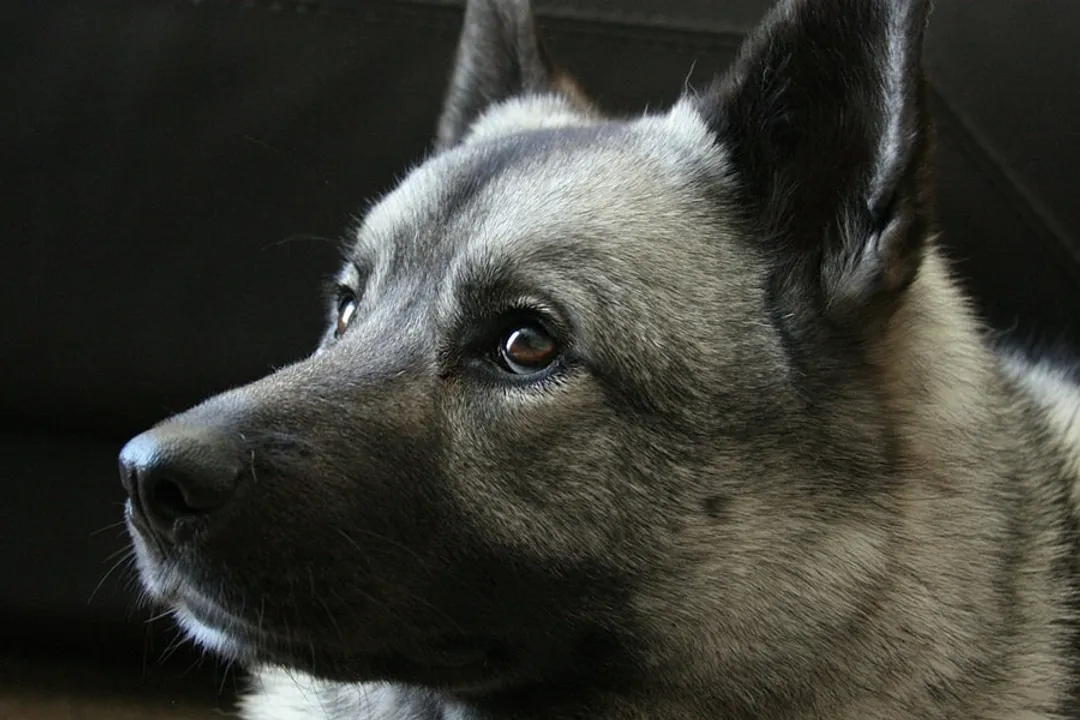
The Norwegian Elkhound is often seen as a statuesque, dignified dog, prompting many potential owners to wonder about the softer side of their personality: specifically, how much they enjoy a good snuggle session. While they are incredibly loyal and deeply devoted to their families, the answer to whether they are true lap dogs is nuanced and tied directly to their ancient heritage as hardy hunting and guarding companions. [4][6][8]
# Loyal Nature
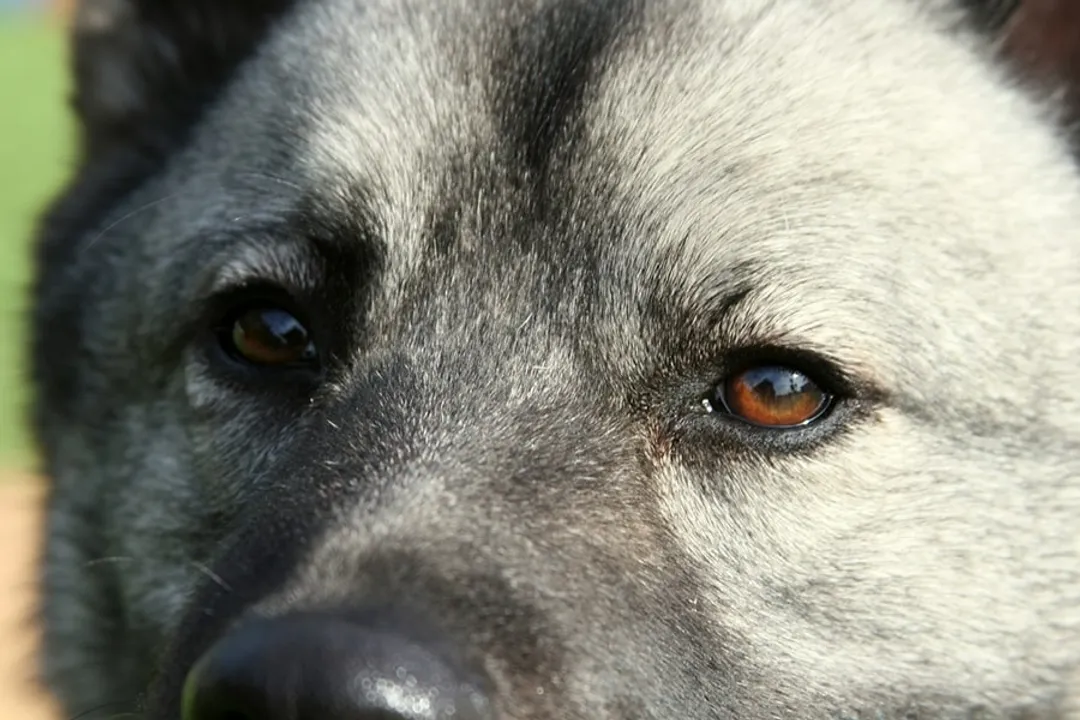
The core of the Elkhound's disposition is a profound sense of loyalty and devotion toward its human pack. [4][8] They thrive on being part of the family unit and actively participate in household life. [6] This breed is not generally described as aloof, but rather as extremely attached to the people they trust. [7] They are known for their intelligence and spirited nature, which means they bond strongly with their owners through shared activities and mutual respect. [6] Their commitment isn't conditional; once an Elkhound accepts you, that bond is strong. [4] This deep attachment is the foundation upon which any physical affection is built. They want to be with you, no matter what the specific activity is, whether you are relaxing or busy with chores. [5]
# Close Proximity
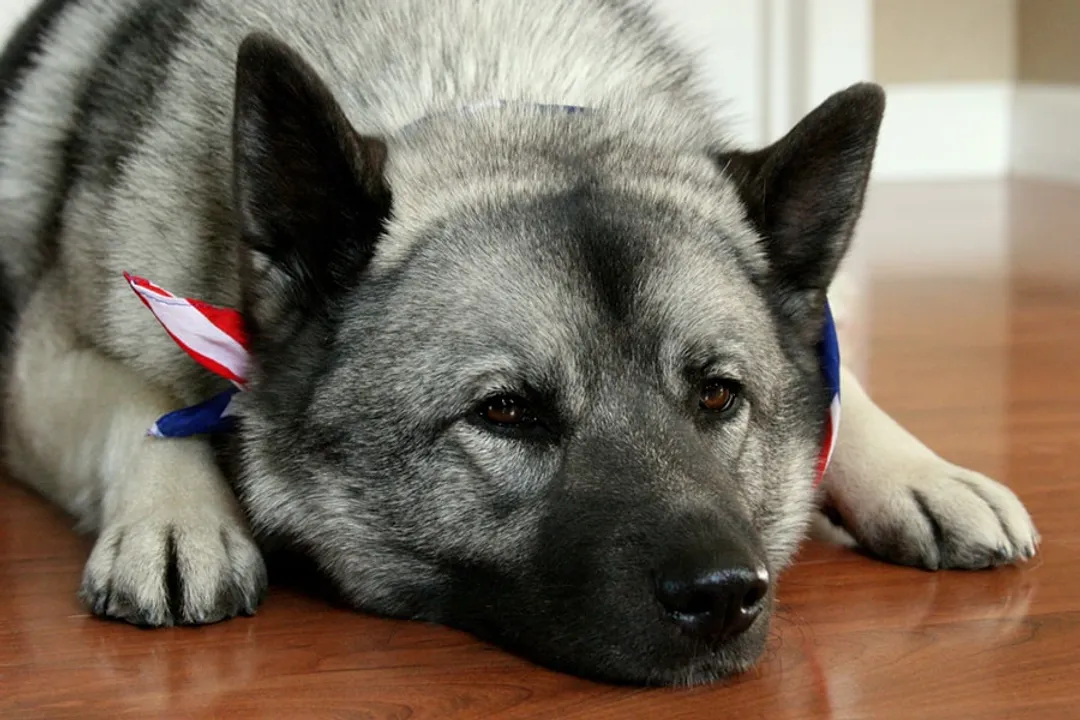
When discussing cuddling, it is essential to distinguish between wanting to be physically near you and wanting to be on you. Many Elkhound owners report that their dogs exhibit a strong preference for close proximity rather than being an actual lap dog. [5] They might settle their head on your foot, lie right beside the sofa, or sprawl out touching your leg, but they might object if you try to pull them onto your lap for an extended cuddle session. [3] This behavior often reflects an innate need to remain aware of their surroundings—a trait honed by their history as watchful guardians—while still maintaining physical contact with their person. [9] This is a crucial distinction for new owners to grasp; the dog is communicating love through presence, not necessarily weight distribution. [5]
Consider the breed's historical role. These dogs were bred in the harsh Norwegian climate to track and hold large game, demanding both independent problem-solving skills and the stamina to work alongside hunters in rough terrain. [7] A dog bred for such demanding, independent work often maintains a degree of self-sufficiency that translates into less need for constant, smothering physical contact than breeds selectively developed purely for human companionship. [5] They are observers as much as companions.
# Independent Spirit
The Elkhound’s independent streak often surfaces when interpreting their desire for affection. While deeply loving, they retain a strong sense of self. [6][7] They are highly intelligent dogs, which sometimes manifests as stubbornness or a reserved attitude, especially toward strangers. [6][8] This independence means that while they deeply appreciate your presence, they may not always adhere to your preferred physical style of showing affection. If you are seeking a dog that will willingly sit still for an hour-long lap nap, the Elkhound might test your patience. [3][5] They prefer to be close, but on their own terms and schedule.
It is worth noting that this apparent reserve is not a sign of coldness. They are described as generally good dogs for families, showing strong affection within the family circle. [6] The key difference lies in how that affection is expressed. For an Elkhound, affection might look like leaning heavily against your legs while you cook, following you from room to room, or bringing you a favorite toy, rather than the traditional "cuddle puddle" many associate with smaller breeds. [3][5]
# Affection Spectrum Analysis
To better understand where your individual Elkhound might fall on the spectrum of physical contact, it can be helpful to visualize their potential preferences based on temperament profiles often seen in the breed:
| Profile | Description | Preferred Contact Style |
|---|---|---|
| The Shadow | Highly bonded, seeks constant presence. | Lying directly next to the owner (at feet, back of the couch). [3] |
| The Watcher | Loyal but alert; needs space for observation. | Sitting nearby, often with a paw or tail touching the owner. [5] |
| The Independent | Affectionate on their own schedule. | Brief, affectionate moments followed by self-directed activity. |
Owners should recognize that an Elkhound who is quietly resting at your feet while you work, rather than demanding to be on your lap, is still very much expressing their commitment to you. [5] Attempting to force physical closeness when they are not inclined can sometimes lead to them retreating, reinforcing their independence. [7] Respecting their need for space, even while they are present, is paramount to a positive relationship.
# Bond Building
Building a relationship where cuddling is possible—even if it's just a shared sofa nap—relies heavily on early socialization and consistent positive reinforcement. Because they are intelligent and historically independent, they respond best to training and interaction built on mutual respect rather than dominance. [6]
Socialization is vital not just for how they interact with other dogs or strangers, but also for teaching them to tolerate and enjoy various types of handling. An Elkhound who is comfortable with being touched, petted, and gently restrained from a young age is more likely to accept being a "cuddle buddy" later on. [4] If you introduce physical affection slowly and pair it with high-value rewards, you increase the likelihood that they will associate cuddling with positive experiences.
For example, when you first sit down, offer a favorite treat or a brief, calm ear scratch. If they lean in or stay close, reward that behavior verbally and physically (with calm strokes). If they shift away, allow them to move without pressure. This gradual approach respects their inherent reserved nature while gently encouraging closer contact when they feel safe and ready. This method aligns with the general training advice for this breed: they are sensitive and respond poorly to harsh corrections, preferring guidance rooted in positive association. [6]
The key takeaway is that the Norwegian Elkhound offers a deep, unwavering companionship that expresses itself perhaps less through traditional, demanding cuddles and more through steadfast, loyal presence. They are companions for life, happy to be near their chosen people, even if that means standing guard just a few feet away rather than draped over the cushions. [4][5] Their love language often speaks volumes through unwavering attendance rather than overt physical demands.
Related Questions
#Citations
Norwegian Elkhound Temperament, Size, and Care
Are female or male Norwegian Elkhounds more cuddly? - Facebook
Advice please lol : r/NorwegianElkhound - Reddit
Norwegian elkhound: Dog breed characteristics & care - BetterPet
Do Norwegian Elkhounds cuddle? - Adopt a Pet
Exploring the Norwegian Elkhound: A Spirited Companion for Active ...
Norwegian Elkhound Dog Breed Guide - BorrowMyDoggy
About Norwegian Elkhounds
Norwegian Elkhound - Breed Info – Four Paws Animal Hospital