How close are Elkhounds to wolves?
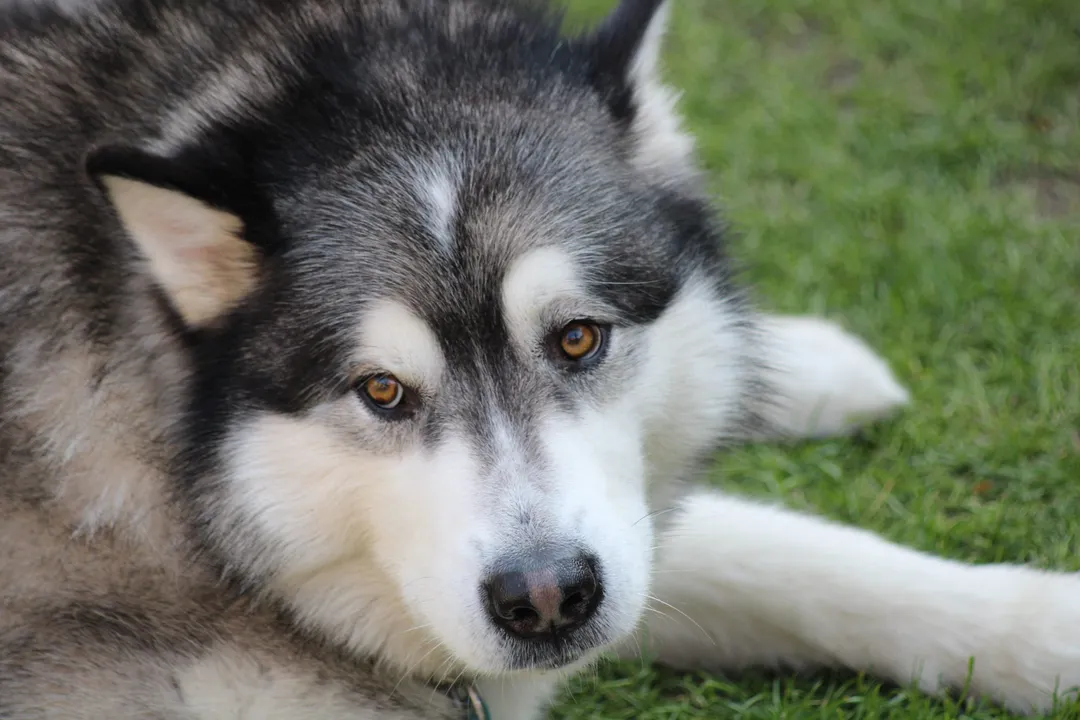
The Norwegian Elkhound carries an air of ancient nobility, often sparking immediate comparisons to its wild ancestors. This medium-sized, powerful spitz-type dog, originating in Norway, possesses a coat, carriage, and keen gaze that strongly suggest a deep connection to the grey wolf. While many purebred dogs descend from ancient populations that separated from the wolf lineage thousands of years ago, the question remains: just how close are these hardy hunters to the true wolf? Understanding this relationship requires looking past mere appearance and delving into history and genetics.
# Viking Roots
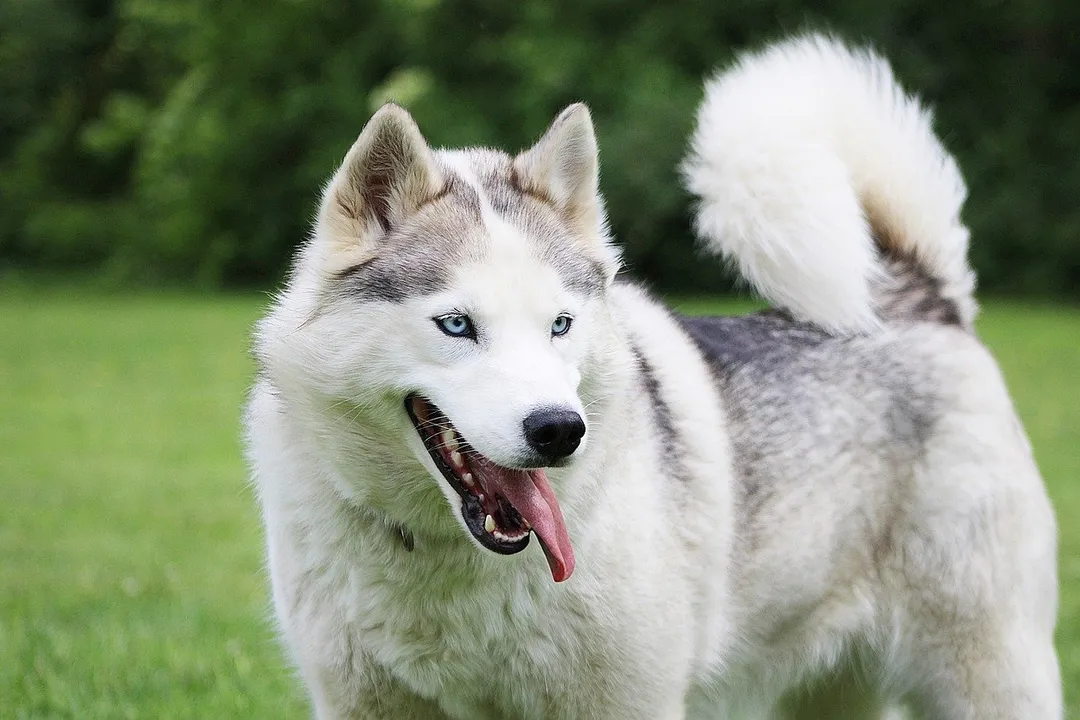
The Elkhound is an exceptionally old breed, whose history is deeply intertwined with the rugged landscape and Viking culture of Scandinavia. These dogs were not bred for show or companionship alone; their primary function was survival and the pursuit of large game, most notably the massive elk (moose). This necessity dictated the development of their physical traits and temperament.
The lineage is so ancient that the breed club recognizes its status as a primitive breed. Unlike some modern breeds that have undergone relatively recent, intense selective breeding over the last few centuries, the Elkhound developed over millennia within a demanding environment. They were expected to track game over long distances, use their bark to pinpoint the animal's location for the hunter, and hold the animal at bay without bringing it down themselves. This ancient working heritage places them in a group of dogs whose divergence from the ancestral wolf population occurred very early in canine history.
# Look Alike
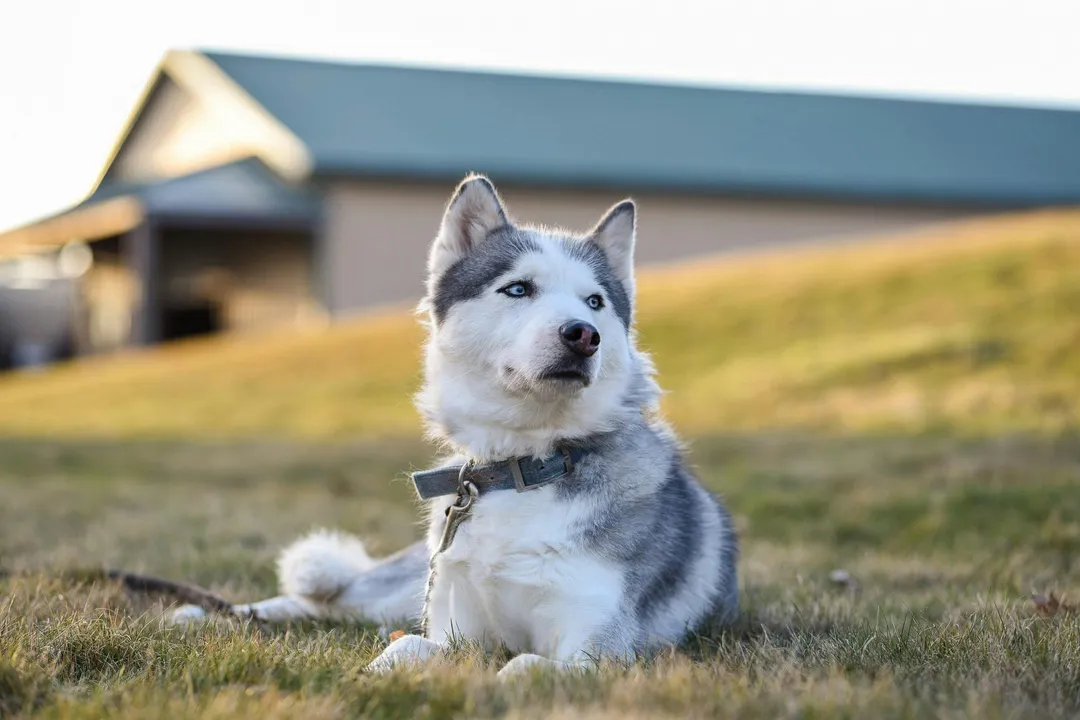
Superficially, the resemblance between a mature, well-coated Elkhound and a wolf is striking, especially to the untrained eye. This visual similarity stems from shared ancestral traits common to many northern spitz breeds. Key physical features contributing to this perception include:
- Coat: The thick, dense double coat, typically grey with black tipping, offers the camouflage and insulation necessary for harsh northern climates, reminiscent of wild canid pelts.
- Ears and Muzzle: They possess erect, triangular ears and a strong, wedge-shaped head, lacking the pronounced stop found in many other domestic breeds.
- Tail Carriage: The tightly curled tail, carried over the back, is characteristic of the spitz group but still fits within the broader spectrum of canine morphology.
It is important to note that while the Elkhound shares a phenotype—an outward appearance—with the wolf, this physical similarity alone does not confirm a recent or strong genetic tie compared to other breeds. Many primitive breeds, developed under similar environmental pressures in isolated regions, developed convergent features that mimic those of the wolf without any direct, recent cross-breeding.
# Genetic Separation
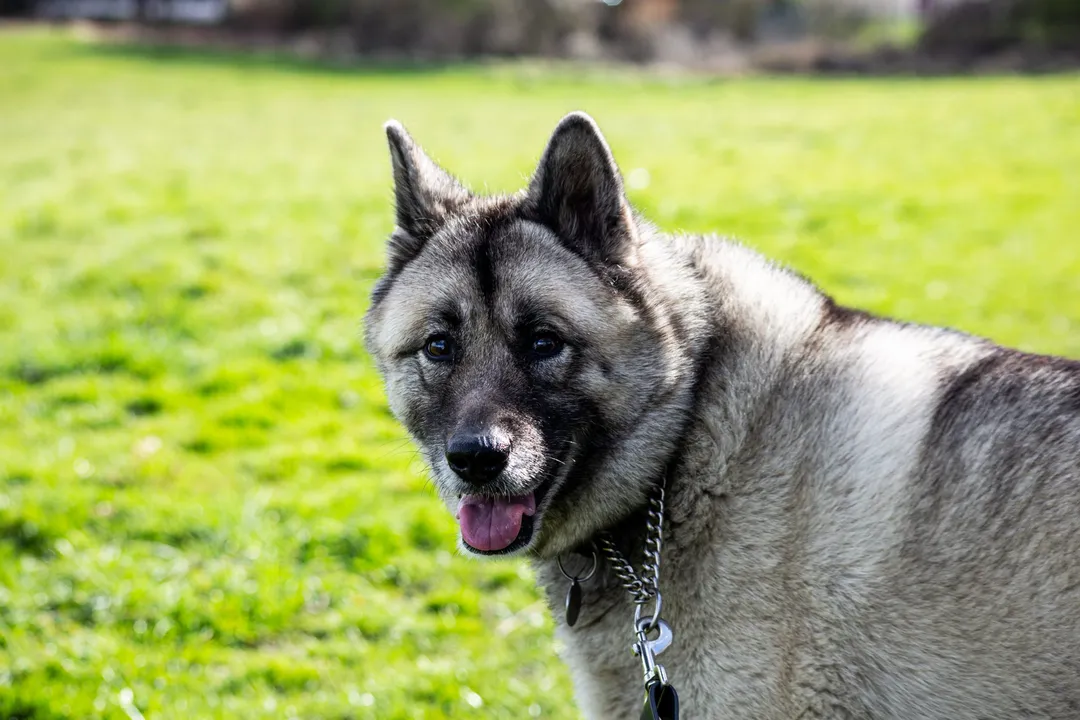
When discussing how "close" a dog breed is to a wolf, we are fundamentally asking about genetic distance—how recently the two populations shared a common ancestor. The consensus regarding established, recognized breeds like the Norwegian Elkhound is that they are not wolf hybrids in the sense of recent cross-breeding between a domestic dog and a modern grey wolf.
The genetic separation point for domestic dogs, including spitz types like the Elkhound, generally traces back thousands of years to the initial domestication events. While some isolated or ancient landrace populations may show evidence of much later introgression from wolves, the standardized Norwegian Elkhound is a recognized, pure breed according to kennel clubs and international registries. They are part of the ancient canine split that occurred long before the modern Canis lupus (grey wolf) was definitively separated into distinct, geographically defined subspecies. The breed developed from the existing domestic dog pool in Norway, not from ongoing cross-breeding programs with wild wolves.
When considering the deep history, it becomes clear that the Elkhound is separated from the wolf by the entire span of canine domestication itself, placing them firmly in the Canis familiaris category, albeit one retaining many ancient traits.
# Spirit Echoes
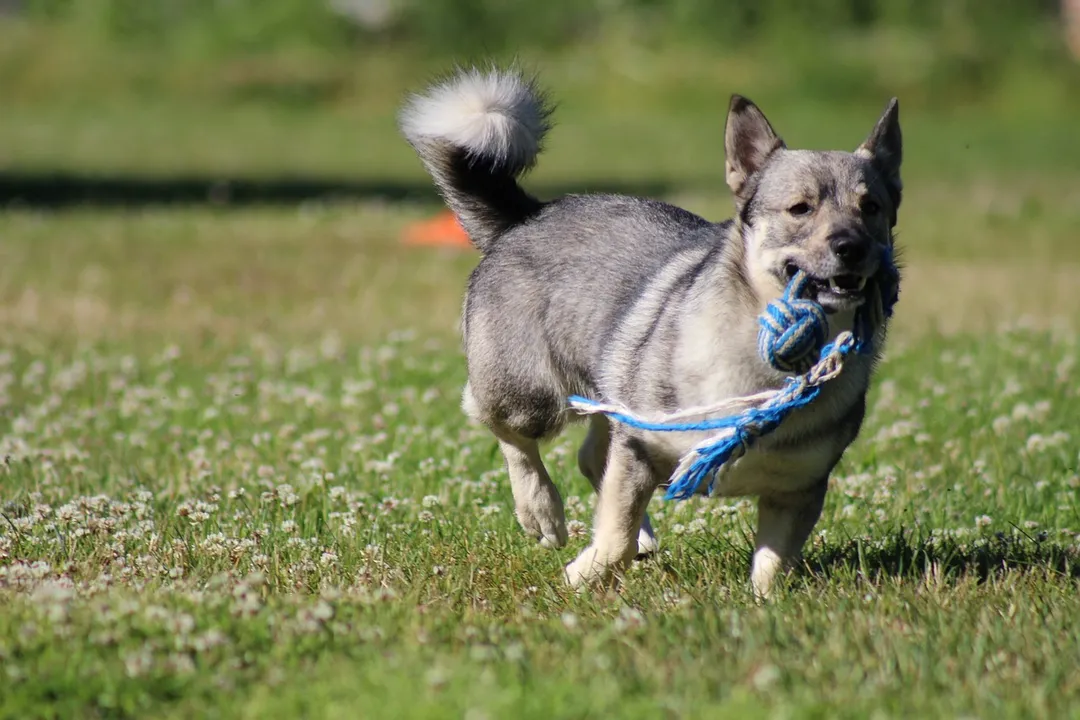
The behavioral overlap often observed between Elkhounds and wolves lies in their independence and focus, traits that are heavily selected for in working lines. Elkhounds are known for being highly intelligent, possessing a formidable problem-solving capability, and exhibiting a strong prey drive—all hallmarks shared with wild canids.
However, their social structure in a domestic setting diverges significantly from the rigidly cooperative hierarchy of a true wolf pack. The Elkhound’s independence, often perceived as stubbornness or aloofness, reflects a selective pressure unique to its historical hunting role. A dog needed to track and hold a massive elk alone, sometimes for hours, making critical decisions without immediate canine direction or the constant reinforcement of a strict pack hierarchy. This resulted in a dog that forms an intense bond with its human family but retains a high degree of self-reliance—a behavioral characteristic quite different from the necessary, constant cooperative hunting behavior seen in wild wolves. Where a wolf relies on intricate social negotiation for survival, the Elkhound relies on its own judgment and stamina.

# Modern Context
Today, the Norwegian Elkhound is standardized by international bodies, complete with specific guidelines for temperament and structure. This formalization solidifies its identity as a distinct domestic breed. While their ancestral roots may stretch far back into the same general timeline as the ancestors of the modern wolf, the dog we know today has been shaped by thousands of years of human association, selective breeding for specific tasks, and isolation in Scandinavia.
The modern owner should appreciate the Elkhound for what it is: an ancient, powerful, and independent breed with a proud heritage, not a wolf in disguise. Recognizing its deep history offers insight into its need for substantial exercise, mental stimulation, and consistent, respectful handling, rather than viewing its wolf-like traits as something that needs to be "bred out". The Elkhound stands as a testament to canine evolution, representing a successful branch of the dog family tree that specialized in partnership with humans in one of the planet’s harshest environments.
Related Questions
#Citations
How similar are elkhounds and wolves? : r/NorwegianElkhound
Norwegian Elkhound - Europetnet
12 Dog Breeds Closely Related To Wolves - You'll Be Surprised!
Origins and Evolution of the Norwegian Elkhound Breed - Facebook
Elkhounds VS Wolves Centuries Old - Kamia Kennels
Norwegian Elkhound - All About Dogs - Orvis
Wolf hybridization in Scandinavian and Finnish spitz-type dogs
Is a Norwegian Elkhound part wolf? - Adopt a Pet
Norwegian Elkhound History: Where the Breed Originated