What does a Swedish elkhound look like?
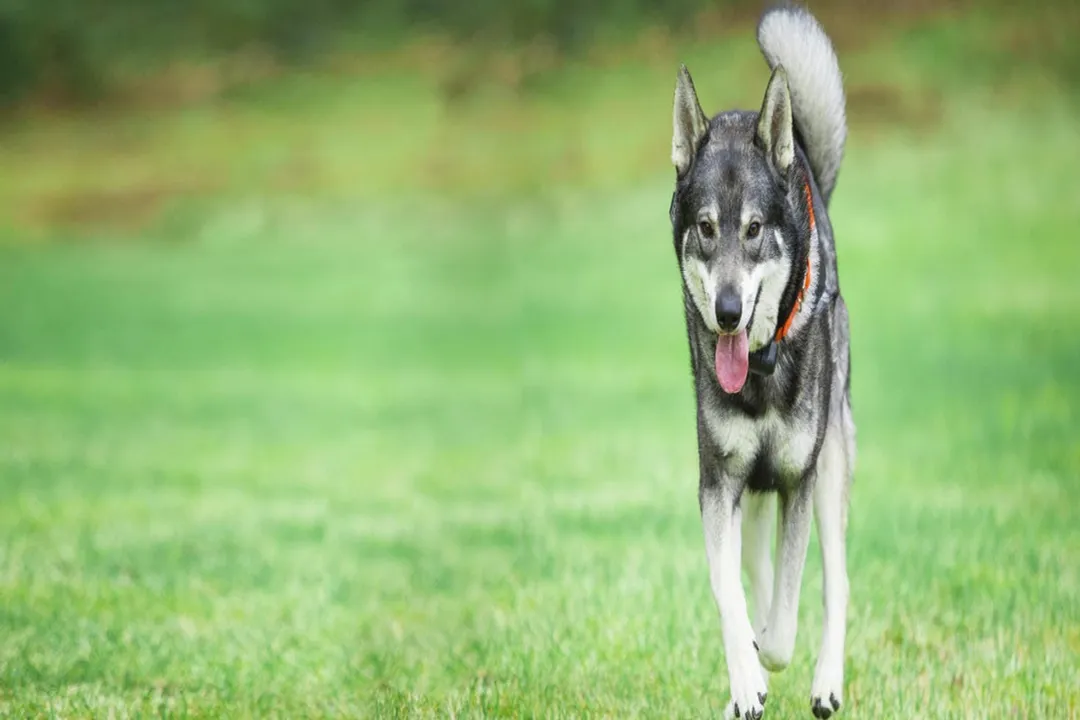
The Swedish Elkhound, a magnificent example of a northern spitz breed, presents an image instantly recognizable for its hardiness and keen intelligence. [2][7] When picturing this dog, one immediately thinks of a powerful, medium-sized animal shaped by centuries of hunting and surviving in the harsh Scandinavian wilderness. [2] They possess the distinct silhouette typical of dogs bred to work closely with hunters, balancing strength with agility. [7]
# Stature Balance
In terms of general physical presence, the Swedish Elkhound is a well-proportioned dog, appearing neither overly heavy nor slight. [7] They are built for endurance rather than brute force, suggesting a dog capable of tracking game over long distances. [2] Generally, males stand around 19 to 20 inches at the shoulder, with females slightly smaller at 18 to 19 inches. [7] Weight usually falls within the 45 to 55-pound range for both sexes, though this can fluctuate based on individual conditioning. [7]
It is worth noting that while frequently grouped with its Norwegian relative, some breed observers suggest the Swedish Elkhound tends to exhibit a slightly leaner build than the Norwegian Elkhound, though both share the fundamental spitz structure of a thick coat, erect ears, and a curled tail. [5] This difference, if present, speaks to subtle regional breeding preferences optimizing the dog for specific local terrains or quarry. [2]
# Weatherproof Coat
Perhaps the most defining visual characteristic is the dog’s spectacular double coat, designed to withstand severe cold. [1][7] This coat consists of two distinct layers. The outer coat is dense, straight, and relatively harsh to the touch, serving as the primary defense against snow, rain, and ice. [1][7] Beneath this protective layer lies a soft, thick undercoat that provides essential insulation. [1] When viewing a healthy specimen in peak condition, the coat should appear rich and full, giving the dog a slightly stocky or weather-proofed appearance, even if their underlying bone structure is refined. [7]
Coloration is usually described in terms of gray shades, often referenced as wolf-gray. [1][3] However, the accepted palette is broader, encompassing various shades of gray, black, or brown. [1] A common pattern seen is a lighter shading on the muzzle, throat, chest, underside, and tail tip, contrasting with the darker guard hairs along the back and saddle. [7]
One interesting aspect of examining the coat's appearance involves seasonal changes. While the dog retains its double coat year-round, the density shifts dramatically. A casual observer might mistake a dog shedding heavily in the spring for having a completely different body shape than the same dog during the depths of winter, when the undercoat is at its maximum volume. Assessing a Swedish Elkhound's true physical conditioning requires looking past the fluff and feeling the firmness of the muscle tone beneath the seasonal insulation. [1]

# Head Features
The head of the Swedish Elkhound is distinctly wedge-shaped, appearing proportionate to its body size. [1][7] The skull is broad between the ears, tapering toward the muzzle, which should not appear too long or snipey. [7] The expression is a critical element of breed character: the eyes are typically dark, set somewhat obliquely, conveying an alert, intelligent, and sometimes reserved look. [1][7]
The ears are another hallmark of the spitz group. They are set high on the head, relatively thick at the base, and stand perfectly erect. [7] These ears are pointed but not overly long, acting as excellent auditory funnels well-suited for tracking sounds across open terrain. [1] The pigment on the nose, lips, and eye rims should be dark, contrasting nicely with the lighter gray facial markings. [7]
# Tail Carriage
The tail is a classic indicator of the breed’s heritage and emotional state. It is characteristically thick at the base and tapers to a point, but the defining feature is how it is carried. [7] The tail is set rather low and is invariably carried tightly curled or bent over the dog’s back when the animal is alert or moving. [1][7] When the dog is relaxed or resting, the tail may hang down, though it rarely drops completely straight like that of a hound. [2]
# Visual Summary of Key Appearance Traits
To better visualize the compilation of these features, one can consider the following breakdown:
| Feature | Description | Standard Appearance Notes |
|---|---|---|
| Build | Medium size, balanced, muscular, slightly longer than tall. [7] | Appearance of stamina; capable of independent work. [2] |
| Coat | Double coat; harsh outer, dense undercoat. [1][7] | Colors are shades of gray, black, or brown; wolf-gray common. [1][3] |
| Head | Wedge-shaped, broad skull. [1][7] | Intelligent, dark eyes; dark pigment on facial trim. [7] |
| Ears | Erect, pointed, thick base, set high. [1][7] | Highly mobile, excellent for sound detection. [1] |
| Tail | Thick at base, carried tightly curled over the back. [1][7] | A key identifier of the spitz type. [2] |
If you are observing a Swedish Elkhound moving, their gait should be smooth, ground-covering, and effortless, reflecting the strength provided by their medium stature and powerful legs. [7] They are built for sustained movement rather than explosive bursts, much like a dedicated long-distance runner. [2]
# Contextualizing Appearance
Understanding why the Swedish Elkhound looks this way requires acknowledging its historical function. This dog was not bred primarily for show rings but for the demanding job of hunting elk (moose) in the forests of Sweden. [2] This necessity dictates every visual feature. The dense, weather-resistant coat is essential for protection during long, cold vigils waiting for game. [1] The erect ears and keen eyes are necessary tools for locating quarry over vast distances. [7]
It is common for people to mistake this breed for the Norwegian Elkhound, given their similar build and heritage. [5] While the Norsk Elghund Grå is perhaps more widely known internationally, the Swedish variety shares the ancestral traits that make both breeds formidable northern canines. [2] The subtle variations in appearance—often concerning size variance or slight differences in head shape interpretation between national kennel clubs—are refined points that only dedicated fanciers or judges might focus on, but the overall impression remains one of a capable, northern utility dog. [5] When evaluating the breed's look, always prioritize the impression of functional preparedness over mere aesthetic conformity. [2]
#Videos
Swedish Elkhound Breed Profile History - Price - Traits - YouTube
Related Questions
#Citations
Swedish Elkhound (Jämthund) Facts - Wisdom Panel™ Dog Breeds
Ancient Swedish Elkhounds - Kamia Kennels
Breed Standards : Swedish Elkhound | United Kennel Club (UKC)
Swedish Elkhound | Dog Breed Facts and Information - Wag!
Difference between a Swedish and Norwegian wlkhouns - Reddit
Swedish Elkhound Breed Profile History - Price - Traits - YouTube
Swedish Elkhound | Royal Canin US
Swedish Elkhound Dog Breed | Information | Characteristics
Jämthund: The Swedish Elkhound Breed - Pinterest