What is the evolutionary history of the bear?
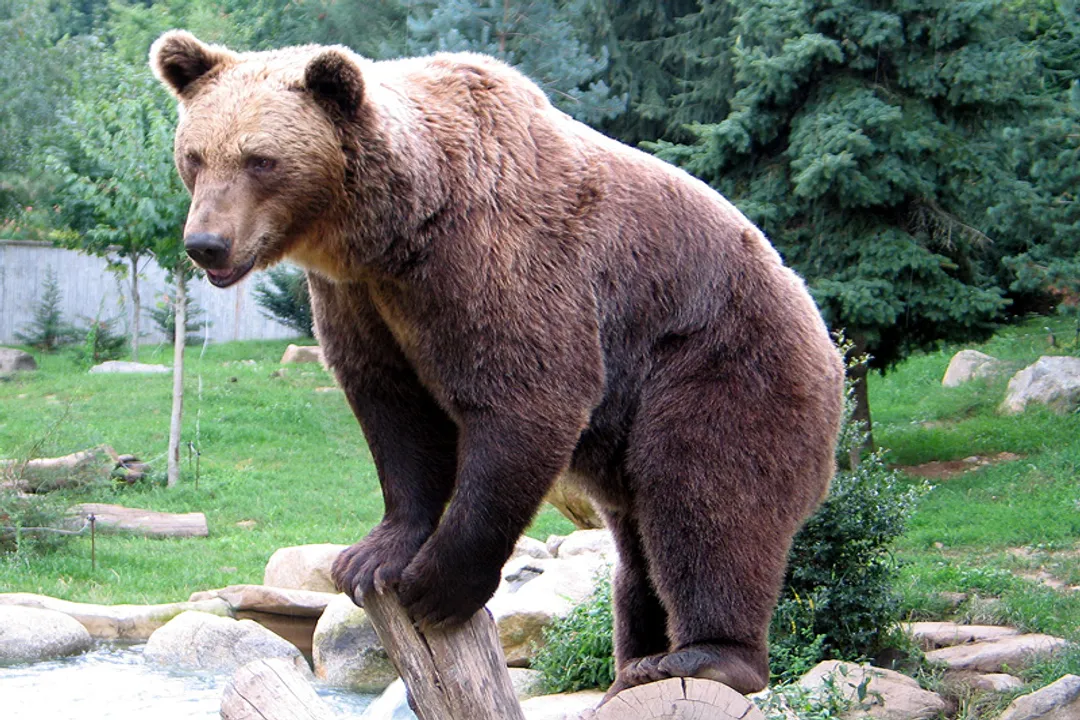
The story of the bear family, Ursidae, is a compelling narrative etched into the fossil record, spanning millions of years of adaptation across continents. These large mammals represent a successful branch of the order Carnivora, having diversified from a common ancestor into the eight distinct species we recognize today, inhabiting environments from dense forests to the Arctic sea ice. [2][6] Tracing their lineage requires looking back to a time when the world looked significantly different, long before the iconic grizzly or panda dominated their current ranges. [3]
# Ancient Origins
The earliest definitive members of the bear family emerged much later than many other carnivore groups. [1] The evolutionary history of modern bears is thought to trace back to the late Eocene or early Oligocene epochs, roughly 30 to 40 million years ago (mya). [1][3] The common ancestor, often placed within the genus Ursavus, lived in Eurasia. [1] This ancestral group was much smaller than today's bears, possessing a more generalized, dog-like skull structure and features suggestive of an omnivorous diet, perhaps leaning more toward insectivory or small prey. [1][3]
These proto-bears belonged to the superfamily Ursoidea, which itself arose from the broader group Canoidea within the order Carnivora. [2] One key piece of the puzzle involves understanding where bears fit relative to other large carnivores. While dogs, seals, and weasels share a common ancestry further back, bears sit firmly within their own distinct lineage. [9] The earliest fossils that paleontologists confidently assign to the bear family are relatively scarce compared to later periods, making the very beginning of their story one of careful inference. [6]
The Ursavus group is critical because it represents the basal stock from which all later bear forms evolved. [1] As the climate shifted, moving from the warm Eocene into the cooler, drier Oligocene, opportunities arose for this lineage to spread and eventually differentiate into the diversity we see now. [6]
# Initial Splits
The timeline of diversification is complex, relying on a combination of fossil finds and genetic analysis of modern species. [5] It is generally accepted that the diversification of modern bears—the subfamily Tremarctinae (which includes the extinct short-faced bears and the living Spectacled Bear) and the subfamily Ursinae (which contains all other living bears)—occurred relatively early in their history. [3][7]
The Tremarctine bears, sometimes referred to as the short-faced bears due to their distinct skull morphology, were the first major lineage to diverge, perhaps as early as the late Oligocene or early Miocene. [3] This group experienced significant success, particularly in the Americas, eventually giving rise to giant forms like Arctodus simus, the North American short-faced bear. [2] Meanwhile, the Ursinae lineage continued to evolve, eventually leading to the brown bears, black bears, polar bears, and others. [3]
Genetic studies have helped map these branching events with greater precision. One study examining mitochondrial and nuclear DNA suggested that the divergence between the Asian black bear (Ursus thibetanus) and the common ancestor of all remaining Ursinae occurred around 19.6 million years ago. [5] This places the initial radiation of the main bear groups firmly in the Miocene epoch. [5]
We can visualize this ancient divergence through a simplified evolutionary tree, noting the basal split:
| Subfamily | Key Characteristic | Extant Species (Living) | Origin Time (Approx.) |
|---|---|---|---|
| Tremarctinae | Shorter snouts, often adapted to South America | Spectacled Bear | Early divergence (Miocene) [3] |
| Ursinae | Broader group, leading to most modern bears | Brown, Polar, Black, Sloth, Sun, Asiatic Black Bears | Post-Tremarctine split [5] |
A subtle but fascinating point, gleaned from reviewing molecular evidence, is how the spectacled bear (Tremarctos ornatus), the sole survivor of the Tremarctinae in South America, maintains a connection to a lineage that colonized the Americas far earlier than the ancestors of the North American black and grizzly bears. [3]
# Dietary Shifts and Speciation
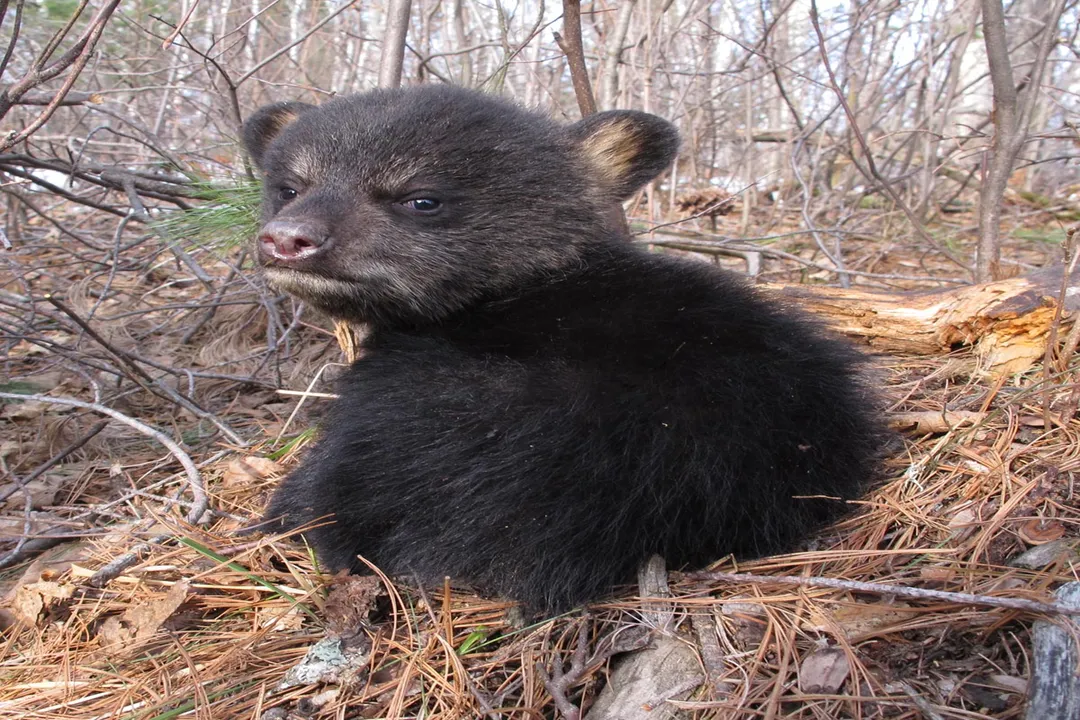
As bears spread globally, varying climates and available food sources drove significant evolutionary changes, particularly in diet and dentition. [6] While the earliest bears were likely generalist omnivores, different groups specialized dramatically. [1]
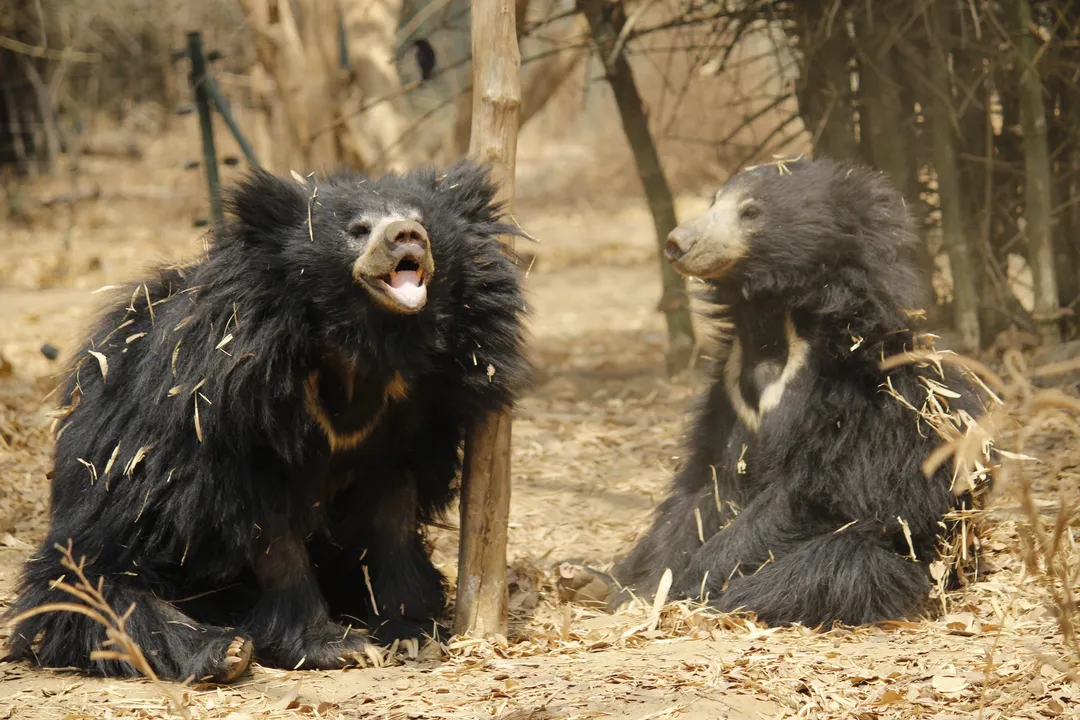
The development of specialized diets is a hallmark of bear evolution. For instance, the Giant Panda (Ailuropoda melanoleuca), though genetically a bear, has undergone extreme specialization to subsist almost entirely on bamboo. [2][9] In contrast, the Sloth Bear (Melursus ursinus) of the Indian subcontinent has developed adaptations suited for consuming insects, particularly termites and ants, reflected in its unique skull and dentition. [1]
The most dramatic dietary and morphological shift, however, belongs to the Polar Bear (Ursus maritimus). [2] While all modern bears are generally classified within the Ursus genus (excluding the Giant Panda and Sloth Bear), the Polar Bear represents an extreme adaptation to a hypercarnivorous, marine environment. [1]
Interestingly, genetic dating reveals that the Polar Bear diverged from the Brown Bear (Ursus arctos) lineage surprisingly recently—within the last 500,000 years, possibly as recently as 150,000 years ago. [10] This recent split, driven by the onset of repeated glaciations and the expansion of sea ice, showcases the immense evolutionary pressure exerted by a radical shift in primary food sources (seals) over a relatively short geological timeframe. [2][10] This rapid morphological change from a generalist/omnivore ancestor to a highly specialized apex predator in such a compressed time frame is a striking example of natural selection at work when a new, predictable resource niche opens up. [10]
# North American Expansion
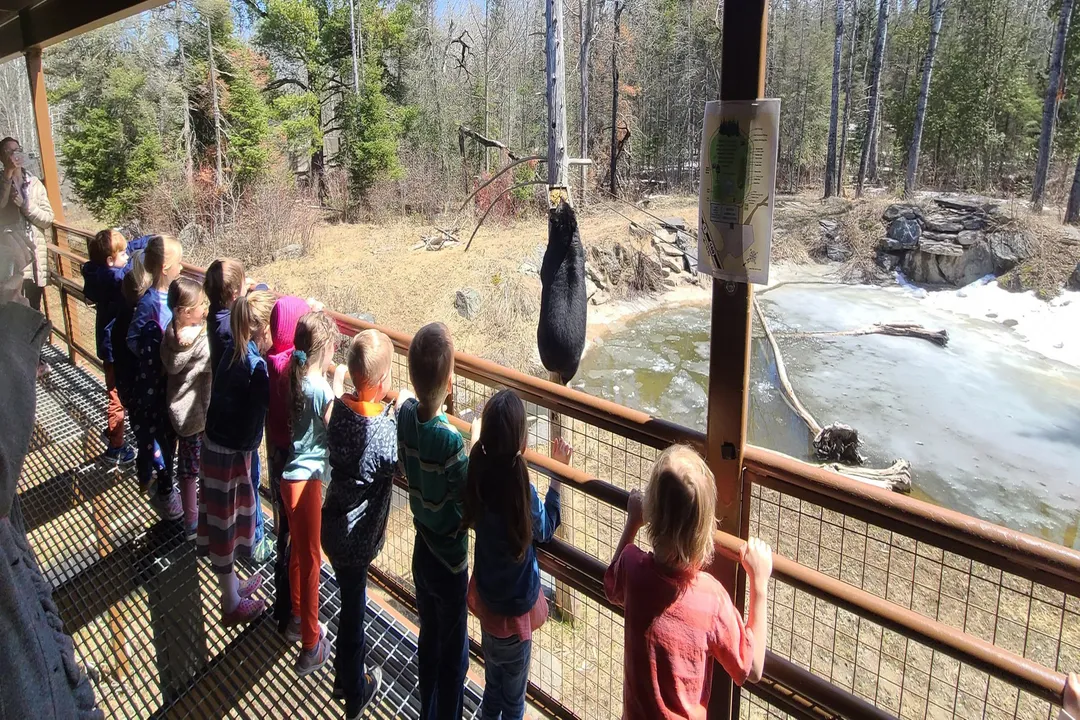
The Bering Land Bridge served as a crucial pathway for bears migrating from Asia into North America. [6] By the Pleistocene epoch, North America hosted a spectacular diversity of bear species, many now extinct. [2] Besides the native Brown Bears (which evolved into the modern Grizzly), the massive Short-faced Bear (Arctodus) roamed the continent. [2]
The history of bears in the Americas is punctuated by competition and extinction events. The presence of the Spectacled Bear lineage in South America, separate from the main North American groups, highlights multiple waves of colonization or long-term isolation. [3] The extinction of the larger, specialized carnivores like the Short-faced Bear around 11,000 years ago coincided with the end of the last Ice Age and the disappearance of megafauna, suggesting environmental change played a significant role in reshaping the bear landscape. [6]
# Contemporary Lineages
Today, the eight extant bear species occupy diverse ecological niches across the globe, a testament to their adaptability over millennia. [2][9]
The current global distribution includes:
- Asiatic Black Bear (Ursus thibetanus)
- American Black Bear (Ursus americanus)
- Brown Bear (Ursus arctos), which includes the Grizzly Bear subspecies
- Polar Bear (Ursus maritimus)
- Sloth Bear (Melursus ursinus)
- Spectacled Bear (Tremarctos ornatus)
- Sun Bear (Helarctos malayanus)
- Giant Panda (Ailuropoda melanoleuca) [2]
It is insightful to consider that despite their varied sizes—from the diminutive Sun Bear, weighing perhaps 60 pounds, to the massive Polar Bear, which can exceed 1,500 pounds—they all share the same basic Ursid blueprint established millions of years ago. [1][2] This underlying morphology allows for evolutionary tinkering: longer claws for digging (Brown Bear), specialized teeth for bamboo (Panda), or dense, insulating fur for extreme cold (Polar Bear). [6]
Furthermore, understanding these deep evolutionary relationships is not merely an academic exercise. The speed at which some bear populations rebounded or adapted to new food sources in the past, like the Polar Bear exploiting the rich marine environment, offers a comparative benchmark against current conservation challenges. [10] When we discuss modern conservation efforts, it is valuable to reflect that the evolutionary pressures faced by these animals over the last few million years—climate shifts, continental drift, and dietary specialization—are now being overlaid by human activity occurring over mere centuries. The resilience shown across deep time might not translate to success against the speed of contemporary habitat loss or climate change, making informed management based on ancient history crucial for their future survival. [8] The genetic isolation and distinct evolutionary paths of species like the Spectacled Bear, surviving alone in its South American refuge, underscore the importance of protecting every branch of this ancient family tree. [3]
#Videos
The Evolution of the Bear - YouTube
Related Questions
#Citations
Bear Evolution - North American Bear Center
Bear - Wikipedia
Evolution of Bears - Wildlife SOS
The Evolution of the Bear - YouTube
The evolutionary history of bears is characterized by gene flow ...
Unearthing the story of bears' evolution - Vital Ground
Uncovering the enigmatic evolution of bears in greater depth - PNAS
How species form: What the tangled history of polar bear and brown ...
Bears, Species & DNA - Learn Genetics Utah
Evolutionary history of bears: It's complicated - ScienceDaily