What is the general classification of a chicken?

The common chicken, known universally in many cultures, possesses a surprisingly layered identity when you begin to look past its presence on the dinner table or in the farmyard. To ask what the general classification of a chicken is requires looking at several distinct systems, from the rigid structure of biological taxonomy to the practical groupings used by breeders and farmers. At its most fundamental, the creature we call a chicken is scientifically defined as Gallus gallus domesticus. This name itself hints at its origins and domestication status, placing it firmly within the avian world, yet its everyday identity is much more fluid, shaped by human intention over thousands of years.
# Scientific Order
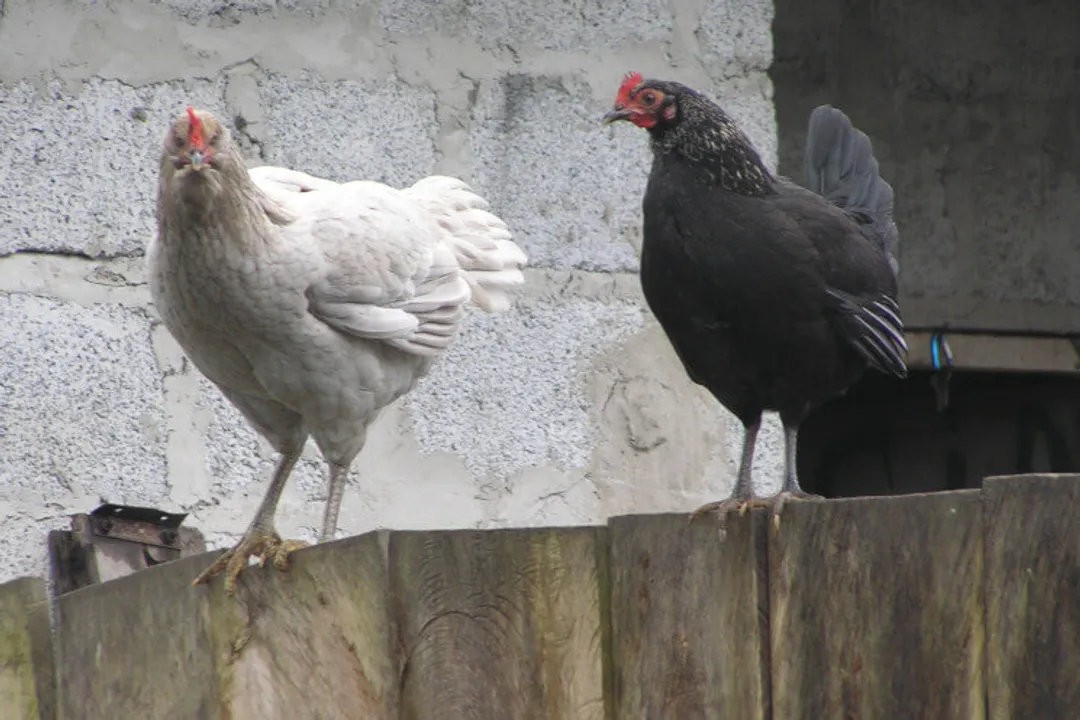
Biologically, classification organizes life into nested groups, a system that establishes the chicken’s precise location in the tree of life. This hierarchy begins very broadly and narrows down significantly. The chicken belongs to the Kingdom Animalia, meaning it is multicellular and heterotrophic—it eats other things for energy. Moving down, it falls under the Phylum Chordata, characterized by having a notochord at some stage of development, which includes all vertebrates. Next is the Class Aves, the birds, recognizable by feathers, beaks, and egg-laying habits.
The placement within the Class Aves leads us to the Order Galliformes. This order is significant because it groups chickens with other ground-dwelling, heavy-bodied fowl, such as turkeys, pheasants, and quail. It speaks to their shared ancestry and similar lifestyles—scratching the ground for food and often utilizing short, rapid flights rather than sustained soaring. From the Order, we descend into the Family Phasianidae, which covers the partridges, grouse, and turkeys. The Genus is Gallus, which specifically includes the junglefowl species.
Finally, we arrive at the Species, Gallus gallus, which is the wild ancestor, primarily the Red Junglefowl. The domestic chicken is then designated as a subspecies: Gallus gallus domesticus. This full scientific name is crucial because it distinguishes the domesticated bird from its wild relatives, which still exist across Asia. The Zoo Montana entry notes this specific subspecies designation clearly, indicating its status as a creature shaped by human intervention.
# Taxonomic Comparison
It is helpful to see this rigid scientific structure side-by-side with a simpler grouping method. While the scientific classification shows what the chicken is in relation to all other life, the practical classes developed by breeders address what the chicken does for people.
| Taxonomic Rank | Group Name | Defining Characteristic |
|---|---|---|
| Kingdom | Animalia | Multicellular organism |
| Class | Aves | Feathered, warm-blooded vertebrate |
| Order | Galliformes | Ground-dwelling fowl |
| Genus | Gallus | Junglefowl lineage |
| Subspecies | G. g. domesticus | Domesticated descendant of G. gallus |
It's interesting to reflect on how much information is packed into that final binomial subspecies name. Domesticus essentially tells a biologist that this particular junglefowl has been separated from its wild counterparts for long enough, and through enough artificial selection, to warrant its own designation, often resulting in physiological traits—like larger body size or reduced flight capability—that differ markedly from the Red Junglefowl ancestor.
# Ancestry and History
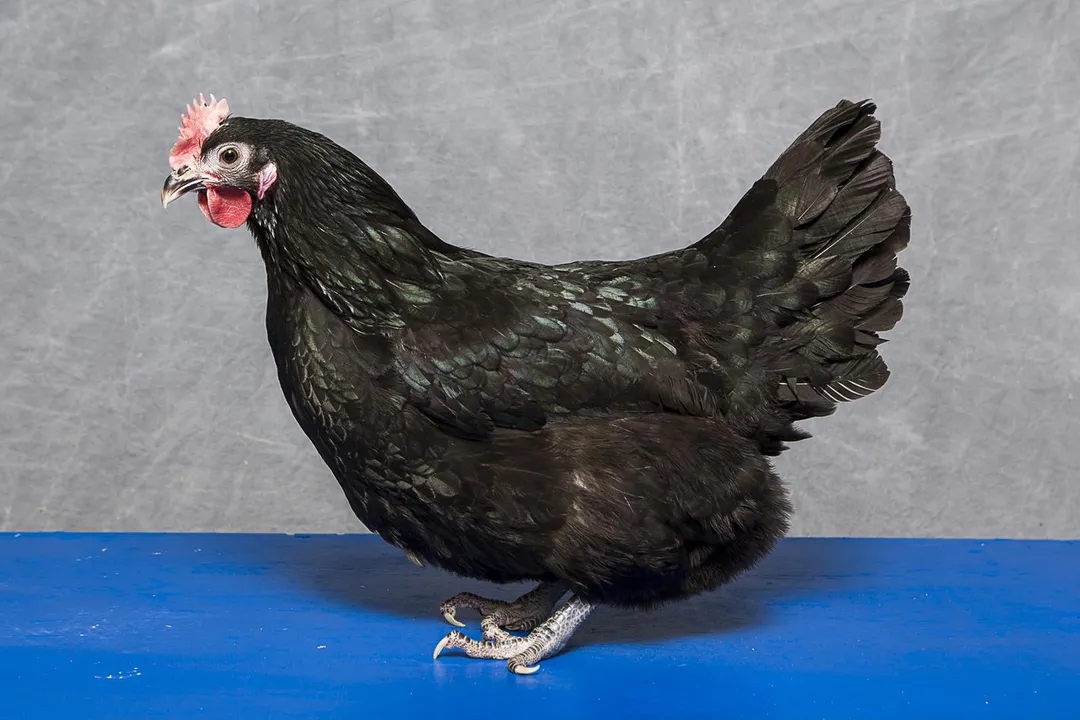
Understanding the classification of the domestic chicken is incomplete without touching upon its origin story, which is deeply intertwined with its place in the Gallus genus. The general consensus points to the Red Junglefowl (Gallus gallus) as the primary, if not sole, wild ancestor of all domestic chickens today. These wild birds are native to Southeast Asia, ranging across countries like India, China, and Indonesia.
Domestication is believed to have begun thousands of years ago, though pinpointing the exact time and location remains a subject of ongoing research. Evidence suggests that chickens were initially valued for cockfighting, not necessarily for meat or eggs, which influenced the development of various early traits. The selective pressure applied by early human keepers—choosing birds that were less aggressive toward humans, or those that laid eggs more reliably—is what transformed the wild junglefowl into the bird we recognize today. This process of artificial selection is a powerful mechanism that creates evolutionary divergence faster than natural selection often allows, explaining why Gallus gallus domesticus can look and behave so differently from its ancestor.
# Utility Classes
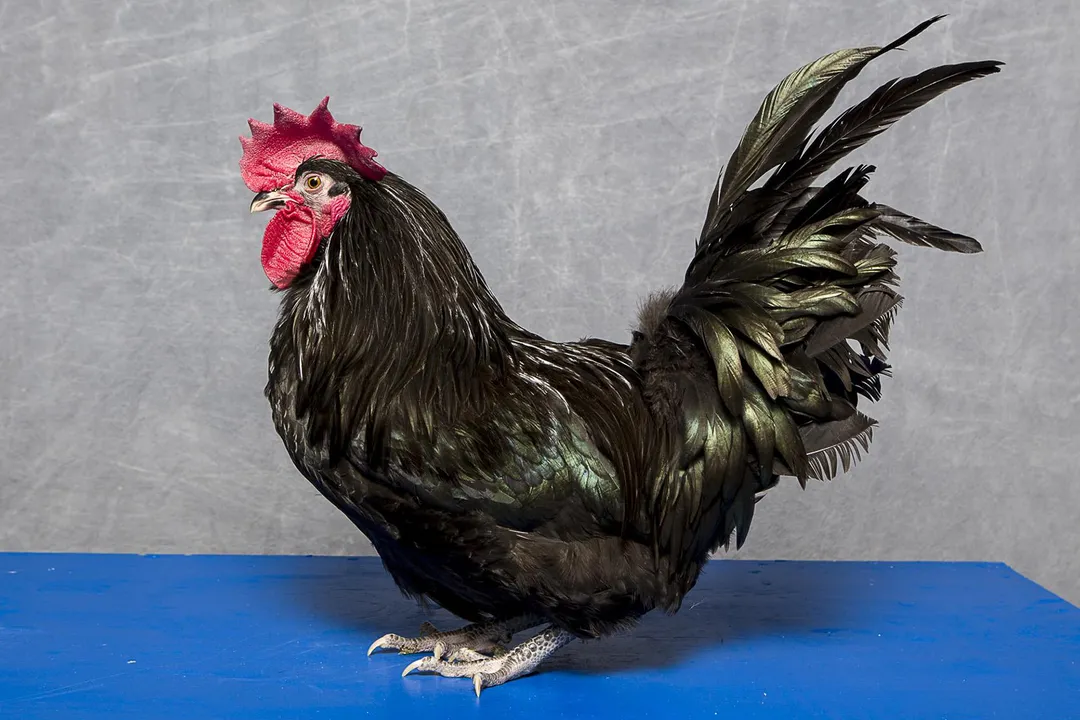
While taxonomy provides the scientific map, breeders and agricultural science use functional groupings to classify chickens based on their primary economic purpose. These groupings are perhaps the most immediately relevant classification for anyone raising poultry. These utility classes simplify the vast array of breeds into manageable categories tied directly to production goals.
The most common tripartite division involves:
- Egg Layers: These birds are selectively bred to produce a high volume of eggs consistently throughout their laying cycle. Breeds falling into this class are typically smaller and lighter-bodied, dedicating their energy toward ovarian function rather than muscle mass accumulation.
- Broilers: This class focuses entirely on meat production. Broilers are bred for rapid growth and high muscle yield, particularly in the breast and thigh areas. They often reach market weight much faster than heritage breeds, representing a different endpoint of selection pressure compared to egg layers.
- Dual-Purpose: As the name suggests, dual-purpose birds are designed to perform adequately in both roles. They offer a reasonable egg yield while also growing to a respectable, though usually slower, meat weight. These birds are often favored by small-scale homesteaders or those seeking a more self-sufficient flock where maximizing one single trait is less critical than balanced utility.
This utility classification contrasts sharply with the scientific method because it is entirely anthropocentric; it classifies the bird based on its value to humans, not its evolutionary relationships.
# Breed Classification Systems
Beyond the broad utility groups, specific organizations or hatcheries might use a different set of "classes" related to breed heritage or physical traits, which can sometimes overlap with utility but often focus on aesthetics or historical significance. Meyer Hatchery, for instance, details six specific classes of chickens that breeders might use, such as Heavy/Meat Breeds, Egg Layers, Bantams (miniature birds), Ornamental, Foragers, and Mitts (birds with feathered feet).
Bantams are a perfect illustration of classification based on size modification rather than pure utility. They are essentially miniature versions of standard breeds, developed through deliberate selection for smaller size, often for exhibition purposes rather than production. Meanwhile, Ornamental breeds are those primarily kept for their striking appearance, perhaps having unique feather patterns or crests, even if their production metrics are low.
When considering these different systems, a keeper might find that a single bird can belong to multiple classifications. For example, a Wyandotte might be classified as a Heavy Breed (utility class), a Dual-Purpose Bird (production class), and a Standard Breed (exhibition class). This multi-layered identity is what makes classifying chickens richer than simply stating their species name.
# Practical Application Insight
For the average backyard chicken owner, understanding the difference between these classification methods offers practical advantages in flock management. If you purchase chicks labeled under the "Egg Layer" utility class, you should expect smaller birds that consume less feed but produce eggs almost daily during their peak season, often starting production quite early, sometimes as young as 16 to 20 weeks. Conversely, if you select a "Dual-Purpose" breed, you must accept a slower pace of egg production and a longer wait time before the bird reaches a suitable weight for harvesting if you intend to use them for meat. Many heritage dual-purpose breeds won't reach their full meat potential until 6 to 9 months of age, unlike commercial broilers which are ready in under two months. This comparison highlights that choosing a breed based on the wrong classification system—for instance, expecting heavy meat production from a dedicated Leghorn layer—will inevitably lead to disappointment.
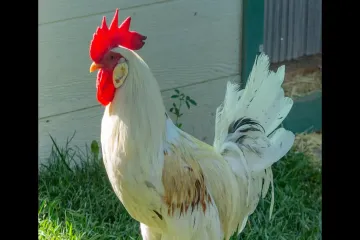
# Morphology and Traits
Classification also extends to physical characteristics that are highly valued or selectively bred. Beyond the primary utility classifications, breed traits lead to further sub-groupings that often determine suitability for different climates or management styles.
Consider the Comb Type. The shape of the fleshy growth on the top of the head is a significant identifying feature and is often tied to climate adaptation. For example, birds with a Single Comb—the classic, upright, serrated shape—are often more susceptible to frostbite in very cold weather compared to breeds possessing a Rose Comb (a low, thick, fleshy comb) or a Pea Comb. The Rose Comb and Pea Comb, being flatter, offer less surface area exposed to extreme cold, a benefit that breeders in northern climates actively select for.
Feathering on the legs is another trait used for distinction. Some breeds, like Cochins or Brahmas, are classified as having Feathered Legs, while others, like Leghorns, are Clean-Legged. This is purely morphological and has little bearing on meat or egg production but is a key differentiator in breed standards.
# Contextualizing Data Zone Classifications
When dealing with biodiversity records or checklists—like those maintained by organizations tracking species status—the classification system must be exceptionally precise to avoid confusion with wild populations. Darwin Foundation data zones, for example, aim to track species status accurately, and for the domestic chicken, this requires explicitly acknowledging its domesticated status versus its wild ancestor, Gallus gallus. In these data contexts, the focus shifts from human utility back toward ecological or conservation status, although the domestic chicken itself is not generally a conservation concern due to its abundance. The precise species/subspecies designation (G. g. domesticus) ensures that management efforts or population counts do not conflate them with threats facing the wild Red Junglefowl populations.

# Final Thoughts on Layered Identity
The general classification of a chicken is rarely a single answer but rather a response to the question being asked. Are you interested in its evolutionary past? Then you look to the Gallus genus and the Red Junglefowl ancestor. Are you interested in its place in the global web of life? Then the Linnaean hierarchy from Animalia down to domesticus applies. Are you interested in raising birds for profit or self-sufficiency? Then you rely on the functional classes: broiler, layer, or dual-purpose.
For instance, if one were tracking poultry genetics across various farms for a study, one might create a custom index based on comb type and leg feathering alongside the recognized utility class to better predict flock resilience against localized weather patterns—a hybrid approach merging morphology with production needs. This shows that classification is not static; it is a tool that humans adapt to fit their immediate needs for understanding, managing, or simply admiring this highly varied bird. The humble chicken, Gallus gallus domesticus, remains one of biology's and agriculture's most thoroughly classified subjects.
Related Questions
#Citations
Chicken - Wikipedia
Domestic Chicken - ZooMontana
Poultry Types: Chicken | Animal & Food Sciences
The 6 Different Classes of Chickens - Meyer Hatchery Blog
Origin and History of the Chicken - Livestock
Chicken | Types, Characteristics & Uses - Britannica
What is the taxonomy classification of a chicken? - Quora
chicken | Taxonomy - PubChem
Gallus gallus domesticus - dataZone - Charles Darwin Foundation