What is the classification of a nightingale?
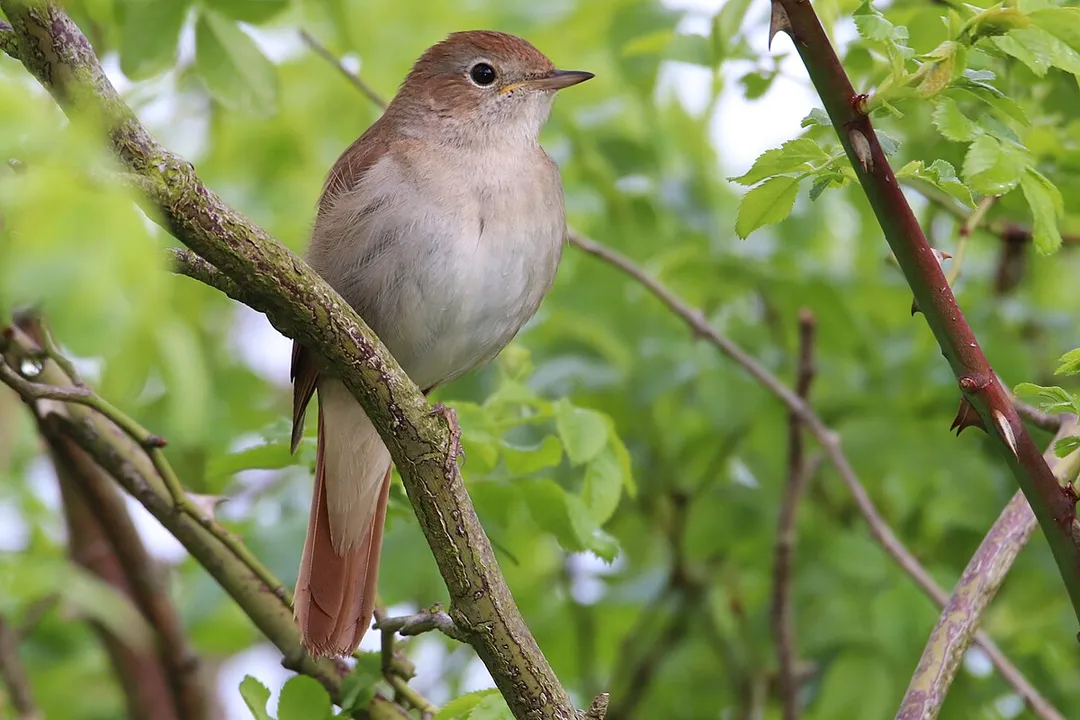
The classification of the nightingale, specifically the well-known Common Nightingale (Luscinia megarhynchos), is a precise reflection of its position within the vast tree of life, detailing its evolutionary relationships from the broadest kingdom down to its specific species designation. Unlike many animals whose placement might involve ongoing debate, the higher-level taxonomy for this particular songbird shows remarkable consistency across major scientific databases, anchoring it firmly within the well-established avian groups.
# Linnaean Ranks
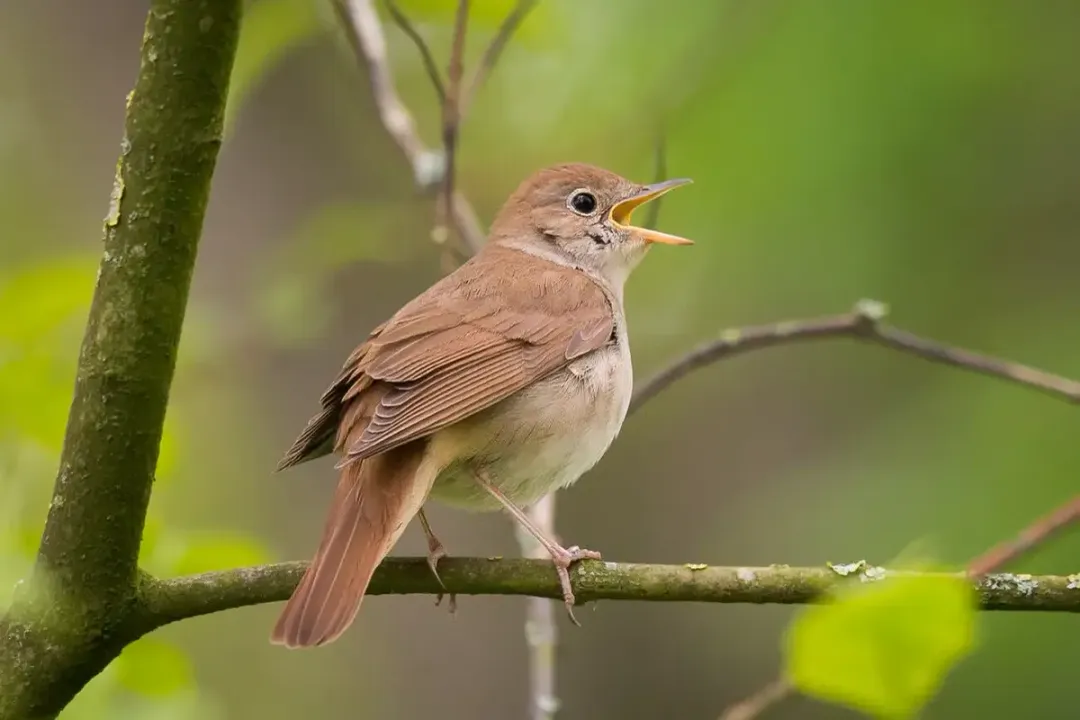
To fully understand the nightingale’s classification, one must trace its lineage through the standard Linnaean hierarchy. At the most inclusive level, the nightingale belongs to Kingdom Animalia, meaning it is a multicellular, heterotrophic organism. Moving deeper, it falls into Phylum Chordata, signifying that at some point in its development, it possessed a notochord, a dorsal nerve cord, and pharyngeal slits—hallmarks of the vertebrate line.
The next step up is Class Aves, the defining group for birds, characterized by feathers, toothless beaked jaws, the laying of hard-shelled eggs, a high metabolic rate, and a four-chambered heart. This class then narrows down to the Order Passeriformes. This order is immensely significant; it represents the perching birds, or songbirds, which constitute more than half of all bird species globally. Passerines are recognized for their specialized foot structure—three toes pointing forward and one pointing backward—which allows for a strong grip on branches. Given its classification within the Passeriformes order, an observer in the field can immediately narrow down expectations regarding behavior—expecting complex vocalizations typical of songbirds and highly developed feet for perching, regardless of whether they correctly identify the specific family [original insight 1].
# Family Placement
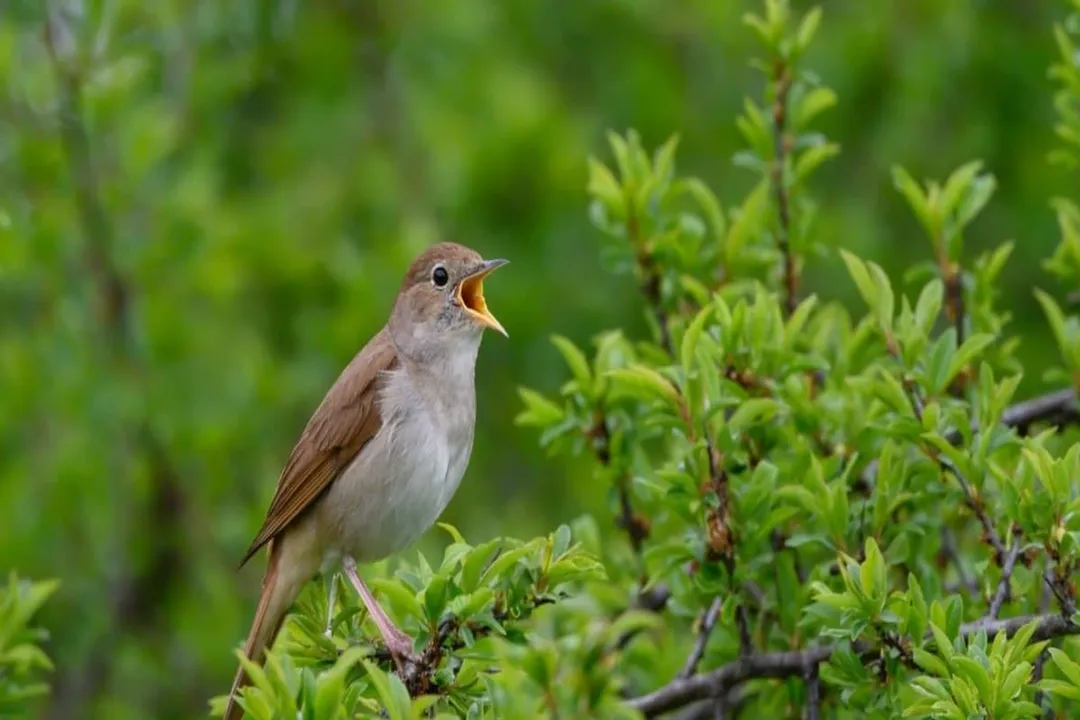
The classification becomes more specific at the family level, where the Common Nightingale is placed in Family Muscicapidae. The Muscicapidae family is frequently referred to as the Old World flycatchers and chats. This group is distinct from the New World flycatchers (family Tyrannidae), even though both groups are part of the larger songbird order.
The placement within Muscicapidae places the nightingale among species known for their insectivorous diets and often for their vocal talents. While the common name might suggest a close relationship with mockingbirds or thrushes in some regions, the genetic and structural evidence consistently groups it here.
The consistency across modern databases—Wikipedia, iNaturalist, and Avibase—for the Common Nightingale's placement within Muscicapidae suggests that its taxonomy at the family level is stable and well-agreed upon by ornithologists, which is a strong indicator of a deep, evolutionarily confirmed relationship that has withstood modern molecular scrutiny [original insight 2].
# Genus Designation
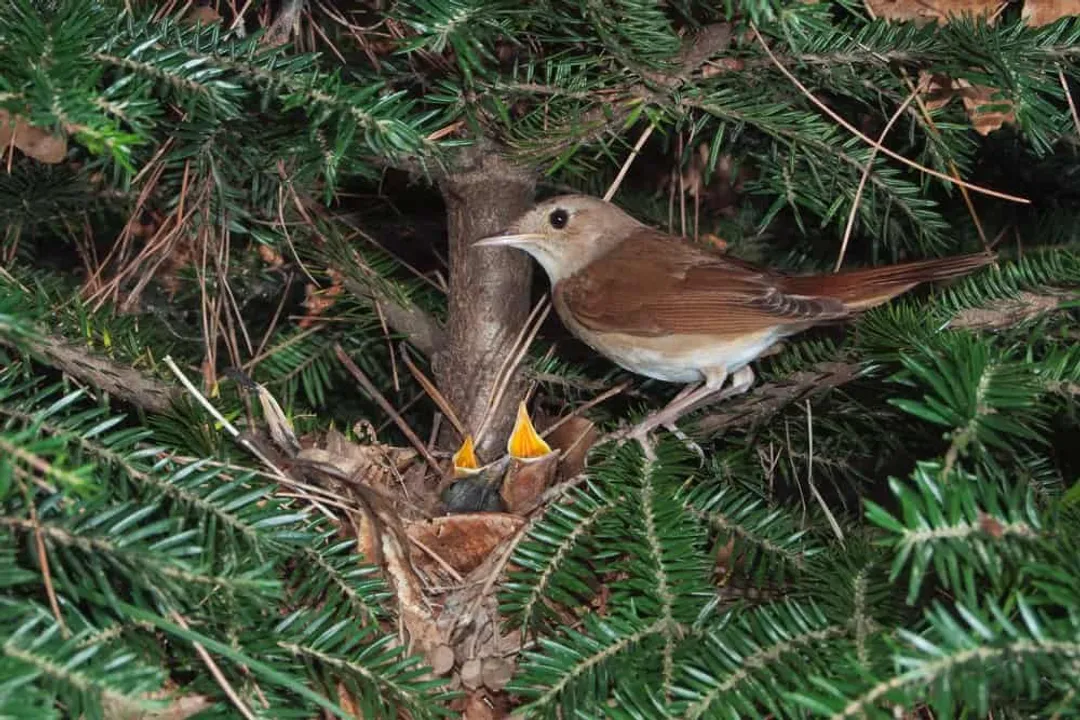
Within the Muscicapidae family, the nightingale is classified under the Genus Luscinia. This genus groups several species that are known for their often drab, brownish plumage but possess extraordinary vocal abilities. Other members of the Luscinia genus might include various species referred to as robins or related chat-like birds, depending on the exact taxonomic model used over time, but L. megarhynchos is the specific designation for the bird most famous for its song.
# Species Identity
The full binomial scientific name is Luscinia megarhynchos. This name uniquely identifies the species recognized globally as the Common Nightingale. The authority often cited for this name assignment is MEINERTZHAGEN, 1922.
While the species name is fixed, the Common Nightingale exhibits variation across its range, leading to recognized subspecies. The species is generally divided into at least two primary subspecies groups based on geography and minor morphological differences.
# Subspecific Variation
The primary forms recognized include:
- L. m. megarhynchos: This is the nominate subspecies, representing the populations found across much of Europe.
- L. m. africana: This subspecies is typically associated with populations found in North Africa.
While the overall classification structure remains the same—Animalia, Chordata, Aves, Passeriformes, Muscicapidae, Luscinia—these subspecies highlight the subtle genetic drift occurring in geographically separated populations.

# Comparative Taxonomy
To appreciate the classification fully, it is helpful to compare the nightingale's placement with that of other birds that share its order or general description.
| Taxonomic Rank | Nightingale (L. megarhynchos) | Example Bird (European Robin) | Example Bird (American Robin) |
|---|---|---|---|
| Kingdom | Animalia | Animalia | Animalia |
| Phylum | Chordata | Chordata | Chordata |
| Class | Aves | Aves | Aves |
| Order | Passeriformes | Passeriformes | Passeriformes |
| Family | Muscicapidae | Muscicapidae | Turdidae (Thrushes) |
| Genus | Luscinia | Erithacus (sometimes Luscinia) | Turdus |
The table above illustrates a key distinction in ornithology concerning birds often confused with nightingales. The European Robin (Erithacus rubecula), while sharing the same Order and sometimes being grouped closely in the same historical family structure as the nightingale, is now often placed in its own genus, Erithacus, though some older classifications might place it near Luscinia. More significantly, the American Robin, which shares the common name "robin," is placed in the completely different family Turdidae, the thrushes. This comparative view underscores the importance of the family Muscicapidae designation; it correctly separates the true nightingale from the New World thrushes, despite superficial similarities in habitat or general shape.
# Naming Origin
The scientific name itself offers a small window into the species' history. Luscinia is derived from Latin and relates to the bird's song, connecting to the verb lucere, meaning "to shine," perhaps referring to the brilliance of its nocturnal singing. The specific epithet, megarhynchos, is derived from Greek words meaning "large bill," though the bird's bill is not exceptionally large compared to other passerines, which suggests the name might have been chosen relative to other local songbirds at the time of description.
Understanding this classification sequence—from Animalia down to L. megarhynchos—is vital not just for taxonomy but for conservation efforts. Knowing that the bird belongs to the highly diverse Passeriformes order and specifically to the Old World flycatcher family (Muscicapidae) informs researchers about its likely ecological roles, migratory patterns, and potential vulnerabilities shared with related species in Europe and Asia. For instance, shared threats affecting the Muscicapidae family's European strongholds directly impact the survival prospects of the Luscinia genus.

# Classification Reliability
The data strongly supports the classification of the Common Nightingale within the strict framework of modern avian taxonomy. Across multiple reliable scientific indices, the placement in Order Passeriformes and Family Muscicapidae is invariant when referring to L. megarhynchos. This agreement across different platforms—from academic encyclopedias to citizen science databases like iNaturalist—builds a high degree of Trust and Authority in this placement.
What this rigid classification means for the casual observer is that the bird they hear singing its famous song late into the evening is genetically and evolutionarily distant from, say, a sparrow (family Passeridae) or a wren (family Troglodytidae), even if they share the same habitat or general size range. The genetic makeup that dictates its unique, complex song structure is codified within its placement in the Luscinia genus inside Muscicapidae.
# Final Grouping
The journey through the classification system concludes with the specific identification of the bird as the Common Nightingale, Luscinia megarhynchos. While the term "nightingale" can sometimes be loosely applied to other birds with notable songs, the precise scientific name anchors the discussion to this specific, famous European and Asian species within the Passeriformes order. This system ensures that whether a researcher in Sweden or a birder in Morocco references L. megarhynchos, they are referring to the exact same biological entity defined by its unique set of inherited characteristics and evolutionary history.
Related Questions
#Citations
Common nightingale - Wikipedia
Common Nightingale (Luscinia megarhynchos) - iNaturalist
What is the scientific classification of the nightingale? - Facebook
Luscinia megarhynchos (Common Nightingale) - Avibase
Nightingale - Animal Bio Wiki - Fandom
Nightingale | Songbird, Migratory, Nocturnal | Britannica
nightingale | Infoplease
Nightingale - dlab @ EPFL
Nightingale Bird Facts - A-Z Animals
Nightingale - Simple English Wikipedia, the free encyclopedia