What is the classification of a sun bear?
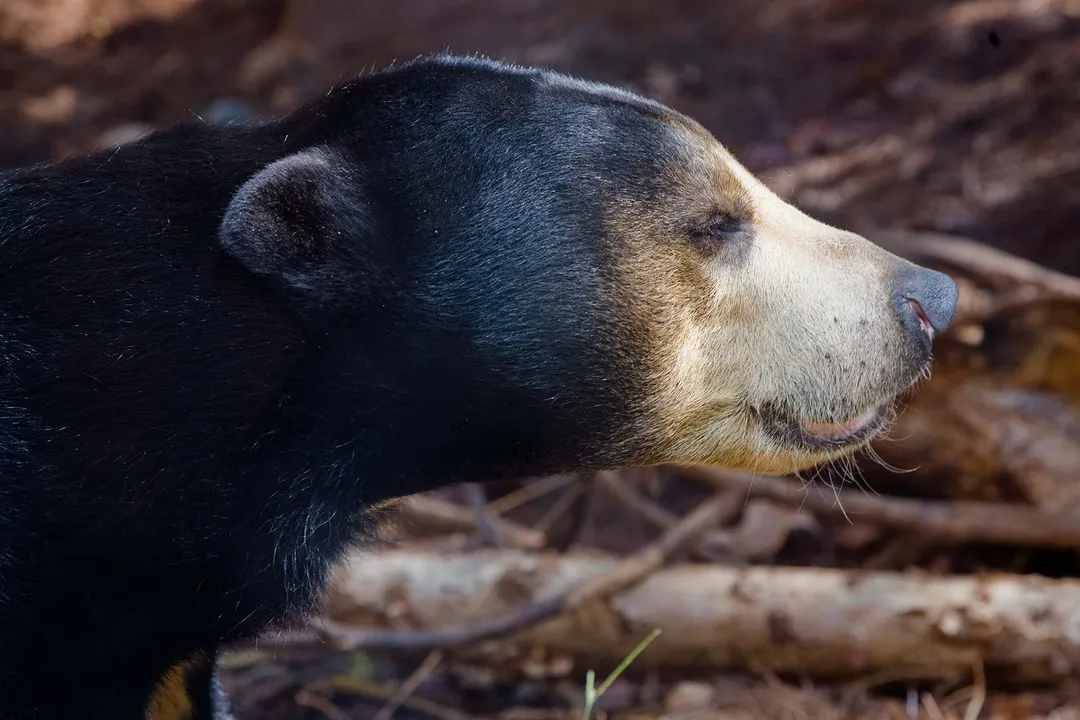
The precise placement of the sun bear (Helarctos malayanus) within the sprawling tree of life is a topic that reveals much about bear evolution and biogeography. While they are instantly recognizable by their short black coat and bright, chest-marking—the feature that lends them their common name—understanding their classification requires looking past their physical traits and into their genetic history. For many general observers, the sun bear is simply another member of the Family Ursidae, the group that encompasses all true bears. [1][5]
# Rank Structure
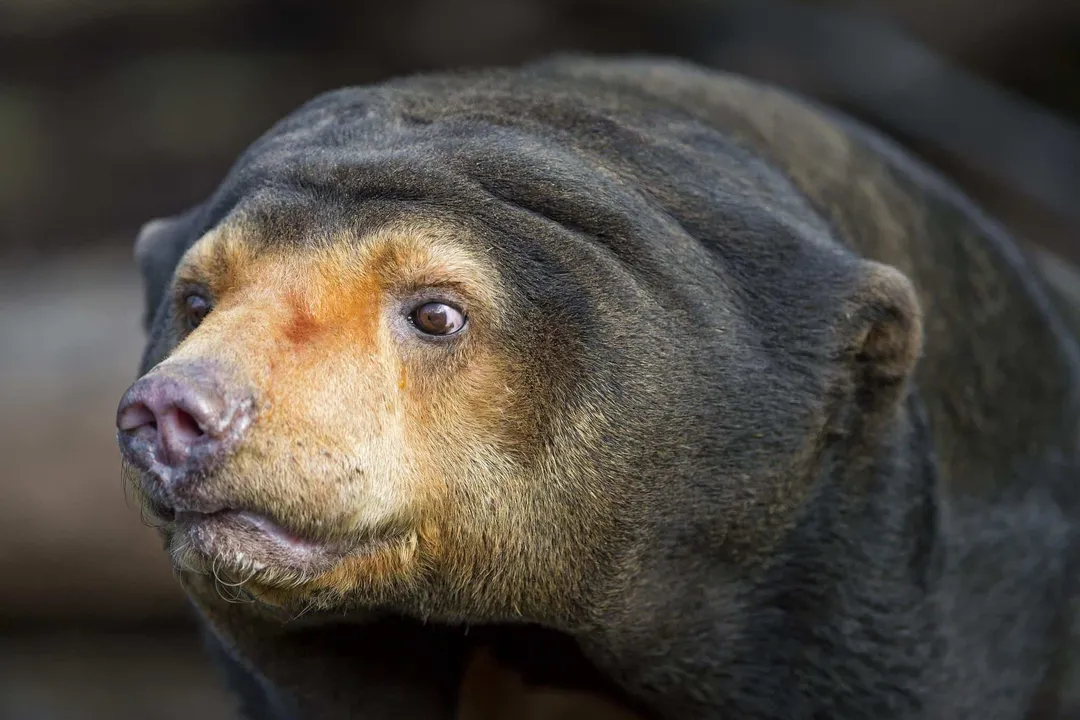
The classification begins at the highest levels, firmly establishing the sun bear as a familiar type of creature. Like all bears, it resides within the Kingdom Animalia. [4] Moving down the hierarchy, it belongs to the Phylum Chordata, signifying it possesses a backbone, and the Class Mammalia, confirming it is warm-blooded, gives live birth, and nurses its young. [2][4] The sun bear's lifestyle, however, places it squarely within the Order Carnivora. [4][5] Although the term "carnivore" suggests a meat-only diet, this order encompasses a diverse group, including seals, dogs, and cats, and in this case, the bear family. [4]
The next level brings us into the bear family itself: Family Ursidae. [1][4] Within Ursidae, the sun bear shares its lineage with its relatives, such as the American black bear, the sloth bear, and the polar bear. [1]
| Taxonomic Rank | Scientific Name | Citation Support |
|---|---|---|
| Kingdom | Animalia | [1][4] |
| Phylum | Chordata | [1][4] |
| Class | Mammalia | [1][4] |
| Order | Carnivora | [1][4][5] |
| Family | Ursidae | [1][4] |
| Genus | Helarctos | [1][4] |
| Species | H. malayanus | [1][4] |
# Genus Uniqueness

What truly sets the sun bear apart taxonomically is its Genus, Helarctos. [1][7] The sun bear is the only extant species classified within this genus, making it a monotypic genus. [1][4] The name itself is derived from Greek, combining hēlios (sun) and arctos (bear), a direct nod to its most famous feature. [1] The creation of this separate genus was proposed by Thomas Horsfield in 1825, following Stamford Raffles' initial description of the species in 1821 under Ursus malayanus. [1]
This specific genus placement highlights an evolutionary divergence that is quite interesting when considering the bear family as a whole. Genetic sequencing studies reveal that the sun bear and the sloth bear (Melursus ursinus) represent the first lineages to radiate out from the main Ursinae group, meaning they split off earlier than the Ursus clade (which includes brown bears and black bears). [1] Furthermore, the genetic distance separating the sun bear and the black bear lineage is estimated to be around 5.9 to 3.5 million years ago, based on some analyses. [1] It is noteworthy that fertile hybrids between sun bears and sloth bears have been produced, which historically led some researchers to propose that Helarctos should perhaps be treated as a synonym for Melursus—though subsequent studies have not fully confirmed this close relationship. [1] This unique positioning—a tropical specialist isolated into its own genus after an early divergence—makes the sun bear a fascinating subject for understanding how the Ursidae family adapted across different climates.
# Subspecies Definition
While the genus Helarctos is monotypic, the species H. malayanus is often recognized as having two distinct subspecies, though some scientific perspectives lean toward considering the species entirely monotypic. [1] This debate about accepted subspecies count creates a minor point of divergence across different classification databases and zoos, which impacts how populations are managed and studied. [1]
The two recognized subspecies are defined primarily by geography and subtle morphological differences, particularly skull size:
- Helarctos malayanus malayanus: This is the nominate subspecies, found across mainland Southeast Asia and the island of Sumatra. [1]
- Helarctos malayanus euryspilus: This subspecies is restricted to the island of Borneo and is differentiated by having a smaller skull than its mainland counterpart. [1]
The status of other historical designations, like H. anmamiticus described from Annam, has been resolved, usually being sunk as a junior synonym under H. m. malayanus. [1] The scientific community continues to analyze genetic differences between the two main subspecies, but for conservation management, recognizing potential regional differences, even if subtle, is often prudent. [1]
# Classification Context
The sun bear's classification as the smallest bear species is a key trait intrinsically linked to its adaptation to its environment. [2][4] Its physical characteristics—the short, sleek fur, inward-turned feet, and powerful claws—are all adaptations for its highly arboreal lifestyle in the hot, dense tropical forests of Southeast Asia. [1][4]
The difference between the sun bear and its closest relatives, like the Asian black bear (or moon bear), often comes down to morphology and behavior directly related to climate. For instance, while the Asian black bear hibernates in colder periods, the sun bear does not. [2][4] Because its tropical habitat provides year-round access to food, the need for a prolonged dormant state is eliminated, which is reflected in its overall classification as a species adapted to stable, warm conditions. [4] The biological classification, therefore, is not just a set of labels but a summary of millions of years of evolutionary pressure from its environment.
It is interesting to consider how established biological records, which underpin conservation efforts, reflect this taxonomic fluidity. For example, while one major taxonomic database (like the one hosted by GBIF) might interpret its classification based on a primary source like Wikipedia, a major conservation organization or zoo might use slightly different parameters regarding subspecies acceptance. [1][8] This slight variance between seeing the sun bear as having two subspecies versus being purely monotypic is an important, if subtle, aspect of its scientific standing. For conservation, the understanding that the Bornean population (H. m. euryspilus) is geographically isolated and potentially distinct is critical, even if the genetic evidence is "obscure" as some studies suggest. [1] This recognition forces conservation action plans, such as those managed by organizations like the Association of Zoos and Aquariums, to track these regional groups separately within captive breeding programs. [1]
# Naming Authority
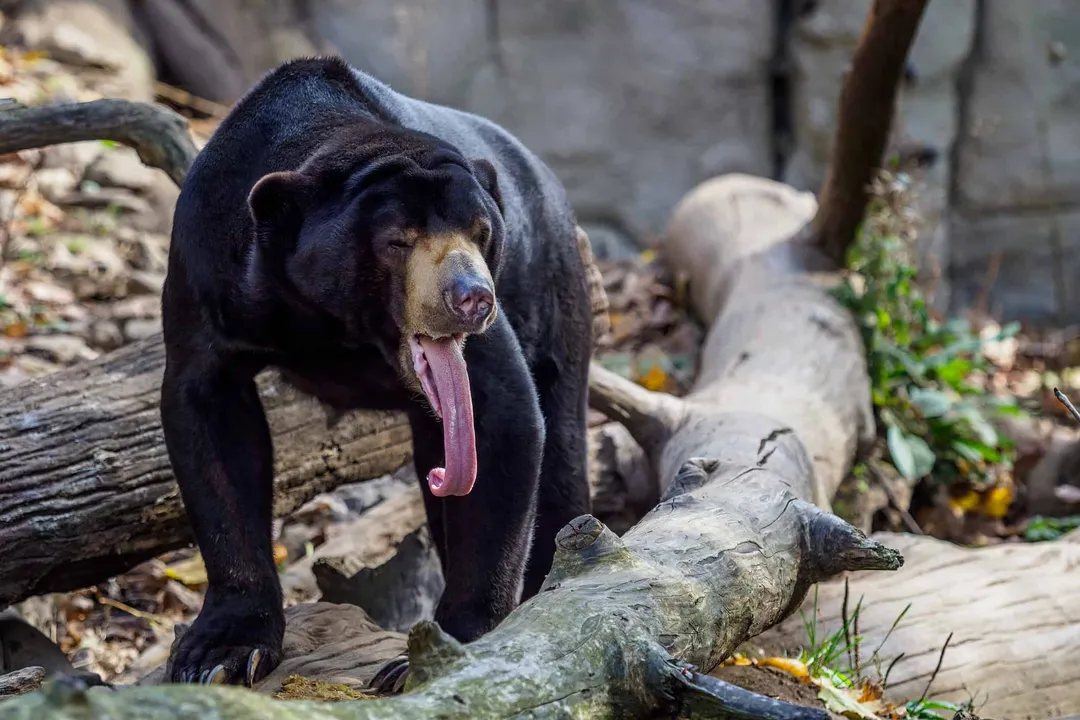
The formal scientific naming provides a chronological record of scientific understanding. The binomial nomenclature Helarctos malayanus links the bear to its discoverers and the evolving understanding of its place in the bear family. [1] Raffles initially classified it as Ursus malayanus in 1821. [1] The crucial step came the following year, 1825, when Horsfield separated it into its own genus, Helarctos. [1] This shift from Ursus (the genus of most other extant bears) to Helarctos formally acknowledged the unique characteristics that differentiate it significantly from species like the brown bear or the American black bear—characteristics that are clearly reflected in its physical structure, such as the inward-turned feet and exceptionally long tongue. [1][4]
The classification of Helarctos malayanus is thus a snapshot of its evolutionary history. It confirms its membership in the bear family while simultaneously isolating it into a unique genus, reflecting an early evolutionary split from its northern relatives, all while adapting perfectly to the dense, warm, insect-rich environment of Southeast Asia. [1][2] This complex placement, showing both deep ancestral ties and recent unique specialization, underscores why understanding its taxonomy is essential to protecting the world's smallest bear. [2]
Related Questions
#Citations
Sun bear - Wikipedia
Sun Bear Fact Sheet | Blog | Nature - PBS
Sun Bear Animal Facts - Helarctos malayanus
Sun bear (Helarctos malayanus) longevity, ageing, and life history
Helarctos malayanus (sun bear) - Animal Diversity Web
Helarctos malayanus (Raffles, 1821) - GBIF
Sun Bear – A Guide to Bears
Malayan Sun Bear - Zoo Atlanta