What are the five classifications of chickens?
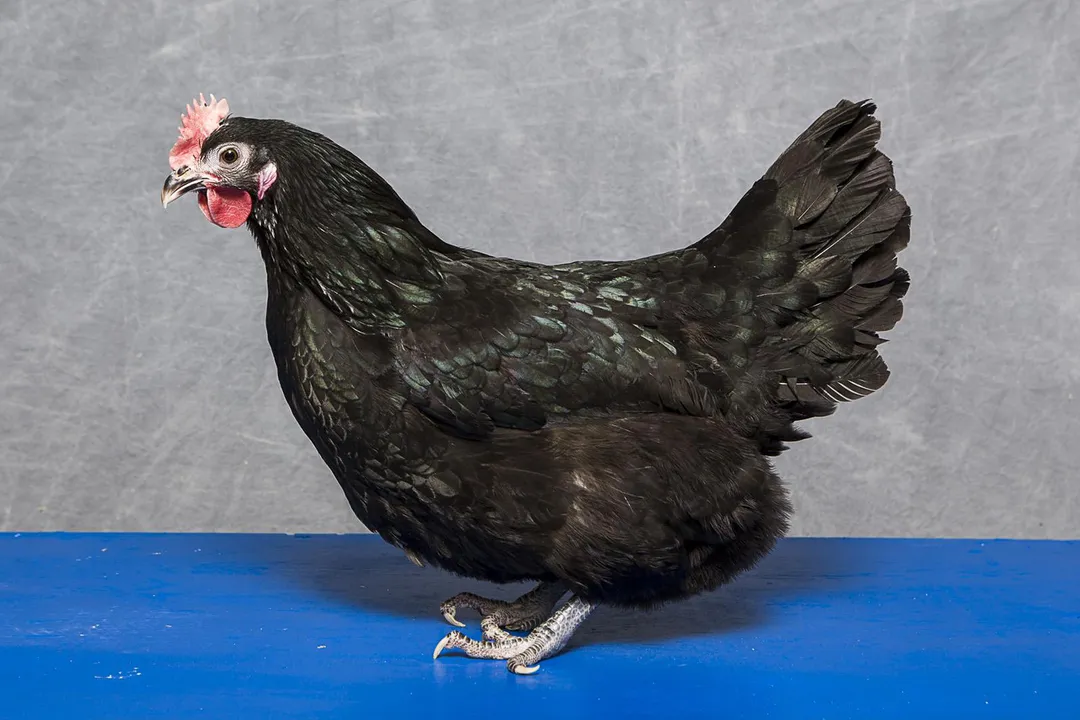
The world of domestic fowl is far more varied than many casual observers realize, extending well beyond the familiar brown-egg layers or meat birds seen on large farms. To bring order to this diversity, poultry experts and organizations have long classified chicken breeds into distinct groups based primarily on their historical origin and shared physical characteristics. While the United States Department of Agriculture (USDA) has recently modernized some of its classifications for the 21st century, [8] the established system, often revolving around five major classes recognized by bodies like the American Poultry Association (APA), [4] remains a fundamental way to understand breed heritage and typical traits. [6] These classifications—American, Asiatic, English, Mediterranean, and Continental—offer a practical shorthand for breeders and backyard keepers alike, hinting at everything from body shape and temperament to the bird's primary utility. [7] Understanding these groupings is key to selecting the right birds for a specific environment or goal, whether that is maximizing egg production, excelling in the show ring, or simply finding a placid backyard companion. [5]
# American Breeds
The American class of chickens represents breeds developed within the United States, often showcasing a history focused on dual-purpose utility—meaning they were bred to provide both respectable meat carcasses and consistent egg production. [6] These birds generally possess a hardy constitution, making them well-suited to a variety of climates, though breeders should always check specific breed hardiness against their local weather patterns. [7] Typically, American breeds are medium to large in size, possessing a full, broad body that speaks to their heritage as efficient producers. A characteristic often noted is their relatively upright carriage and generally calm demeanor, although individual breed temperaments can vary significantly. [5]
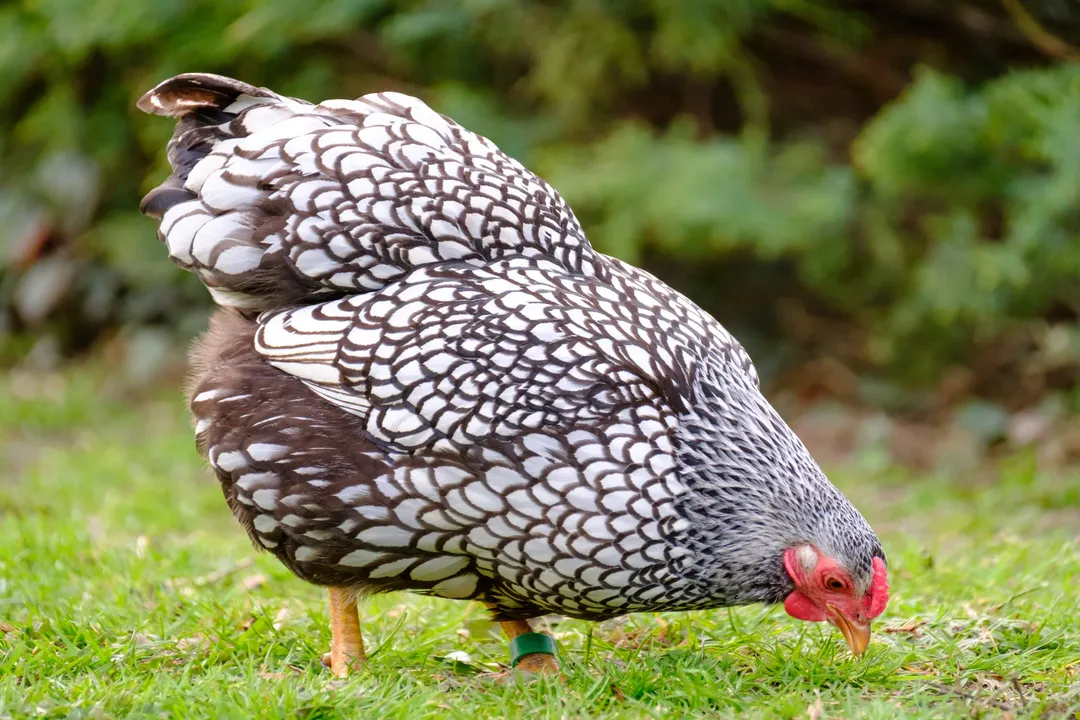
Take, for example, the Plymouth Rock. This breed is perhaps the quintessential American farm bird. They are known for being docile, making them excellent choices for families or first-time chicken owners. [5] Their feathered legs and barred plumage pattern are distinctive, and they are reliable layers of brown eggs. [4] Another prominent member is the Wyandotte, which, despite its name suggesting an origin elsewhere, was developed in the US and classified within this group. Wyandottes are recognized for their beautifully rounded appearance, achieved through their dense, laced feathering and a unique rose comb, a feature that helps prevent frostbite in colder climates. [4]
The Rhode Island Red stands out as another pillar of this classification. Renowned for its exceptional laying ability—often rivaling specialized Mediterranean breeds—the Rhode Island Red is also sturdy enough to be processed for meat when its laying career wanes. [7] They are typically active foragers and require ample space to roam, exhibiting the spirited nature characteristic of many dual-purpose birds. When considering adding an American class bird to a flock, one should value their dependability and versatility; they are the workhorses of the chicken world, designed for performance across seasons and functions. [6]
# Asiatic Origins
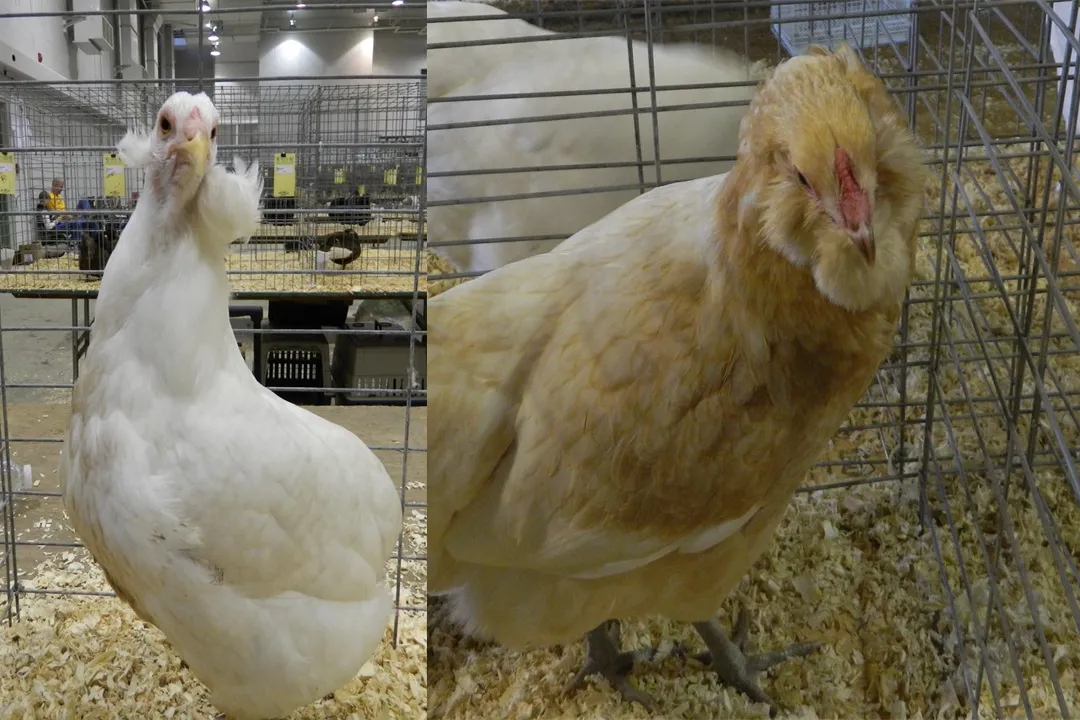
The Asiatic class draws its heritage from the far East, primarily China, Japan, and the Malay Peninsula. [4] These breeds present a striking contrast to their American and European counterparts, immediately recognizable by several defining physical traits. Foremost among these are their distinctive feathering patterns, which often include feathered legs and feet, a feature rarely seen in other major classes. [6] Furthermore, birds in this group frequently display significant differences in comb type, commonly featuring the single comb, though some possess the pea comb, which sits low on the head. [4]
In terms of body structure, Asiatic breeds tend to be broad and heavily built, often appearing lower to the ground than other types. [6] Temperamentally, they are frequently described as calm, placid, and somewhat reserved. [5] This slower pace means they may not be the most enthusiastic foragers compared to active breeds like the Rhode Island Red, but their steady nature can be a significant benefit in mixed-breed flocks where minimizing conflict is a goal.
The Cochin is a prime example, known for its massive size and abundant, fluffy plumage that gives it an almost spherical appearance. [4] They are famously docile and often exhibit strong maternal instincts, sometimes being used as broody mothers for hatching eggs from less reliable layers. The Brahma, another giant of the Asiatic group, shares the feathered legs and placid disposition but is typically taller and more stately in stature. Brahmas are often favored for their ability to lay through the winter months, a testament to their dense feathering and robust nature. [6] Understanding the Asiatic group means appreciating birds bred for presence, hardiness against cold, and a gentle nature, even if their egg output is generally moderate compared to specialized layers. [7]
# English Standards
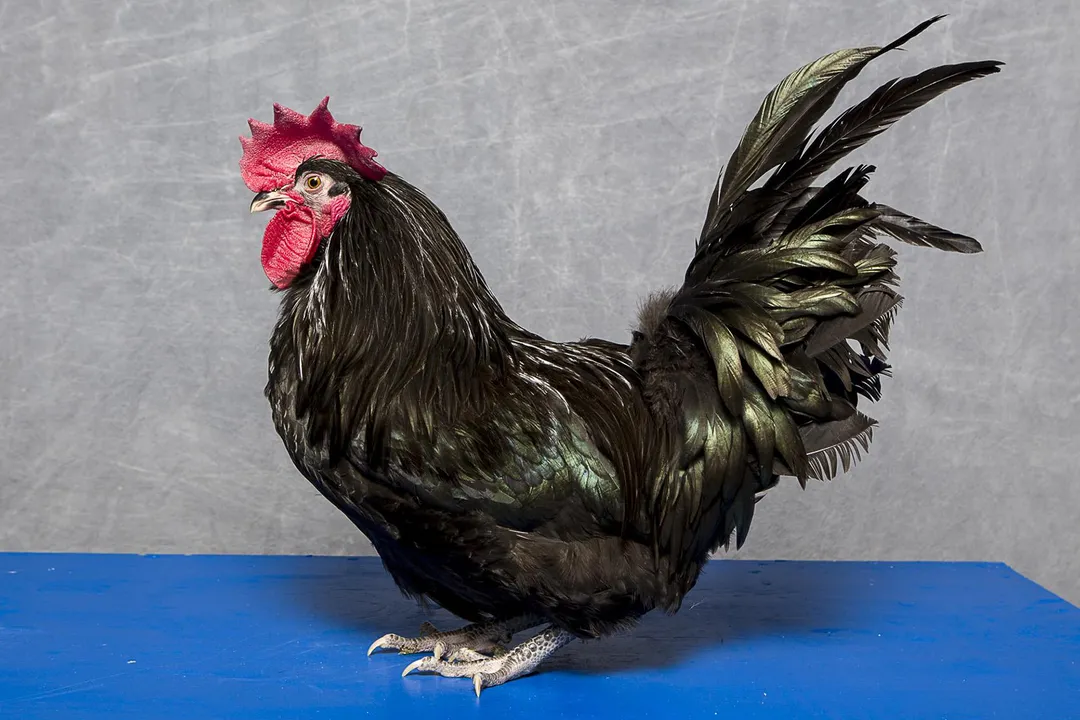
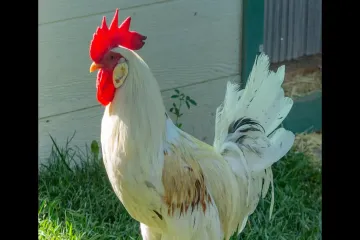
The English class represents breeds that were refined on the British Isles, often with specific goals in mind related to utility in the often-damp and cool British climate. [4] These birds generally prioritize meat quality and good carcass conformation, though many are also competent layers. [6] In appearance, English breeds often possess a more rectangular or blocky body shape compared to the rounder Asiatic birds or the upright Americans. They are generally hardy, a necessity for their homeland, and typically exhibit active, sometimes somewhat reserved, temperaments. [5]
The Orpington is arguably the most famous breed in this classification. Bred in the town of Orpington, Kent, these birds were initially developed to be excellent dual-purpose fowl with heavy plumage to handle the weather. They are renowned for their extremely gentle disposition, making them another top choice for households with children or those seeking very calm flock members. [4][5] Their soft, fluffy feathering adds to their appearance of bulk and warmth.
Another significant breed is the Dorking, one of the oldest known chicken breeds in existence. [4] Dorkings are distinguished by their broad, long body, relatively short legs, and, most notably, five toes instead of the standard four found on most other breeds. [6] Historically, they were highly valued for the quality of their white meat. While perhaps less common in small backyard setups today than the Orpington, the Dorking exemplifies the English focus on superior carcass traits and classic form. [4] A key characteristic to note about the English breeds is their inherent sturdiness; they often look robust, and they usually are, built for sustained production under less-than-ideal conditions. [7]
# Mediterranean Traits
Breeds falling under the Mediterranean classification hail from the sunnier, generally warmer regions surrounding the Mediterranean Sea, including Greece, Italy, and Spain. [4] This geographical origin heavily influences their shared physical traits. Most notably, Mediterranean breeds are famous for their exceptional egg-laying capabilities, often producing large numbers of white eggs consistently. [6][7]
To cope with warmer climates, these birds have evolved to have less dense body mass and often display large, prominent combs and wattles. These extensive fleshy features act as radiators, helping the bird dissipate excess body heat. [4] This adaptation makes them generally less tolerant of severe, prolonged cold snaps compared to their heavily feathered English or Asiatic cousins.
The Leghorn is the undisputed champion of this group, famous worldwide as a prolific white-egg layer. [4] Leghorns are typically active, alert, and relatively slender, not built for the meat market but purely for production efficiency. While they are excellent producers, their higher activity level and less dense feathering mean backyard keepers in cold regions must pay special attention to protection from wind and frostbite. [5]
Another important member is the Minorca, the largest of the white-egg breeds from this region. They possess a characteristic large single comb and large earlobes, and they are known for their high egg production and striking appearance. [4] The Ancona, recognizable by its mottled black and white plumage, is another Mediterranean layer that thrives in warmer conditions. When selecting a Mediterranean breed, the keeper is making a trade-off: high egg volume for potentially lower cold tolerance and a more flighty temperament than, say, an Orpington. [7]
# Continental Grouping
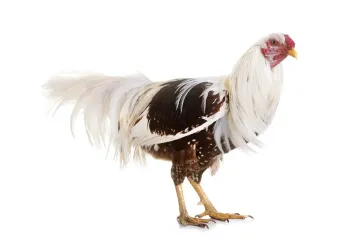
The fifth major classification often groups together breeds that do not fit neatly into the American, Asiatic, English, or Mediterranean categories, frequently referred to as the Continental class. [4] This group is incredibly diverse, encompassing breeds developed across mainland Europe, from the Netherlands to France and Germany. Because the grouping is defined by exclusion rather than a singular shared purpose, the characteristics within this class are highly varied, spanning meat birds, layers, and ornamental types. [6]
One of the most striking and well-known Continental breeds is the Hamburg. These birds are easily identified by their unique crest (a tuft of feathers on the head) and their striking black-and-white spotted plumage, although they come in other colors. [4] Hamburgs are historically known as excellent layers, though they tend to be active and can be somewhat flighty, requiring secure enclosures. [5]
The Wyandotte was briefly mentioned earlier as American, but its close relatives often fall here depending on the specific registry used, highlighting the fluidity in classification systems, which is why the USDA has sought an upgrade. [8] Another notable Continental breed is the Silver-Laced Polish, famous for its distinctive, large crest of feathers that sprouts from the top of its head, giving it a comical and distinctive appearance. [4] These breeds are often favored by keepers who value unique aesthetics and history. [6]
When evaluating a Continental breed, it is essential to look beyond the general classification and research the specific breed's background. For instance, a French breed might have traits geared toward pâté production, while a Dutch breed might be a hardy, standard egg layer. [7] This group rewards the keeper willing to dig into the specifics, as it contains some of the most visually unique birds in the poultry fancy. [4]
# Class Nuance and Practical Selection
It is worth noting that these five classes, primarily derived from historical show standards like those set by the APA, [4] sometimes cause confusion for modern keepers focused purely on productivity. For example, the utility-focused Rhode Island Red is classified as American, but its laying output rivals that of Mediterranean birds like the Leghorn. [7] This tells us that origin dictates the classification, not necessarily current performance metrics. A keeper focused solely on maximizing brown egg output might look at an American bird like the RIR, an English bird like the Sussex (though not explicitly named, fitting the description), and a Mediterranean bird like the Minorca, realizing that the classification is a starting point for pedigree, not a guarantee of performance niche. [6]
When choosing birds for a small operation, an excellent analytical exercise is to plot the classes against two key variables: Cold Hardiness and Egg Output Potential. If you live in a region with harsh winters, breeds from the English and Asiatic classes often offer an inherent advantage due to their body types and feathering designed for colder climates. [5] However, if your primary goal is filling the egg basket with white eggs year-round, the Mediterranean class will likely deliver the highest raw numbers, provided you can manage their need for warmer shelter during cold snaps. For the beginner seeking a bird that does a little bit of everything and is friendly, the American class often provides the best balance of temperament and utility, acting as a reliable baseline against which to measure specialized breeds. [7]

# The Modern Context of Classification
The enduring use of these five historical classifications highlights a fascinating aspect of agriculture: tradition holds significant weight, even as science advances. [8] While the historical groups based on geographic refinement are useful for understanding breed aesthetics and heritage, modern breeding is often driven by quantitative traits like Feed Conversion Ratio (FCR) or specific disease resistance, factors not explicitly sorted into the APA categories. [4] The USDA's movement to update classifications reflects this shift toward data-driven standards relevant to today's industry, though the traditional classes remain vital for the poultry fancy and small flock hobbyist. [8] For the enthusiast, these five groups provide a structure for appreciating the breadth of genetic material available, from the ornate feathering of the Asiatic giants to the sleek efficiency of the Mediterranean layers. It is a system that honors where the birds came from as much as what they do now.
#Videos
5 Types of Chickens You Should Know About - YouTube
Related Questions
#Citations
5 Types of Chickens You Should Know About - YouTube
[PDF] PRODUCTION CLASSES - Delaware State
Poultry Types: Chicken | Animal & Food Sciences
Chicken breeds recognized by the American Poultry Association
Chicken Breeds - Poultry Keeper
Poultry Breed Classes - EcoFarming Daily
SELECTING A CHICKEN BREED FOR SMALL OR BACKYARD ...
Poultry Classifications Get a 21st Century Upgrade - USDA
Breeds of Chickens: The Ultimate Backyard Flock Guide