What is the general classification of a squirrel?
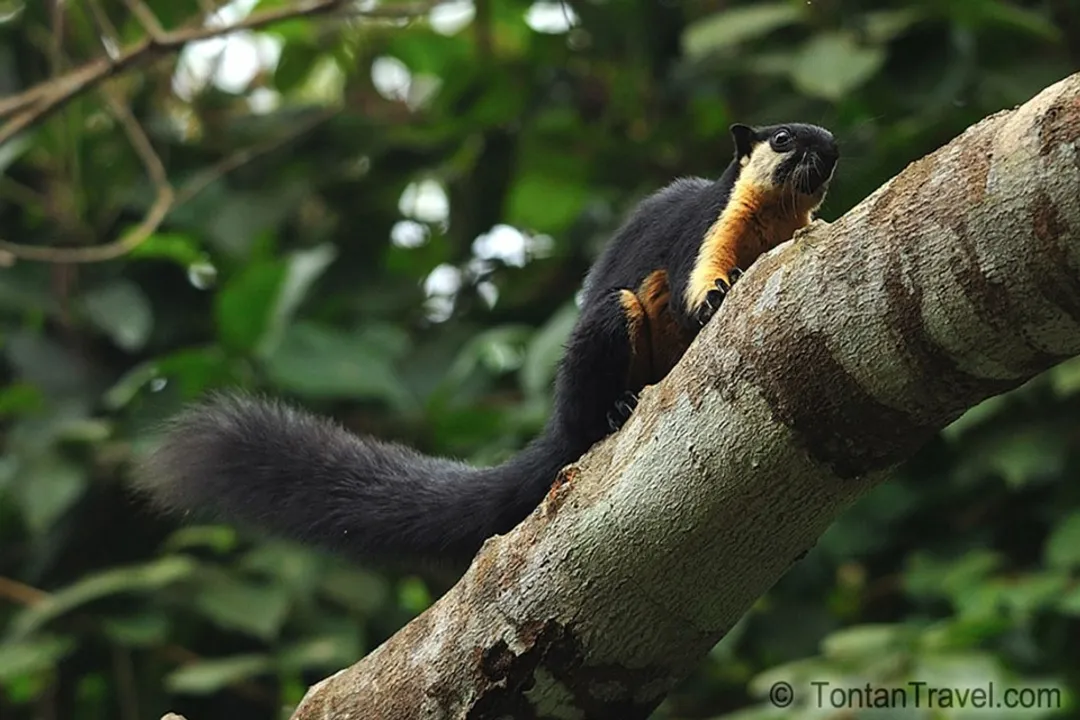
The common squirrel, often seen darting across lawns or scampering up the nearest oak tree, is instantly recognizable, yet its precise scientific placement is part of a much larger, intricate biological story. When we look at what a squirrel is from a classification standpoint, we immediately place it within the largest order of mammals known globally: the Rodentia. This places squirrels squarely among the gnawing mammals, a group characterized by a single pair of continuously growing incisors in both the upper and lower jaws.
# Mammalian Order

The journey up the taxonomic ladder begins with the basics of biology. Squirrels belong to the Class Mammalia, meaning they are warm-blooded vertebrates that nurse their young with milk and typically possess hair or fur. From there, they fall into the Order Rodentia. This order is incredibly successful and diverse, containing more species than any other order of mammals. The key defining feature linking a tiny dormouse to a massive capybara, and indeed, to the squirrel, is that characteristic ever-growing front tooth that requires constant wearing down through gnawing.
# Family Science

Moving down the hierarchy, the order Rodentia is further sorted into several families, and the squirrel’s specific home is the family Sciuridae. Animals classified under Sciuridae are often referred to generally as sciurids. This family is extensive, encompassing not just the familiar tree squirrels but also ground squirrels, chipmunks, marmots, and flying squirrels. While these groups exhibit vast differences in habitat, diet, and social structure, they share fundamental morphological and genetic similarities that unite them under this single family banner.
The presence of the family Sciuridae shows a significant evolutionary specialization within the larger rodent group, setting them apart from families like Muridae (mice and rats) or Cricetidae (hamsters and voles). Although specific members of the family might occupy vastly different ecological niches—from the subterranean life of a ground squirrel to the canopy dwelling of a tree squirrel—their classification under Sciuridae acknowledges their common ancestry and shared defining traits beyond just being rodents.
# Squirrel Subgroups
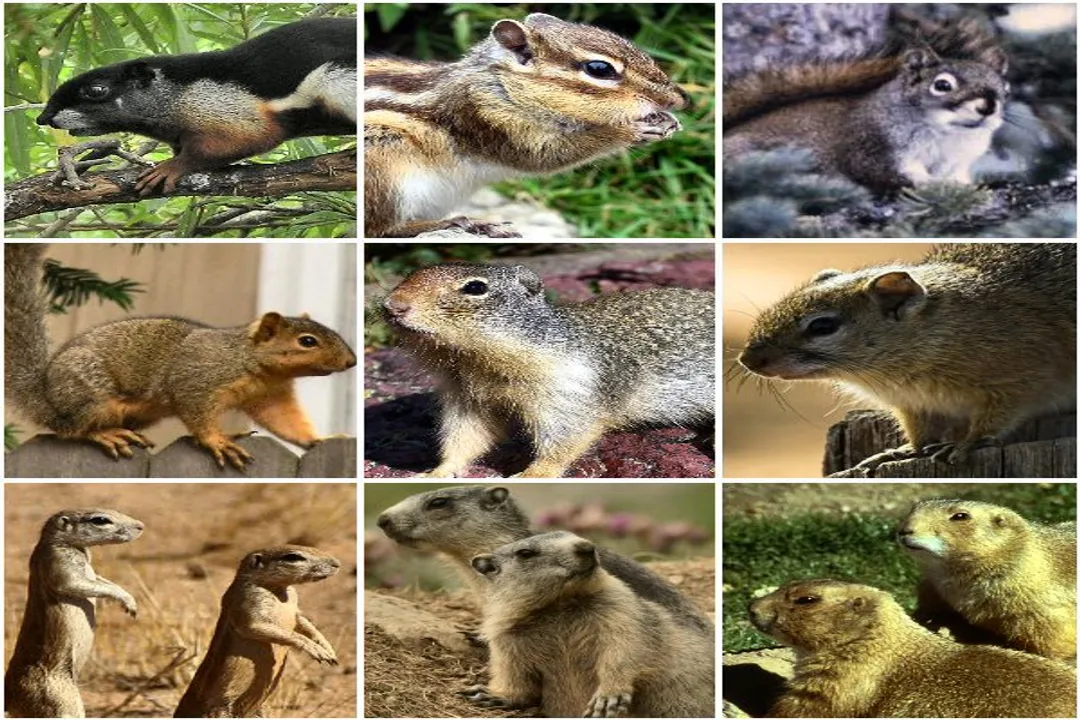
Within the Sciuridae family, the classification becomes more detailed, traditionally dividing members into distinct subfamilies based on morphology and lifestyle. These divisions help biologists organize the great diversity found within this one family.
The primary groups recognized are:
- Sciurinae: This subfamily traditionally contains the tree squirrels, although the classification can sometimes overlap or vary slightly depending on the taxonomic system used. This group generally includes the species most people picture when they hear "squirrel," those adapted for life in trees.
- Pteromyinae: These are the flying squirrels. Despite the name, they do not truly fly but rather glide using a furry membrane of skin called a patagium that stretches between their front and hind legs. They are specialized for an arboreal, gliding existence.
- Marmotinae: This group includes the larger, stockier ground squirrels, such as marmots and prairie dogs. These animals are far more terrestrial, often living in complex burrow systems.
It is interesting to note how the common names often hint at the evolutionary split. While a Red Squirrel (a tree squirrel) and a Ground Squirrel both belong to Sciuridae, their adaptation to life on the ground versus in the canopy has resulted in significant differences in anatomy, activity patterns, and social behavior that warrant separation into different subfamilies or tribes. A comparison of an Eastern Gray Squirrel (arboreal) and a Yellow-bellied Marmot (terrestrial) highlights this divergence within the shared family structure.
# Example Lineage
To truly grasp the general classification, seeing the specific lineage of a known species provides clarity. Take the common Eastern Gray Squirrel, Sciurus carolinensis, for example. Its full taxonomic placement demonstrates the classification system in action:
| Rank | Group |
|---|---|
| Kingdom | Animalia |
| Phylum | Chordata |
| Class | Mammalia |
| Order | Rodentia |
| Family | Sciuridae |
| Genus | Sciurus |
| Species | S. carolinensis |
This specific example shows that the genus Sciurus is where many of the well-known tree squirrels reside. The genus itself is a subgroup within the family Sciuridae. This nested hierarchy is fundamental to how biologists organize life on Earth, moving from the very broad categories (Kingdom) down to the most specific (Species).

# Diversification Insight
The placement of squirrels within the order Rodentia, specifically in the family Sciuridae, reveals a key evolutionary story. Unlike many other groups of rodents that rely heavily on seeds and grains exclusively, the Sciuridae family exhibits extraordinary dietary plasticity. For example, while a gray squirrel will absolutely consume acorns and nuts, many species within the family, particularly the ground squirrels and marmots, are known to consume significant amounts of vegetation, insects, and even small vertebrates when available. This broad adaptability, seen across species ranging from those living in the arid plains of Idaho to the dense forests of the eastern United States, suggests that the traits defining the Sciuridae family allowed its members to specialize successfully in numerous different ecological roles after diverging from other rodent lines.
When you see a squirrel, whether it’s diligently burying an acorn for winter—a behavior characteristic of many tree squirrels—or sunning itself near the entrance of a complex underground network—common for ground squirrels—you are witnessing the outcome of millions of years of adaptation within this single, successful rodent family. The fact that the family can support both the dedicated climber and the dedicated burrower speaks volumes about the foundational, yet flexible, morphology shared by all Sciuridae.
# Field Context
Understanding this classification helps explain why certain species might thrive in specific local environments. For instance, a regional wildlife guide might list various ground squirrels, chipmunks, and tree squirrels under the same general heading for local fauna, even though they behave very differently. If you are in a park setting where large, mature trees are dominant, you are statistically more likely to be observing species that fall into the Sciurinae lineage, adapted for navigating the branches. Conversely, if you are examining open grassland, the larger, more social marmots or prairie dogs, belonging to Marmotinae, are the expected occupants. Observing behavior, such as how they store food—some rely on scatter-hoarding across a wide area, others on centralized caches—provides an immediate, albeit informal, field classification clue regarding which major evolutionary branch of the squirrel family you are observing.
Related Questions
#Citations
Squirrel - Wikipedia
Squirrel Taxonomy | Wildlife Online
Squirrel | Types, Habits & Adaptations - Britannica
Types of Squirrels and Their Characteristics - Facebook
Sciurus carolinensis (eastern gray squirrel) - Tsammalex -
Squirrels | Research Starters - EBSCO
Sciurus carolinensis (Eastern Gray Squirrel) - Idaho Fish and Game
Squirrel - New World Encyclopedia
Sciurus carolinensis Eastern Grey Squirrel - Species Summary