What is the difference between a grasscutter and a cane rat?
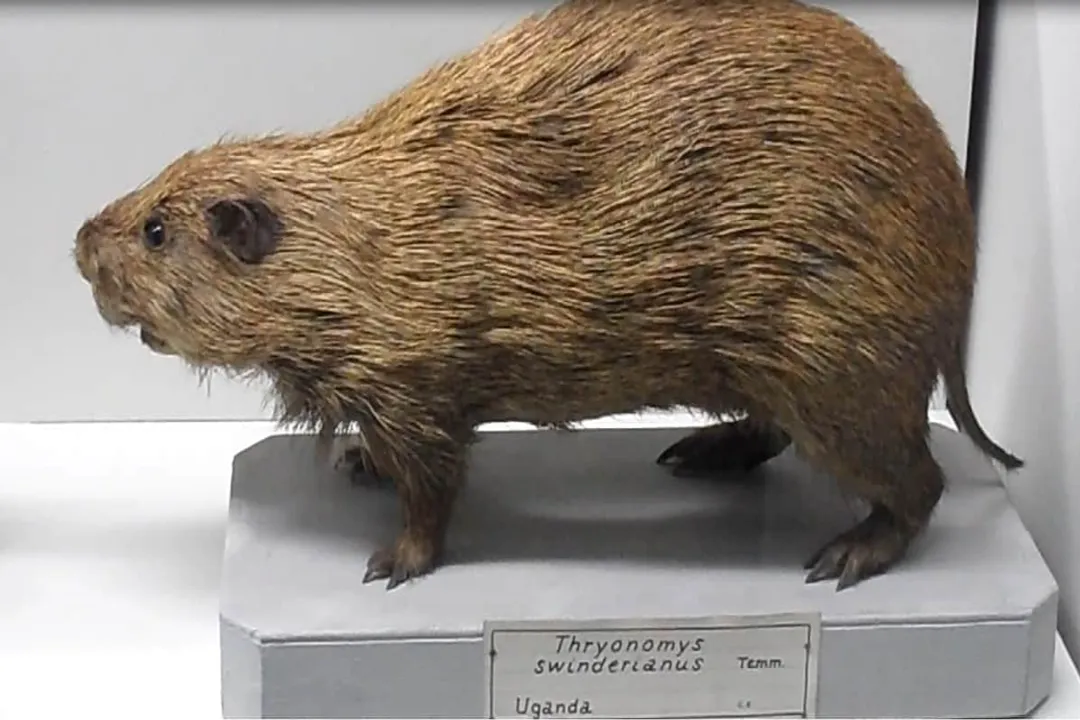
The terms grasscutter and cane rat frequently cause confusion because, in many contexts, they refer to the exact same animal: the Greater Cane Rat, scientifically known as Thryonomys swinderianus. [1][2][4] This is less a question of two distinct creatures and more an issue of regional naming preferences across West and Central Africa. While "cane rat" might sometimes be used as a general descriptor for rodents that inhabit cane fields or tall grasses, when associated with culinary or domestic use, it almost universally points to T. swinderianus. The key to clarity often lies in identifying the specific species being discussed, as there is also a smaller relative, the Thryonomys gregorianus, or Lesser Cane Rat, which shares the general cane rat moniker but differs in size and distribution.
# Rodent Classification
Belonging to the family Thryonomyidae, the Greater Cane Rat is not a true rat in the way the common Norway rat (Rattus norvegicus) is; rather, it belongs to its own distinct family. This classification places them firmly within the order Rodentia. Their appearance often leads to misidentification, as they possess a robust build that suggests a close relation to guinea pigs or agoutis, even though they are genetically separate. Distinguishing them from other large African rodents is important, especially when considering their role in local ecosystems and agriculture.
# Physical Traits
The Greater Cane Rat is quite imposing compared to many smaller rodents people encounter daily. They are large, sturdy creatures, sometimes growing up to about 60 cm in length, including the tail. A mature adult can weigh significantly, sometimes reaching up to 3 kilograms, though weights around 1.5 to 2.5 kg are more commonly cited for wild individuals. Their coloration tends toward a coarse, brownish-yellow or yellowish-brown fur, which helps them blend into grassy environments. They possess strong hind legs, which aid in their ability to move quickly through dense vegetation, and their ears are relatively small. Interestingly, the lesser species, T. gregorianus, is noticeably smaller, which helps distinguish between the two where both species coexist.
# Habitat Range
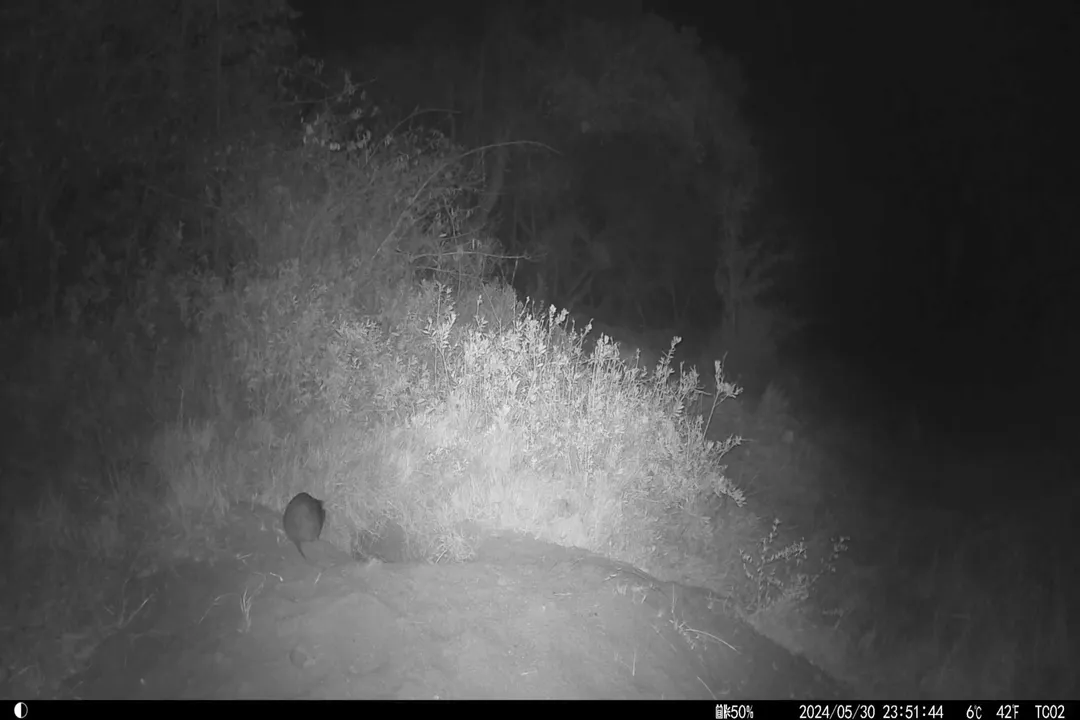
Thryonomys swinderianus has a wide distribution across Sub-Saharan Africa, stretching from Senegal in the west all the way to Angola in the south and east. Their preferred environment is typically associated with damp grasslands, savannas, and reed beds, often near water sources, which aligns perfectly with the name "cane rat" due to their presence near sugarcane plantations and tall reeds. They are terrestrial, spending most of their time on the ground. In agricultural settings, they are often found in cultivated areas, particularly those featuring grasses and cane crops, which can sometimes lead to them being viewed as agricultural nuisances due to their feeding habits. This terrestrial nature is a key element of their lifestyle, contrasting with some arboreal rodents.
# Dietary Habits
The diet of the grasscutter in the wild is predominantly herbivorous, focusing heavily on vegetation found in its grassland habitat. They are known to consume grasses, reeds, and cane—hence the name—but they also incorporate fruits and agricultural crops into their menu when available. This broad appetite is one reason they are sometimes trapped near farmlands.
When raised in captivity for farming, their diet is carefully managed, often consisting of formulated feeds supplemented with fresh vegetation, such as grass, cassava leaves, or vegetables. For those involved in domestication, understanding this natural preference for fibrous plant material is essential for maintaining animal health and growth rates. A poorly managed captive diet lacking roughage can lead to significant digestive issues, even in an animal adapted to consume coarse plant matter.
# Culinary Status
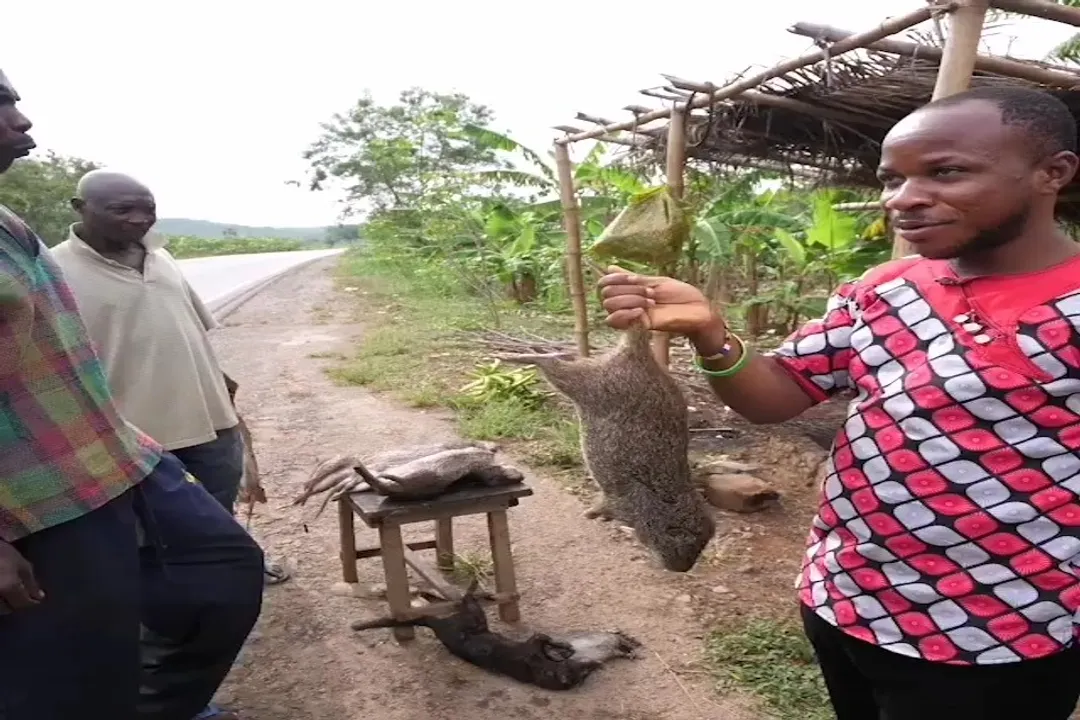
Perhaps the most significant aspect distinguishing the grasscutter in human interaction is its high culinary value across West Africa, where it is highly regarded as a source of lean meat. It is frequently cited as a delicacy in countries like Ghana, where it is sought after in markets. The meat is prized for being white and low in fat content compared to other bushmeat sources, making it an attractive alternative for consumers looking for healthier protein options. This demand has directly fueled interest in its systematic breeding and farming as a sustainable source of animal protein.
The flavor profile is often described favorably by those who consume it, though individuals new to it often have preconceived notions based on its wild origins. The high market price commanded by this meat underscores its economic importance in many rural and urban economies across its range.
# Farming Potential
The very characteristics that make the grasscutter a potential pest—its rapid reproductive cycle and its herbivorous diet—also make it an appealing candidate for specialized livestock production. Raising grasscutters, or cane rats, is promoted for several reasons, including the high demand for the meat, their relatively short generation interval, and their ability to thrive on locally available feedstuffs.
A close look at their reproductive strategy reveals why this is an attractive venture. Grasscutters typically reach sexual maturity relatively early, and females can give birth to relatively large litters, often between two and six young, sometimes producing two litters per year under optimal conditions. This reproductive rate, while not matching that of rabbits or chickens, offers a viable alternative to traditional, slower-growing livestock like goats or cattle in certain micro-economies. The initial challenge for potential farmers is securing quality breeding stock and establishing secure enclosures, as they are known burrowers and require sturdy containment to prevent escape. The market viability is strong because the supply from the wild is becoming increasingly unreliable due to habitat loss and over-hunting, creating a consistent market gap that domestic farming aims to fill.

# Distinguishing the Lesser Species
To avoid confusion when discussing the animal—whether in a scientific context or when sourcing meat—it is important to briefly acknowledge the Lesser Cane Rat, Thryonomys gregorianus. As mentioned, this species is physically smaller than T. swinderianus. While it shares the general name and lives in similar regions, its smaller size, slightly different geographical range perhaps focusing more towards East Africa, and potentially different market status mean that producers and consumers must be aware of which species they are dealing with. The larger species, T. swinderianus, is overwhelmingly the one referred to as the "grasscutter" in commercial and culinary discussions in West Africa. If a vendor in Accra is selling "grasscutter," they are almost certainly referring to the Greater Cane Rat.
# Comparative Analysis of Names
The core difference between the names rests purely in linguistic habit rather than biological distinction when referring to T. swinderianus. In some areas, cane rat is the dominant vernacular, perhaps due to proximity to sugarcane fields. In other regions, grasscutter prevails, perhaps emphasizing its habitat in tall grasses or its perceived "cutting" through the undergrowth. For instance, in some Ghanaian contexts, the local name clearly designates the prized meat as the "grasscutter". This regional naming variation highlights an important lesson for anyone engaging in international trade or research concerning African wildlife: always try to confirm the scientific name (Thryonomys swinderianus) to eliminate ambiguity caused by common names. Relying solely on the common name risks mistaking the larger, more commercially valuable species for its smaller relative, or confusing it with entirely different local rodent species that might share a similar, but unofficial, nickname.
The sustained high demand for this lean, flavorful meat suggests that, regardless of which common name is used locally—cane rat or grasscutter—the market signals a significant unmet need for sustainable, locally sourced protein in West African food systems. This economic driver is what makes the animal such a focal point for small-scale agribusiness development in the region. Furthermore, while generally solitary in the wild, their tendency to burrow and use grasses for nesting material speaks to their adaptability to both wild and semi-domesticated settings.
# Farming Management Notes
For any reader considering the husbandry of these animals, treating them as specialized livestock is crucial. They are not merely wild animals captured and put in a cage; successful farming requires an understanding of their specific needs. Key management aspects include providing robust fencing, as their powerful claws and digging ability mean weak enclosures are quickly compromised. Providing clean water access and a balanced diet—rich in fibre from grass or hay, supplemented with grains or commercial pellets—will ensure healthy growth rates necessary for profitability. Given their relatively slow maturation compared to poultry, maintaining a stable breeding population is necessary to ensure a steady supply to the market. This dual nature—being both a wild entity and a nascent farm animal—makes the grasscutter a fascinating subject in applied ethology and small ruminant agriculture alike.
Related Questions
#Citations
Infamous South African Wildlife — Cane Rats aka Grass Cutters ...
Cane rat - Wikipedia
grasscutters are not rats proper - Facebook
6 Reasons Why You Should Raise Grasscutters or Cane Rats
Cane Rat - A-Z Animals
The Grasscutter I: A Livestock of Tomorrow - Science Alert