How do you take care of a Baird's rat snake?
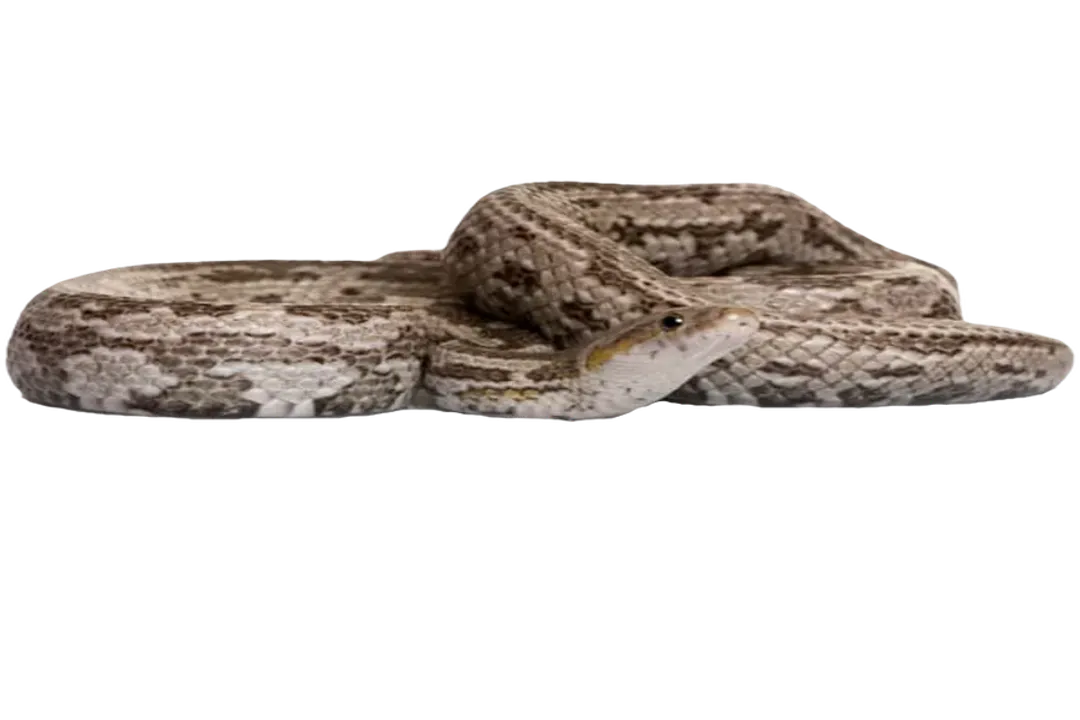
Caring for a Baird's rat snake, Pantherophis bairdi, requires attention to detail, particularly concerning environmental parameters that mimic their native subtropical habitat. [4][8] These snakes are often admired for their relatively calm disposition once acclimated, making them a rewarding choice for keepers willing to establish the correct setup. [5][8] Successfully keeping this species hinges on mastering enclosure configuration, temperature regulation, and appropriate feeding schedules. [5]
# Enclosure Needs
The size of the enclosure is the first major decision for a new owner. While younger snakes can temporarily reside in smaller enclosures, the goal should quickly shift to providing ample room for an adult. [9] Although one recommendation suggests an enclosure around 3 feet in length for an adult, many experienced keepers suggest that a 4x2x2 foot enclosure or larger is ideal for an adult Baird's rat snake to allow for proper movement and environmental zoning. [5][9] Since they are known to exhibit some semi-arboreal tendencies, incorporating climbing structures is highly beneficial. [5]
Substrate choice significantly impacts humidity management and the snake's ability to burrow or thermoregulate naturally. [9] Acceptable bedding options include paper, aspen shavings, coconut fiber, or cypress mulch. [2][5][9] While aspen is frequently mentioned, keepers focused on maintaining consistent mid-range humidity often find that materials like cypress or coconut fiber hold moisture better, provided there is adequate ventilation to prevent the substrate from becoming soggy or anaerobic. [2][9]
Security and hiding spots are non-negotiable for this species. [9] A good setup must include at least two secure hides: one placed directly within the warmer area of the enclosure and a second on the cooler side. [5][9] This dual-hide approach allows the snake to select the exact temperature and security level it requires at any given moment without sacrificing access to its preferred thermal zone. [9]
# Environment Control
Establishing the correct thermal gradient and humidity level is perhaps the most crucial aspect of Baird's care, directly influencing appetite, shedding, and overall health. [9]
# Temperature Zones
Baird's rat snakes require a distinct warm area for digestion and activity. The basking spot temperature should consistently aim for 80 to 85 degrees Fahrenheit. [9][5] The ambient air temperature across the rest of the enclosure should maintain a comfortable range, generally hovering in the mid-70s to low-80s Fahrenheit during the day. [9] When simulating nighttime conditions, temperatures can be allowed to drop, sometimes into the low 70s or even the high 60s, depending on the keeper's approach to seasonal changes. [9]
# Humidity Levels
Humidity management for P. bairdi should target the 50% to 60% range, with some keepers aiming slightly higher, around 55% to 65%. [5][9] Too low, and the snake will struggle with shedding, potentially retaining eye caps or full skin pieces. [9] Too high, especially without sufficient air exchange, leads to stagnant air, which increases the risk of respiratory infections. [9] A large water dish helps maintain ambient moisture, but keepers must balance this with good ventilation. [9]
# Seasonal Considerations
When considering captive care, it is helpful to look at the snake's native environment in areas like the border regions of Mexico and Guatemala. [4] This context suggests that while they do not typically need a severe, prolonged winter fast common to more northern rat snakes, they do benefit from subtle environmental shifts. [4] Unlike some temperate rat snakes that require a distinct, deep winter brumation, P. bairdi generally benefits from a slight cooling period rather than a prolonged, true hibernation, often achieved by dropping nighttime temps into the low 60s°F for a few weeks during winter months, if mimicking a dry season. [4] This subtle difference is important for keepers aiming for natural cycles without inducing unnecessary stress associated with deep brumation for this subtropical species. [4]
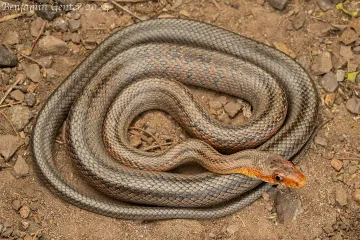
# Diet and Maintenance
The diet for a captive Baird's rat snake is straightforward, centering on appropriately sized prey items. [5] They are primarily ophiophagous in the wild, but readily accept rodents in captivity. [5]
# Feeding Schedule
Juvenile snakes often thrive on fuzzy or small mice offered on a weekly basis. [9] As the snake matures, the feeding interval should be extended, and the prey size increased accordingly. [9] An adult typically requires feeding only every 10 to 14 days, usually consisting of an appropriately sized adult mouse or a small rat. [9]
When transitioning an adult to a larger meal, observe its post-meal behavior closely. If the snake seems overly sluggish for an extended period or struggles to pass its next shed following the larger meal, it may indicate the meal size is stressing the digestive system. When transitioning an adult to a larger meal, observe shedding cycles; if the snake seems sluggish or struggles to pass skin after a large meal, consider stepping down the size slightly and increasing the interval between feedings to ensure optimal digestion and minimize regurgitation risk, a common keeper challenge with larger prey items.
# Hydration
A constant supply of fresh, clean water is essential. [9] The water receptacle should be large and sturdy enough that the snake can fully submerge itself if it chooses, especially when it is preparing to shed its skin. [9][5] Regular cleaning of the water bowl is necessary to prevent bacterial buildup. [9]
# Behavior and Handling
Baird's rat snakes are generally considered good display animals that can become quite tame. [5][8] However, their initial reaction when brought into a new environment can be nervous or defensive. [5]
It is important to allow a newly acquired snake several days, perhaps even a full week, to settle into its new enclosure before attempting any interaction. [5] When initiating handling, keep sessions short and always approach calmly. [5] A crucial technique is to support the snake's entire body weight gently, rather than grabbing it from above, which can mimic a predator. [5] While some individuals may be prone to a bit of initial nipping, consistent, gentle handling usually results in a snake that is very comfortable being handled. [5]
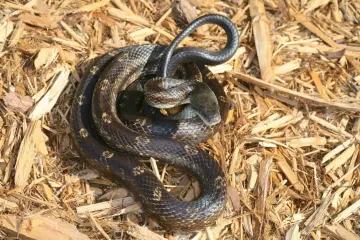
# Health Overview
With appropriate care, the lifespan of a captive Baird's rat snake is quite respectable, often reaching 15 to 20 years or more. [8][9] Proactive monitoring of environmental conditions is the best preventive medicine. Stuck sheds serve as a direct indicator that humidity levels were likely too low during the shedding cycle. [9] If retained eye caps or full skin pieces are observed, the keeper should immediately review and correct the enclosure humidity, perhaps by increasing water availability or slightly modifying the substrate type. [9] Regular observation of feeding response and activity levels will also quickly reveal if the snake is stressed or potentially ill. [5]
#Videos
Baird's Ratsnakes: The Underrated Texas Jewels - YouTube
Related Questions
#Citations
Husbandry resources for Baird's ratsnake : r/snakes - Reddit
Baird's Ratsnake - ReptiChip LLC
Baird's Rat Care Sheet
On the Border: Baird's Rat Snakes - Carlton Carnivores
Baird's Rat Snake (Pantherophis bairdi) - ReptileTalk NET
Baird's Ratsnakes: The Underrated Texas Jewels - YouTube
Baird's rat snake unwinding in smaller enclosure - Facebook
Baird's Rat Snake - Reptiles Magazine
Baird's Rat Snake Care Guide | PDF - Scribd