What's the difference between a feist and a Mountain Feist?
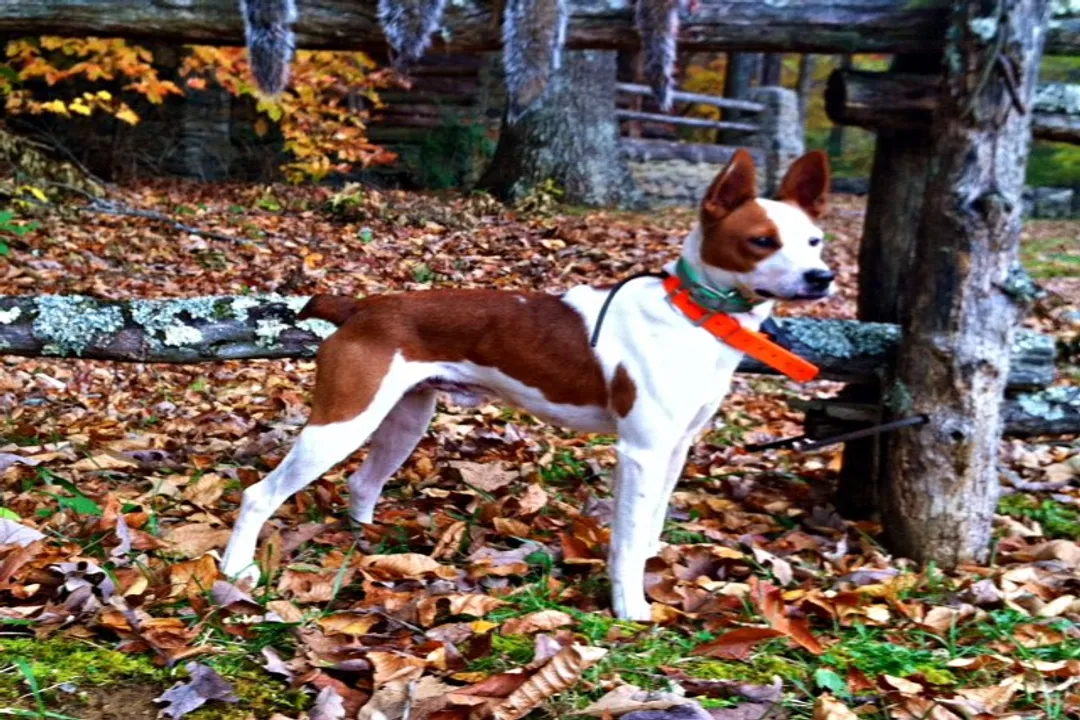
The terms "Feist" and "Mountain Feist" often circle each other in discussions about small American hunting dogs, leading to natural confusion about whether they represent two entirely different breeds or simply variations within one type. At its simplest, a Feist is a type of squirrel dog, generally small to medium in stature, developed from a mix of various terriers and hounds across the United States. These dogs gained renown for their sharp drive and ability to locate and "tree" small game, most notably squirrels.
# General Identity

The Feist designation itself functions less as a strict breed standard and more as a functional category for certain types of working dogs. This means that the general "Feist" can encompass several closely related, regionally developed lines. They are prized for their tenacity and intelligence in the field, traits honed over generations for hunting small, fast-moving quarry up trees. In contrast to some larger Southern hounds, the Feist lineage leans heavily on quickness and the ability to bark incessantly at the base of a tree to alert the hunter to the quarry's location.
# Mountain Specifics
The Mountain Feist is generally understood to be a specific strain or recognized sub-type within the broader Feist classification. While some argue the names are interchangeable, a commonly cited distinction relates to size and regional development. The Mountain Feist is often associated with a slightly sturdier or larger build compared to the smallest dogs carrying the general Feist label. Some descriptions place the upper weight limit for a Mountain Feist around 20 pounds. This refinement in naming often stems from breeders or specific organizations attempting to maintain particular physical characteristics passed down through a dedicated lineage.
# Size Variations
Understanding the subtle size differences helps clarify the nomenclature. When looking at the spectrum of these small treeing dogs, one finds variations that move from very diminutive dogs to those just hitting the medium-small range. For example, the Miniature Feist exists as a recognized smaller variant. This variation in acceptable size—from Miniature to the upper limits often associated with the Mountain Feist—suggests that the Feist umbrella covers dogs optimized for slightly different hunting scenarios or landowner preferences.
To visualize how these classifications frequently overlap or contrast in terms of size, one can consider the typical weight ranges associated with these designations:
| Feist Type | General Size Implication | Noteworthy Trait |
|---|---|---|
| Miniature Feist | Smallest category | Emphasizes compactness |
| General Feist | Variable; moderate small dog | The overarching classification |
| Mountain Feist | Generally larger within the type | Sometimes specified up to 20 lbs |
It is interesting to note that while size is the most common distinguishing factor mentioned in casual conversation, the function remains the same across these groups: finding and holding squirrels in trees. A hunter might choose a slightly larger Mountain Feist for better endurance in rugged terrain, while preferring a Miniature for easier transport or handling in dense underbrush, even if both dogs share the same core instincts.
# Hunting Differences Versus Curs
To fully appreciate the role of the Feist, it helps to contrast it with the Cur dog, another common Southern hunting dog. While both groups share ancestry and hunting territory, their primary specialization often diverges. Curs are frequently larger dogs, sometimes reaching sizes suitable for tackling larger game such as raccoons or even bears, often utilizing strength and trailing ability. Feists, in contrast, are specialized for speed, agility, and the vocal alert necessary for squirrel hunting. The Feist's job often ends when the squirrel is treed; the Cur may be expected to finish the job or stay with larger, more aggressive game. This functional difference dictates the physical builds that breeders have historically selected for within each line.

# Lineage and Registry
Historically, many Feists, including those now identified as Mountain Feists, have been maintained by individual hunters or families, often resulting in dogs that are not formally registered with major kennel clubs. This grassroots development contributes to the ambiguity between names like "Feist," "Treeing Feist," and "Mountain Feist". When a particular line consistently produces dogs of a preferred size, energy level, or temperament—often around that 15-20 pound mark—breeders may start using a more specific moniker, like Mountain Feist, to designate that particular standard they are trying to preserve.
The value of the Mountain Feist designation, therefore, frequently lies more in its utility as a descriptor for a specific breeding goal than it does as a universally recognized, separate breed in all circles. For someone seeking a dog with proven squirrel-treeing ability, the name on the paperwork might matter less than the lineage's proven track record in the field, regardless of whether the papers call it a Feist or a Mountain Feist. The practical expertise gained by long-time breeders suggests that while the names overlap substantially, dedicated Mountain Feist lines often carry a very consistent, slightly taller or heavier build than the very smallest Feists sometimes encountered. This subtle phenotypic drift over time, driven by localized preference rather than formal registry mandates, is what separates the terminology for the general observer.
Related Questions
#Citations
What makes a mountain feist a MF versus a treeing feist or other? I ...
Mountain feist vs treeing feist - UKC Forums
Mountain Feist | Dog Breed Facts and Information - Wag! Dog Walking
Treeing Feist - Wikipedia
feist, treeing feist, or mountain feist? - Arkansas Hunting
What's the difference between a Feist and a Mountain Feist?
Educate Me Please - Feist vs. Cur - GON Forum
What's the difference? - MOUNTAIN FEIST FORUM - ProBoards
Difference in hunting styles...Cur vs. Feist