Will rat snakes keep copperheads away?
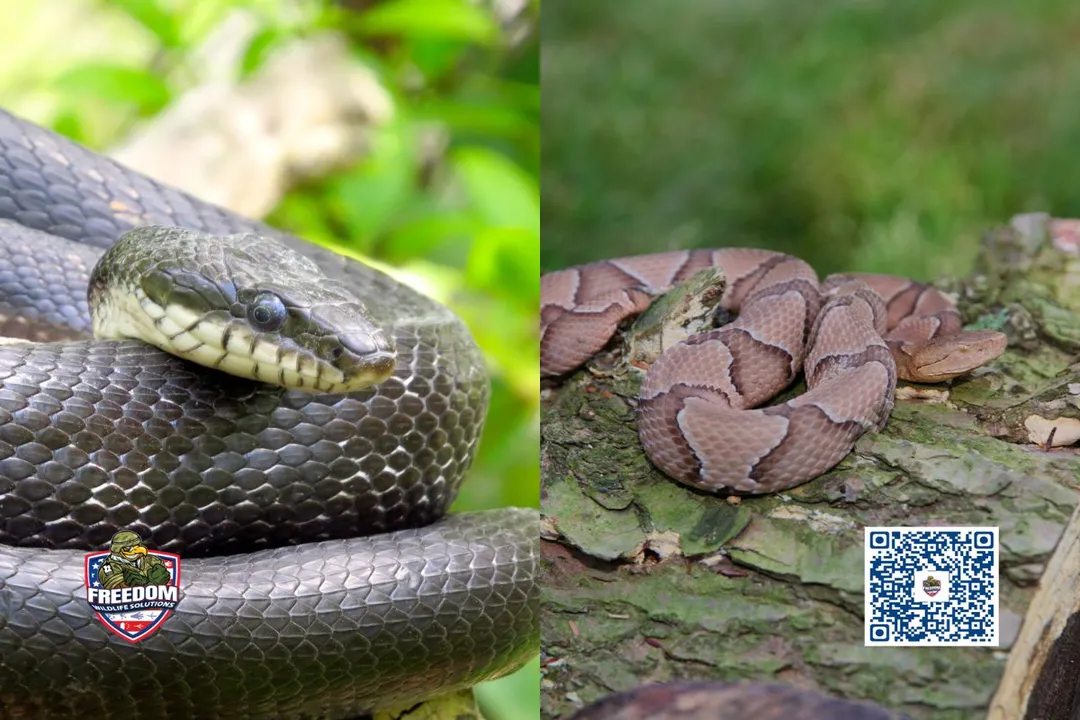
The presence of a large, non-venomous snake in the backyard often sparks an immediate debate among homeowners concerned about venomous species like the copperhead. The hope that one natural predator might act as a shield against another is appealing, yet the reality of snake ecology is rarely that simple. Understanding the relationship between Eastern Ratsnakes, which are common in many areas, and the native venomous copperhead requires looking closely at their behaviors, diets, and how they interact in the wild rather than relying on simple assumptions about territorial disputes. [1]
# Snake Identity
When discussing these interactions, distinguishing between the snakes involved is crucial. The Eastern Ratsnake, often encountered climbing trees or near structures, is a large, non-venomous constrictor known for its dark coloration, which can sometimes appear black. [3][5] They are often praised for their role in rodent control, a key part of their diet. [1] Conversely, the copperhead is easily identifiable as a venomous pit viper, recognized by its stout body, hourglass-shaped crossbands, and pit organs located between the eye and nostril, which help them sense heat. [3] They are often associated with leaf litter and rocky areas where they ambush prey. [1]
# Predator Prey
The primary interaction that fuels the idea that rat snakes repel copperheads is direct predation. Rat snakes are known to consume other snakes, and this group includes copperheads. [1][5] They are capable of eating adult copperheads, though they are perhaps more frequently documented taking the eggs of venomous snakes. [1] If a local population of rat snakes is robust, they certainly exert predatory pressure on the copperhead population through direct consumption of adults, juveniles, and eggs. [1]
This predatory behavior is not unique to rat snakes, however. Kingsnakes are also recognized as significant predators of venomous snakes, including copperheads, and seeing a black snake—which might be a rat snake or a different beneficial species—should often prompt residents to simply leave it be, as it is likely managing pests or other snakes. [8] In some regions, like North Carolina, accounts even exist of a Black Racer preying upon a copperhead, suggesting a broader natural mechanism at play where many native, non-venomous snakes help regulate the population of venomous ones. [5][7]
# Deterrence Reality
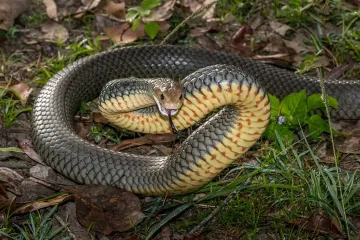
While eating copperheads is a direct benefit, the question remains whether a rat snake’s mere presence will cause copperheads to vacate an area. A snake is unlikely to advertise its presence to a potential predator unless cornered or threatened, so a copperhead isn't likely to move simply because a rat snake lives nearby in a different tree or rock pile. [1] The deterrence is therefore indirect. If a copperhead perceives a consistent threat from a large constrictor, it might favor areas where that specific predator is absent, but this is difficult to track outside of controlled studies. [1]
It is safer to assume that the benefit comes from consumption, not simple intimidation. If you have a healthy population of rat snakes, you are actively removing venomous snakes from the environment, which is far more reassuring than hoping the copperhead sees the rat snake and decides to move next door. [1] The presence of a good predator suggests a healthy local food web, but it doesn't guarantee that every copperhead will relocate.
# Yard Management
For homeowners looking to manage copperheads, relying solely on the presence of other snakes can be risky, as snakes move frequently based on immediate needs like warmth, moisture, and food. A more proactive approach involves managing the environment to make it undesirable for both species, while simultaneously encouraging the presence of beneficial species like rat snakes.
One highly effective strategy involves aggressively reducing accessible hiding places. Copperheads, being ambush predators, thrive in areas that offer stable temperatures and good cover, such as dense ground cover, stacks of firewood piled directly on the ground, or debris piles. [3] Rat snakes also seek out similar sheltered areas, often for nesting or hiding, so clearing these areas benefits everyone seeking reduced snake activity near the house. [1] Maintaining a clear buffer zone, perhaps three to five feet wide, around foundations, decks, and woodpiles—free of mulch, brush, or stored items—is a physical management technique that removes the primary habitat features preferred by both snakes. [3]
Considering the local ecosystem provides another layer of insight often missed in simple predator/prey discussions. If your property is relatively open and free of extensive rodent populations, both snakes may be less inclined to stay long-term, regardless of each other's presence. However, if a property is teeming with mice and voles—the primary food source for copperheads and a major food source for rat snakes—the area becomes a high-value target. In this scenario, the rat snake population might thrive due to abundance of food, but the copperhead population will also remain high because their food source is plentiful. The key then becomes not just managing the snakes, but managing the rodents that sustain the entire system. [1]
If you happen to spot a rat snake, it is generally recommended to observe from a distance and allow it to pass. [8] Their presence is more likely to lead to a reduction in the rodent population and the occasional removal of a copperhead than any fear-based avoidance strategy by the venomous snake. Ultimately, the relationship is one of predator and prey, making the rat snake an ally, but not a guaranteed perimeter defense system against all copperheads in the vicinity. [1]
#Videos
How to Keep COPPERHEADS Out of Your Yard - YouTube
Related Questions
#Citations
Wild Ideas: Are eastern ratsnakes and copperheads really enemies?
Is it true that black snakes keep the copperheads away - Facebook
What are the differences between Black Rat Snakes vs. Copperheads
Copperheads: what products have you used to repel them & keep ...
Snakes: How to get rid of copperhead snakes - WXII
Do rat snakes keep copperheads away? - Reptiles & Amphibians
Black racer eating a copperhead, North Carolina
How to Keep COPPERHEADS Out of Your Yard - YouTube