What are Rat Terriers good for?
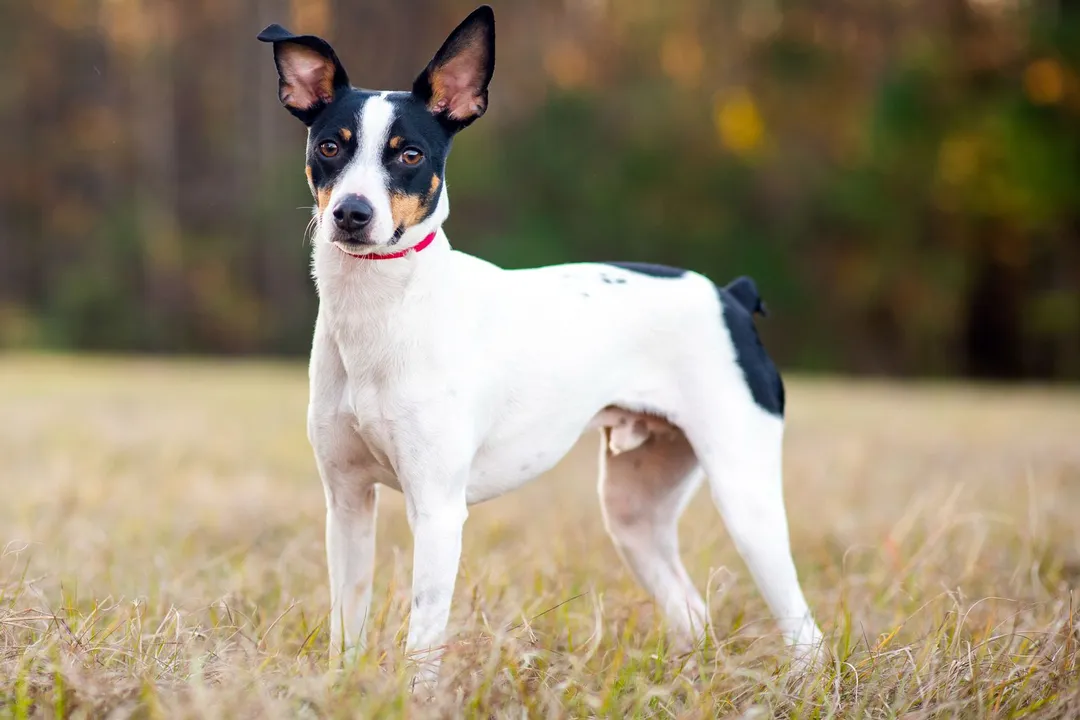
Rat Terriers are versatile little dynamos whose suitability as pets extends far beyond their historical moniker suggests. Bred primarily for utility on American farms, these intelligent and energetic dogs possess a complex personality that makes them wonderful companions for the right kind of owner—one prepared to meet their considerable physical and mental demands. [2][5][4] Their value isn't just in exterminating pests; it lies in their capacity for devotion, their agility in performance sports, and their sharp, watchful nature around the home. [2][10]
# Farm Utility
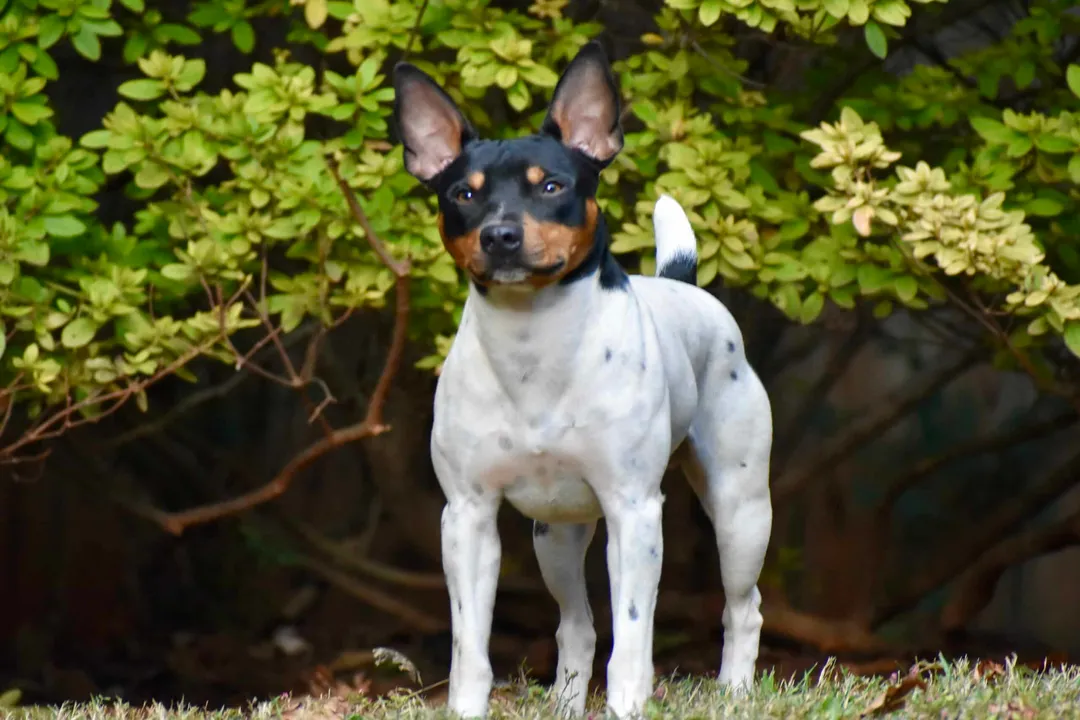
The original designation of the Rat Terrier speaks directly to one of their earliest and most successful roles: pest control. [4][5] Developed in the late 19th and early 20th centuries from crosses including the English White Terrier, Fox Terrier, and possibly some small sight hounds, these dogs were essential working partners on agricultural properties across the United States. [5][4] They were valued for their tenacious ability to dispatch vermin like rats and mice. [2][4][5] This ingrained drive means that even modern, pampered Rat Terriers often maintain a keen interest in small, fast-moving objects—whether that’s a rogue squirrel in the yard or a squeaky toy in the living room. [1][9] They are known to be highly effective working dogs when given the chance to hunt or pursue small quarry. [4]
# Devoted Family Dog
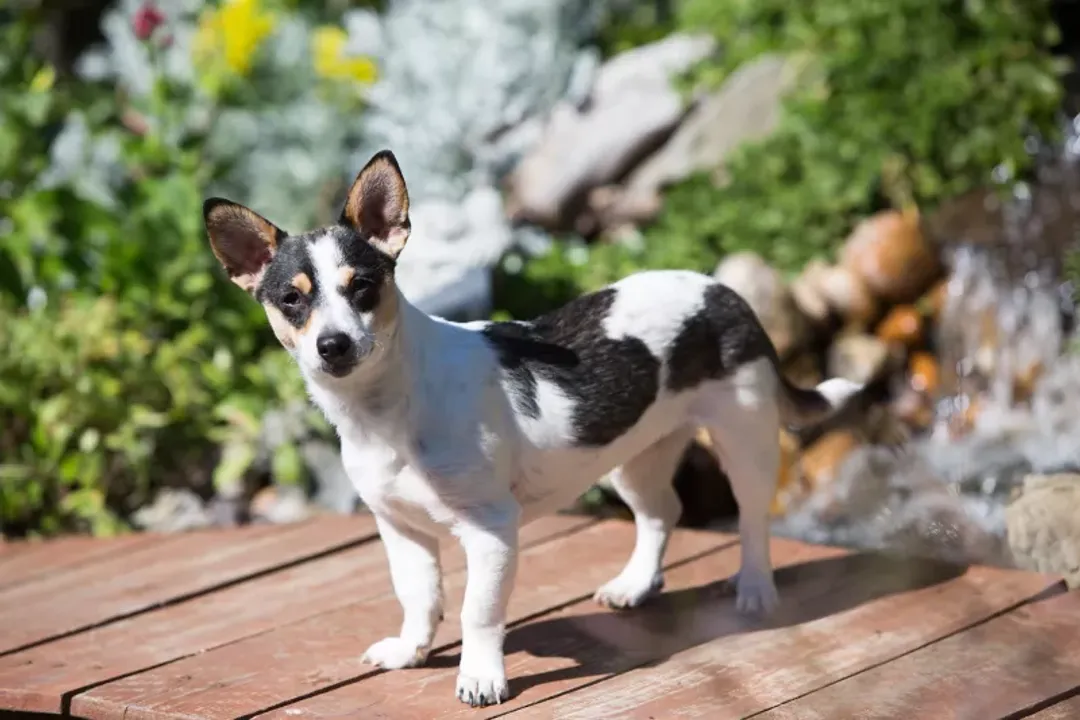
When considering the Rat Terrier as a house pet, their deeply affectionate and devoted nature frequently comes to the forefront of owner testimonials. [1][8] They thrive on interaction and connection with their people, often forming very strong bonds with their immediate family members. [2][10] While they can be somewhat reserved or cautious around strangers initially—a trait that contributes to their excellent watchdog capabilities—once properly introduced, they settle in as loyal members of the pack. [2][10]
It is important for prospective owners to understand that while they are small, often weighing between ten and twenty-five pounds, they are terriers, carrying the typical spirited and sometimes stubborn streak associated with the group. [2][5] Success in integrating them into a family environment heavily relies on early, consistent socialization. [8][10] Because they are small, they can be prone to injury if not supervised around very boisterous young children, though many sources confirm they do well with respectful kids. [1][8] Furthermore, given their prey drive, introductions to smaller household pets like hamsters or guinea pigs must be managed with extreme caution, if not avoided entirely. [10]

# Sporting Potential
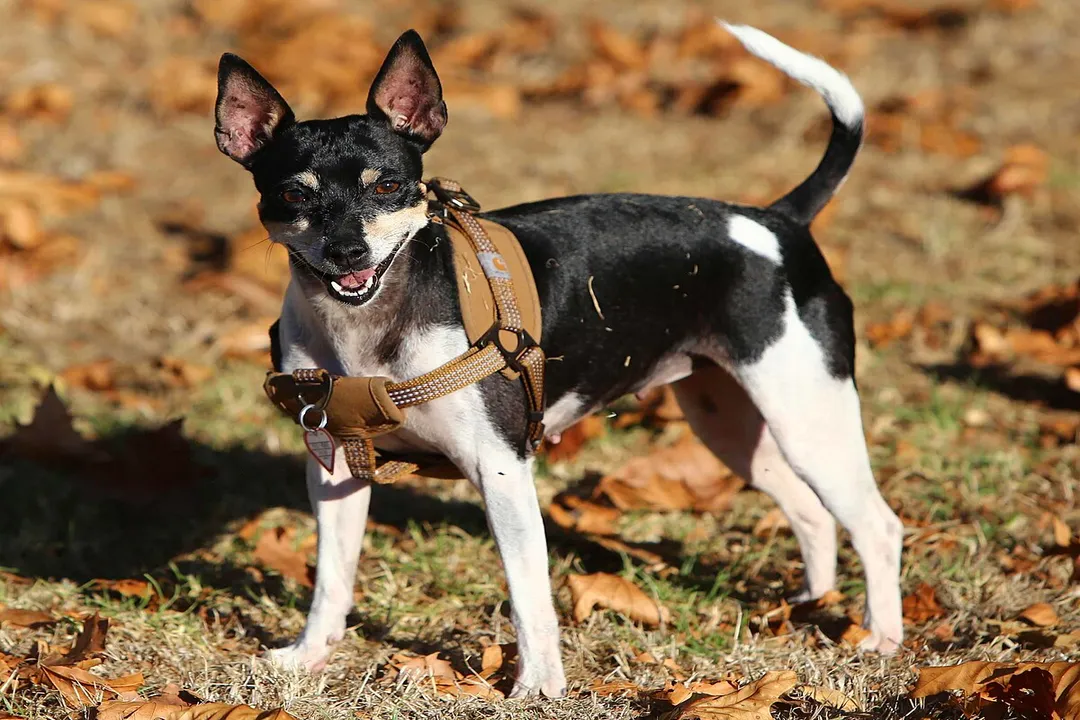
The intelligence and athleticism that made the Rat Terrier an effective farm dog translate exceptionally well into modern dog sports. [2] This breed generally excels in activities that demand quick thinking, speed, and coordination. [5] They are excellent candidates for sports like agility, flyball, Earthdog trials, and obedience competitions. [2][5] For an active owner, channeling the dog’s natural energy and sharp mind into a structured activity is not just beneficial—it’s necessary for behavioral stability. [1] This need for mental engagement is a key area where many owners underestimate the breed. Simply providing long walks might not suffice; a crucial component of keeping a Rat Terrier content is dedicating at least thirty minutes daily to interactive brain games, scent work, or skill practice, treating their training like a dedicated job, regardless of whether the house has a barn or just a backyard. [1][9]
# Watchdog Qualities
One area where Rat Terriers consistently prove their worth is security. They are inherently alert and make phenomenal watchdogs. [2][10] They are not typically excessive barkers in the way some other small breeds might be, but they are quick to sound the alarm if they notice anything unusual, whether it's a stranger at the door or a suspicious noise outside. [10] This alertness is a direct benefit of their historical role—they needed to be keenly aware of their surroundings to be effective ratters. [4] For apartment dwellers or those in close quarters, this vocal tendency requires management. They thrive best when their owners proactively teach them when to bark and, more importantly, when to stop barking on cue. [1]

# Training and Management
The Rat Terrier’s brainpower is a double-edged sword. [2][8] They learn commands quickly, often picking up new tricks in just a few repetitions. [2] However, their intelligence, combined with that terrier stubbornness, means they can become bored easily if training is repetitive or insufficiently challenging. [8] They respond best to positive reinforcement methods. [2] Harsh corrections are generally counterproductive, potentially leading to wariness or defiance. [8]
Their energy level is another defining feature that impacts suitability. They are high-energy dogs that need more than a quick trip around the block. [1][10] They require substantial daily physical activity to stay happy and well-adjusted in a home setting. [2][10] An under-exercised Rat Terrier often finds their own entertainment, which might manifest as digging, chewing, or attempting to figure out how to open doors or gates—they are notorious for being escape artists if left unsupervised in an unsecured yard. [1][10]
When assessing whether this breed is a good fit, prospective owners should evaluate their own lifestyle against the dog's intrinsic needs. A common misunderstanding for first-time terrier owners is underestimating the escape artist factor. If you have fencing, consider adding a low-to-the-ground barrier or secure wire mesh extending a few inches outward along the bottom perimeter; this small measure can often thwart early attempts at digging out, which is a frequent frustration reported by owners when their terrier attempts to explore the neighborhood unsupervised. [1][10]
# Suitability Profile
Based on their established characteristics, Rat Terriers are particularly well-suited for:
- Active Families: Those who enjoy outdoor activities and can integrate the dog into family life, providing both companionship and structure. [8]
- Owners Seeking a Companion for Sports: Individuals or families interested in dog performance events will find a willing and capable partner in this breed. [2][5]
- Homes Where They Can Be Included: They generally do not do well when isolated or left alone for long periods; they want to be where the action is. [1][10]
Conversely, they might not be the best fit for:
- First-time dog owners who are unprepared for the commitment required for terrier training and high energy. [8]
- Individuals or families expecting a low-energy lap dog that is content with minimal exercise. [10]
- Households with small, uncaged pocket pets due to the intense, historically bred prey drive. [10]
In summary, the Rat Terrier is good for providing sharp companionship, alert security, and engaging partnership, provided the owner is dedicated to offering consistent training, ample exercise, and the mental stimulation this smart, spirited breed demands. [2][5][8] They are exceptional dogs when their inherent needs are respected and met. [2]
Related Questions
#Citations
Thinking about a rat terrier : r/ratterriers - Reddit
Rat Terrier - Dog Breeds - American Kennel Club
Rat Terrier Traits and Caring Tips - The Spruce Pets
Rat Terrier - Wikipedia
Rat Terrier - All About Dogs - Orvis
Rat terriers are intelligent and high energy dogs - Facebook
Rat Terrier - The Westminster Kennel Club
How are rat terriers as pets? - Quora
Rat Terrier Breed Insights | Know Your Pet DNA by Ancestry®
Should I get a Rat Terrier?