What is the difference between Kākā and kea?
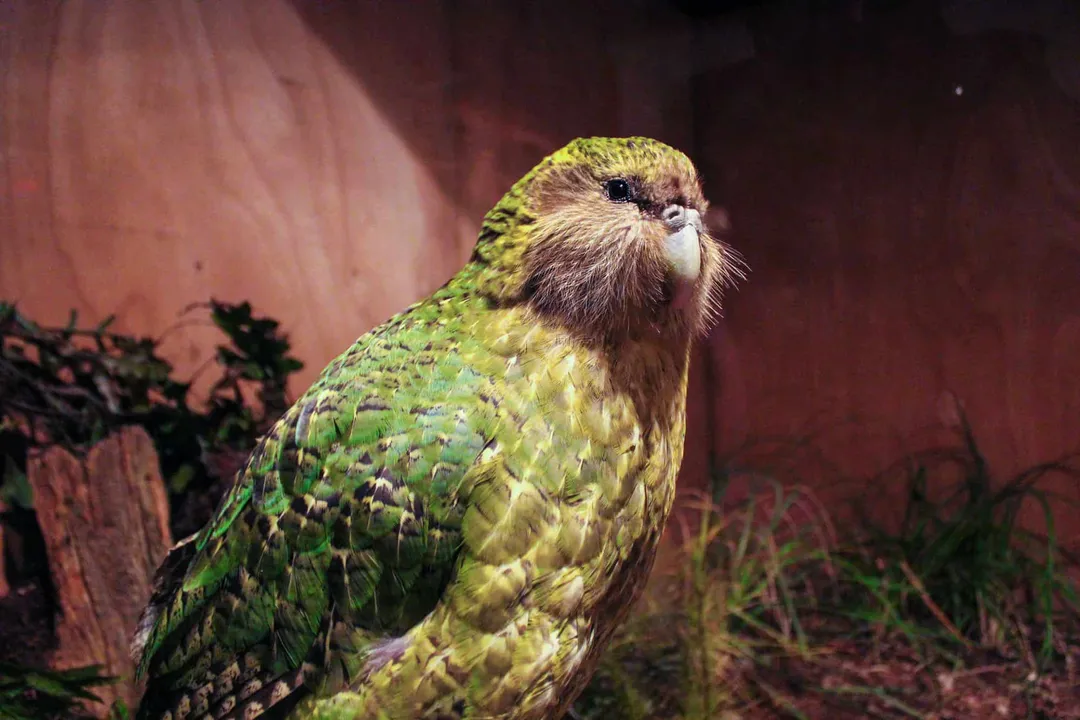
New Zealand is home to some truly unique avian inhabitants, and among the most charismatic are the native parrots. When people encounter one of these intelligent, noisy birds in the bush or mountains, they often wonder if they are seeing a Kākā or a Kea. While both belong to the parrot family (Psittacidae) and share certain family traits, they are distinct species with significant differences in appearance, distribution, and lifestyle. [5][7] They are two of the three native parrot species found in Aotearoa, the third being the rare, flightless Kakapo. [5][7]
# Plumage Details
The most immediate way to differentiate these two birds, provided you get a good look, involves their coloration and overall appearance. [2] The Kākā (which has distinct North and South Island subspecies) generally presents with a duller, browner, or greyish-brown camouflage across its body. [5][7] Look closely at a Kākā in good light, and you will notice a wash of reddish-orange or dusky crimson feathers, particularly visible in the flight feathers or under the wings. [7] They are often described as having a somewhat mottled appearance. [5]
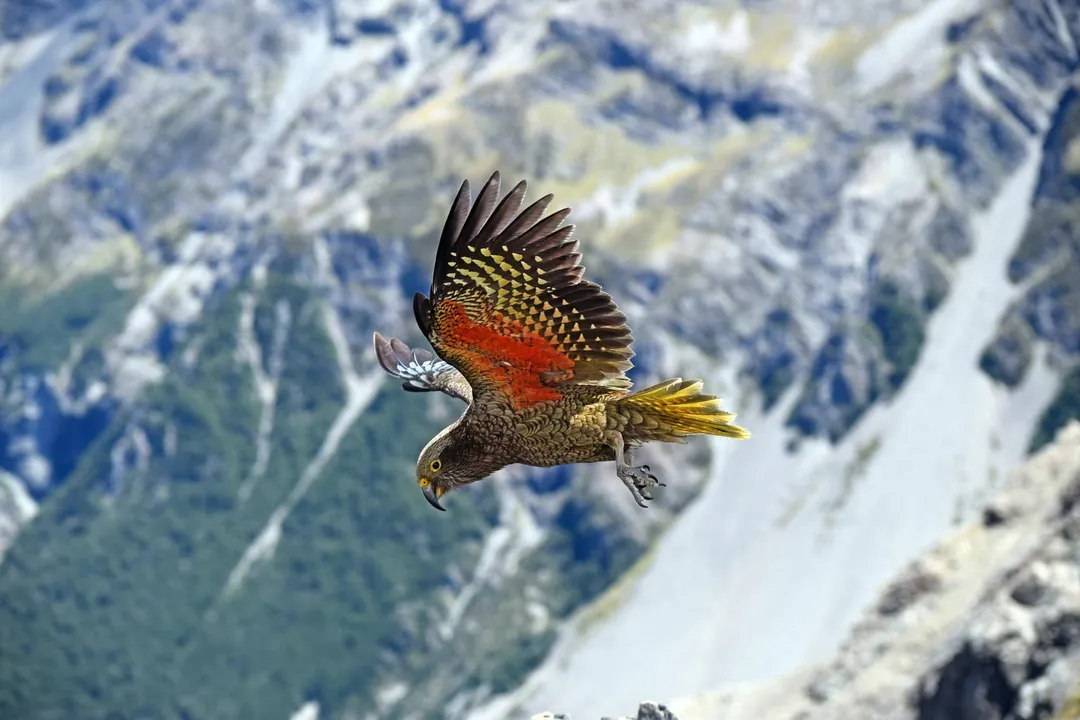
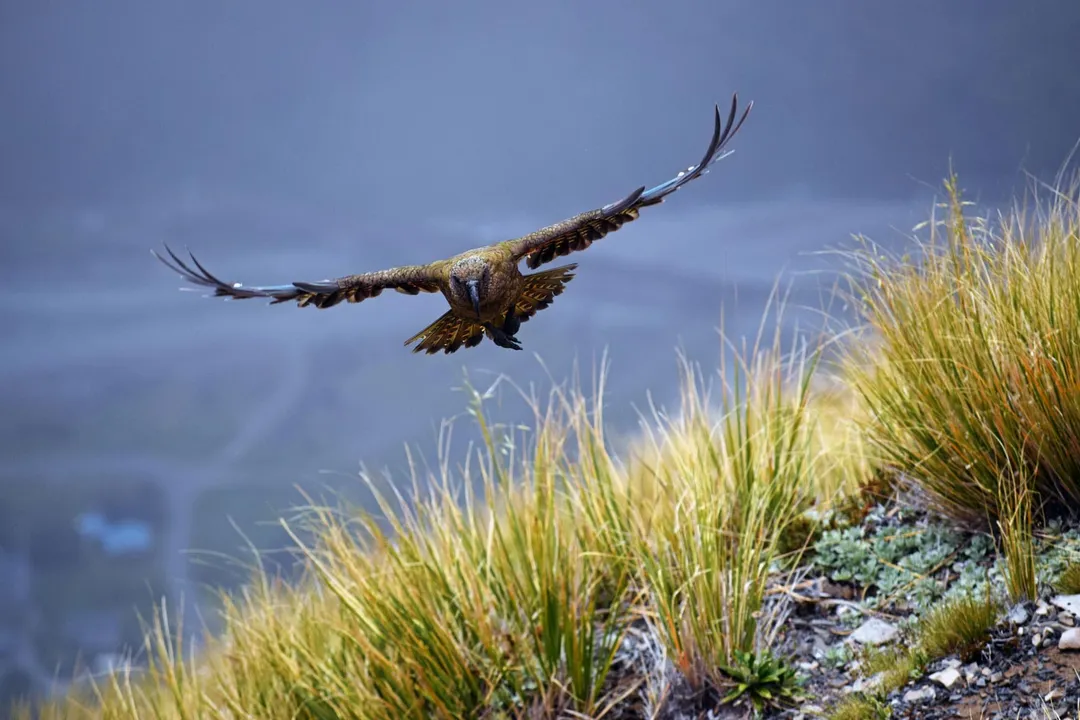
The Kea, on the other hand, possesses a much brighter olive-green body plumage, allowing it to blend into its high-country, often mossy, environment. [2][3] However, the truly telltale sign of a Kea—the feature that makes them so striking when they fly—is the brilliant, unmistakable patch of scarlet or bright orange under their wings. [1][2][3] When a Kea is on the ground or perched, you might only see the olive tones, but that flash of vivid colour in flight or when they stretch is a definitive identifier. [2]
# Habitat Niche
Where you encounter the bird is a huge clue to its identity, as these species occupy very different ecological niches. [2][3]
The Kākā is primarily a forest dweller. [5][7] You are more likely to spot them amongst the canopy of native bush, from lowland forests up to the subalpine zone. [7] They are often found in areas with plenty of mature trees, as they feed on nectar, insects, and fruit found within the woodland ecosystem. [3] While they are forest birds, Kākā populations, such as the thriving ones in the Wellington region, have become visible in urban parks and gardens where native bush remnants exist. [6]
The Kea holds a unique title: it is the world's only true alpine parrot. [2][7] Their domain is the high mountains, generally preferring areas above the treeline in the South Island. [2][3] They thrive in rugged, exposed environments, including subalpine scrub and tussock lands. [7] While they can sometimes descend to lower elevations, especially during harsh winter weather or when seeking novel food sources, their primary home is the high country. [2] Thinking of snow-capped peaks often leads one to think of the Kea, not the Kākā. [3]
# Behaviour and Intelligence
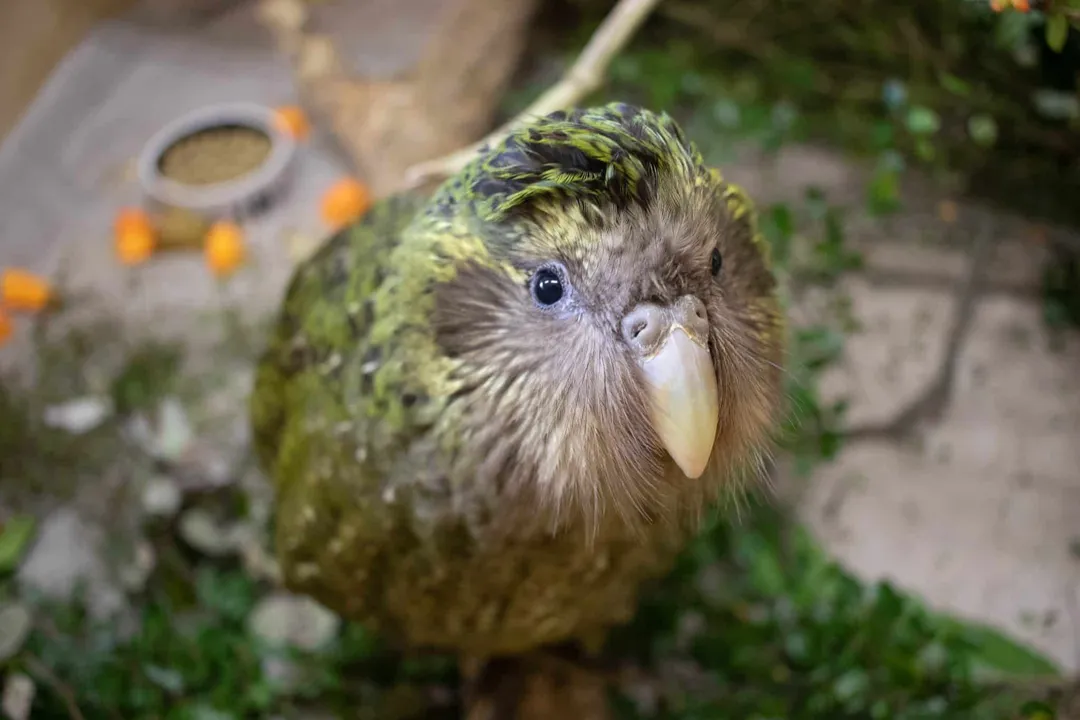
Both species are noted for their high intelligence—a characteristic common among many parrots—but the Kea’s behaviour often puts it in the spotlight due to its relentless curiosity and interaction with human objects. [4]
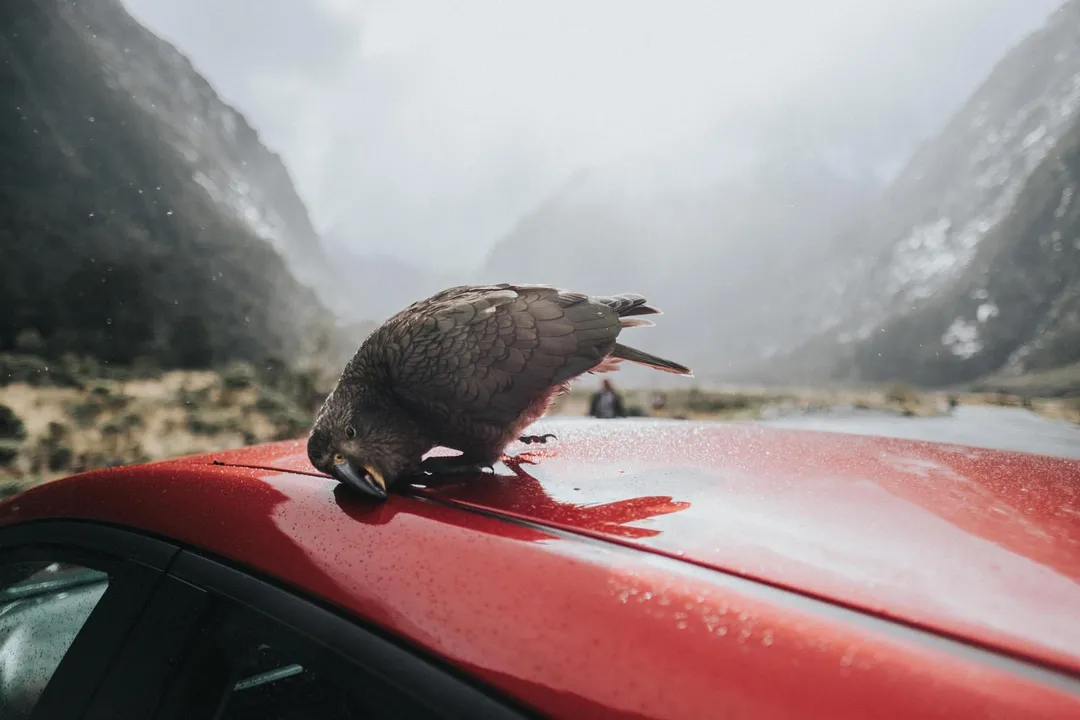
Kea are famous, or perhaps infamous, for their inquisitiveness and problem-solving skills. [1][4] This often manifests as investigating, dismantling, or generally causing chaos to man-made items like car parts, roof flashing, or backpacks left unattended. [1][2] This isn't maliciousness, but rather an innate drive to probe their environment to find food or understand mechanisms, a necessary trait for survival in a harsh, unpredictable alpine habitat. [4] Their calls are also distinct; they tend to have a rather harsh, metallic "ke-a, ke-a" cry. [2]
Kākā, while certainly intelligent and capable of learning, are generally considered less overtly destructive or investigative towards human property compared to their mountain cousins. [3] Their vocalizations are often described as a characteristic, loud, rattling call—a sort of deep, echoing waka-waka sound—that carries far through the dense forest. [3] If you hear a loud, somewhat rough, chattering or rattling call echoing through dense trees, it is more likely a Kākā than the sharper cry of the Kea. [3]
To provide a quick reference for comparison, here is a summary of the defining features:
| Feature | Kākā | Kea |
|---|---|---|
| Primary Colour | Brownish/Greyish with dusky red/orange wash [7] | Olive-green with bright scarlet/orange underwings [1][2] |
| Habitat | Forest and woodland environments [5][7] | Alpine and mountain regions, often above the treeline [2][3] |
| Key Behaviour | Forest foraging, insect/nectar feeding [3] | Highly investigative, known for manipulating objects [4] |
| Call Quality | Loud, rattling, deep (waka-waka) [3] | Harsh, metallic ke-a, ke-a cry [2] |
When observing these birds in areas where their ranges might briefly overlap, especially near the subalpine border, the most practical field note isn't plumage colour, but movement. If the bird is moving on the ground or hopping between branches in a relatively closed canopy, assessing colour is hard. However, if you see an unrestrained, rapid series of wing flaps, the appearance of that brilliant underwing colour acts as an immediate confirmation—Kākā flashes are subtler than the dramatic Kea display. [2]
# Vocalizations and Social Structure
While both are social birds that travel in flocks, their typical sounds often differ based on their environment. The forest environment of the Kākā tends to create a need for calls that carry through dense foliage, which aligns with their loud, rattling calls. [3] These calls serve to keep the flock connected while they navigate the dense understory and canopy searching for food sources like honeydew, nectar, and invertebrates. [7]
Kea flock calls in the open alpine environment can be different, often involving sharper, more immediate warnings or communication over vast distances where visual contact is easier but background noise is lower. [2] Their famous vocalizations are distinct enough that experienced birders can usually identify which species is present purely by sound, even if they cannot see the bird clearly. [2][3]

# Conservation Status and Threats
It is worth noting that while both species face conservation challenges, the specific threats can vary due to their differing habitats. [7] Kākā, particularly the North Island subspecies, have seen significant recoveries due to intensive predator control on predator-free or protected islands and mainland sanctuaries. [7] They are still subject to predation from introduced mammals, which impacts their survival rates, especially when nesting in tree cavities. [7]
Kea populations face threats primarily associated with human interaction and habitat degradation in their alpine zones. [7] While their remote habitat offers some protection, their curiosity means they frequently interact with human infrastructure, sometimes leading to injury or death through ingestion of toxins or direct contact with machinery or vehicles. [2][4] The very traits that make them so fascinating—their intelligence and exploratory nature—also place them at higher risk in areas where human activity is present. [4]
Understanding the difference between the inquisitive, olive-green mountain dweller and the dusky, forest-dwelling Kākā is key to appreciating New Zealand’s unique parrot heritage. While one embodies the high alpine resilience and the other the deep forest connection, both are vital components of the country's native fauna. [5][7]
Related Questions
#Citations
Kākā or kea? Here's how you can tell them apart - YouTube
Kea or kākā? Discover the key differences between these two iconic ...
What's the difference between a kākā and a kea?
Kea Vs. Kakapo: What's the Difference? - A-Z Animals
Kea vs kaka : r/Wellington - Reddit
New Zealand Birds - NZ's Unique Parrots
New Zealand's 3 Parrot Species - The 3 K's
Fun Facts About Kea - Kea Conservation Trust
Kākā | Kaka | New Zealand Birds Online