What is a fun fact about Rat Terriers?

The Rat Terrier is one of those wonderful American breeds whose history is deeply rooted in utility, making their modern-day personality a fascinating blend of relentless focus and deep devotion. When people hear the name, they often picture a small, scrappy dog, but the reality of this breed is much richer than their pest-control origins might suggest. One of the most interesting things to appreciate about the Rat Terrier is their status as a truly American creation, developed over time by crossing various terriers—like the Smooth Fox Terrier, Bull Terrier, Manchester Terrier, and Old English Black and Tan Terrier—to create the perfect farm companion capable of handling vermin of all sizes, from mice to actual rats. [1][7] This intentional blending of strengths resulted in a dog that is much more than just a "rat catcher" today.
# American Genesis
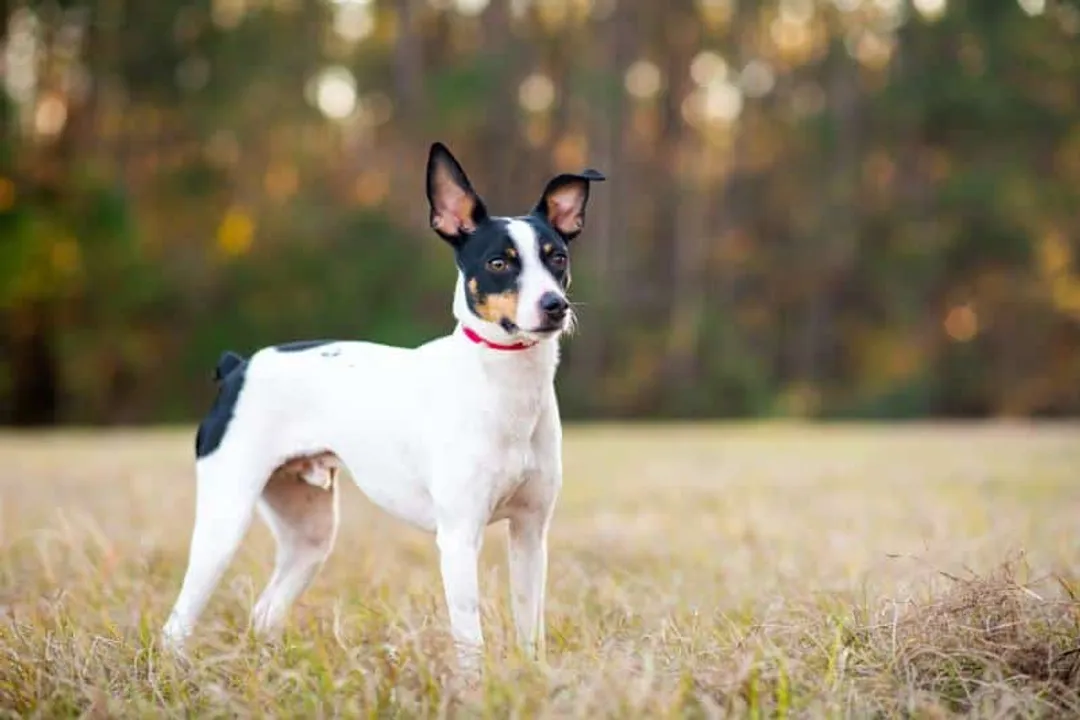
The breed's foundation is tied closely to the agricultural needs of the late 19th and early 20th centuries in the United States. [7] They weren't merely bred for one specific task in a controlled kennel environment; rather, they evolved across farms nationwide, adapting their traits to local conditions and needs. [6] This grassroots development means that while standards emerged, the essential spirit—tenacity combined with intelligence—remained central to the bloodline. [1] It’s worth noting that while the name clearly points to their primary historical job, they were also used for other small game hunting, making them versatile workers. [6]
Interestingly, Teddy Roosevelt is often cited in connection with promoting the terrier type that contributed to the Rat Terrier's development, showing their early association with influential figures who valued hard-working dogs. [1] However, their development wasn't entirely standardized early on. For a time, there were several different strains or types recognized, but eventually, a unified breed standard emerged, emphasizing a balanced, athletic build suitable for quick bursts of energy required on a farm. [7] This contrasts with some European terriers developed for more specialized, singular tasks in more structured settings.
# Drive Defined

The most enduring fun fact about a Rat Terrier, which dictates nearly every aspect of owning one, is their intense prey drive. [4] These dogs were literally bred to locate, chase, and dispatch small, quick-moving targets. This drive isn't something you can easily train out; it’s baked into their very structure. [7] For owners, this manifests not just as an interest in rodents but in any fast-moving object, such as squirrels, rabbits, or even a rolling ball that gets away from them. [4]
Because of this deep-seated instinct, Rat Terriers often exhibit an "all-or-nothing" approach to their focus. Owners frequently observe that their dog can be completely relaxed one moment, appearing to be in a deep, couch-potato slumber, and then instantly spring into high-alert action the second a stimulus appears. [5] This sharp transition from zero to sixty is a hallmark of the breed's terrier heritage. New owners need to understand that a simple walk on a leash, while necessary, will not satisfy the mental imperative to work. A crucial aspect of their care, beyond the physical exercise of walking, is providing structured outlets for this drive. For instance, introducing scent games, earth-dog trials (if appropriate and safe), or complex puzzle toys that require problem-solving can often drain their mental batteries far more effectively than an extra lap around the block.
# Quirky Companionship
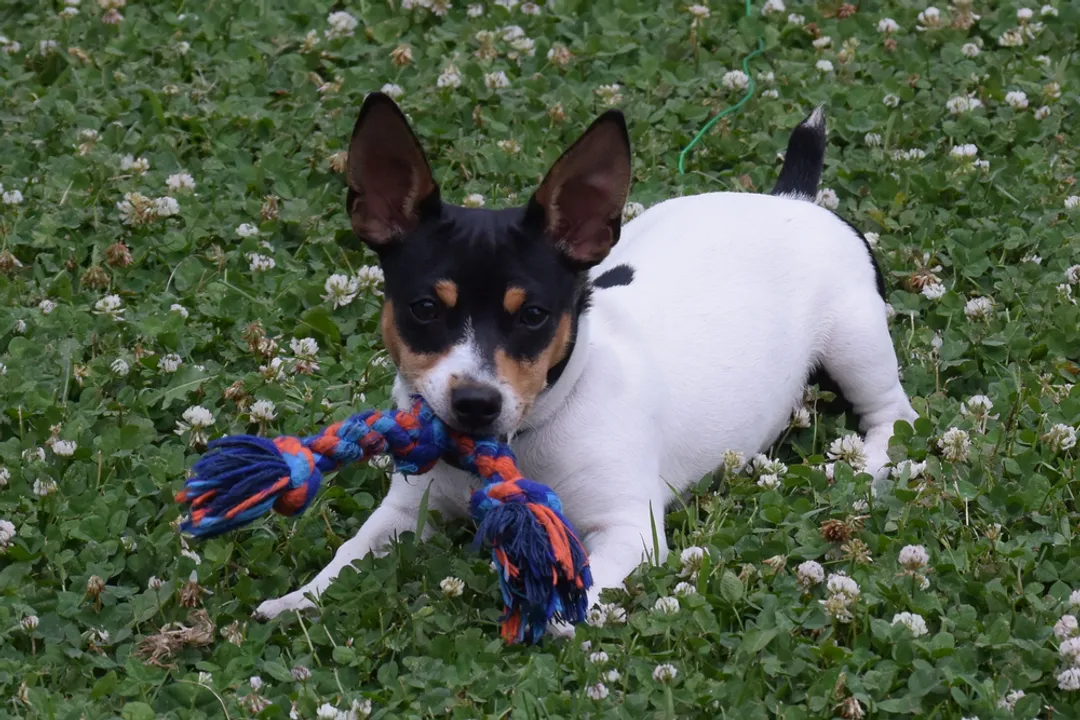
Beyond their historical work, Rat Terriers possess a collection of personality quirks that make them endearing companions. They are renowned for being extremely loyal and devoted to their families. [7] They often form incredibly tight bonds with their primary caregivers, sometimes exhibiting separation anxiety if left alone for too long, a common trait among breeds historically selected for close partnership with humans. [1]
One of the more amusing observations shared by owners is the sheer joy they exhibit during play or when their favorite person returns home. [5] They are often described as having a wonderful "off-switch," meaning that once their exercise needs are met and their brain is engaged, they can settle down quite happily indoors. [5] However, their intelligence means they thrive on interaction. They are not typically the breed content to be ignored in the backyard; they demand to be involved in family activities. [1]
Their communication style can also be a fun fact in itself. Rat Terriers are known to be vocal, often using a variety of barks, yips, and sometimes even a specific chatter when excited or curious. [5] While this can sometimes lead to barking issues if not managed early, it’s also part of their expressive nature. When considering bringing one into a multi-dog household, their inherent confidence and historical role as a solo hunter mean that early and consistent socialization, especially with other dogs of the same sex, is vital to ensure they grow into well-adjusted adults who respect boundaries rather than trying to dominate the yard. [9]
# Physical Marvels
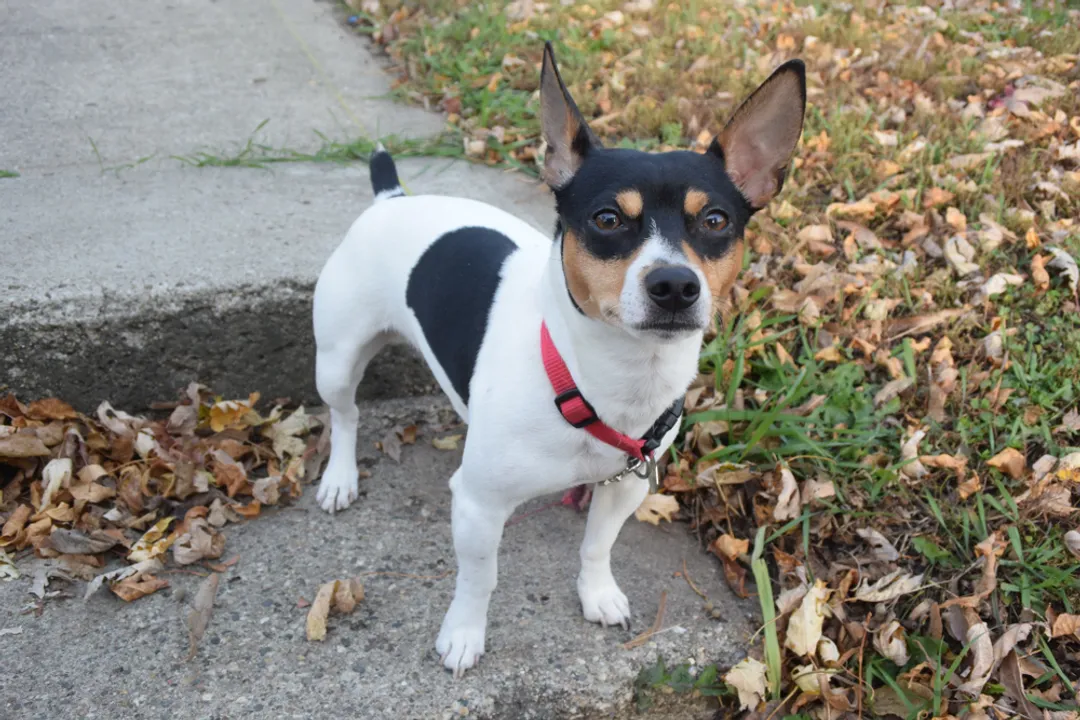
Physically, the Rat Terrier is built for speed and agility, which is an essential component of their fun-fact profile. They are sturdy dogs that generally fall into a medium size range, though variations in size do exist, sometimes leading to different strains or varieties recognized by various kennel groups. [7][1] They possess a smooth, easy-to-care-for coat, which historically kept them clean and low-maintenance for farmers who didn't have time for extensive grooming. [1]
Their coloration is varied, which adds to their visual appeal. While many terriers stick to one or two color palettes, Rat Terriers can be seen in tricolor, black and white, lemon and white, and many other combinations. [1] One particularly interesting physical trait that sometimes appears is related to their ears. While many have erect, upright ears, some may display what is sometimes called a "barnyard ear," which is folded or tipped over. [1] This variation is often accepted within the breed standard and simply adds to their unique look, showcasing that genetic diversity was prized for function over perfect uniformity for much of their history.
Given their energetic nature, it’s insightful to consider how their physical build supports their historical role versus modern living. They possess a deep chest for lung capacity during intense bursts of activity and strong, lean legs built for quick pivots. When looking at a Rat Terrier, you see a dog made for work, even if that work now involves chasing a tennis ball instead of bolting down a rat hole. Their sturdy build means they are generally robust, but potential owners should remain aware of their propensity for high-impact play and ensure they aren't overly encouraged to jump from great heights, protecting those agile joints over their lifespan. [8]

# The Water Question
While most terriers have a reputation for disliking water, a surprising fun fact that surfaces among owners is that some Rat Terriers genuinely enjoy swimming. [4] This goes against the typical terrier stereotype, which often views water immersion with suspicion or outright avoidance. If a Rat Terrier shows an early, positive introduction to water, they may become enthusiastic swimmers, perhaps surprising their owners with their aquatic skills. [4] This variability underscores the fact that the breed's development was less about strict adherence to a single template and more about producing a versatile, effective companion. For families living near lakes or pools, this water affinity, if present, can be a wonderful bonus, though temperament toward water should always be assessed on an individual dog basis.
# Intelligence and Training
The Rat Terrier’s intelligence is high, a necessity for a dog expected to make independent decisions while hunting or guarding the farm perimeter. [7] However, this intelligence comes paired with that famous terrier stubbornness. Training requires consistency, patience, and, most importantly, positive reinforcement methods. [9] They respond poorly to harsh correction because their history as independent workers means they don't automatically default to pleasing a handler above all else; they need a reason to comply.
Because they learn quickly, they can also learn undesirable habits just as fast as good ones. If a dog is left alone frequently without sufficient mental exercise, they might decide to "train" the owner by digging, chewing furniture, or developing excessive barking patterns. Successful ownership often hinges on recognizing that training is a daily, interactive event, not a weekly obedience class. For example, using clicker training to shape complex behaviors, even simple ones, taps into their desire to problem-solve and earns their respect quickly. This contrasts with some breeds that might comply simply out of a desire to please, whereas the Rat Terrier often requires a compelling exchange of effort for reward.

# Size Variations
A lesser-known fact that often confuses newcomers to the breed is the existence of size variants within the Rat Terrier type. [6] While the core breed standard is centered around a specific height range, historical development sometimes resulted in dogs larger or smaller than the ideal, leading to distinctions such as "Toy," "Miniature," and "Standard" classifications by some enthusiast groups. [1] While the American Kennel Club (AKC) only recognizes one size standard, breeders working under other clubs or historical lines may still produce or celebrate these variations. [6] Understanding this history is important because the activity level of a smaller Toy variety might differ subtly from the larger Standard, even if the fundamental personality remains fiercely terriery.
Overall, the Rat Terrier is a bundle of energy, history, and surprising affection wrapped up in a neat, easy-to-maintain package. Their fun facts are really just clues to unlocking their complex, dedicated nature as a true American companion breed.[7][1]
#Videos
Rat Terrier - Top 10 Facts - YouTube
Related Questions
#Citations
7 Facts that Rat Terrier People Know by Heart - Rover.com
10 Fun Facts About Rat Terriers - Facebook
Rat Terrier - Top 10 Facts - YouTube
Things I've learned as a first time rat terrier owner…. - Reddit
Lesser-Known Facts About the Rat Terrier - Impact Dog Crates
8 Rat Terrier Facts: History, Appearance & Traits - Dogster
Rat Terrier - Breed Info – Cedar Bayou Animal Clinic
5 Fun Facts About Rat Terriers - Greenfield Puppies