What is the description of the elephant beetle?
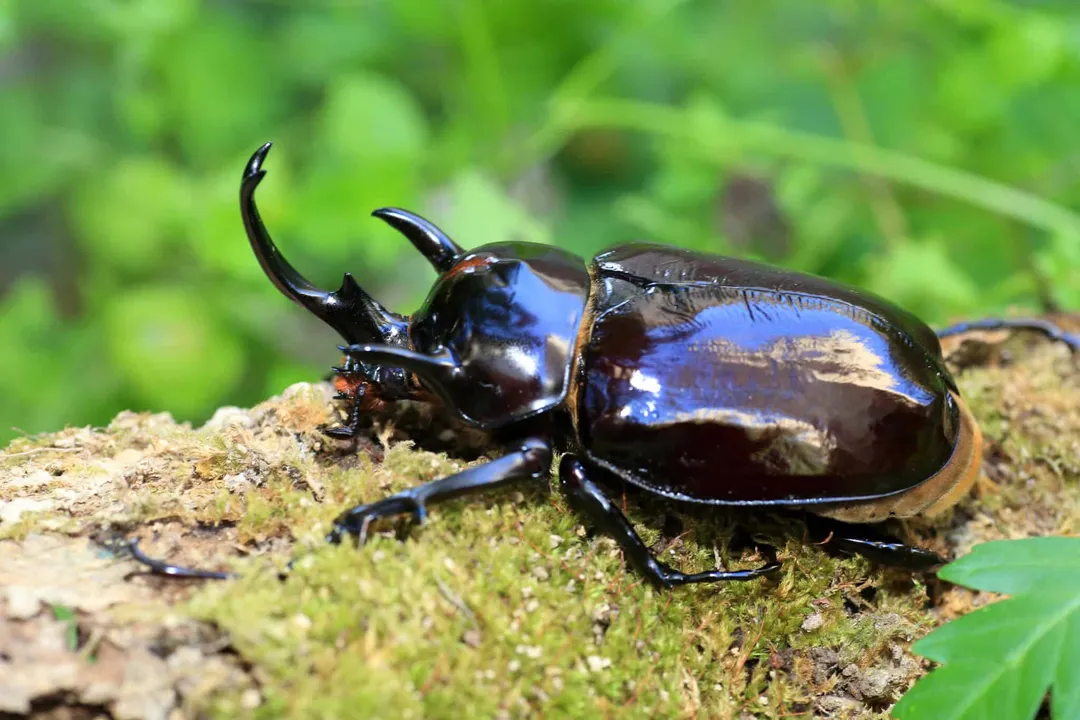
The Megasoma elephas, commonly known as the Elephant Beetle, commands attention due to its sheer scale within the insect world, making it one of the most recognizable members of the rhinoceros beetle group. [1][8] Its description involves a fascinating blend of impressive size, unique surface texture, and clear sexual differentiation, particularly in the males. [1][6] This large coleopteran is named for its resemblance to an elephant, particularly the massive horns sported by the males, which contribute significantly to its imposing presence. [1]
# Naming Convention
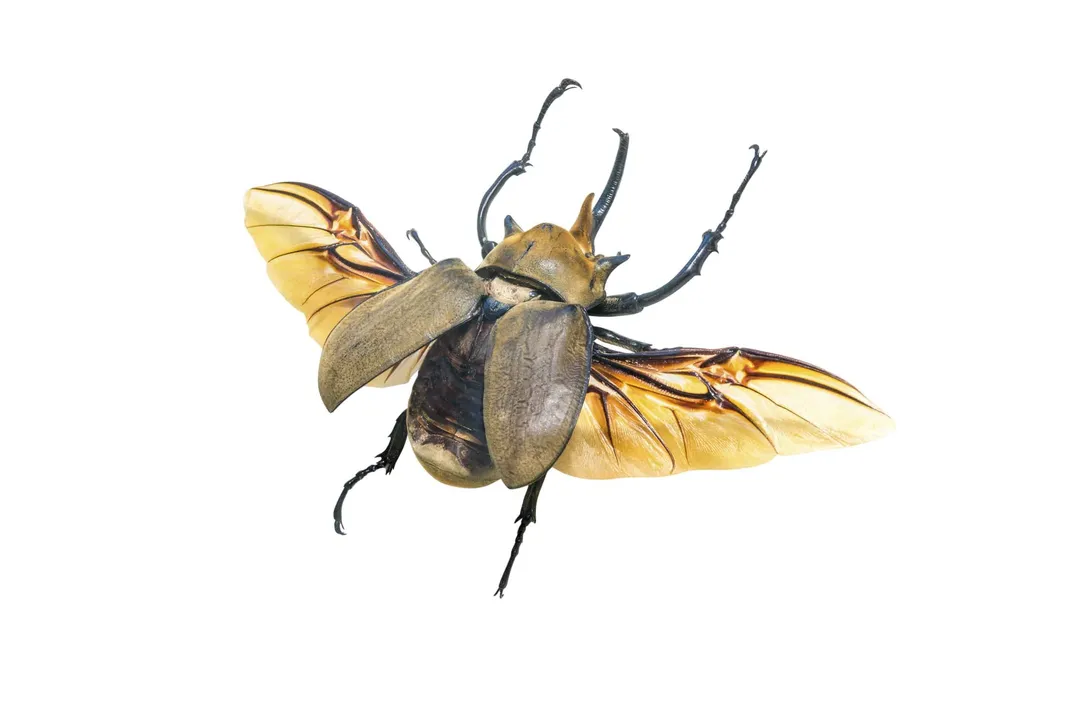
Scientifically classified as Megasoma elephas, this species belongs to the subfamily Dynastinae. [1] The specific epithet elephas directly references the characteristics that inspired its common name. [4] While the Elephant Rhinoceros Beetle is another designation sometimes used for this insect, [8] Megasoma elephas remains the defining scientific term. [1] Understanding its classification helps place it within the larger family of scarabs, renowned for their diverse and sometimes enormous members. [6]
# Size and Shape
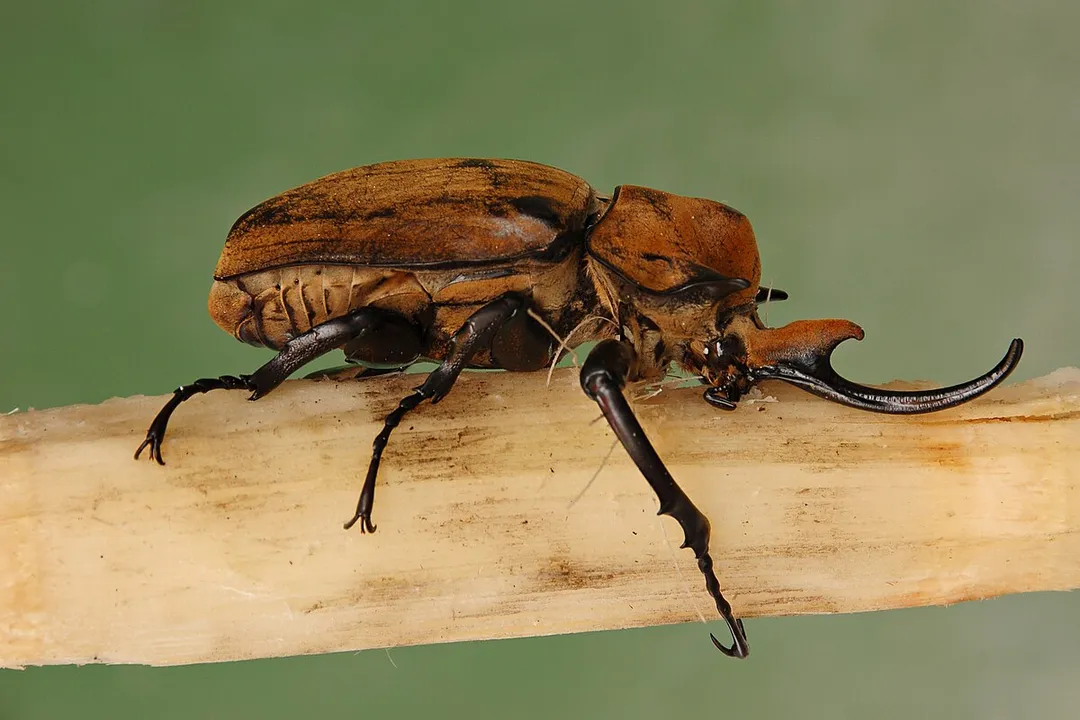
The physical dimensions of the Elephant Beetle are central to its description. It ranks among the larger beetles known, with documented sizes reaching up to 13 centimeters in length. [5] In metric terms, some individuals can exceed 100 mm in total length. [6] A striking aspect of this species is the significant difference in size between the sexes; the males are considerably larger than the females. [1]
When observing an adult, the robust body structure is immediately apparent. However, the visual profile is dramatically altered by the presence or absence of massive, specialized projections on the male. [1] The overall impression is one of bulk and power, features typical of the larger Dynastinae beetles. [6]
A fascinating comparative detail emerges when considering the proportions of the males. If a male reaches the upper limit of its typical size range, say 100 mm, and its primary horn reaches the reported maximum of 50 mm, this horn alone accounts for half the beetle's body length. [6] This suggests that the horns, while not contributing to the main body mass, create a massive increase in the overall linear dimension of the insect during combat season, potentially making it look significantly more intimidating than its mere mass might suggest. [6]
# Coat and Coloration
The coloration of the Elephant Beetle is anything but uniform black, which might be expected from a general description of a large beetle. Instead, adults are often draped in a dense covering of short, velvety hair. [6] This coating gives the beetle a distinctive fuzzy appearance. [2][9]
The base color is typically black, but the dense layer of hair often masks this entirely, resulting in a yellowish or golden hue across the body. [1][6] This fuzzy covering is a crucial visual characteristic. [2] While the sources state this coating exists, [1][6][9] it raises an interesting point regarding its environmental function. Such dense hair in other insects can serve various roles, such as aiding in water repellency in wet environments or perhaps providing a degree of camouflage against mossy or lichen-covered tree bark found in their humid forest habitats. [6] The stark contrast between the underlying dark chitin and the bright external fuzz creates an almost soft appearance on a creature built for battle. [1]
# Male Weaponry
The most defining descriptive element of the male Elephant Beetle is its set of horns, which are far more developed than those found on the female. [1][6] Males possess two primary horns: a very large, significantly curved horn extending from the pronotum (the plate behind the head), and a second, smaller horn located on the head itself. [1][6]
These horns are not merely ornamental; they are the tools of male competition. [1] Males engage in physical contests using these appendages, primarily battling each other for access to resources like prime feeding spots or potential mates. [1] The size and curvature of these horns are critical in these confrontations. [6] Given that these horns can reach lengths of up to 5 cm on a large specimen, [6] they effectively extend the beetle’s reach and leverage during fights, determining dominance in the highly competitive mating ritual. Females, in contrast, are entirely hornless. [1][6]
# Geographic Distribution and Habitat
The Elephant Beetle inhabits a wide swath of the Americas, characteristic of many large tropical insects. [2][6] Its range extends from the subtropical areas of the Southwestern United States, specifically noted in places like Arizona, southward through Central America and into South America. [1][2][8]
The preferred environment for Megasoma elephas is generally characterized as humid forest. [6] This habitat aligns perfectly with their dietary needs and life cycle, which are intrinsically linked to decaying organic matter found on the forest floor and the availability of sap-producing trees. [1][8] Their presence indicates a relatively intact ecosystem capable of supporting large, long-lived larval stages. [5]
# Ecology and Life Cycle
The life history of the Elephant Beetle involves distinct phases with differing dietary requirements, a common pattern among beetles that undergo complete metamorphosis. [1][8]
The larval stage, the grub, is a major consumer of resources. [1] These large larvae reside within dead or decaying wood, where they feed upon the material necessary for their substantial growth. [1][8] The development from egg to adult is not a quick process; the larval stage can require several years to complete, reflecting the energy demands of growing into such a massive insect. [1][5]
Once metamorphosis is complete, the adult emerges, typically during the warmer parts of the year, such as late summer or early fall. [6] The adult diet shifts entirely away from wood. Instead, adult Elephant Beetles are primarily saproxylic and frugivorous in practice, subsisting on tree sap and the sugars found in decaying fruit. [1][6][8] This feeding behavior means that adults are drawn to wounded trees or ripe, fallen produce.
Furthermore, their activity patterns are well-defined. Elephant Beetles are known to be nocturnal, meaning they are most active during the night. [1][6] This suggests they avoid the heat of the day and perhaps the visual hunting pressures of diurnal predators. Their movement is often described as somewhat slow when observed. [2]
Considering their nocturnal nature and their consumption of fruit sugars, an interesting ecological role presents itself. In the dense, dark understory of tropical forests, large, slow-moving insects that feed on fermenting fruit can inadvertently become crucial vectors for seed dispersal or pollen transfer for certain night-blooming or scent-driven flora. While the primary scientific focus remains on their size and horns, their role in the nighttime forest ecology, moving sugary residues from one location to another, is an area where their description hints at greater ecological significance. [1][6]
# Interaction with Humans
For a creature of this impressive size, often associated with the rhinoceros beetle family which sometimes includes formidable species, the public perception can lean toward apprehension. However, a key descriptor of the Elephant Beetle is its disposition toward humans: it is completely harmless. [3] Despite their formidable appearance, especially the horned males, they pose no threat to people. [3] They are not aggressive toward humans and are, in fact, relatively slow-moving creatures. [2][3] This lack of defensive aggression, outside of male-on-male contests, makes them objects of fascination rather than fear for enthusiasts and entomologists alike. [3]
# Summary of Distinguishing Features
To consolidate the description, the Elephant Beetle, Megasoma elephas, is defined by several key attributes that set it apart:
| Feature | Male Description | Female Description | Significance |
|---|---|---|---|
| Size | Significantly larger, can reach 100+ mm [1][6] | Smaller than males [1] | Overall impressive scale within the insect kingdom. |
| Horns | Possesses large, curved pronotal horn and smaller cephalic horn [1][6] | Entirely hornless [1][6] | Primary indicator of sex and tool for intraspecific combat. |
| Coating | Dense, short, velvety hair, typically yellowish [2][6] | Also possesses the fuzzy coating [6] | Unique texture that alters base black coloration. |
| Activity | Nocturnal [1][6] | Nocturnal (implied by species description) | Avoidance of daytime heat/predators. |
Observing an Elephant Beetle in its natural habitat provides a direct experience of its scale, often contrasting the immense size of the adult with the hidden, long-term development required in its larval stage feeding on decaying wood. [1][5] The entire life cycle, from a grub eating dead logs to a fuzzy, sap-sipping giant navigating the tropical night, embodies a significant commitment to growth and survival within its humid environment. [6] The creature remains a quiet giant of the American tropics, largely benign to anything that does not compete with it for fermenting fruit. [3]
Related Questions
#Citations
Elephant beetle - Wikipedia
Elephant Beetle Insect Facts - Megasoma elephas - A-Z Animals
The elephant beetle is completely harmless! #howcool ... - Facebook
The Elephant Beetle (Megasoma elephas elephas)
Elephant beetle | insect, Megasoma species - Britannica
Elephant beetle - Bugs With Mike
Elephant Rhinoceros Beetle - Insect Identification
Elephant Beetle | Weird n' Wild Creatures Wiki - Fandom