Can Devil's Coach horse beetle fly?
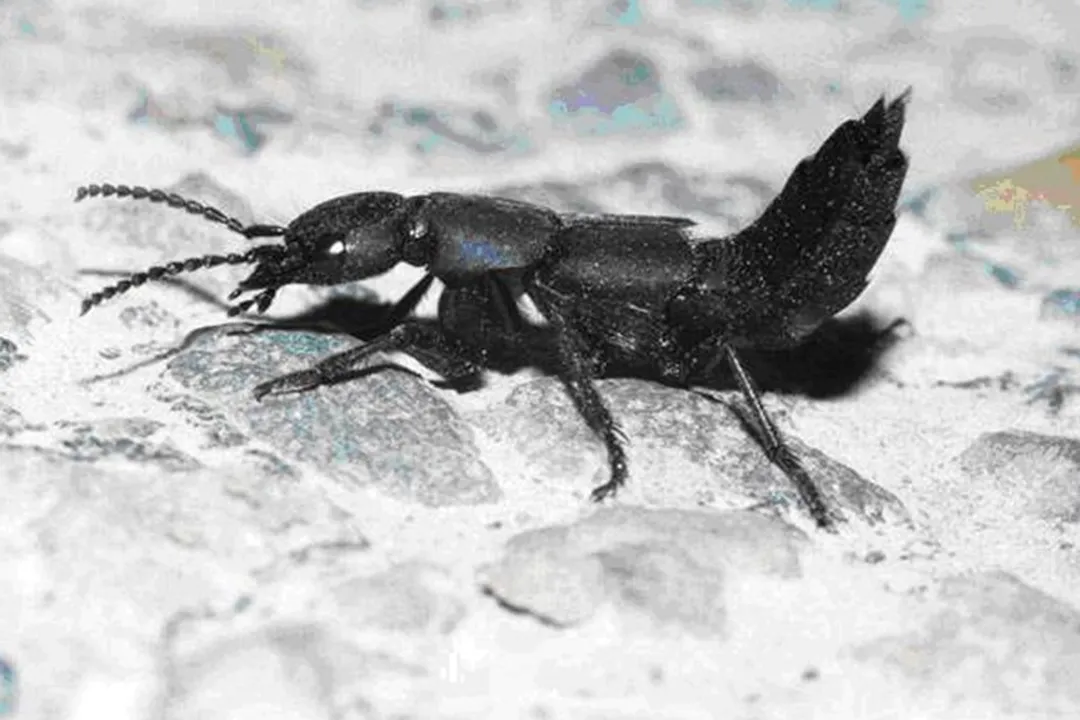
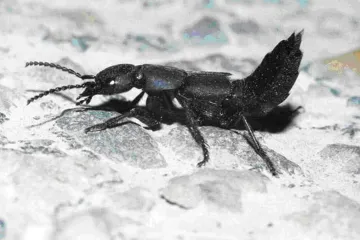
The sight of a large, black, elongated beetle curving its abdomen high over its back often causes a moment of alarm, especially when encountered unexpectedly under a log or stone. This insect, known commonly as the Devil's Coach Horse beetle, is one of the larger terrestrial beetles found in many gardens and wild spaces, and its dramatic posture leads many to wonder about its potential for aerial escape. Scientifically named Ocypus olens, this species belongs to the rove beetle family, Staphylinidae, and is a fearsome nocturnal predator within the invertebrate world. [2][7] Its formidable appearance—characterized by its dark coloration and lengthy body, which can reach up to 28 millimeters in length—is certainly responsible for its evocative, albeit slightly menacing, common name. [2][7][8]
# A Long Beetle
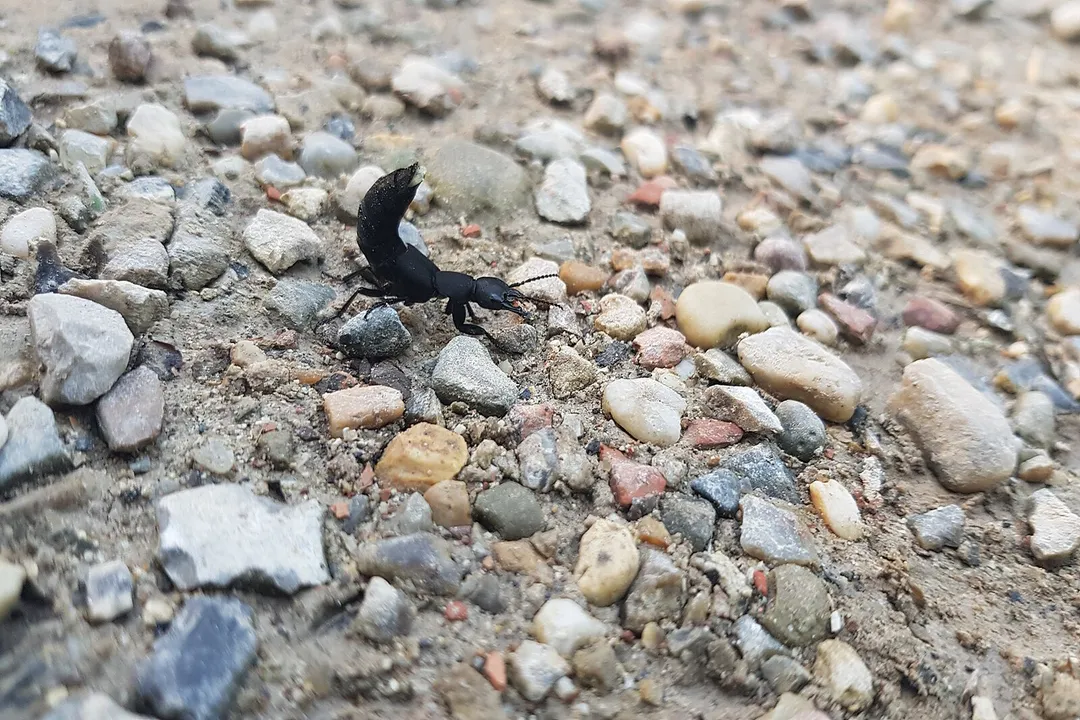
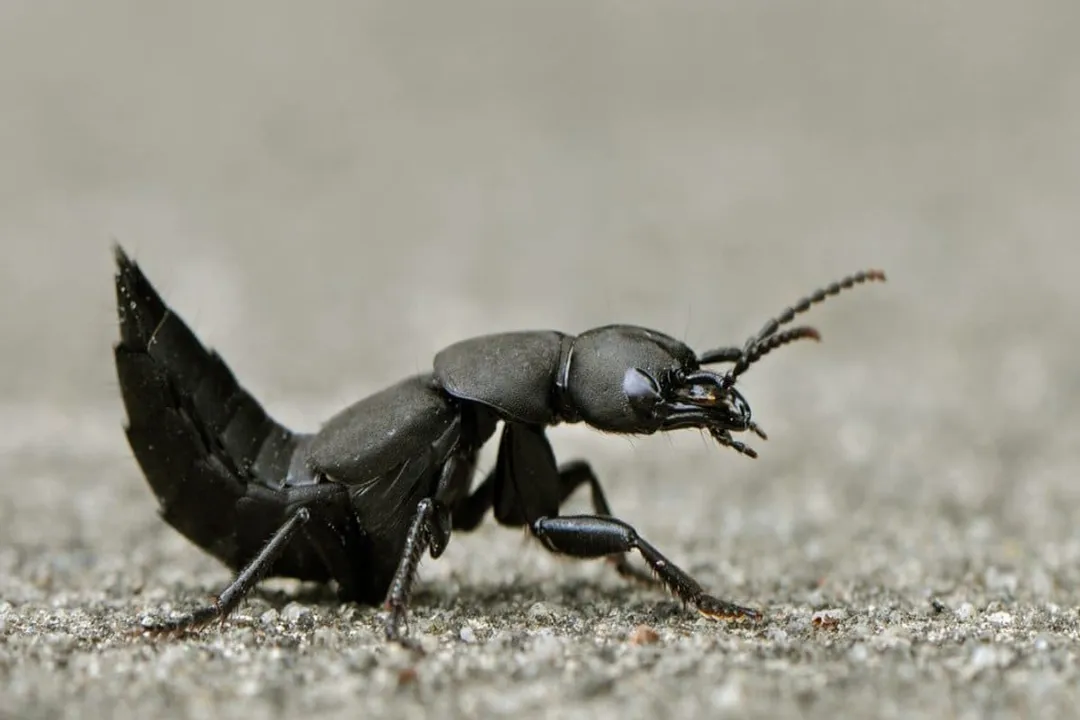
The defining characteristic of the Devil's Coach Horse, besides its size, is that distinctive, raised abdomen. [1][2] This behavior causes many people to mistake it for an earwig, which also often folds its rear appendages over its body. [1][7] However, a closer look reveals significant differences. The rove beetle possesses hard, protective wing cases, called elytra, which are unusually short, covering only the first few abdominal segments, unlike most beetles where the elytra cover the entire abdomen. [1][7] Beneath these short elytra are fully formed hindwings, which are the key to answering the central question regarding its mobility. [2][9] The beetle also sports powerful, curved mandibles adapted for grasping and subduing prey, setting it apart from its more often mistaken counterpart. [2][4]
# Flight Capabilities
The direct answer to whether the Devil's Coach Horse beetle can fly is yes, it does possess the anatomical structures required for flight, namely functional hindwings folded beneath its short elytra. [2][9] However, this ability is rarely observed in the field, which is often the source of confusion. [1]
The general consensus among entomologists and field observers is that while the capability exists, the Ocypus olens is a poor or reluctant flyer. [1][9] Flight in this species is often described as clumsy or weak, and it appears to be an infrequent activity reserved for specific purposes, such as dispersing to new areas or escaping immediate, overwhelming threats. [1][9] When it does take to the air, it typically happens at night. [7] This contrasts sharply with many other beetles, like the cockchafer or stag beetle, where flight is a regular and well-documented part of their life cycle for mating and dispersal.
When we consider the beetle's ecology, the reluctance to fly makes sense. These beetles are specialized ground-dwellers, thriving in damp, dark environments like under stones, logs, or deep within leaf litter. [3][7] Their primary hunting strategy relies on actively searching the ground for slugs, worms, snails, and other soft-bodied invertebrates. [3][6] For an insect whose entire existence revolves around foraging within the substrate of the soil surface, expending significant metabolic energy on flight—an activity inherently risky due to predation and exposure—is likely only undertaken when absolutely necessary. [9] The evolutionary pressure favors robust ground locomotion and chemical defense over frequent aerial maneuvering, which explains why a person might observe thousands of these beetles over years without ever seeing one take off. [1] This tendency toward ground-based existence, despite having the necessary wings, is a fascinating example of specialization in action.
# Defensive Posture
The insect earns its fearsome common name primarily through its impressive threat display, which is often mistaken for a readiness to sting, similar to a wasp or scorpion. [1][3] When disturbed or handled, the Devil's Coach Horse adopts a dramatic posture: it curves its abdomen sharply upwards and over its body, pointing the tip towards the perceived threat. [2][7] This mimics the defensive stance of a scorpion or a stinging insect, designed to intimidate potential predators, such as birds or mammals. [1]
Despite this intimidating gesture, the beetle lacks a stinger. Its defense is chemical and mechanical. It possesses powerful mandibles capable of giving a painful pinch if held tightly. [2][4] More importantly, it can excrete a foul-smelling defensive fluid from glands near the tip of its abdomen, right where the posture directs attention. [2][4] This secretion is a blend of irritating chemicals that can cause a sharp, burning sensation if it contacts sensitive skin or mucous membranes, effectively discouraging most predators. [2] The combination of the visual threat display and the chemical deterrent makes it highly successful at warding off animals that might otherwise try to consume it.
# Hunting Habits
The life of the Devil's Coach Horse is one of relentless predation, positioning it as a key natural regulator in garden ecosystems. [3][6] They are strictly carnivorous, emerging predominantly under the cover of darkness to hunt. [3][7] Their diet consists mainly of soft-bodied invertebrates that are common in the same damp habitats they prefer. [6] Slugs and snails, often considered garden pests, are significant components of their meals, alongside earthworms, insect larvae, and other small arthropods. [6][7]
To secure this prey, they rely on acute senses of smell and touch, navigating the dark, cluttered environment beneath debris. [9] Once prey is located, the strong mandibles secure the victim, which is then consumed using chewing mouthparts. [2] This efficiency in pest control is often overlooked because of their intimidating appearance and nocturnal habits. If you find one of these beetles in your compost heap or under a paving slab, it is almost certainly doing beneficial work keeping pest populations in check. [3]
# Misidentification Risks
The propensity for people to confuse the Devil's Coach Horse beetle with an earwig (Forficula auricularia) is a common point of confusion in casual wildlife identification. [1][7] Understanding the key anatomical differences is essential for accurate assessment.
| Feature | Devil's Coach Horse (Ocypus olens) | Common Earwig (Forficula auricularia) |
|---|---|---|
| Body Structure | True beetle (Coleoptera); short, fused elytra [7] | Insect with leathery forewings and membranous hindwings |
| Defense Appendages | Abdomen curved over back; secretes foul fluid [2] | Prominent, pincer-like appendages (cerci) at tail end [1] |
| Wings | Functional hindwings hidden beneath short elytra [2][9] | Membranous wings often present, folded intricately beneath short forewings |
| Mandibles | Large, powerful, predatory jaws [4] | Smaller, used for defense/feeding |
When encountering one of these large, dark insects performing its characteristic defensive curve, the easiest field test to distinguish it from an earwig is to look at the rear appendages. [1] If the threat display involves pinching pincers sticking out from the very end of the abdomen, it is an earwig. If the rear of the abdomen is merely curved up defensively, with no obvious protruding pincers, it is highly likely to be the Devil's Coach Horse rove beetle. [1] Furthermore, if you gently examine the back, the presence of hard, shell-like wing covers (elytra) instantly identifies it as a beetle, separating it from the earwig order Dermaptera. [7] Knowing this difference means gardeners can appreciate the beetle's predatory value rather than mistakenly eliminating a beneficial insect based on a visual similarity to a common pest. [3]
# Life Cycle Details
The lifecycle follows the typical pattern for beetles, involving complete metamorphosis: egg, larva, pupa, and adult. [5] Adult beetles are the form most commonly encountered, especially during warmer months when they are active hunters. [5][6] The larvae themselves are also carnivorous, resembling small, segmented versions of the adults but lacking the developed wings and hardened elytra, focusing entirely on ground-level hunting. [5] They often overwinter as adults, taking shelter under bark or deep in leaf litter to escape colder temperatures, which explains why they might be found near human structures when foraging begins anew in the early spring. [5] Understanding that the larval stage is also actively feeding on pests provides another reason to tolerate their presence in the garden environment. [3]
Related Questions
#Citations
Unmasking Myths: The Truth About Devil's Coach Horse Beetles
Devil's coach horse beetle - Wikipedia
Devil's coach horse | The Wildlife Trusts
Devil's coach horse beetle, out early this morning, they are one of ...
Who's this guy? : r/insects - Reddit
Devil's Coach-horse - Bug Directory - Buglife
A Marauding Devil's Coach-horse - Kiri
Devil's Coach Horse Beetle Insect Facts - Ocypus olens - A-Z Animals
Devil's Coach Horse - Ocypus olens - NatureSpot