What is the classification of a woodchuck?
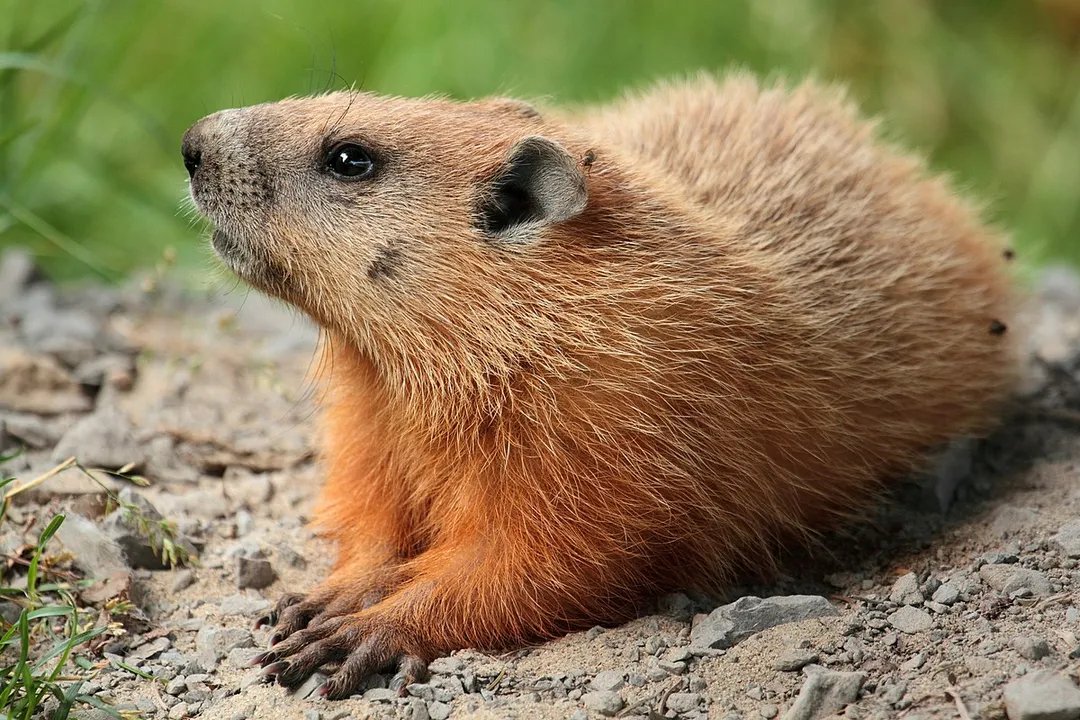
The creature commonly known across various regions as the woodchuck, the groundhog, or even the whistle-pig, holds a specific and important place within the biological organization of life on Earth. Understanding what a woodchuck is ultimately requires looking beyond its furry exterior and familiar habits, delving into the standardized system scientists use to categorize every living thing: taxonomy. This classification process organizes organisms based on shared physical characteristics, evolutionary history, and genetic similarities, moving from the broadest categories down to the most specific identification. [2] For the woodchuck, this journey reveals a close kinship with some of the most familiar small mammals.
# Kingdom Animalia
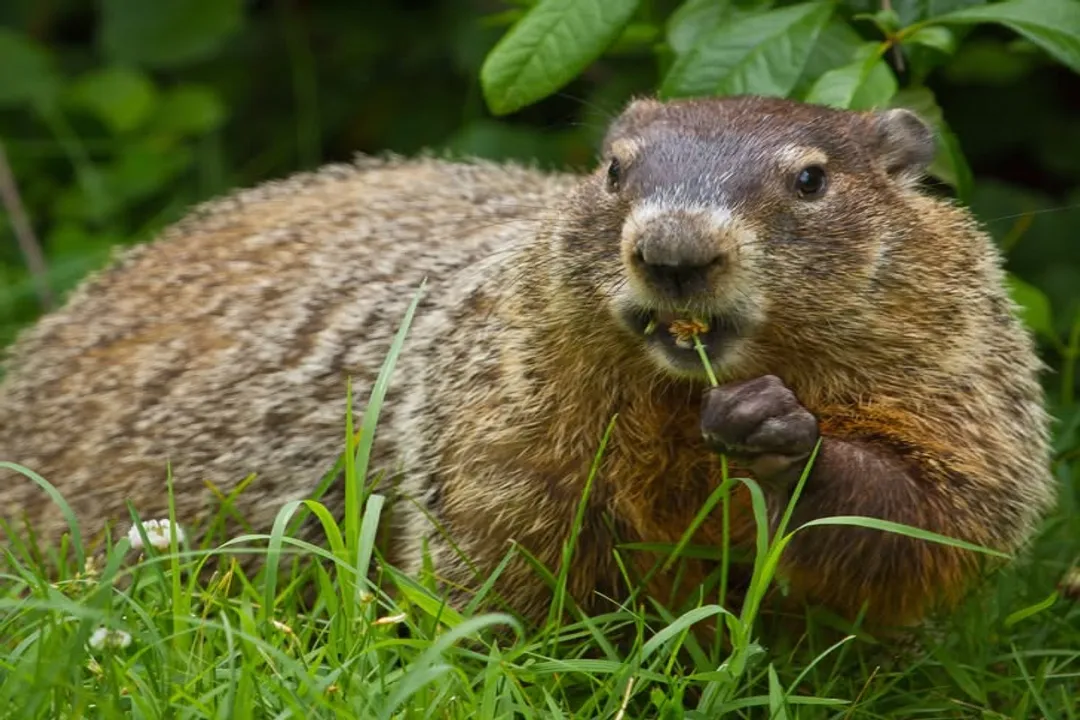
At the highest level, the woodchuck is classified within Kingdom Animalia, meaning it is multicellular, eukaryotic, heterotrophic, and lacks rigid cell walls. [2] This places it in the vast group encompassing all animals, from sponges to whales. While this level is broad, it confirms that the woodchuck is an active organism that must consume other organisms for energy, distinguishing it from plants and fungi. [2] This fundamental characteristic influences everything about its life cycle and habitat requirements, as it must constantly forage for the plants that form the bulk of its diet. [3]
# Phylum Chordata
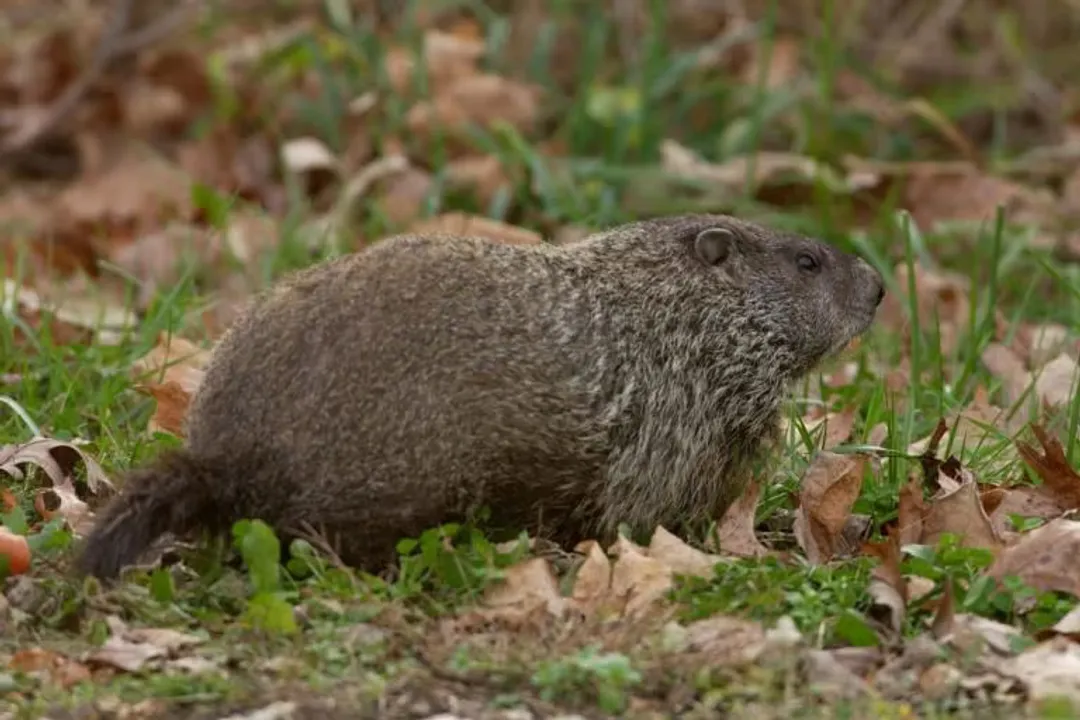
Moving down one step, the woodchuck belongs to Phylum Chordata. [2] This phylum is defined by the presence of certain features at some stage of the organism’s life cycle, most notably a notochord, a dorsal hollow nerve cord, pharyngeal slits, and a post-anal tail. [2] In mammals like the woodchuck, these features are most prominent during embryonic development. The retention of these traits links the woodchuck to fish, amphibians, birds, and humans, underscoring a shared, ancient evolutionary heritage in vertebrate development. [2]
# Class Mammalia
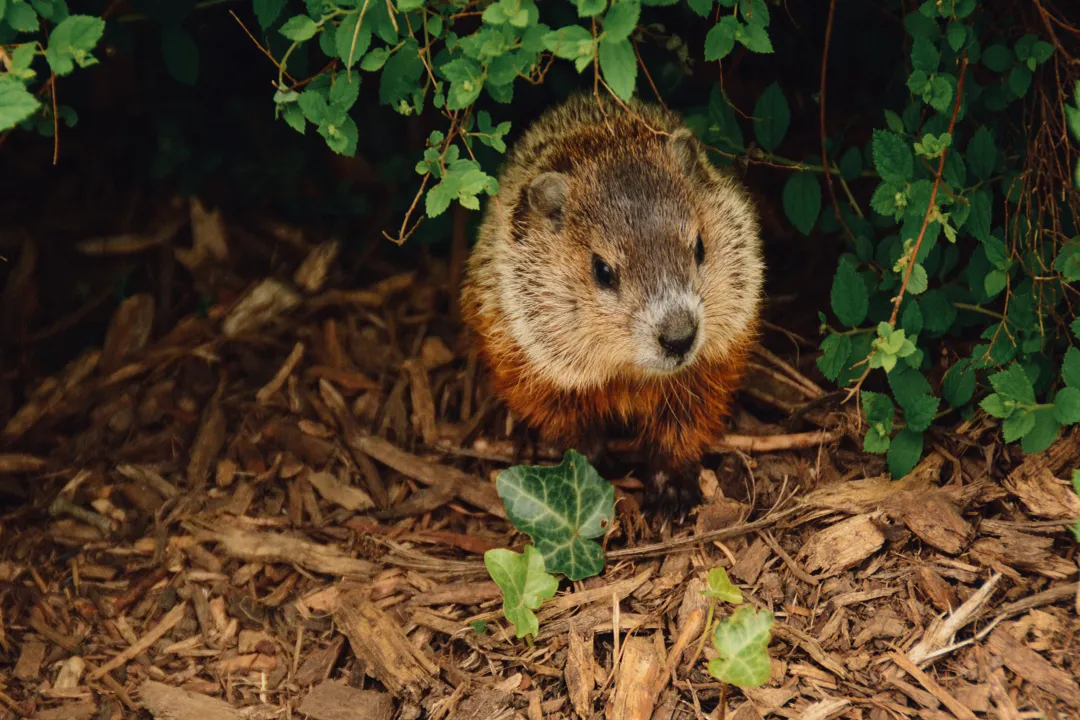
The next classification level is Class Mammalia. [2] This is a significant grouping that immediately tells us a great deal about the woodchuck’s physiology. Mammals are characterized by features such as having hair or fur, being warm-blooded (endothermic), breathing air with lungs, and, most distinctly, females producing milk via mammary glands to nourish their young. [2] The woodchuck’s thick coat provides insulation, crucial for surviving cold winters during hibernation, and its ability to regulate its own body temperature is a defining trait of this class. [5] Furthermore, like other mammals, woodchucks give birth to relatively developed young that rely on maternal care, setting them apart from egg-laying groups. [2]
# Order Rodentia
Perhaps the most defining grouping relevant to the woodchuck's ecological role is Order Rodentia. [2][7] Woodchucks are definitively classified as rodents. [3][5][10] This is the largest order of mammals, characterized primarily by a single pair of continuously growing, sharp incisors in both the upper and lower jaws that must be kept worn down by gnawing. [2][7] This dental structure is the namesake of the order, derived from the Latin rodere, meaning "to gnaw". [2]
The fact that the woodchuck is a rodent explains much about its behavior and dietary needs. They are herbivores whose diet consists primarily of vegetation, including grasses, clover, alfalfa, and garden crops. [3][9] The constant need to wear down those ever-growing teeth necessitates a diet that requires significant chewing and abrasion. [7] This classification links the woodchuck not just to squirrels, but also to mice, rats, beavers, and porcupines, despite their vastly different lifestyles. It is interesting to note that while the common perception of rodents might skew towards smaller creatures, the woodchuck represents a significantly large end of the spectrum for this order. [6] In Minnesota, for instance, the woodchuck holds the title of the largest member of the squirrel family. [6] Considering the immense diversity within Rodentia, the woodchuck's classification strongly suggests a life dependent on tough plant material and the physical necessity of gnawing to maintain its dental health. [2]
# Family Sciuridae
Within Rodentia, the woodchuck falls into Family Sciuridae. [2][9] This family is universally recognized as the squirrel family. [1][3][5][6][9] This places the woodchuck in the same biological grouping as tree squirrels, chipmunks, marmots (its genus), and prairie dogs. [1]
Members of Sciuridae generally share the dental formula characteristic of rodents but often exhibit specialized features related to their specific niches. [2] While many people associate squirrels with climbing trees, the woodchuck is, like its close relatives the prairie dogs, fundamentally a ground-dwelling, burrowing specialist. [8] This highlights a significant ecological divergence within the family. If we map out the general characteristics of the family members, we see a pattern of adaptation: some species, like the common gray squirrel, are primarily arboreal, relying on agility in the canopy. [1] The woodchuck, conversely, has specialized in creating extensive subterranean networks, making it a fossorial animal. [2] It is a telling example of how a single family can yield members adapted to completely different vertical habitats—one living in the air (trees) and the other deep underground. [1] While many squirrels rely on hiding nuts in the soil, the woodchuck’s entire existence revolves around manipulating that soil for shelter and hibernation. [2]
# Genus Marmota
The next specific level of organization is Genus Marmota. [2] The woodchuck is identified scientifically as Marmota monax. [1][2][4][5][7][9] The genus Marmota groups together the large, heavy-bodied ground squirrels, commonly known as marmots. [2][8]
Marmots are known for their stout bodies, short legs, and tendency to live in burrows, often in mountainous or open, grassy areas. [2] The woodchuck is sometimes referred to as the groundhog because it is the most widespread marmot species in North America. [2] While other marmot species exist across North America and Eurasia—such as the yellow-bellied marmot or the hoary marmot—they often inhabit higher elevations or more rugged terrain than the common woodchuck. [2][8] The Marmota genus signals a shift toward larger body size and more pronounced hibernating behaviors compared to smaller squirrels like chipmunks. [2]
# Species Marmota monax
The final, most precise classification is the species: Marmota monax. [1][2] This binomial nomenclature is unique to this particular organism. While closely related to other marmots, Marmota monax has specific physical characteristics, geographic distribution, and behavioral traits that differentiate it from its cousins. [2]
For instance, the woodchuck is generally recognized for its relatively dark, grizzled brown fur and its widespread distribution across eastern and central North America, extending into Alaska. [1][8] Different sources might note slight variations in appearance or behavior across this wide range—for example, an Alaskan woodchuck might exhibit different adaptations to local conditions than one in Missouri. [8][9] The scientific name ties together the general marmot characteristics (the genus) with the specific traits that make it this particular animal (the species). [2]
# Taxonomic Summary Table
To clearly illustrate this hierarchy, we can present the classification in a structured format:
| Taxonomic Rank | Classification | Notes |
|---|---|---|
| Kingdom | Animalia | Multicellular, heterotrophic organisms. [2] |
| Phylum | Chordata | Possesses a notochord during development. [2] |
| Class | Mammalia | Warm-blooded, furred, nurses young. [2] |
| Order | Rodentia | Defined by continuously growing incisor teeth. [2][7] |
| Family | Sciuridae | The squirrel family. [2][5][9] |
| Genus | Marmota | Large, burrowing ground squirrels (marmots). [2][8] |
| Species | Marmota monax | The specific classification for the woodchuck/groundhog. [2] |
This table succinctly organizes the information, showing that the woodchuck is a specialized member of the squirrel family, adapted through its rodent order features to a ground-dwelling, herbivorous lifestyle. [1][7]
# Naming Conventions and Local Identity
The scientific name, Marmota monax, offers stability, but the common names reflect local traditions and observations. [9] The terms woodchuck and groundhog are used interchangeably across much of the continent. [9] In Missouri, for example, both names are accepted field guide identifiers. [9] However, the common names can sometimes obscure the creature's true biological identity. Calling it a "hog" is a misnomer; it is neither related to swine nor is it strictly limited to woodland habitats, as it thrives in open fields and meadows across its range. [3][9]
There is a linguistic curiosity related to the name "woodchuck." It is frequently suggested that the name derives from an Algonquin term, possibly wuchak, which simply meant "the digger". [1] This linguistic tie reinforces the key behavioral classification implied by its family and genus—the act of digging. [1] It is a great example of how indigenous languages often described animals based on their most apparent ecological function rather than attempting a formal scientific grouping. [1]
The woodchuck’s presence is geographically extensive, noted from Alaska [8] through states like Idaho, [4] Illinois, [7] Missouri, [9] and down to North Carolina. [10] While the animal is found widely, its classification as a Marmota—a genus often associated with mountainous regions in popular culture—means that its prevalence in flat, agricultural Eastern regions can sometimes surprise those familiar only with its mountain-dwelling relatives. [2]
# Ecological Niche Implied by Classification
The taxonomic placement of Marmota monax provides a strong indication of its ecological role, extending beyond the simple listing of names. As a large rodent in the squirrel family, it acts as a significant ecosystem engineer through its burrowing activity. [2][7] Its classification demands that it consume vast amounts of plant matter to sustain its large body mass and survive long periods of inactivity. [3]
Consider the implications of its classification as a large, fossorial rodent. Unlike smaller, surface-dwelling squirrels that rely heavily on arboreal escape routes, the woodchuck’s survival strategy is built around subterranean security. The construction of complex burrow systems, which can involve multiple entrances and chambers for sleeping and raising young, dramatically alters soil composition and aeration in its immediate area. [2] This physical manipulation of the environment is a direct, tangible outcome of its classification as a specialized marmot—a large, heavy creature engineered for digging, distinguishing it from lighter, more agile members of Sciuridae. [1][6]
If we think about the energy demands on such a large herbivore that must store enough fat reserves to power months of hibernation, we gain insight into its feeding habits. [2] Its status as a rodent ensures that its dental structure is perfectly adapted to process tough, fibrous grasses and legumes. [7] This contrasts sharply with, say, a beaver (Castor canadensis), which is also a rodent but is classified in a different family (Castoridae) and specializes in woody material, fundamentally changing its impact on the landscape, even though both are large, burrowing rodents in North America. The woodchuck’s classification places it squarely as a primary consumer impacting herbaceous plant communities across meadows and agricultural borders. [3][10]
The ability of Marmota monax to thrive across such a wide climatic gradient—from the cold north to the temperate south—also speaks to the adaptability inherent in its specific placement within the Marmota genus. [8][9] While other marmots might be restricted to alpine meadows where snow cover and temperature fluctuations are more extreme and predictable, the woodchuck has managed to integrate itself into human-altered landscapes, perhaps because its generalist diet and strong burrowing instinct provide adaptability when habitat quality varies. [2] This resilience within a specific taxonomic band highlights successful evolutionary outcomes. [2]
The sheer number of common names associated with this single species—groundhog, woodchuck, whistle-pig—often found in different state wildlife guides, [9] versus the single, rigid scientific name, Marmota monax, [2] perfectly illustrates the tension between common, descriptive language and formal scientific structure. While a local farmer might know it as the pest eating their garden beans, the biologist sees the Order Rodentia, the Family Sciuridae, and the Genus Marmota, instantly recognizing a pattern of life history traits built around gnawing, digging, and hibernation. [7] This classification system, therefore, is not just an exercise in cataloging; it is a predictive tool that tells us how the animal lives, eats, and interacts with its world based on its evolutionary relatives. [2]
Related Questions
#Citations
Groundhog - Wikipedia
Marmota monax (woodchuck) | INFORMATION - Animal Diversity Web
Groundhogs Fact Sheet | Blog | Nature - PBS
Marmota monax (Woodchuck) | Idaho Fish and Game Species Catalog
Woodchuck - Marmota monax - New Hampshire PBS
Minnesota Fish & Wildlife - Facebook
woodchuck - Illinois Department of Natural Resources
Woodchuck Species Profile, Alaska Department of Fish and Game
Woodchuck (Groundhog) - Missouri Department of Conservation
[PDF] Groundhog (Woodchuck) - NC Wildlife