What is the classification of an elk?
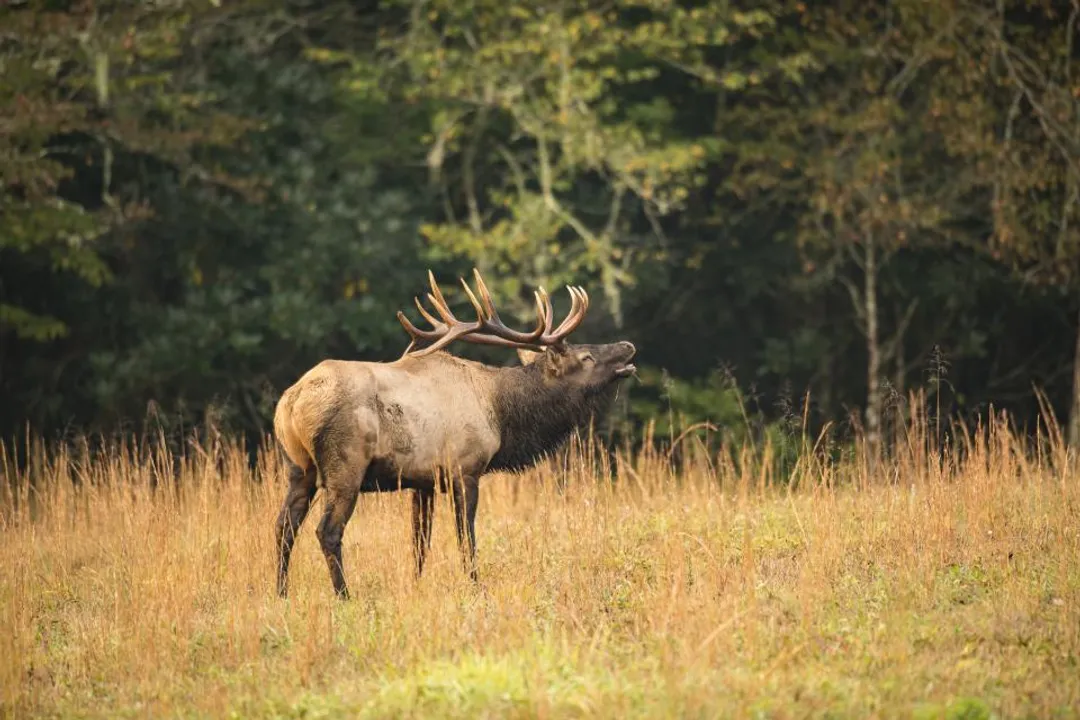
The classification of an elk reveals a fascinating story of biological placement, regional divergence, and historical naming conventions within the deer family. Scientifically, the elk belongs to the family Cervidae, which encompasses all modern deer species worldwide. [1][4] Understanding its precise spot in the Linnaean hierarchy helps distinguish it from its closest relatives, such as the red deer, and clarifies why North American elk are often referred to by their specific common name, Wapiti. [6]
# Hierarchical Placement
The classification of the elk places it quite high up in the biological tree of life, reflecting its status as a large, complex mammal. [8] At the broadest level, elk are animals, falling into the Kingdom Animalia. [8] They are vertebrates, members of the Phylum Chordata, and warm-blooded, air-breathing mammals classified under the Class Mammalia. [3]
The progression continues through the Order Artiodactyla, meaning they are even-toed ungulates, walking on hooves that bear an even number of digits. [3] This places them alongside animals like cattle and deer. Moving to the Family Cervidae, we confirm their membership in the deer family. [1][4] The genus that contains the North American elk is Cervus. [1][6]
The defining species name for the North American Elk, commonly known as the Wapiti, is Cervus canadensis. [1][5] This designation is what separates it formally from its Old World cousin, the Red Deer, which is classified as Cervus elaphus. [1][6] While historically there has been some debate and overlap in scientific thought regarding whether the Red Deer and Wapiti should be classified as distinct species or subspecies of one another, current consensus largely recognizes them as separate species, Cervus canadensis and Cervus elaphus. [1][6]
# Species Division
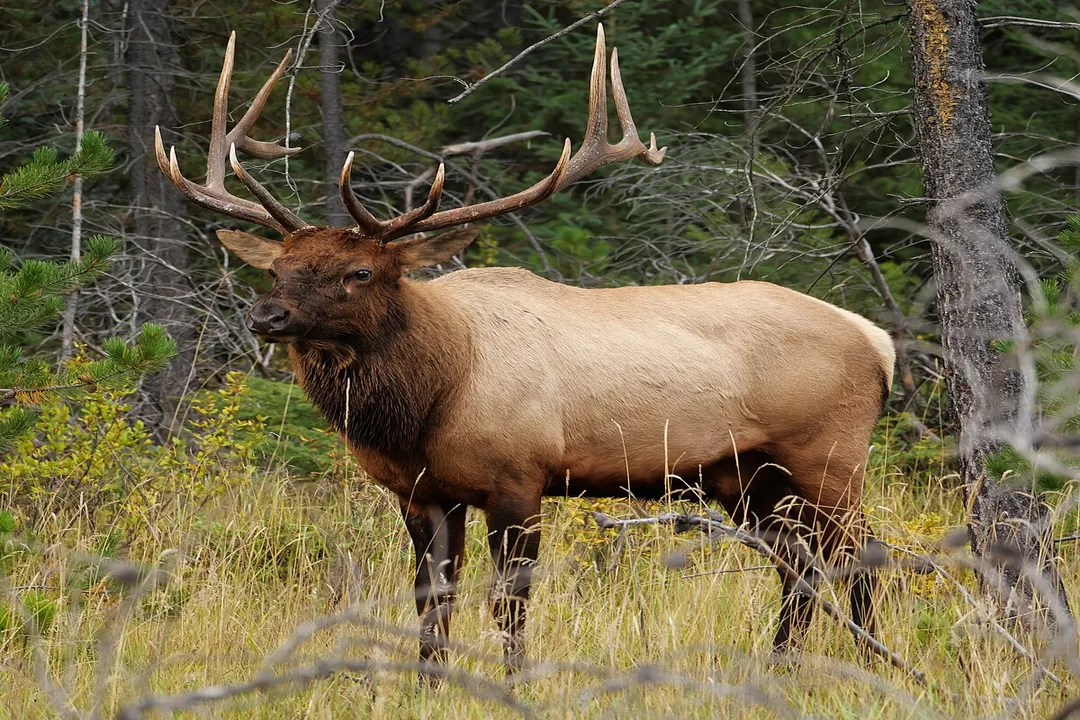
The distinction between Cervus canadensis and Cervus elaphus is perhaps the most crucial element when discussing elk classification, especially for those studying cervids globally. [6] While both are large members of the Cervus genus and share a common ancestry, genetic studies support their standing as distinct species. [1]
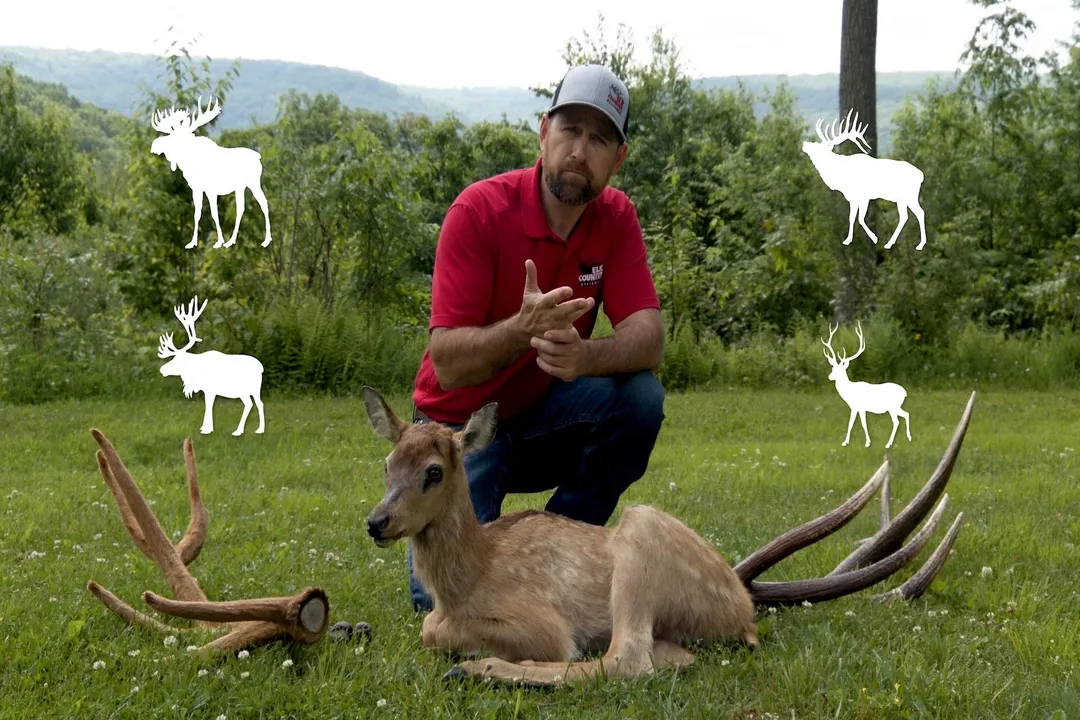
The term "elk" itself can sometimes cause confusion because of regional language differences. In Europe, the animal commonly referred to as an elk is actually the Moose (Alces alces), which is an entirely different species within the same family. [1] The North American animal known as the Elk is the Wapiti (Cervus canadensis). [1][4] If you are in North America, asking about an elk usually means you are seeking information on Cervus canadensis. [5]
North American elk tend to be smaller than European Red Deer, though significant size variation exists within the North American species due to subspecies differences. [1] The male elk, or bull, carries impressive antlers, which are shed and regrown annually, a hallmark trait of the Cervidae family. [4]
# Regional Types
Within the species Cervus canadensis, the animal has adapted to diverse environments across North America, resulting in several recognized subspecies, each possessing unique characteristics molded by their specific habitats. [5][9] Understanding these regional variations is important for conservation and wildlife management, as genetic integrity within these groups is often a management goal. [2][7]
The major recognized subspecies include:
- Roosevelt Elk (C. c. roosevelti): Found primarily in the Pacific Northwest, including Washington and Oregon. [5] These are generally considered the largest subspecies of North American elk. [1]
- Rocky Mountain Elk (C. c. nelsoni): This is arguably the most numerous and widespread subspecies, commonly found in the Rocky Mountain regions, such as Idaho. [7]
- Tule Elk (C. c. bennetti): A smaller subspecies found in California, historically facing severe population declines. [9]
- Manitoban Elk (C. c. manitobensis): Found in the northern Great Plains and parts of Canada. [1]
- Eastern Elk (C. c. canadensis): Tragically, this subspecies was declared extinct in the wild in the early 20th century. [2]
The divergence between these subspecies illustrates the power of geographic isolation. For instance, the Roosevelt Elk, living in the moist, dense coastal forests of the Pacific Northwest, developed into a larger form compared to the Tule Elk, which historically inhabited the drier, more open plains and valleys of California. [5][9] Managing these distinct populations means recognizing that translocation efforts must respect these natural boundaries where possible, or at least account for the genetic mixing that occurs when different regional stocks are interbred. [2]
# Conservation Challenges
The classification history of the elk is intertwined with significant population collapses across the continent. [9] While many subspecies like the Rocky Mountain Elk have seen remarkable comebacks due to intensive management and conservation efforts, others faced near-total extinction.
The plight of the Eastern Elk provides a stark example. [2] Once roaming widely across eastern North America, their populations were decimated by the late 1800s due to overhunting and habitat loss. [2] While the original C. c. canadensis is gone, conservation biologists have worked to reestablish elk populations in the East by introducing genetically similar Western elk, such as the Rocky Mountain Elk, into historic ranges like North Carolina. [2] This act of reintroduction is a direct application of understanding taxonomy; managers must decide whether to try to restore a lost subspecies using the closest available genetic match or to simply establish a healthy elk population using readily available stock. [2]
The success of reintroductions, as seen in places like the Elk Country of Pennsylvania or the restoration efforts managed by the North Carolina Wildlife Resources Commission, depends on understanding the species' inherent adaptability, which is fortunately high for Cervus canadensis. [2]

# Applying Taxonomy
When observing an elk in the wild, say in the mountains of Idaho or the forests of Washington, a naturalist is witnessing a specific manifestation of the Cervus canadensis species, a subgroup within the broader classification. [7][5] The key identifiers that place it firmly in the Deer Family are shared characteristics like cloven hooves and the male's annually shed, branching antlers. [4]
A fascinating behavioral point that ties back to classification is the rutting call. The deep, distinctive bugle of the North American Wapiti sets it apart audibly from the Red Deer (Cervus elaphus) in Europe, even though they look similar on paper. [6] This acoustic separation further reinforces the accepted biological classification of C. canadensis as a distinct species occupying the North American niche. [1] If you ever find yourself managing a herd or simply observing wildlife, knowing whether you are looking at a C. canadensis versus a C. elaphus informs everything from dietary expectations to potential migratory patterns, even if both animals share the same genus name. [6] The difference between canadensis and elaphus is not just a line in a textbook; it reflects distinct evolutionary paths shaped by continental separation over millennia.
Related Questions
#Citations
Elk - Wikipedia
Elk | NC Wildlife
Elk - Explore the Taxonomic Tree | FWS.gov
American Elk | Phillips Park Zoo - Aurora, IL
Elk | Washington Department of Fish & Wildlife
Cervus elaphus (elk) | INFORMATION - Animal Diversity Web
Cervus canadensis (Elk) | Idaho Fish and Game Species Catalog
Classification | Elk Country Virtual Field Trip | PBS LearningMedia
Elk - California Department of Fish and Wildlife