What is the classification of a chinchilla?
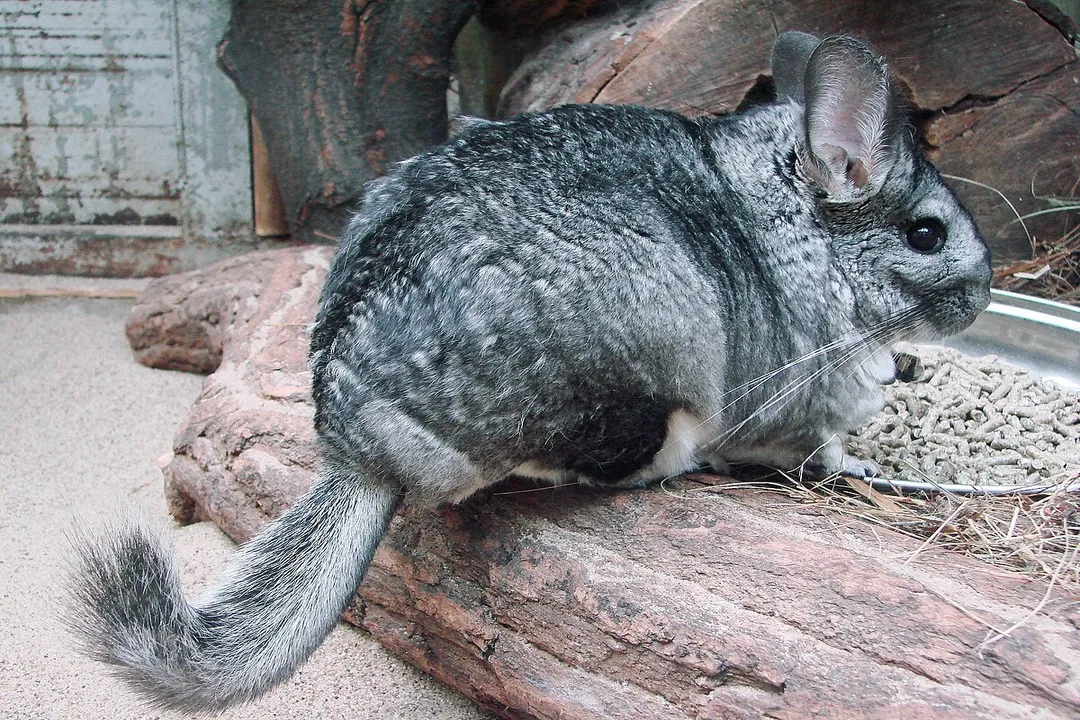
The creature we commonly call a chinchilla occupies a very specific niche within the grand organization of life. To understand what a chinchilla is, we must trace its lineage through the biological hierarchy, starting from the broadest categories and narrowing down to its exact species designation. This classification reveals not just its closest relatives but also hints at its evolutionary history and physical adaptations.
# Broad Placement
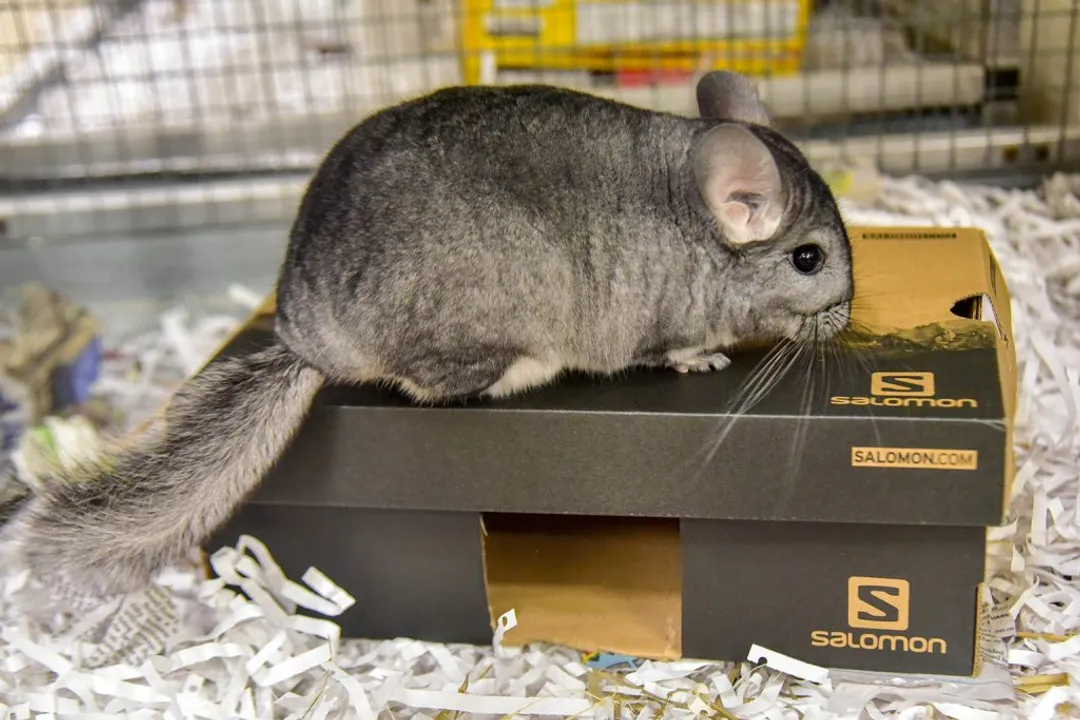
At the highest level, the chinchilla belongs to the Kingdom Animalia, meaning it is a multicellular, eukaryotic organism that is heterotrophic and generally mobile. Moving down, it falls within the Phylum Chordata, characterized by having, at some point in their development, a notochord, a dorsal hollow nerve cord, pharyngeal slits, and a post-anal tail.
The next major step places it firmly in the Class Mammalia. This group is defined by key characteristics such as having hair or fur, being warm-blooded (endothermic), and females producing milk via mammary glands to nourish their young. Within mammals, the chinchilla is classified in the Order Rodentia, making it a rodent. This order is the largest among mammals and is fundamentally defined by a single pair of continuously growing upper and lower incisors in each jaw, which must be worn down by gnawing.
# Family Designation
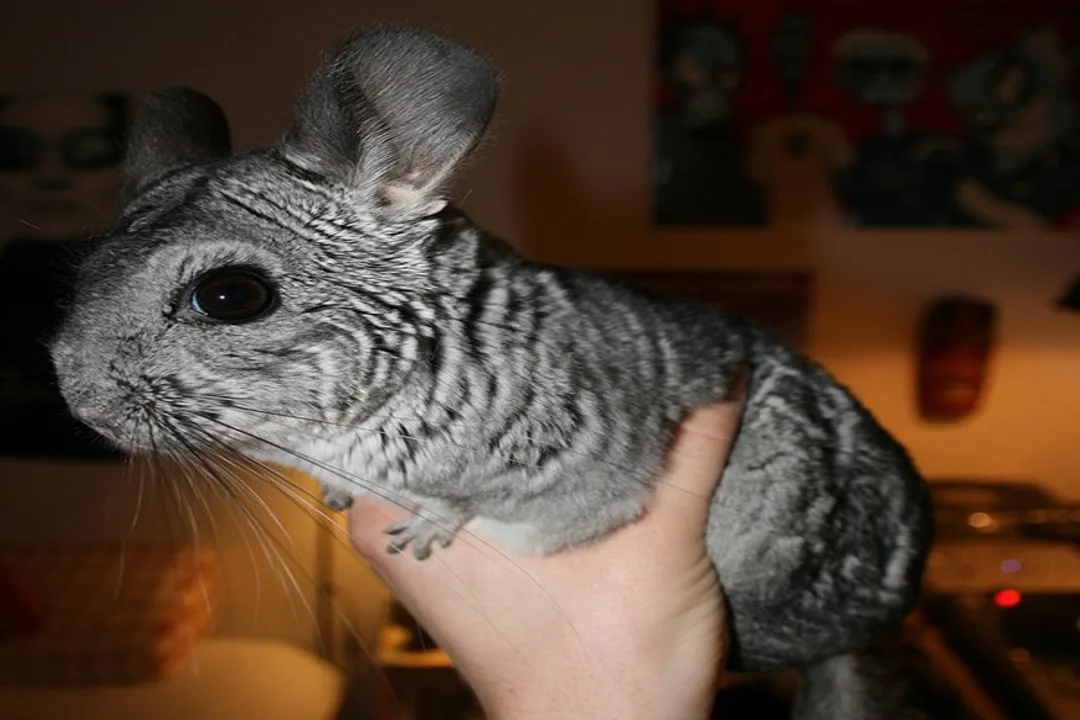
The classification becomes more focused when we reach the Family level: Chinchillidae. The family Chinchillidae is a fascinating grouping within the order Rodentia, separate from other well-known rodents like mice, squirrels, or porcupines.
Historically, the classification of these unique South American rodents has been a subject of scientific interest. Chinchillids belong to the infraorder Hystricomorpha, a group that includes guinea pigs and porcupines. Intriguingly, the sources indicate that the family Chinchillidae itself is divided into two distinct extant genera. This division is significant because it separates the group most people recognize as the "true" chinchillas from their close, but distinct, high-altitude cousins.
If we compare the Chinchillidae family to another family in the same suborder, such as the Aplodontidae (the mountain beaver), we see how specialized the chinchilla lineage is, despite both sharing a common ancestry within the Hystricomorpha infraorder. The chinchillas have evolved distinctly different adaptations suited to their environments compared to the mountain beaver.
# Genus and Species Distinction
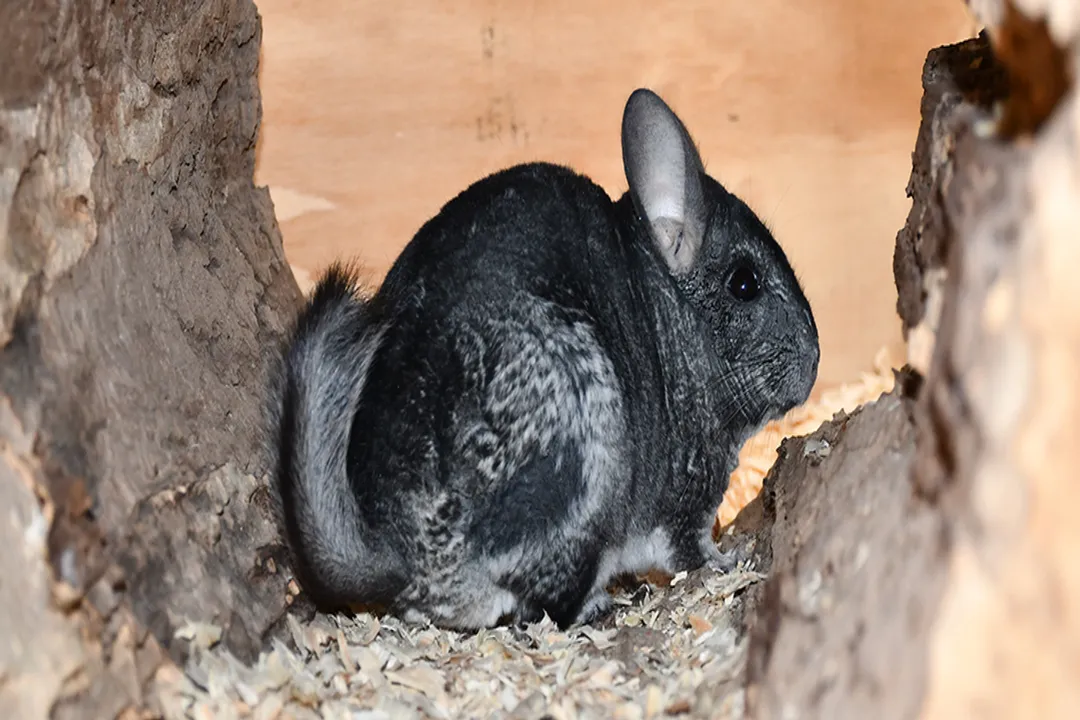
The genus level is where the well-known pet trade animal is precisely located: genus Chinchilla. However, the family Chinchillidae contains this genus alongside the genus Lagidium, which comprises the mountain or tufted-eared chinchillas. While both are members of the same family, the difference between a Chinchilla and a Lagidium mirrors the difference between a house cat and a small wildcat; they are related but not interchangeable in precise biological terms.
Within the genus Chinchilla, science recognizes two primary species:
- Chinchilla lanigera: This is the Long-tailed Chinchilla. This species is the ancestor of nearly all domestic chinchillas kept as pets today.
- Chinchilla chinchilla: This is the Short-tailed Chinchilla.
The precise distinction between these two species rests on morphological differences, notably tail length, ear size, and the structure of the skull and molariform teeth. For those involved in breeding or conservation, understanding this split is essential. While C. lanigera is relatively more common in captivity, recognizing the genetic heritage and precise taxonomy of any given animal is critical for managing captive populations, especially where reintroduction into specific native ranges might theoretically be considered someday.
# The Chinchilla's World Context
To place the classification practically, these animals are native to the high Andes Mountains of South America, specifically in countries like Chile and Peru. Their taxonomy places them high in the cold, arid, rocky grasslands, which dictated the evolution of their famous dense fur. The C. lanigera species, in particular, is historically associated with a smaller area in central Chile.
One important consideration that arises from looking closely at the classification, particularly the distinction between the two Chinchilla species, involves their conservation status. While the domestic pet is robustly bred, wild populations face significant threats. Both species are listed as Endangered by the IUCN due to historical hunting and habitat loss. This classification as Endangered directly follows their placement as distinct species, meaning conservation action must recognize the specific needs of both C. lanigera and C. chinchilla in their native environments, rather than treating them as one homogenous group.
| Taxonomic Rank | Classification Detail | Defining Characteristic |
|---|---|---|
| Kingdom | Animalia | Multicellular, heterotrophic |
| Phylum | Chordata | Presence of a notochord in development |
| Class | Mammalia | Hair/Fur; mammary glands |
| Order | Rodentia | Continuously growing incisors |
| Family | Chinchillidae | Includes true chinchillas and mountain chinchillas |
| Genus | Chinchilla | The "true" chinchillas |
| Species | C. lanigera | Long-tailed Chinchilla (ancestor of pets) |
| Species | C. chinchilla | Short-tailed Chinchilla |
When you look at a chinchilla in a reputable zoo or as a companion animal, you are almost certainly looking at a descendant of Chinchilla lanigera. This specific taxonomic identity dictates the care requirements; for instance, knowing they are related to wild, high-altitude dwellers helps explain why they are so sensitive to heat and humidity, as their dense fur is an adaptation to cold, dry climates. Their need for dust baths to maintain the health of that specialized coat is another practical consequence derived from understanding their natural history, which is encapsulated within their classification.
The arrangement of the chinchilla within the biological order Rodentia, separate from, say, the Caviomorpha group (which includes guinea pigs), emphasizes that while they share the rodent defining trait of ever-growing teeth, their evolutionary paths diverged long ago, leading to unique physical structures and behaviors. Understanding their classification moves beyond simple labeling; it informs everything from their dietary needs to their place in the global ecosystem.
Related Questions
#Citations
Chinchilla - Wikipedia
Chinchilla - Explore the Taxonomic Tree | FWS.gov
Chinchillidae (chinchillas and viscachas) - Animal Diversity Web
Chinchilla - The Maryland Zoo in Baltimore
AnAge entry for Chinchilla lanigera
Basic Information Sheet: Chinchilla - LafeberVet
Chinchillidae – Small Mammals SG
Chinchilla - Akron Zoo
Chinchilla - Louisville Zoo