What is a fox's worst enemy?
The life of a fox, particularly the adaptable Red Fox (Vulpes vulpes), is a continuous negotiation between hunting successfully and avoiding becoming a meal itself. While often viewed as a cunning survivor capable of navigating human environments, the fox exists within a complex food web where it is simultaneously a predator and the prey of several larger, more powerful animals. [4][9] Determining the single "worst" enemy requires looking beyond simple predation statistics and considering factors like competitive exclusion and the sheer scale of human impact.
# Large Canids
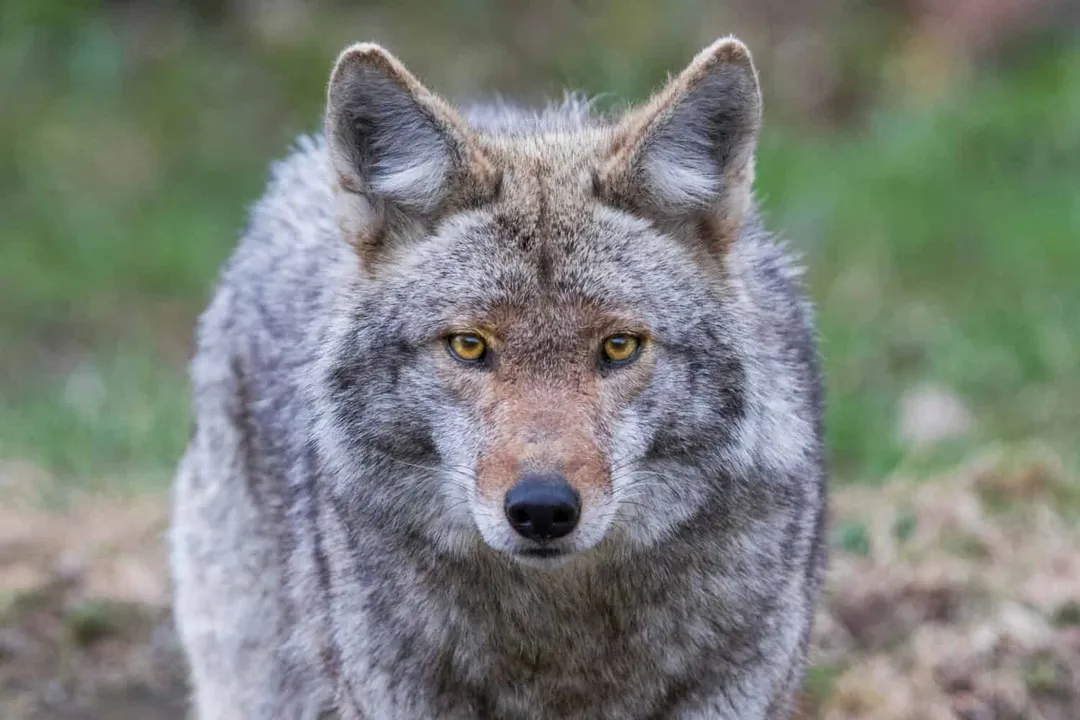
For many fox populations across North America, the most significant non-human threat comes from larger members of the same family: coyotes and wolves. [1][4] This dynamic is less about opportunistic hunting and more about intense interspecies competition.
Coyotes are frequently cited as a primary danger to foxes. [1] They often kill foxes not for food, but to eliminate competitors for resources, a behavior known as intraguild predation. [4] Where coyotes thrive and their population density is high, the presence of foxes can be drastically reduced or entirely eliminated from the territory. [4] This suggests that the coyote functions as an ecological gatekeeper, setting the upper limits on fox survival and density in shared habitats. [1]
Wolves, where present, also pose a mortal danger to foxes. [4] As apex predators in many ecosystems, wolves will readily kill foxes they encounter, further cementing the idea that the greatest threat often comes from animals that view the fox as a rival rather than just a meal. [1] The difference in size and pack structure between a lone fox and even a pair of coyotes creates a massive survival imbalance. [4]
# Aerial Hunters
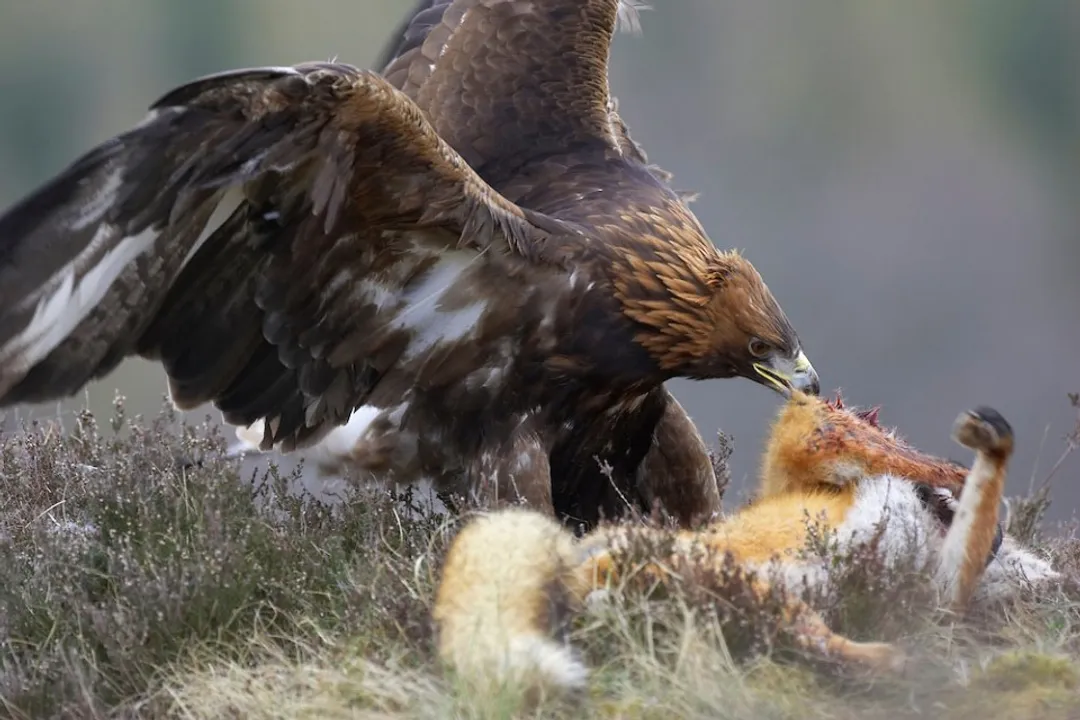
While larger terrestrial mammals present a constant ground-level threat, the sky offers its own dangers. Large birds of prey are a recognized predator group for foxes. [1] The Golden Eagle is specifically mentioned as being capable of preying upon foxes. [1][4]
However, the effectiveness of aerial predation often correlates with the age and size of the fox. An adult, healthy red fox possesses considerable speed and agility that make it a difficult target for even a powerful eagle in open country. [4] The risk is far higher for very young kits or smaller fox species that might inhabit more open ground or are caught unaware near their den entrances. [1] It is worth noting that while the visual impact of an eagle snatching a fox is dramatic, the overall annual removal rate from this source is typically lower than the systemic pressure exerted by canid competitors. [4]
# Feline Threats
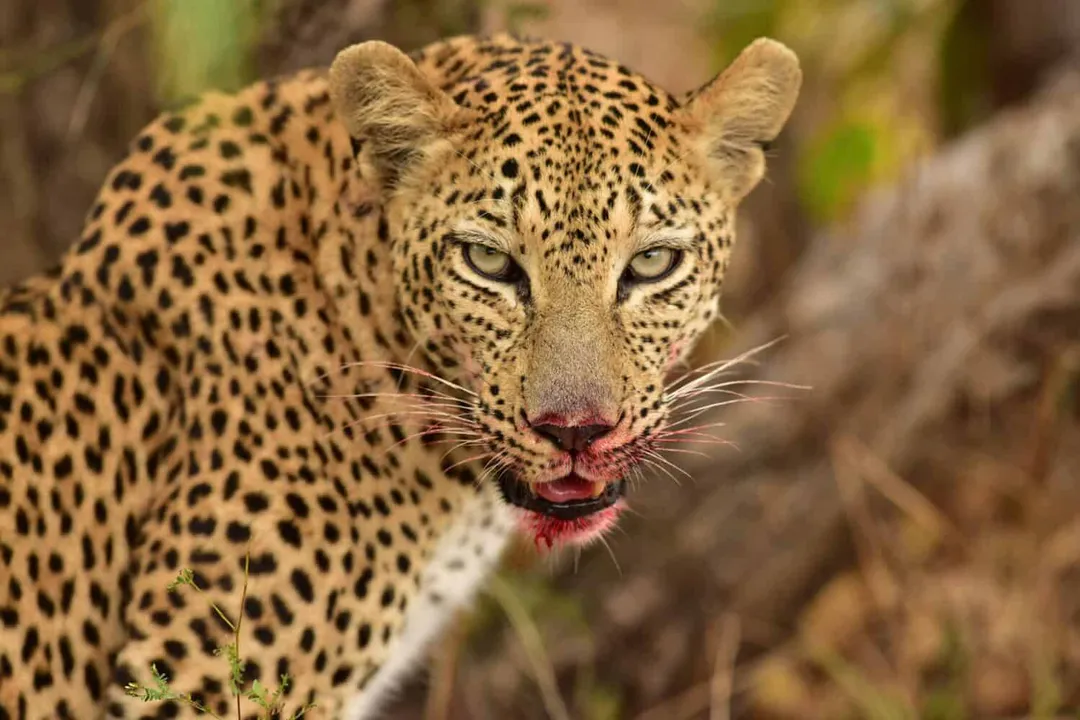
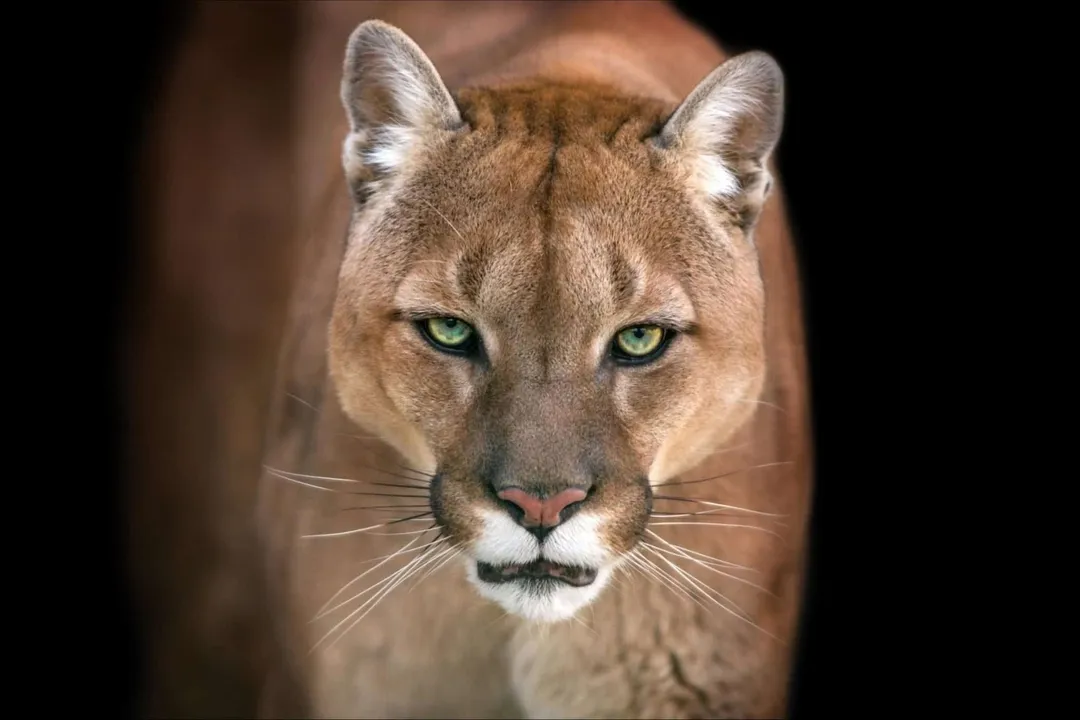
In certain geographic regions, powerful feline predators assume the role of primary threat. Bobcats and cougars have been identified as animals that will prey upon foxes. [1] Much like the coyote, these large cats are not solely reliant on fox meat, but the fox represents a readily available mid-sized mammal in their hunting range. [1]
In the warmer, southern regions of the United States, even alligators have been documented taking foxes that venture too close to the water's edge. [1] This highlights a crucial element in defining the "worst" enemy: the danger is entirely dependent on the local biome. A fox in a dense northern forest may never encounter an alligator, while a fox in a Florida swamp must contend with this unique reptilian threat. [1]
# The Human Impact
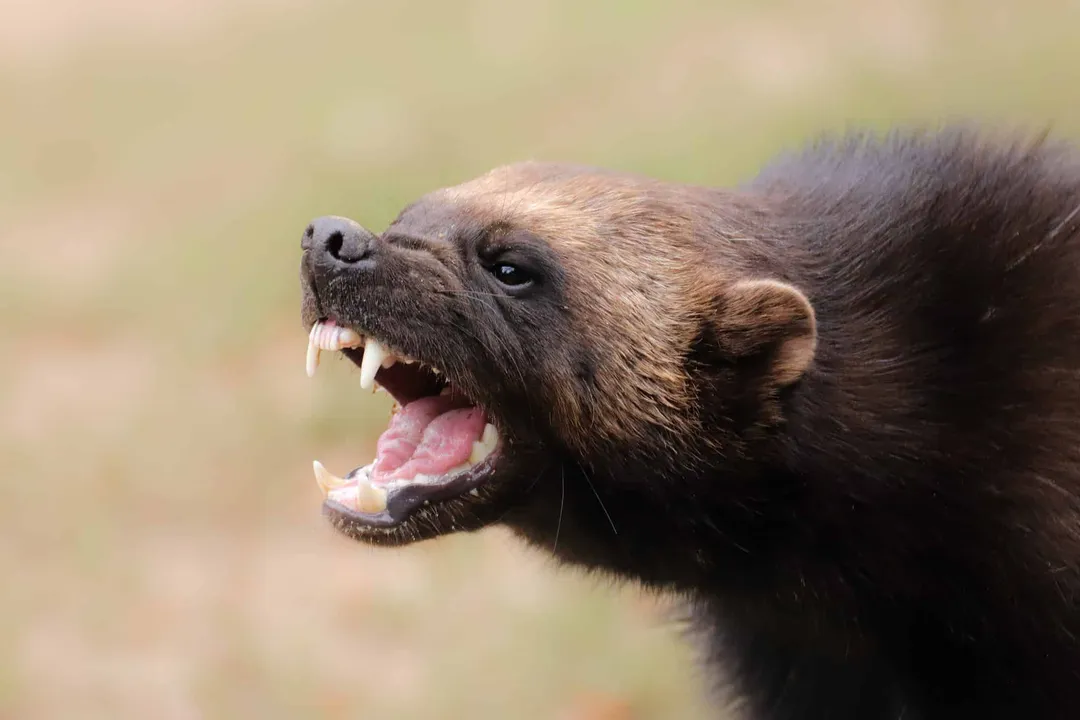
It is difficult to discuss any wild animal's threats without acknowledging the impact of Homo sapiens. Humans exert pressure on fox populations through several avenues, making them arguably the most consistent and widespread adversary. [4][9]
This pressure manifests in direct persecution, such as hunting and trapping, often related to pest control or fur harvesting. [4] Furthermore, habitat loss and fragmentation due to expanding human settlements constantly squeeze fox territories, forcing them into closer, more dangerous proximity with people and domestic animals. [9]
When considering the sheer number of foxes that die as a direct result of human activities—whether intentionally culled or accidentally killed on roadways—the human factor easily surpasses the localized impact of any single natural predator. [4] The challenge with human threats is that they are often systemic, targeting the species across its entire range rather than being confined to specific ecological niches like coyotes or eagles.
# Competition Dynamics
While predation is the most straightforward answer to "who eats the fox," the ecological interaction with coyotes presents a more nuanced problem for fox survival. A fox trying to survive near a thriving coyote population faces more than just the risk of being killed; it faces sustained environmental stress that reduces its ability to thrive and reproduce. [4]
If we consider the worst enemy to be the one that most effectively prevents a fox population from maintaining its numbers, the answer leans toward the dominant competitor. For instance, imagine a scenario where coyotes actively harass foxes away from prime hunting grounds for carrion or smaller prey, even if the coyotes rarely make a successful kill. This resource denial causes malnutrition and reproductive failure over time, which is a slower but perhaps more profound threat than the singular event of a coyote attack. [4] A local study tracking territorial displacement might reveal that for every fox killed by a coyote, three others are forced into poorer habitats where survival rates plummet. [1]
This constant competition forces foxes to become exceptionally adaptable, pushing them into urban environments where they can sometimes exploit the absence of larger canids or the abundant food sources available near human habitation. [9] The fox’s reliance on stealth and cunning is sharpened by the need to avoid these larger mammals. [4]
# Geographic Variance
What defines the "worst" enemy is less a universal truth and more a mapping exercise based on geography. If a fox lives in an area where coyotes have been largely extirpated or where wolves maintain strict control over the coyote population, the Golden Eagle or even a local bobcat might take the lead as the most frequent predator. [1] Conversely, in the suburbs of a major city, the greatest risk might be a vehicle, which is an incidental enemy created by human infrastructure, rather than a biological predator. [9]
For example, think about two hypothetical fox dens. In rural Colorado, the coyote is the undisputed primary threat, leading to low fox numbers overall. [4] In a dense, semi-urban park in the UK, where coyotes are absent, the main threat might shift toward badger interaction (which can be aggressive over territory, though not typically predatory) or vehicle collision. [9] The sheer adaptability of the Red Fox allows it to exist successfully across diverse landscapes precisely because its most dangerous adversary changes depending on the latitude and local ecological balance. [9]
This localized dynamic means that advice for protecting poultry from foxes—which sometimes involves using livestock guardian animals like llamas or certain dog breeds to deter predators like coyotes—only solves one part of the equation. The presence of these guardians may mitigate the coyote threat in a specific yard, but it does not shield the fox from an eagle passing overhead or from the pervasive threat of road mortality elsewhere in its territory. [5]
# Assessing Enduring Danger
When weighing the scale of threat, it is essential to differentiate between predation and competitive displacement. Predation is the immediate end of one life. [1][4] Competitive displacement is the long-term suppression of an entire local gene pool. [4]
The coyote, by virtue of being an effective predator and a highly effective competitor that aggressively clears foxes from territories, often emerges as the most significant biological impediment to fox success. [4] This is because the coyote actively works to ensure its own species benefits from the fox’s absence, making the interaction inherently antagonistic beyond simple hunger. For the fox, surviving the constant low-level territorial friction with coyotes might be a more taxing, life-shaping reality than the occasional, albeit fatal, encounter with a bobcat or eagle. [1]
Ultimately, while humans pose the largest numerical threat through widespread environmental change and direct action, the coyote likely stands as the most potent natural enemy due to its direct, aggressive competition that seeks to eliminate the fox from the ecosystem entirely. [4] The fox’s survival relies on an ongoing, highly flexible strategy of avoidance, exploiting niche resources, and adapting to whatever combination of aerial hunters, terrestrial rivals, and human pressures define its local environment.
#Videos
What Eats A Fox UPDATED List of Fox Predators - YouTube
What Eats A Fox? 11 Predators That Prey On Foxes | Red Foxes
Related Questions
#Citations
Fox Predators: What Eats Foxes? - A-Z Animals
What Eats A Fox UPDATED List of Fox Predators - YouTube
What are the predators of a fox, besides humans? How large can ...
Red Fox Predators | Wildlife Online
The red fox is an opportunistic predator and scavenger that helps ...
What animals keep foxes away? : r/Homesteading - Reddit
Foxes and Chickens - Poultry Predators
Red fox - Wikipedia