What is a tiger's worst enemy?

The tiger, scientifically designated Panthera tigris, is often visualized as the ultimate engine of the jungle, a solitary powerhouse cloaked in camouflage, ruling its domain through sheer strength and stealth. They sit at the very top of the food chain, meaning that when they are healthy and in their prime, they face few, if any, competitors in their native Asian habitats. They are predators that help maintain ecological balance by controlling herbivore populations. Yet, this image of invincibility crumbles when confronted with the reality of their existence. While their physical capabilities are magnificent, the question of who or what constitutes a tiger’s worst enemy requires separating natural combat from existential pressure.
# Apex Status Contested: The Human Factor

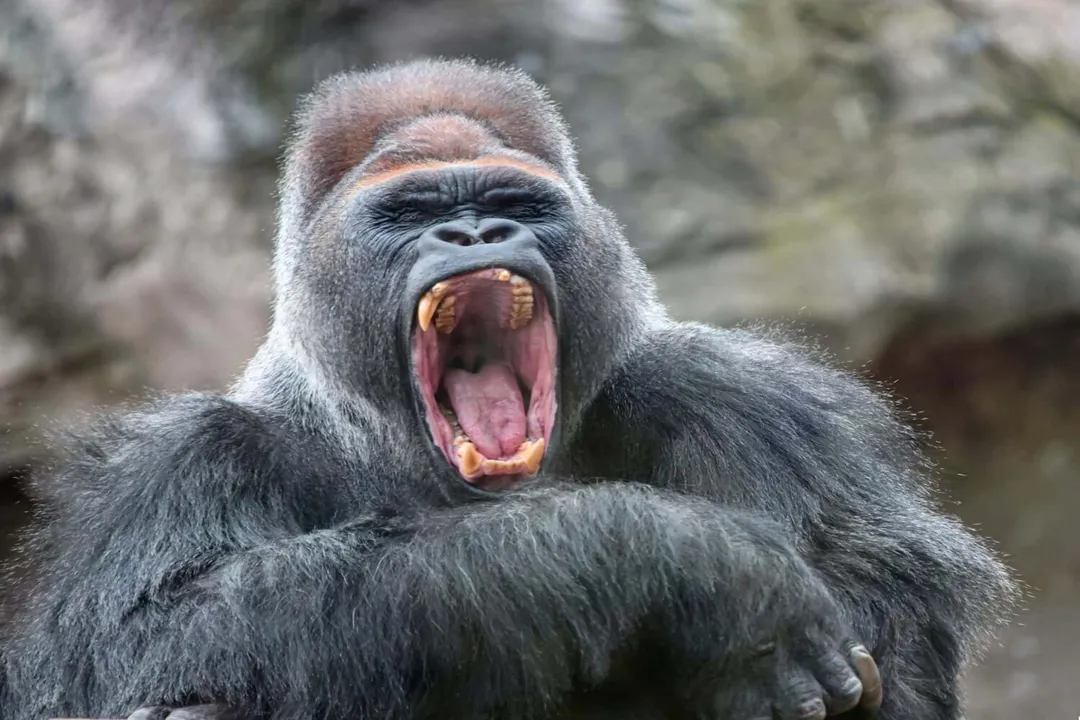
The answer to what threatens the tiger most significantly is not another magnificent beast but rather the one species that expands relentlessly into every corner of the globe: humans. This relationship is complex, spanning direct killing, territorial disputes, and slow environmental strangulation.
Historically, the sheer scale of human conflict is staggering. Records from British India alone document over 33,000 human fatalities attributed to tigers between 1876 and 1912. While modern numbers are lower, they fluctuate wildly, sometimes spiking due to population growth and settlement expansion into tiger territories. The contemporary threat is categorized primarily in two devastating ways: commercial exploitation through poaching and lethal encounters stemming from habitat compression.
Poaching drives an illegal wildlife market where nearly every part of the tiger is valued. Bones are sought for traditional Asian medicine, skins and teeth serve as status symbols, and even genitals are traded, with some believing they possess aphrodisiac qualities. This systematic hunting continues despite the tiger’s classification as endangered on the IUCN Red List, with only between 2,600 and 3,140 mature individuals estimated to remain in the wild. For a solitary hunter needing vast territory to secure sufficient prey and find mates, this pressure is a slow death sentence by fragmentation.
The second facet of the human threat is direct conflict. When shrinking habitats force tigers closer to human settlements, they begin to predate on livestock, which are far easier targets than wild ungulates like sambar deer or wild boar. This invariably leads to retaliatory killings by farmers seeking to protect their livelihoods. A fascinating, tragic feedback loop exists where human action directly creates a more dangerous tiger. A tiger injured by a hunter’s bullet or, more naturally, by sharp quills, may find its usual, stronger prey too difficult to subdue. In this state of incapacitation, the animal may turn to humans—less appetizing but generally much easier to overpower—becoming a dreaded man-eater. The infamous Champawat Tigress, for instance, was later found to have severe dental injuries that likely drove her to prey on villagers out of necessity rather than malice. This cycle shows that the very presence of humans creates the conditions that turn the tiger from a distant threat into an immediate, lethal enemy. Furthermore, conservationists note that in some areas, there are now more captive tigers in places like the United States than remain free in the wild, a testament to how profoundly human management—or mismanagement—defines the species’ fate.
# Natural Rivals: High-Stakes Encounters
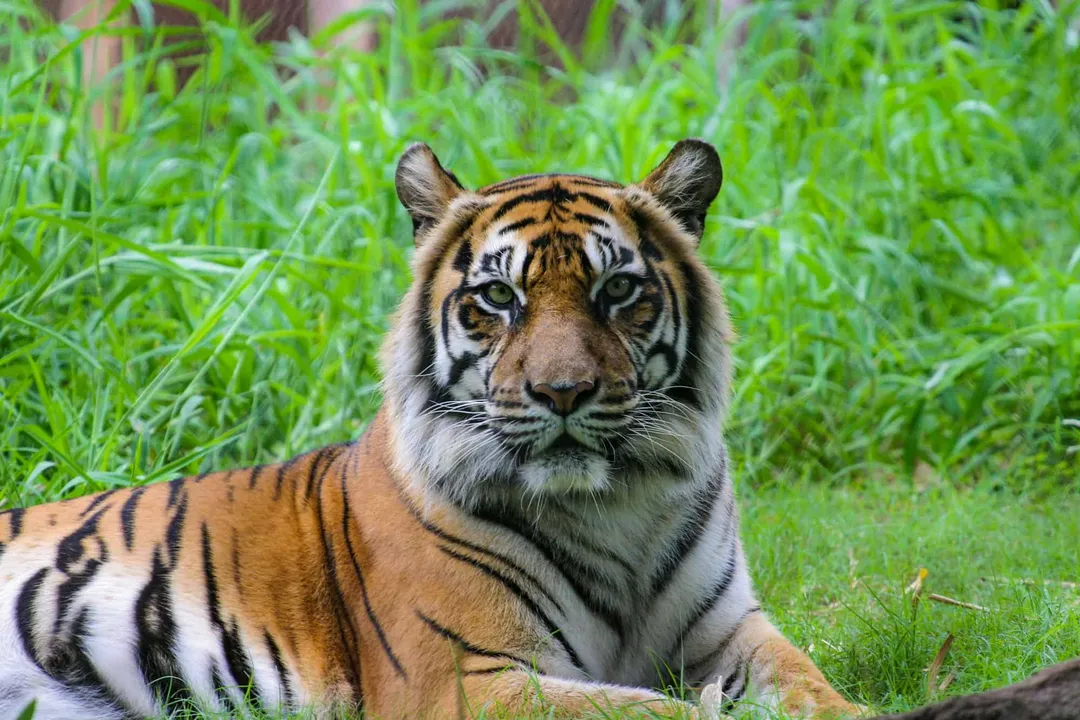
When we remove humanity from the equation, the tiger reverts to its role as the apex predator. However, in moments of territorial overlap, resource competition, or defense, a few other heavyweights possess the size or ferocity to inflict fatal wounds.
One crucial distinction to make when comparing the tiger to these animals is the difference between potential fatality and probability of encounter. An encounter with a gaur or an elephant is a high-risk, low-frequency event, whereas the risk posed by poaching or habitat encroachment is a constant, near-certain hazard across their range.
# Great Bovids and Pachyderms
The Asian elephant is clearly capable of killing a tiger. While tigers may occasionally target elephant calves, adult elephants live in protective herds and will respond violently to an attack on their young, using stomping and goring as defense mechanisms. There are recorded instances of entire herds crushing an attacking tiger. Similarly, the gaur, the world’s largest wild cattle, presents an overwhelming physical advantage. A large male gaur can exceed a metric tonne, towering over even the largest Amur tigers. A reported incident in India involved a tigress being fatally gored by a gaur she had attempted to hunt.
# Ursine Combatants
Bears represent a complex area of interspecific conflict. Tigers are known to prey on bears when resources are scarce or the bear is weak. However, confrontation with a large, healthy bear is inherently dangerous. Brown bears sharing territory with Siberian tigers in Russia can be significantly larger, sometimes weighing up to 800 pounds, nearly twice the weight of a male tiger. While tigers are masters of the ambush and often defeat bears, one documented fight resulted in the tiger dying later from its wounds sustained against a large male wild boar, suggesting that even a victorious fight against an equal or superior opponent carries mortal risk. Sloth bears, though smaller, are noted for their immense pluckiness, often standing their ground against a tiger and fighting back with claws and teeth designed for ripping into termite nests.
# Crocodiles and Canids
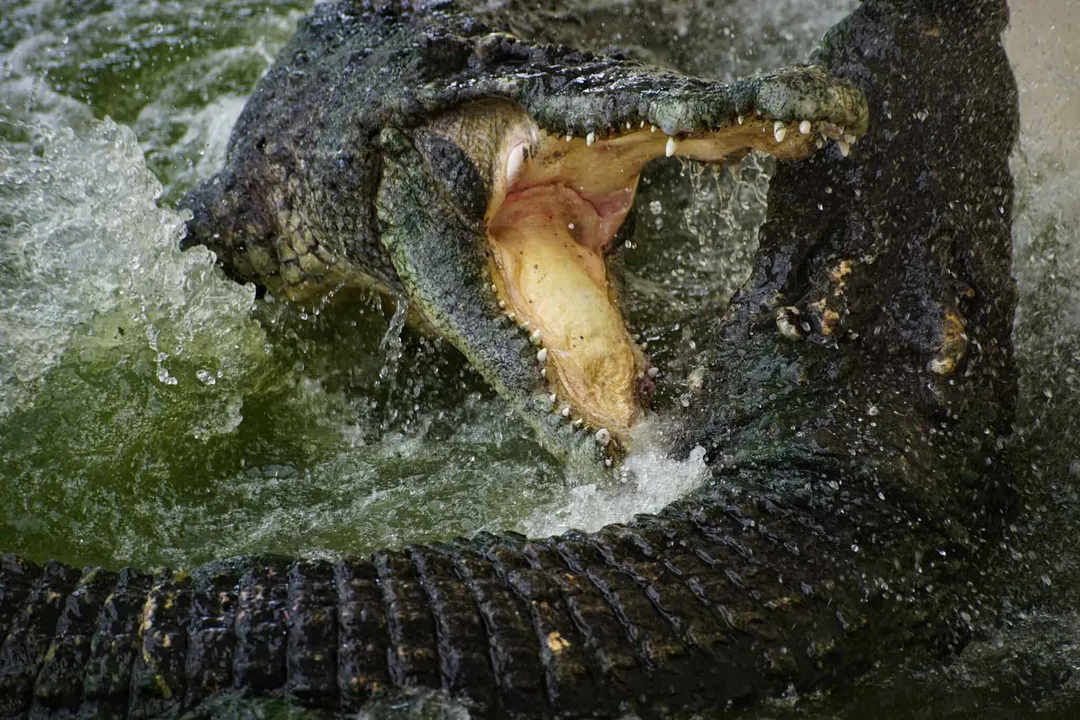
In aquatic environments where their ranges meet, such as the Sundarbans mangrove forests, the saltwater crocodile poses a distinct threat. While smaller crocodile species are often preyed upon by tigers, a fully grown Saltwater Crocodile can be far larger than a tiger and possesses the strongest measured bite force of any living animal. If the croc secures an initial grip in the water, it can utilize its famous "death roll" to dismember its prey. There is at least one documented case where a large saltie killed an adult female Bengal tiger that was swimming across a river. On land, dholes, or wild dogs, operate via pack tactics. A pack of five to twenty athletic dholes can overwhelm an injured female or cubs, though established evidence of them successfully taking down a healthy, prime adult tiger is considered limited or historically unreliable.
# The Silent Saboteurs: Injuries and Stressors
Beyond direct confrontation, the tiger faces enemies that do not fight face-to-face but inflict injuries that undermine their apex status or degrade their world.
# The Danger of Defense
Perhaps the most unique non-predator threat comes from the porcupine. Tigers are known to attempt to eat these spiky rodents, but the effort can be fatal. The porcupine’s backward-pointing quills can penetrate deeply, and there are newspaper reports of tigers succumbing to injuries sustained during hunts or while feeding. An autopsy on one tiger revealed quills had pierced its heart. Even if the injury is not immediately fatal, a disabled tiger cannot hunt effectively, leading to starvation or the aforementioned shift to easier, riskier prey like humans. This illustrates the fragility of the tiger’s specialization—it is built for powerful, quick kills, and any impediment to that hunting style is a crisis.
# Environmental Erosion
Compounding these physical threats is the relentless erosion of the necessary environment. Tigers once roamed all across Asia, but now they occupy a mere 5% of their historical range, confined to ten countries. This reduction is caused by agriculture, logging, and human settlement. This leads to habitat fragmentation, isolating populations, which makes finding mates and ensuring genetic diversity difficult—a threat to the entire subspecies' long-term viability. For the tigers in the Sundarbans, a unique case exists where climate change itself presents an enemy; rising sea levels threaten to wipe out their forest habitat entirely.
The cumulative weight of these factors settles the true identity of the tiger’s worst enemy. While a direct fight with a healthy elephant, gaur, or a very large bear is an unpredictable, albeit rare, possibility, the consistent, systemic pressure exerted by human activity is the overriding factor determining whether the tiger survives in the wild tomorrow. Whether through the bullet of a poacher, the axe clearing a forest corridor, or the infection left by a defensive quill, the tiger’s struggle for existence is overwhelmingly defined by its inescapable proximity to humankind.
#Videos
5 Times Tigers Proved That They Are The Deadliest Land Predators ...
Related Questions
#Citations
Tiger Predators: These 5 Animals Can Kill and Eat Tigers
10 animals that could kill a tiger | Discover Wildlife
TIL that tigers are the only predators known to regularly prey ... - Reddit
5 Times Tigers Proved That They Are The Deadliest Land Predators ...
Tiger attack - Wikipedia
Tiger: A Lone Hunter and Apex Predator - Animals | HowStuffWorks
Tigers: Threats, conservation and FAQs - IFAW