Do Tibetan foxes mate for life?
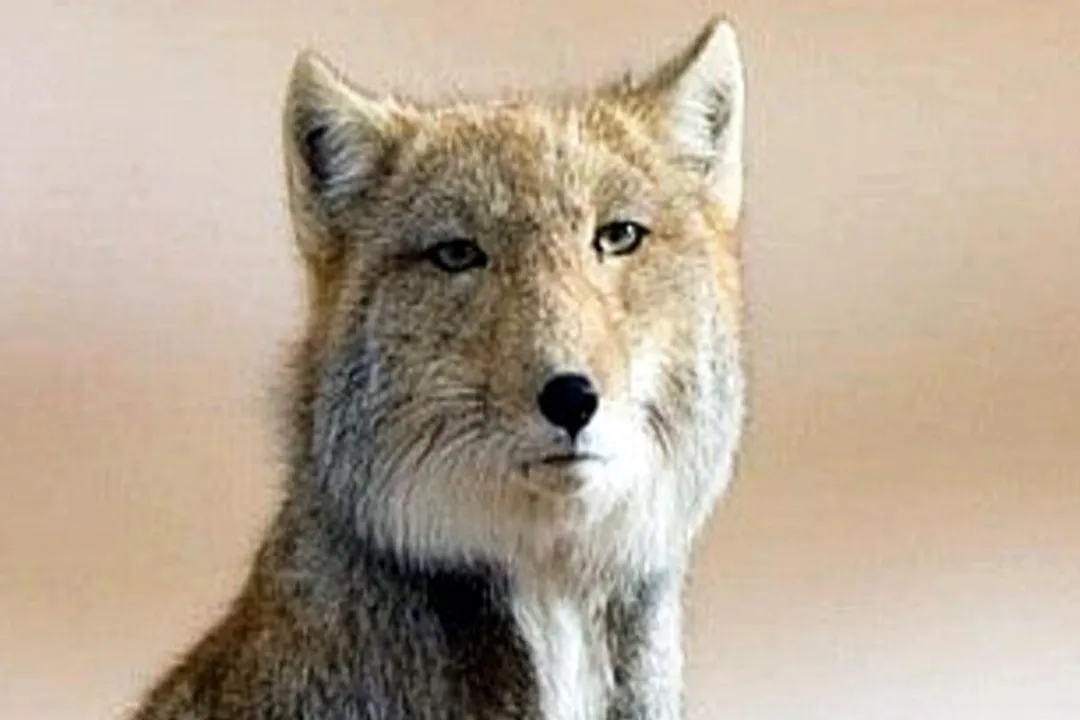
The Tibetan fox, Vulpes ferrilata, is known for several remarkable adaptations that allow it to thrive in the desolate, high-altitude grasslands of the Tibetan Plateau. Among its most endearing characteristics is its social structure, which revolves around an intense, long-term commitment between mates. The short answer to whether these foxes pair for life is a definitive yes; they are recognized as being monogamous and forming life-long pair bonds.
# Lifelong Pairing
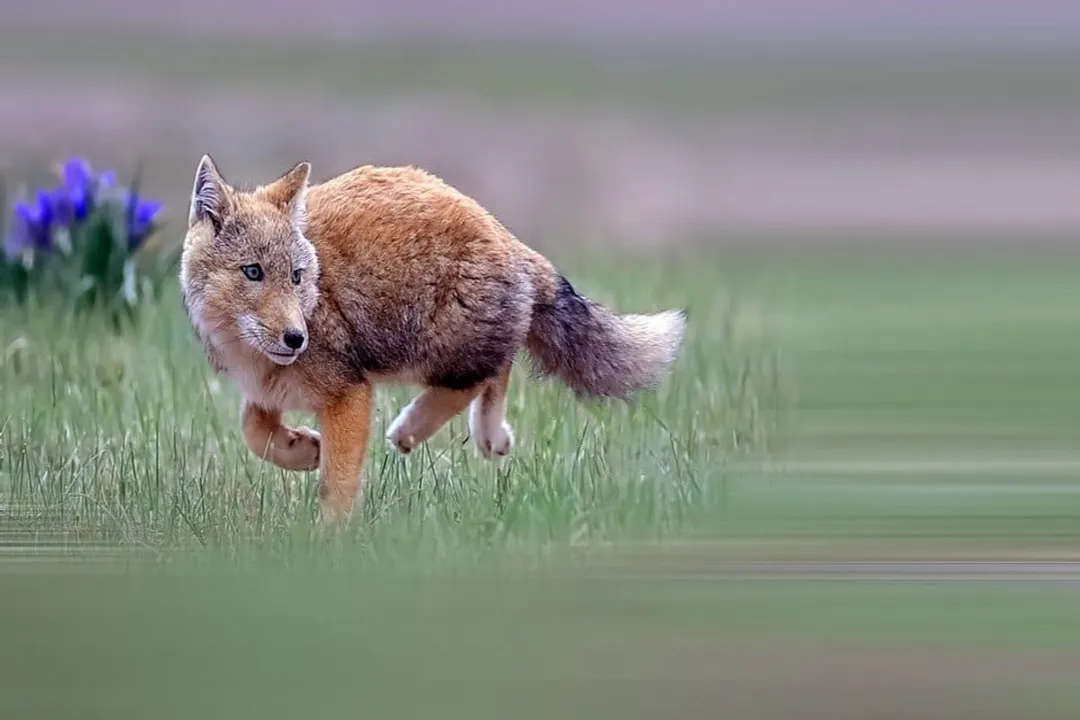
The social commitment of the Tibetan fox begins early in its life. These foxes typically find their partner during their first mating season after reaching sexual maturity, which occurs around one year of age. Once a pair has formed, they generally remain together for the entirety of their lives, a fidelity that defines their daily existence. This partnership dictates their routine, as mated pairs usually live, travel, and hunt together across the vast, open landscape.
This dedication suggests that parental investment is shared, and indeed, both parents are deeply involved in rearing their young. They are known to share every kill they make, ensuring sustenance for their spouse and any kits from the current litter. This cooperative approach is essential in an environment where resources can be sparse. While this lifelong bond is clearly established, one element remains somewhat of a mystery to researchers: if one member of the pair passes away, it is currently unknown whether the surviving fox will seek out a new companion.
# Shared Range
Despite forming such tight-knit, permanent relationships, the Tibetan fox does not exhibit the same level of territorial aggression often seen in other canids. These foxes are notably not territorial. This tolerance extends even to other bonded pairs; multiple fox couples are often found living in close proximity, frequently sharing the same hunting grounds without conflict. The survival strategy seems less about defending an exclusive piece of land and more about maintaining the strength and efficiency of the core pair unit while capitalizing on the abundance of their primary food source across a wider area. It is fascinating to observe such a strong pair bond existing alongside such a flexible tolerance for neighbors, suggesting that the immediate resource protection provided by the pair is prioritized over defending the entire home range boundary.
# Family Unit
The breeding cycle is seasonal, typically falling around late February or early March. After a gestation period lasting approximately 50 to 60 days, the female gives birth to a small litter, generally comprising two to four or five kits. The kits are born altricial—blind and completely dependent—and remain tucked away in their den for several weeks. The den, which is often an excavated burrow under rocks or within boulder piles, provides necessary insulation and protection from the elements and predators.
Young foxes remain with their parents, learning survival skills, until they reach about 8 to 10 months of age. At this point, they become independent and disperse, setting off to find a mate and establish their own home range. The lifespan in the wild is estimated to be around 8 to 10 years, though many individuals do not survive past their fifth year due to natural causes or threats like trapping. This reality means that while the intention is to mate for life, the harsh environmental pressures of the plateau often lead to a much shorter companionship than that framework suggests.
# Highland Adaptations

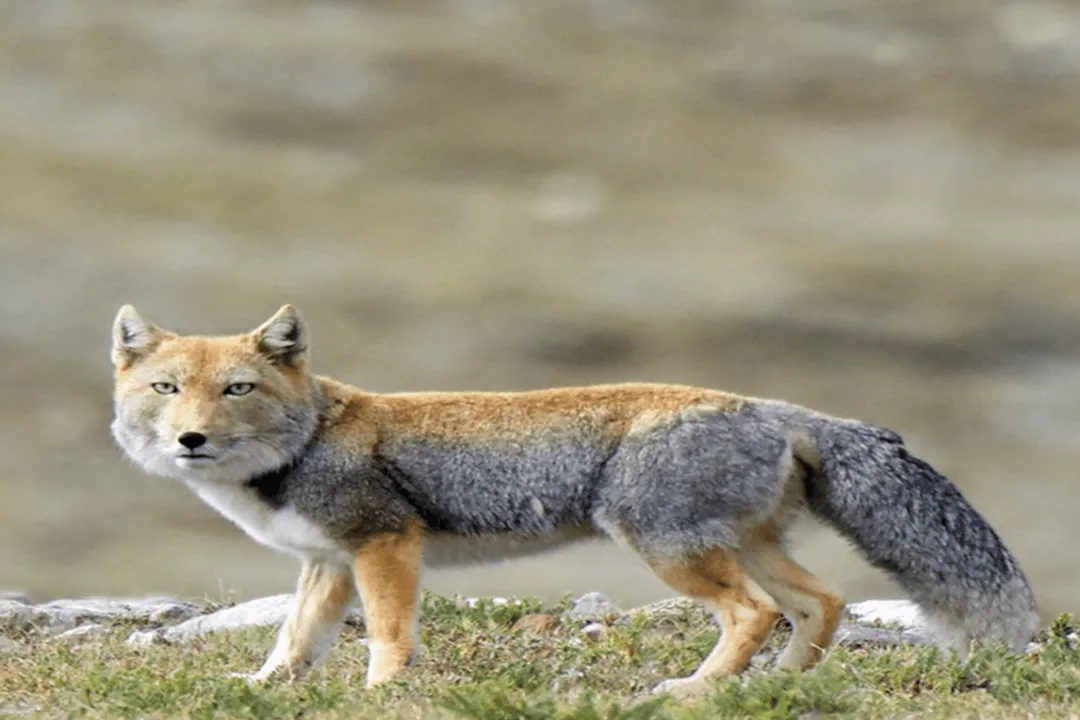
Vulpes ferrilata is instantly recognizable by its unusual appearance, which is a direct result of adaptation to extreme elevations, sometimes reaching as high as 5,300 meters (over 17,000 feet). Their coat is thick, featuring a dense undercoat necessary to insulate against the cold. The coloration—a mix of tan, grey, and sometimes rusty hues—provides excellent camouflage against the barren slopes and arid grasslands they inhabit.
The most striking physical feature is their distinctive, almost square-shaped head, characterized by broad cheeks and a relatively narrow muzzle compared to other foxes. While the exact evolutionary reason is debated, theories suggest this morphology helps them navigate the heavy, frequent winds characteristic of the plateau. Furthermore, they possess relatively small eyes, nose, and ears, an adaptation commonly associated with minimizing heat loss in frigid, high-altitude conditions.
# Hunting Strategy
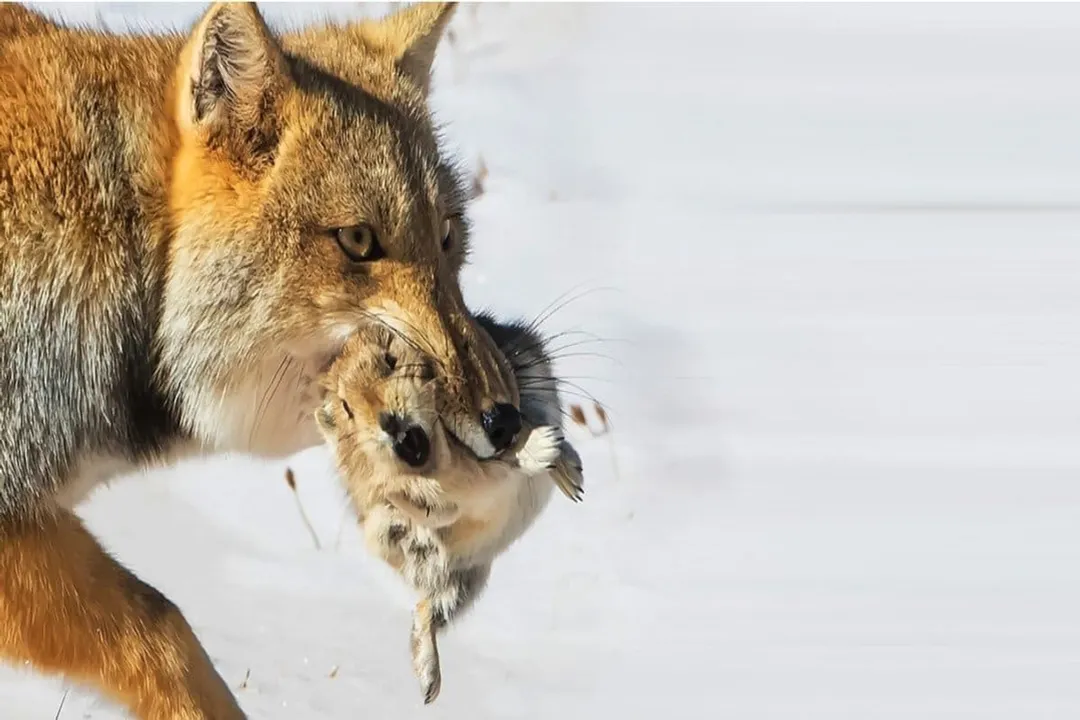
As obligate carnivores, Tibetan foxes are specialized hunters. Their diet centers almost entirely on small mammals, particularly the Plateau pika, which is diurnal, influencing when the foxes choose to hunt. They also consume rodents, marmots, hares, and ground birds, and are known scavengers, often feeding on the carcasses of larger animals like antelopes or wild yaks.
What sets their hunting apart is their unique interspecies cooperation. Observers have documented Tibetan foxes working alongside much larger predators, namely brown bears. In this unusual alliance, the bears use their strength to dig out pikas from deep burrows, and the agile foxes wait nearby to snatch the rodents as they flee the disturbance. This behavior exemplifies a calculated risk assessment, as the foxes essentially trade a small potential risk of conflict for guaranteed access to food flushed out by a much stronger animal.
# Niche Value
Beyond their own survival, the Tibetan fox plays a critical ecological role in maintaining the balance of the high-altitude steppe ecosystem. By keeping the populations of small burrowing mammals, especially pikas, in check, they prevent overgrazing and the subsequent degradation of the grasslands. This function is so vital that the species is listed as a second-class national protected animal in China, even though its global status is currently Least Concern. The primary threat to their survival is not direct predation—as they seem adept at negotiating with larger carnivores—but rather the potential collapse of their food base due to human activities like intentional pika poisoning programs used by local farmers.
The dedication observed in the Tibetan fox’s social life, centered on that lifetime partnership, provides a stark parallel to the delicate, interconnected web of life on the plateau. Their success relies not just on specialized anatomy for surviving the cold, but on complex social behaviors, whether it's sharing a kill with a mate or partnering with a bear to secure a meal. Understanding this commitment helps us appreciate the stability required for this unique canid to continue its vital role in its challenging, windswept home.
Related Questions
#Citations
Vulpes ferrilata (Tibetan fox) | INFORMATION
Tibetan Fox Animal Facts - Vulpes ferrilata
Tibetan Fox
Tibetan Fox | TheHunter: Call of the Wild Wiki - Fandom
Tibetan Fox Facts For Kids | AstroSafe Search
Tibetan Fox - Facts, Diet, Habitat & Pictures on Animalia.bio
The Unusual Looking Tibetan Sand Fox