Wire Fox Terrier Physical Characteristics
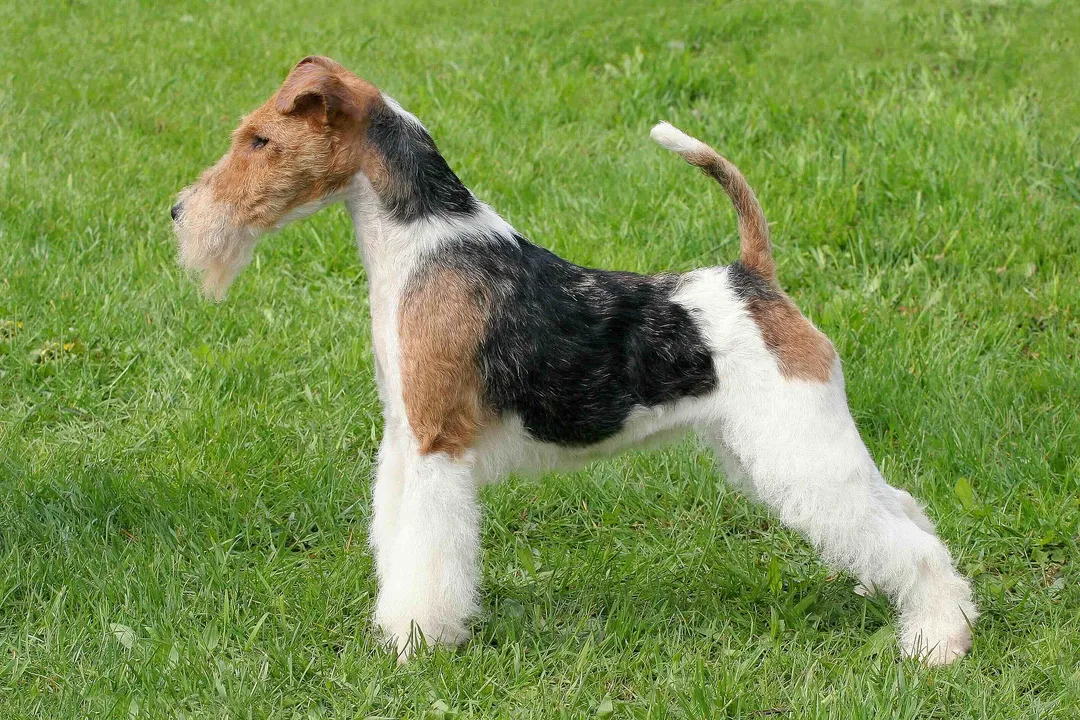
The Wire Fox Terrier presents an immediate picture of coiled readiness, embodying the classic terrier spirit in its physical form. Bred from rough-coated working terriers in England, this dog was engineered for a specific, demanding job: driving foxes from their underground dens to face the hunters above. This history of hard work is literally written into its frame, resulting in a compact, sturdy, and agile structure designed for tireless action and keen intelligence.
# Dimensions
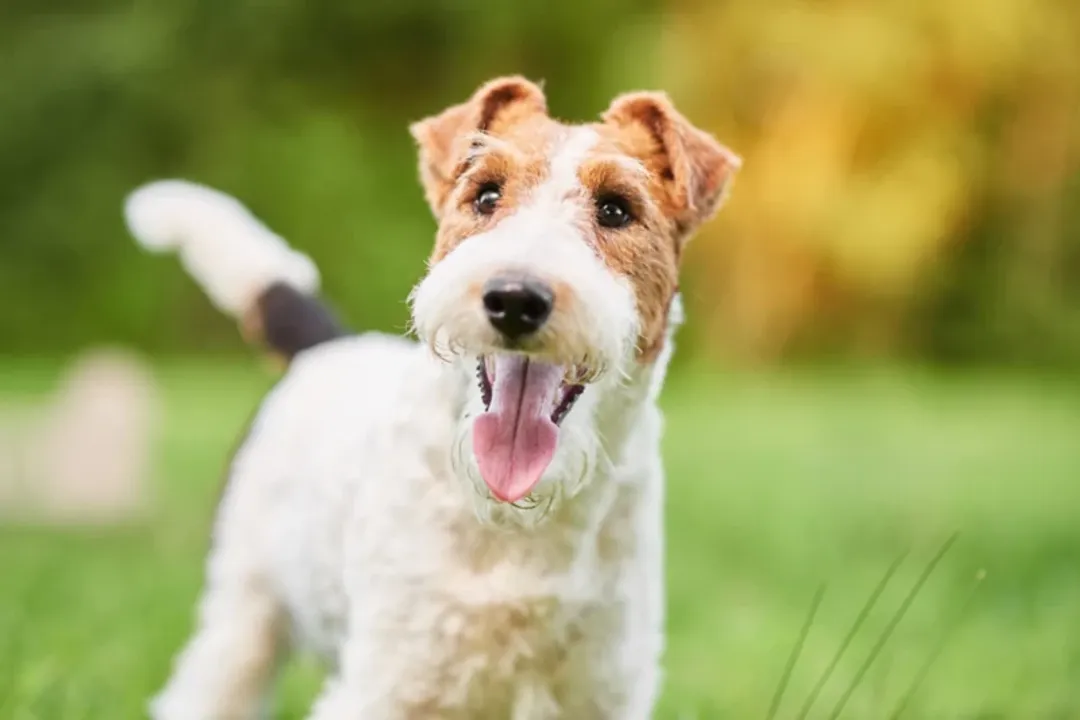
When assessing the Wire Fox Terrier, stature is key. These are not massive dogs; rather, they are built to be powerful for their size. Standards across major kennel clubs generally agree on the dimensions for a mature dog. A Wire Fox Terrier should stand no taller than about 15.5 inches at the withers. The male typically weighs in the range of 17 to 19 pounds, while females are slightly lighter, usually between 15 and 17 pounds.
The breed standard emphasizes balance, demanding that the dog be symmetrical—the length of the body from the point of the shoulder to the point of the buttock should be roughly equal to the height from the withers to the ground, resulting in a square appearance. A well-proportioned dog of this height should have a back length from the withers to the tail root of no more than 12 inches. This compact configuration keeps them low to the ground and agile enough for the work they were created for.
# Coat Texture Color
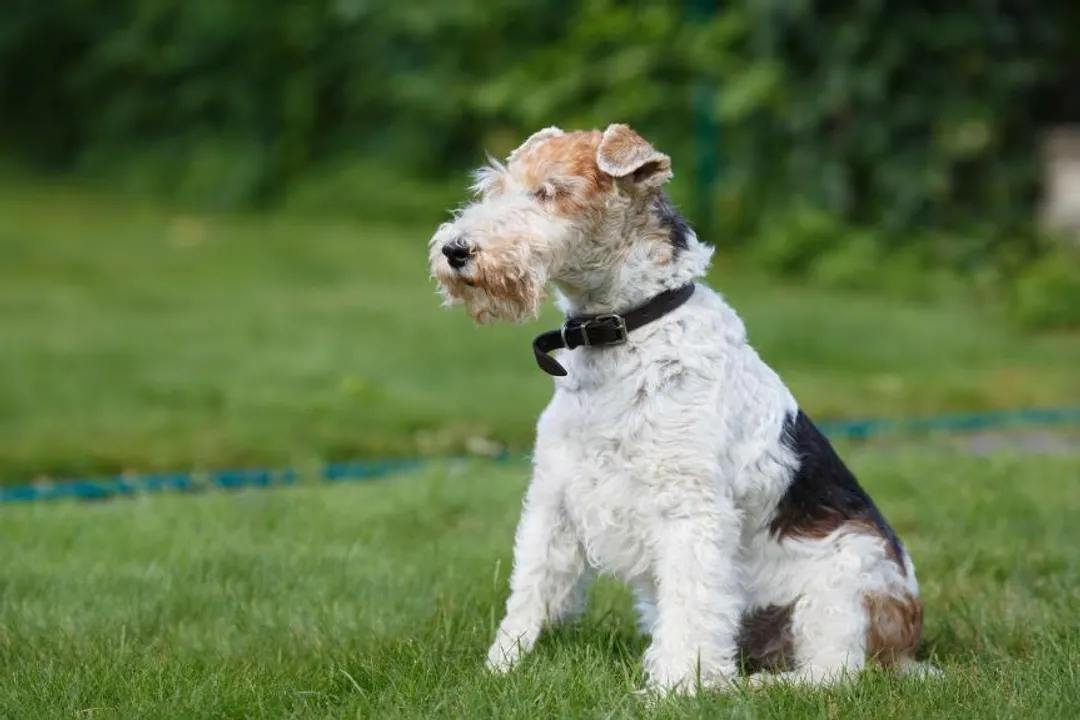
The most immediate and distinguishing physical feature of this breed is its coat. It is a double coat, featuring a hard, wiry outer layer over a soft, dense undercoat. Owners often describe this texture as resembling coconut matting. For show purposes, maintaining this correct texture is paramount, which requires the coat to be hand-stripped—a process where dead hairs are pulled out by hand to preserve the harshness, density, and coloration.
If you keep a Wire as a companion pet, clipping is a common alternative to stripping. It is important to note, however, that while clipping is easier and cheaper, it has a noticeable effect on the coat's integrity: it tends to dull the colors and makes the coat soft and somewhat curly, which many aficionados find undesirable. This textural difference isn't just cosmetic; that harsh, wiry outer coat provides significant weather resistance and protection when working through dense brush or digging into earth, a practical benefit that stripping preserves far better than clipping.
Coloration must adhere to a clear preference: the coat must be predominantly white. Acceptable markings involve tan or black, often appearing as patches on the face and ears, or sometimes as a large black splotch, or "saddle," on the body. However, certain colors are specifically faulted or disqualified, such as brindle, red, liver, or slate blue markings. Regular brushing, perhaps every other day, is necessary to keep the coat free of mats, especially in the furnishing around the legs and face.
# Head Features
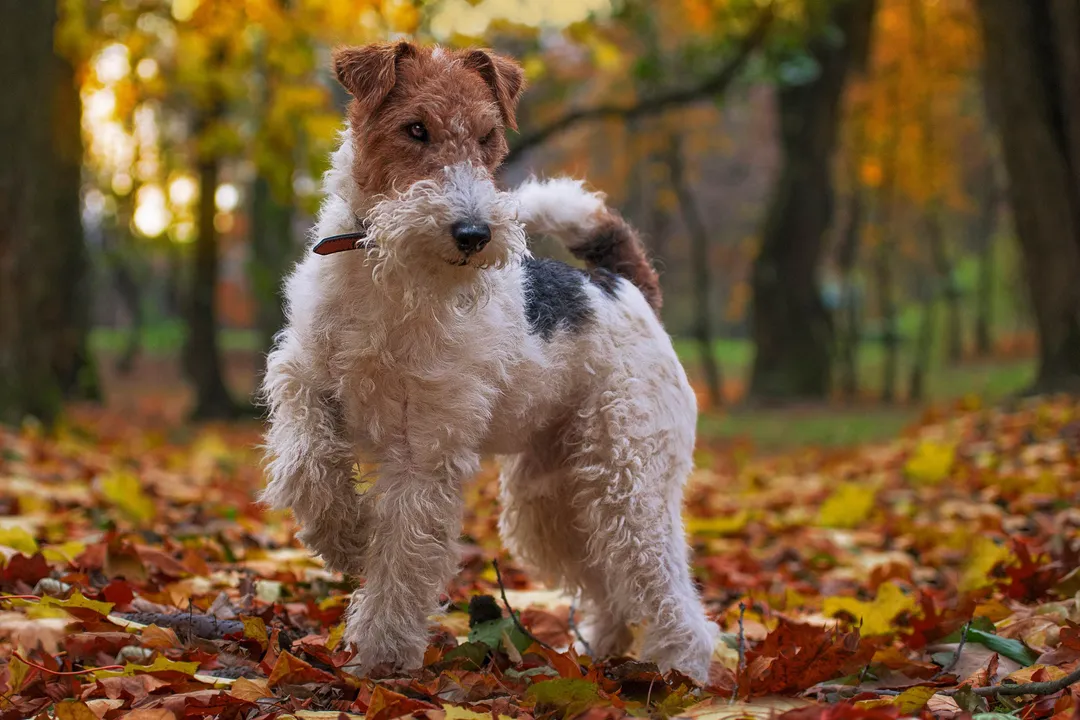
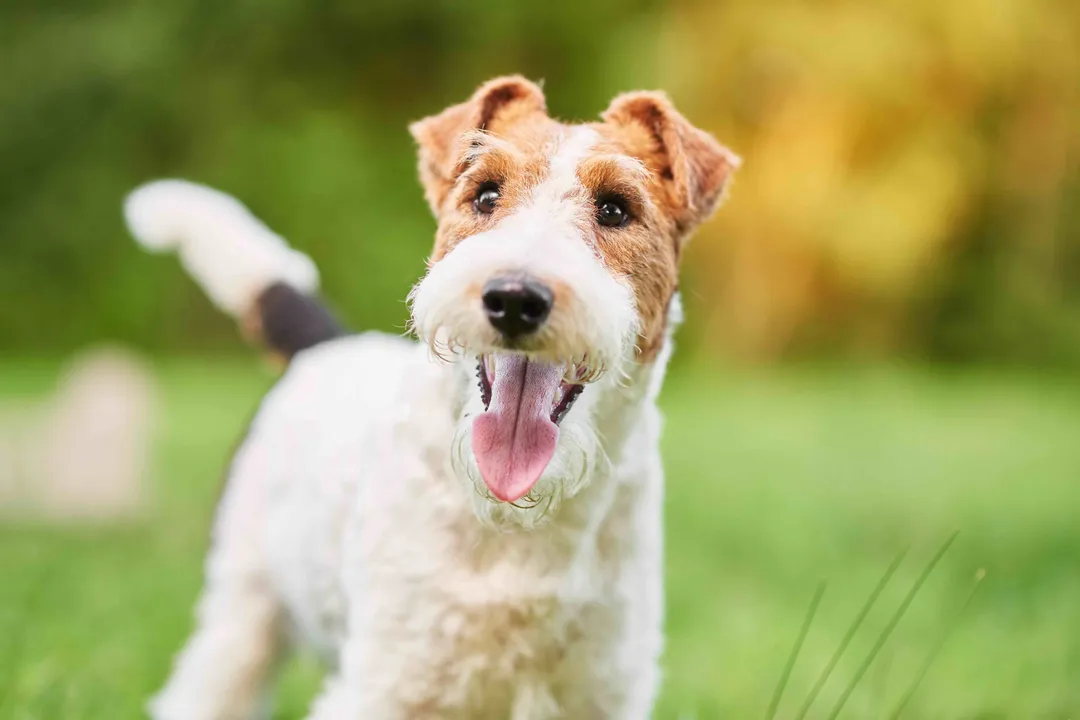
The head of the Wire Fox Terrier is constructed to balance the power of the muzzle with an alert expression. It is described as moderately narrow. When you look at the dog from the side, the skull and the muzzle should appear equal in length, running parallel to each other, connected by what is known as a barely perceptible stop. The muzzle itself needs to be powerful, with tight, dark lips.
The eyes are critical in conveying the breed's temperament; they should be dark, round, and deep-set, projecting a lively, intelligent, and sometimes fiery look. Equally characteristic are the ears. These are small, V-shaped button ears that are set high on the head and drop forward, resting close against the cheek. This ear carriage is essential, as it helps point up the face's distinctive, eager expression that suggests a dog "on the tip-toe of expectation at the slightest provocation".
# Body Frame Gait
A sound structure is vital for a breed whose heritage demands endurance and agility on the hunt. The body is expected to be square, meaning its height and length measurements are almost identical, giving it a balanced look reminiscent of the Fox Hound. The back is short and level, supported by a deep but not overly broad chest. The neck is muscular and blends smoothly into well-laid-back shoulders, which angle at approximately 90 degrees with the upper arm.
The forelegs must be strong, straight, and moderately well-boned, moving without turning in or out at the feet. The hindquarters are built for propulsion, being strong and muscular with well-bent stifles and hocks let down so the rear pasterns are perpendicular to the ground when standing.
When in motion, the Wire Fox Terrier's gait is distinctive. It should be a brisk stride of moderate length. The movement should resemble a clock's pendulum, with the legs swinging forward and backward in planes parallel to the dog's body and perpendicular to the ground. This action gets its primary power from the rear assembly, resulting in a strong, forward drive. A subtle but telling characteristic of this powerful action is the "snatch" of the hock as the rear foot lifts off the ground after pushing forward, all while the back remains level. This entire physical assembly is designed not just for short sprints, but for maintaining pace over a long day in the field. Their sturdy, compact build means they rarely suffer from the long-backed problems seen in some breeds, enabling that consistent, driving gait.
# Head and Symmetry
The overall physical presentation of the Wire Fox Terrier is one of symmetry and compact power, making it a handsome dog even when separated from its hunting roots. That square body, combined with those distinctive, crinkly, wiry furnishings framing an intense expression, creates an unforgettable profile. They are built to be efficient movers, and while they can certainly relax after a good day's work or play, their conformation suggests an inherent inability to be truly still for long periods. This look—the tight body, the alert stance, the V-shaped ears—is the physical manifestation of a dog bred to solve problems independently and enthusiastically.
Related Questions
#Citations
Wire Fox Terrier Dog Breed Information - American Kennel Club
Wire Fox Terrier Dog Breed Health and Care | PetMD
Wire Fox Terrier - Wikipedia
The Wire Fox Terrier Dog Breed - Hill's Pet Nutrition
Wire Fox Terrier - The Westminster Kennel Club
Wire Fox Terrier - All About Dogs - Orvis
Fox Terrier (Wirehaired) - Breed Info – Flora Veterinary Clinic
Breed Standards : Wire Fox Terrier | United Kennel Club (UKC)
Is the Wire fox terrier a first time dog breed or not : r/wirefoxterriers