What can I feed a spider I found?
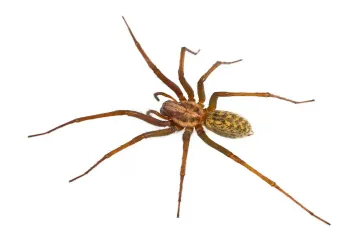
Finding a spider inside your home, especially a small one when you cannot immediately source its natural food, often leads to a common question: what exactly should I offer it to eat? Spiders are built to be specialized predators, and understanding their basic requirements helps determine the best course of action, whether you intend to keep them briefly or release them back outside. [2]
# Carnivore Diet
The natural diet for almost all spiders, including the common house spider, consists of live prey. [2] They are strictly carnivorous, meaning they rely on other arthropods for sustenance. [2] In their wild environment, this typically involves a buffet of insects and smaller arthropods, such as flies, moths, beetles, ants, and various crawling critters. [2] This predatory role is why their presence indoors often signals that another, perhaps less desirable, pest issue exists—spiders are essentially self-appointed pest control agents attracted by an easy meal source.
While the primary diet is protein-based, spiders are not entirely separate from plant matter. Some captive keepers note that in a terrarium setting, plant materials like small leaves or flowers might be incidentally consumed, providing necessary fiber and vitamins for a balanced intake. [2] It is worth noting, however, that most species are generally not attracted to human food items like bread, fruits, or grains. [2] Attempts by well-meaning individuals to feed spiders cooked ground beef or even lasagna sauce resulted in the spider ignoring the offering entirely, reinforcing their need for live insect nutrition. [4]
# Sourcing Insects
When caring for a spider, even temporarily, obtaining appropriate prey is key. For pet spiders, a reliable source is purchasing feeder insects from a pet store or online supplier. [2] Common staples across various spider types include crickets, mealworms, and fruit flies. [2]
If you are dealing with a very small specimen, such as a newly hatched spiderling or a tiny house spider, the size of the prey becomes critical. [4][6] Fruit flies are often suitable for smaller feeders. [2] For larger spiders, like an Argiope orb-weaver, substantial prey like large crickets, small grasshoppers, or moths would be necessary to sustain them. It is important to ensure that any purchased food is properly quarantined before being introduced to your spider's habitat. [2]
When considering the food available immediately around you, try to look for small insects that match the spider's likely size. If you see a house spider that has been surviving inside without visible prey, you might look for small, slow-moving options like earwigs by checking under leaf litter or rocks outside, which can provide a quick boost if the spider looks thin. [4]
# Hunter Versus Web-Builder
The method of feeding should always align with the spider's hunting style. A web-building spider, like the common orb-weaver, relies on its silk structure to immobilize prey. Introducing prey directly to the web, as noted by one keeper, resulted in the spider immediately pouncing, wrapping the cricket, and then lowering it down to consume the liquefied contents. In contrast, active hunters like jumping spiders will actively pursue and capture their food once it is introduced to their space. [2] A critical part of providing food for a captive spider is ensuring the prey is sized correctly so it does not overload or injure the spider itself. [2]
# Dealing With Spiderlings
Caring for baby spiders introduces a unique feeding challenge, particularly when they are numerous and extremely small. [1] Unlike adults, spiderlings may readily accept prey that has already been killed or incapacitated. [6] One established method for feeding a clutch of spiderlings is to offer a cricket that has been squished first, allowing the tiny offspring to scavenge on the contents rather than needing to subdue live food themselves. [6] This adaptation in feeding strategy is a necessary consideration for the very young, who might otherwise starve if they cannot take down even a small live insect. [6]
# The Winter Food Scarcity
The most difficult scenario arises when a spider is found indoors during the harsh winter months when natural insect populations have vanished. [3] While some captive keepers provide regular meals, it is important to remember that spiders possess slow metabolisms and can go weeks, or even months depending on the species and size, without eating. [2] For instance, an established orb-weaver might only need one or two crickets per week, even when kept inside temporarily.
If you find a common house spider during winter and wish it well, the best approach is often to create a temporary, safe holding space with moisture and then release it as soon as the weather allows, placing it in a sheltered area near a structure where it can climb for warmth. [4][6] If keeping it is necessary for a short period, you must mimic the low-prey environment it expects. Since they cannot process typical household foods, providing anything other than insect matter is usually futile. [2][4] The fact that they can survive extended periods without food suggests that a brief rescue over a few cold weeks might not require daily feeding, provided they have water.
A helpful, unofficial way to gauge whether immediate feeding is necessary is by performing a quick "Pest Index" check of your own home. If you notice regular activity from other small nuisance bugs like fungus gnats, tiny flies, or small ants, your house is providing a slow but steady food supply, and the spider may manage on its own. If your house is exceptionally clean, sealed, and treated against all insects, the spider will certainly starve without intervention.
# Delivery And Digestion
Spiders are not equipped to chew or bite off chunks of solid food; they lack the necessary teeth for mastication. [2] Instead, they inject their prey with external digestive enzymes, liquefying the internal tissues. [2] They then ingest the resulting nutrient-rich liquid, often leaving behind the dry exoskeleton or remnants. [2][4] This means that how you present the food matters. For captive care, using tweezers to gently place the appropriate live prey near the spider or into its web is the standard procedure. [2] If the spider is shy, it may hide initially but will typically return to the meal once it feels safe. [2] Any uneaten food scraps must be removed promptly, as decaying matter can rapidly lead to mold or unwelcome bacterial growth within the enclosure. [2]
# Hydration Needs
While food is essential, water is often the more immediate requirement for a captive spider, even more so than a meal. Spiders do not typically drink like mammals; rather, they absorb water through tiny pores across their bodies or gain moisture directly from their prey. [2] Because an indoor enclosure often lacks the natural humidity of the outdoors, providing a constant, safe water source is crucial. A common technique for web-builders is to gently mist one side of the container or the web structure itself with water, preferably distilled, allowing the spider to sip the droplets as needed. [6] For hunting spiders, ensuring a small dish of water is available, or simply providing regular misting, meets this hydration demand. [2]
An important distinction often overlooked when observing spiders indoors is the difference between moisture intake and food intake, especially for web-builders. While an orb-weaver might spend the night consuming a captured fly, its need for morning dew or misting is independent of that caloric intake. If you observe a web-spinner actively rebuilding its web late at night or very early in the morning—a common behavior for some species—that is often the best time to introduce a water droplet, as they are already active and positioned near their silk structure.
# Final Considerations
While the desire to help a fascinating creature you've found is understandable, many people who temporarily house a common house spider ultimately decide that the wild is the best place for it. [4] Trapping a wild spider, even in a ventilated container, can cause it stress and fright. [4] If you can safely release it near your home, especially in a sheltered location where it can find natural prey or climb to avoid the coldest air near the ground, this is often the kindest option. [4][6] Regardless of your choice, recognizing that these tiny residents are naturally filling an ecological niche by preying on other pests provides a worthwhile perspective on sharing your space with them.
#Videos
FEEDING 70 JUMPING SPIDER BABIES! (How I feed all ... - YouTube
Related Questions
#Citations
What should i feed tiny house spiders? - Reddit
What Do Spiders Eat? | Best Spider Food & How-to Feed!
What to feed baby spiders? - BugGuide.Net
FEEDING 70 JUMPING SPIDER BABIES! (How I feed all ... - YouTube
What Do Spiders Eat in My Home? - The Common House Spider's Diet