What can I feed a hobo spider?
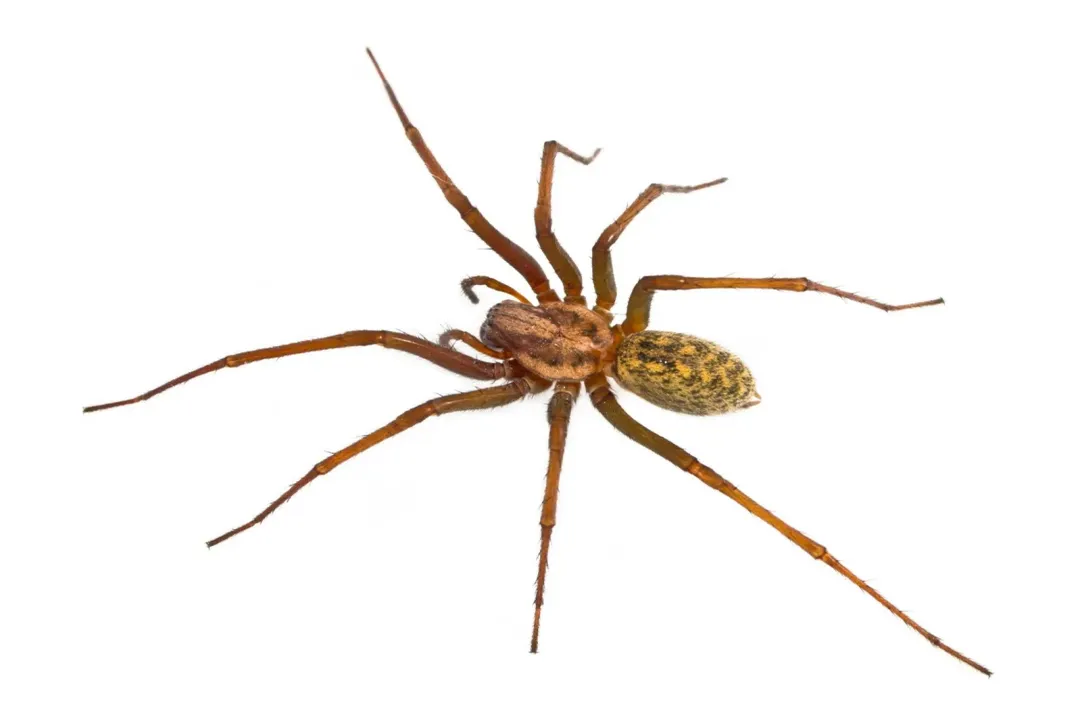
The diet of a hobo spider, scientifically known as Eratigena agrestis, is generally centered around the invertebrates it successfully captures within its specialized web structure. These spiders are accomplished hunters, relying on their environment to provide sustenance rather than actively chasing prey over long distances like some other arachnids.
# Web Structure
Understanding what a hobo spider eats requires looking closely at how it builds its home. Hobo spiders are ground-dwelling spiders recognized for constructing distinctive, sheet-like, funnel-shaped webs. This web construction is key to their survival and feeding strategy.
The sheet of silk spreads out horizontally near the ground, often in debris, under stones, or within clutter in basements. The funnel itself is a narrow retreat where the spider waits, typically oriented toward the ground surface. When an insect—their primary food source—walks across the taut sheet of silk, the vibrations travel rapidly along the threads to the waiting spider inside the funnel.
Once alerted to the vibrations indicating prey, the spider rushes out of its retreat, immobilizes the trapped insect, and drags it back into the safety of the funnel to consume it. This method is efficient for catching ground-dwelling arthropods that stumble into the snare.
# Prey Items
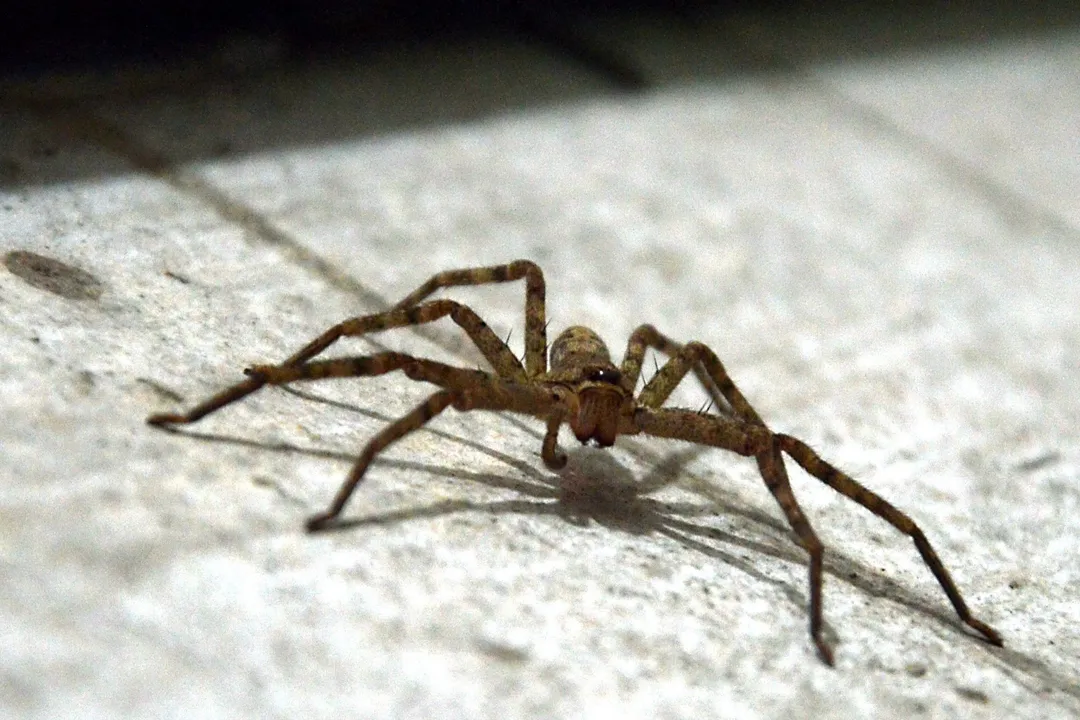
The specific food items for Eratigena agrestis are the small, crawling or flying insects found in or near their preferred habitats. While specific scientific literature detailing the entire spectrum of their natural diet is not detailed in these sources, the context points toward common household or yard pests.
Think about the typical arthropods inhabiting the dark, sheltered, and somewhat damp areas where these webs are constructed: crickets, small beetles, various small flies, and other crawling insects are likely candidates for their meals. A person observing a spider in a sheltered area, like a basement corner, might notice that the spider has managed to capture various bugs that wander into its trapping zone.
Since the spider relies on vibrations, the prey must be something that causes enough disturbance on the silk sheet to warrant an attack. For a spider utilizing this type of web, the food items are generally small relative to the spider itself, ensuring the prey can be quickly subdued and transported back into the funnel.
If someone finds themselves in a situation where they feel compelled to provide food for a spider they have found—perhaps one that seems unsuccessful in catching its own meals—the general advice points toward offering small bugs. However, the relative lack of detailed guidance on captive feeding protocols for hobo spiders, unlike for specialized pets like tarantulas, suggests that actively supplying food is usually unnecessary or perhaps even discouraged, as their survival is intrinsically linked to their ability to hunt their own environment's inhabitants.
It is interesting to note that while people often see hobo spiders as pests to be removed due to concerns about their bite (though the medical significance of that bite is sometimes debated), they are performing a natural ecological service by consuming other small arthropods in their immediate vicinity.
# Contextual Feeding Considerations
For those who encounter these spiders in a domestic setting and wonder about supplemental feeding, considering the spider's natural hunting style yields some practical context. A spider that relies on sensing vibrations across a wide silk sheet is designed for opportunistic hunting, not for receiving pre-killed, stationary offerings placed directly near its body.
When thinking about potential prey size for a captive spider, one must remember the limitations imposed by the web. Any supplemental insect offered should be small enough not to simply become entangled in the periphery without signaling the main hub, or so large that the spider cannot successfully overcome it once it approaches. In nature, if the vibration is significant enough, the spider reacts; this implies that the prey item's size relative to the spider is a critical factor in a successful capture.
Furthermore, the lack of easily accessible, established protocols for feeding hobo spiders in captivity—compared to, say, instructional guides for common reptile or tarantula keepers—offers an implicit commentary on their status. These spiders are generally considered incidental, sometimes unwanted visitors in human structures, not specimens intended for long-term observation or pet keeping. Their presence in areas like woodpiles, debris, and basements signals a desire to remain hidden and hunt naturally within those micro-ecosystems. A spider that is not catching anything likely means its current location lacks sufficient passing insect traffic or that its web needs repair or relocation to a more effective spot, which is why they often build their webs in low-traffic, dark areas to maximize success rates.
# Identification and Habitat Interplay
When discussing what a hobo spider eats, it's inseparable from where it lives, as the habitat dictates the prey availability. Hobo spiders are often confused with brown recluse spiders, which highlights the importance of correct identification, though the dietary habits of both are generally insectivorous.
Hobo spiders are generally found outdoors or in unkempt areas indoors, such as garages, crawlspaces, or basements. They are not typically web-builders in open, bright spaces. This preference for cluttered, sheltered ground cover is essential because it provides the substrate needed for their funnel web construction—a web that must remain close to the ground or other surfaces to effectively intercept ground-dwelling insects.
If one were to compare the feeding strategy of a hobo spider to, for instance, a common house spider that spins an orb web in a corner, the difference is substantial. The orb weaver relies on its large, sticky, three-dimensional net to passively catch flying insects, whereas the hobo relies on a ground-level tripwire system detected through tactile senses. This difference means the hobo spider's diet skews toward terrestrial insects rather than purely aerial ones.
Ultimately, the question of what to feed a hobo spider in a domestic setting often circles back to understanding its natural role. It consumes insects found in its immediate, sheltered environment. For the general reader interested in spiders around the home, recognizing their predatory function is more pertinent than attempting to hand-feed them, as they are naturally equipped to secure their own necessary nourishment from the surrounding ecosystem.
Related Questions
#Citations
Hobo Spiders: What They Eat, Where They Live & More
Hobo Spiders: 8 Facts To Keep In Mind
What can I feed the spider in the corner of my room? He ...
Hobo Spider Facts
How to care for a baby hobo spider in winter in West ...
What to feed captive spiders?
Hobo Spider
Are Hobo Spiders Actually Dangerous?