What do House Finches not eat?
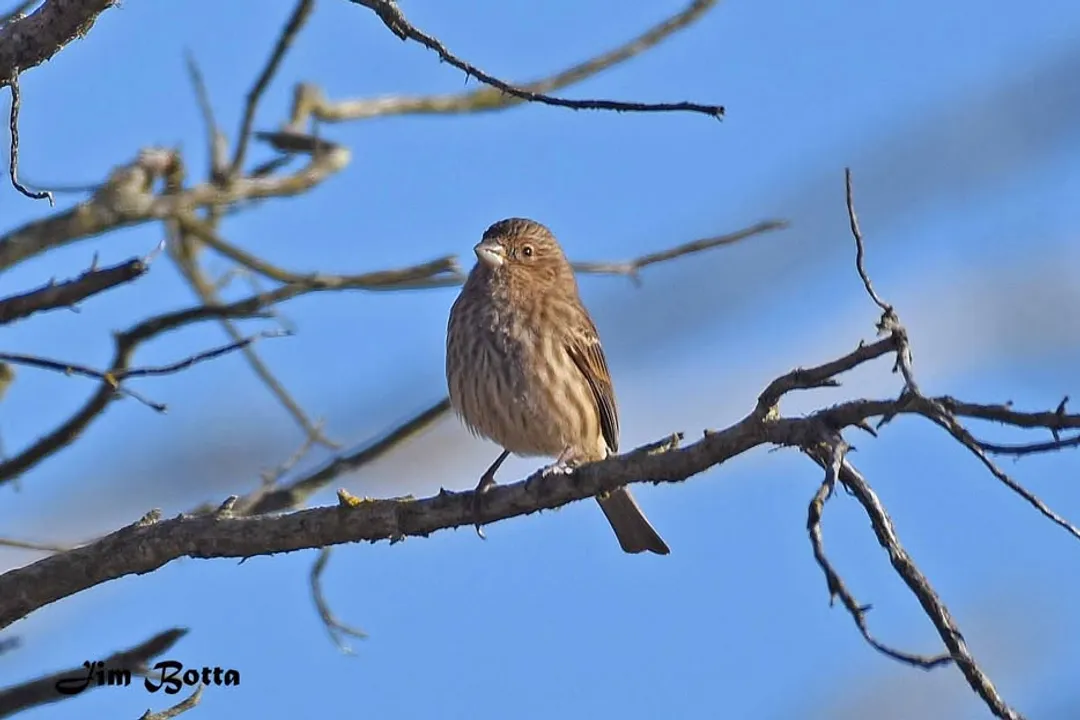
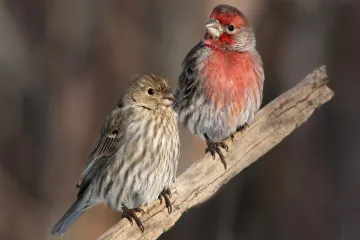
Wild House Finches, often recognized by the male’s rosy head and breast, are familiar visitors to backyard feeders across North America. While most bird feeding guides focus on the seeds they crave—like thistle (Nyjer) and sunflower—understanding what they actively avoid, either by preference or due to danger, is equally important for responsible bird stewardship. It’s not just about what they refuse to eat when something better is available; it’s also about identifying substances that are genuinely harmful to their system.
# Toxic Items
When considering what House Finches will not eat, the most critical category involves items poisonous to them. While a wild bird might naturally ignore something toxic if better options are present, providing these items through feeders or allowing access to yard debris puts them at risk. Several common household items and specific plant parts fall into this dangerous group.
Avocado is a significant hazard; any part of the fruit—the flesh, skin, or pit—is considered toxic to birds. Similarly, the seeds or pits from fruits like apples must be strictly excluded from any bird feeding station or accessible bird bath area. Caffeine and alcohol are also substances finches should never ingest, as they are toxic to avian systems.
It is important to note that while pet finches have controlled diets, wild birds are exposed to more environmental variability, but this does not negate the inherent danger of these toxins. For instance, finches should never be offered chocolate or any food item containing excessive amounts of salt or sugar.
# Processed Foods
Beyond specific toxic fruits or chemicals, processed and cooked foods are items House Finches inherently do not eat in the wild, and offering them in a feeder setting is discouraged. Cooked foods, in general, are unsafe for wild birds because they can contain ingredients that are indigestible or harmful when altered by heat, such as oils, spices, or high levels of sodium. Junk food, by its nature, offers no nutritional value and should be avoided entirely. Onions and garlic are other common kitchen ingredients that should never be fed to birds, as they can cause blood issues and irritation. The underlying principle here is that the House Finch diet is specialized, revolving around seeds, buds, and small fruits found naturally; anything far removed from that profile should be treated as something they should not consume.
# Seed Selectivity
Sometimes, what a House Finch does not eat is a matter of choice rather than toxicity. This is particularly noticeable when different types of seeds are offered at a feeder. The House Finch’s preference for certain seeds over others can lead to entire bags of seed being ignored, which can be frustrating for a bird enthusiast trying to provide a varied diet.
One common discussion point involves Nyjer seed, which is famously attractive to finches like American Goldfinches. However, House Finches may sometimes refuse Nyjer seed if other, more preferred options are available, such as black oil sunflower seed. This suggests that while Nyjer is safe, it isn't always a preferred food item for this species. A House Finch’s natural diet primarily consists of weed seeds and thistle, making sunflower seeds a close, high-energy substitute. If they walk past a feeder full of Nyjer, it often signals a preference for something else currently on offer, not necessarily that the Nyjer itself is bad.
# Sunflower Consideration
Even with a favorite seed like sunflower, preparation matters, leading to potential avoidance or risk. Some discussions in bird feeding communities have flagged concerns regarding hulled sunflower seeds, specifically mentioning potential risks for House Finches. While sunflower seeds are generally a staple, an over-reliance or feeding improperly prepared versions could lead to issues, perhaps related to dust or choking hazards if the kernel is too soft or large. A practical approach for a feeder manager, when faced with a bird ignoring a seed, is to immediately check the freshness and quality of the offering. Moldy or damp seed is universally avoided because it can harbor toxins that cause serious illness. A finch will refuse food that smells or looks spoiled long before it attempts to eat it.
# Feeder Avoidance
Understanding what House Finches reject also involves looking at how the food is presented. While not strictly a food item they reject, the feeding station setup can cause them to avoid eating altogether. House Finches are relatively small and may steer clear of feeders dominated by larger, more aggressive birds like Mourning Doves or Blue Jays, which can monopolize access.
If a feeder is too large, too deep, or requires too much maneuvering for a small bird, a finch might opt not to eat, even if the seed inside is their favorite. For instance, some setups might work well for larger safflower enthusiasts but present physical barriers for the smaller finch. Think of it this way: if a seed mix contains everything, but the finches congregate on the ground beneath the feeder rather than on the platform itself, they are essentially rejecting the delivery system for the food that fell out, choosing ground foraging instead. They are not rejecting the seed content itself, but the mechanism preventing easy access.
When observing a House Finch that isn't eating, one must quickly rule out environmental factors. Is the water source clean? Is the ground beneath the feeder free of rotting debris from older seed? They instinctively avoid environments that signal decay or competition. For example, if a finch has a choice between a tube feeder containing high-quality black oil sunflower seeds and a hopper feeder containing an inexpensive mix full of milo and cracked corn—items House Finches rarely consume—they will almost certainly ignore the hopper feeder entirely, showing a strong aversion to filler ingredients. Milo is a classic example of a seed often present in cheap mixes that finches generally pass over in favor of thistle or sunflower.
# Ingredient Assessment
To further clarify what they skip, we can look at what is not a primary component of their diet compared to what they seek. While they consume buds and small berries, they are not generalized insectivores or fruit eaters in the same way some other backyard birds are. Therefore, a feeder heavily loaded with dried fruit pieces or specialized insect pellets would likely be ignored by a House Finch looking for its next meal. Their preference is weighted heavily towards small, hard, oily seeds.
When stocking a feeder, if you see uneaten seeds accumulating on the tray or the ground, those are the items the local finches are saying "no thanks" to. If you notice a pile of bright red milo seeds remaining untouched while the sunflower pieces are gone, you have a clear indicator of an ingredient to stop buying for your local House Finch population. This observation process allows a backyard manager to fine-tune the offering based on local preference, which is a crucial step beyond just knowing what is toxic. It moves from avoiding death to optimizing nutrition.
# Dietary Limitations Summary
In summation, the House Finch diet is highly specific, making the list of what they don't eat quite extensive when considering both safety and preference.
| Category | Example Items Not Eaten | Primary Reason for Avoidance |
|---|---|---|
| Toxins | Avocado, Chocolate, Alcohol, Apple Seeds | Poisonous/Systemic Danger |
| Processed | Cooked Foods, High Salt/Sugar Items, Junk Food | Indigestible, Unnatural, No Nutrition |
| Aromatics | Onions, Garlic | Irritants/Blood Toxins |
| Low Preference | Nyjer Seed (sometimes), Milo, Cracked Corn | Lower Energy Value/Preference |
| Spoiled | Moldy seeds, Wet/Damaged Fruit | Risk of Mycotoxins/Illness |
If a seed or food item is moldy, regardless of its base composition, it becomes something the finch will not touch due to instinctual avoidance of decay. This natural aversion protects them from serious fungal infections. Therefore, the act of maintaining clean feeders and dry seed is just as important as selecting the right ingredients because an improperly stored favorite seed quickly becomes an item they refuse to eat. When you see a House Finch pass over a perfectly safe seed, it is almost always because its immediate needs are met by a higher-value seed nearby, or the presentation of the rejected seed is flawed.
Related Questions
#Citations
Safe, Toxic, and Unsafe Foods - Finch Info
House Finch issues : r/birding - Reddit
Female House Finch behavior and diet - Facebook
Fun Facts About House Finches - Wild Birds Unlimited
Warning: House Finches and Hulled Sunflower Seed | BirdForum
House Finch | Audubon Field Guide
Why are finches not eating nyjer seeds? - Quora
How to stop House Finches - Garden Web
Feeding Finches | VCA Animal Hospitals