What are the physical features of a shark?
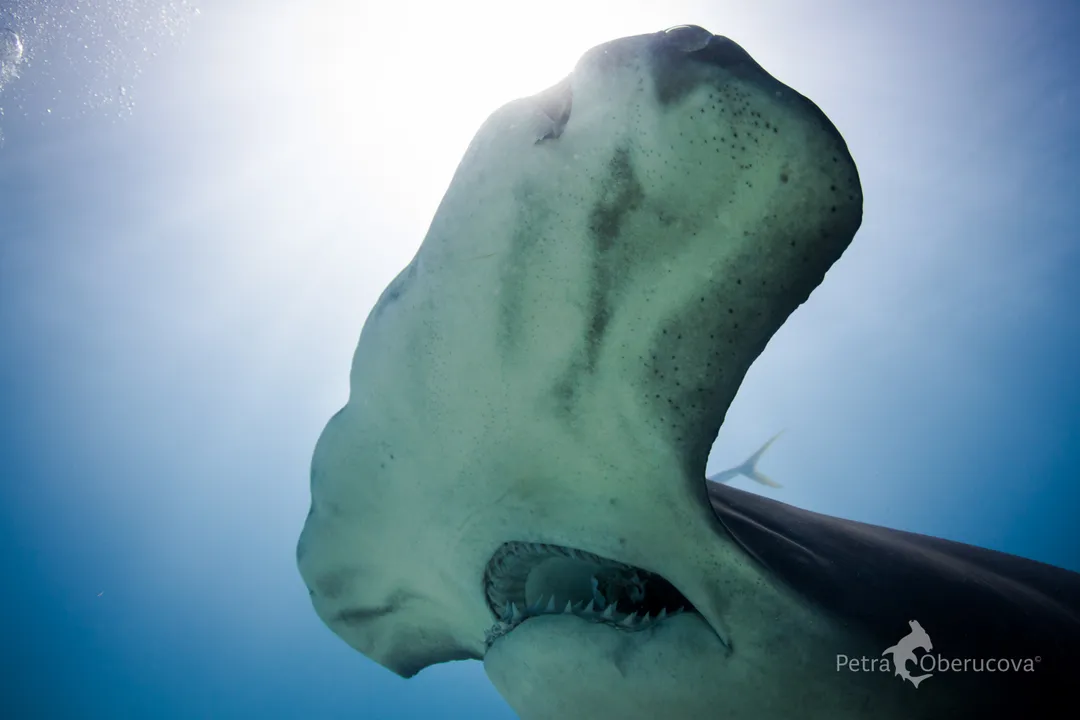
Sharks represent an ancient and highly successful lineage of cartilaginous fish, possessing a suite of physical features honed over hundreds of millions of years of oceanic existence. [4][6] Their entire structure, from the microscopic covering of their skin to the design of their tails, speaks to an evolutionary path optimized for efficient movement and predation in the marine environment. [2][4] While the general profile of a shark is familiar—streamlined and formidable—a closer look at their anatomy reveals specialized adaptations that set them apart from their bony fish relatives. [6][7]
# Body Form
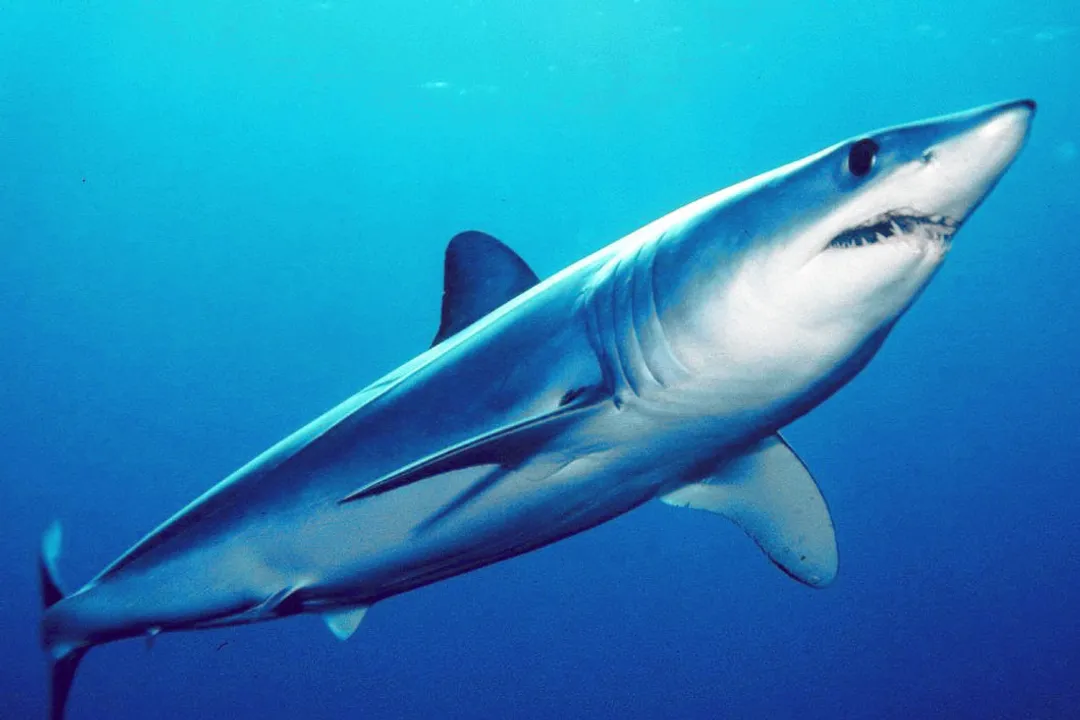
The typical shark profile is fusiform, meaning it is rounded and tapered smoothly at both ends. [3] This torpedo-like shape is an engineering marvel for reducing drag, allowing the shark to move through water requiring minimal energy expenditure. [3] However, this generalized streamlined shape does not apply universally; some species, like angelsharks or wobbegongs, have evolved flatter bodies suited for a bottom-dwelling existence. [3]
A key physical difference from most other fish is the lack of a swim bladder, the air-filled organ that helps bony fish control their buoyancy. [6] To counteract the natural tendency to sink due to their relatively dense musculature, sharks rely on a combination of features. Their skeleton is made of lighter-than-bone cartilage. [2][4][6] Critically, they possess massive livers, which can account for up to 25 percent of their total body weight. [4][6] This organ is packed with low-density oils, acting as the primary hydrostatic mechanism keeping them afloat. [2][4] The vulnerability inherent in this adaptation is clear: the high demand for shark liver oil in certain industries directly targets an organ essential for the animal's ability to remain suspended without constant effort. [4] Beyond this chemical buoyancy, the motion of their fins also generates lift as they swim. [6]
# Skin Surface
Perhaps the most iconic textural feature of a shark is its skin, which is often described as feeling like sandpaper. [2][4] This texture is not due to simple roughness, but to the presence of millions of tiny, tooth-like structures called placoid scales, or dermal denticles. [3][4] These denticles are homologous in structure to teeth, each having a pulp cavity, dentine, and an outer layer of vitrodentine, which is analogous to enamel. [3]
These scales are not merely armor; they are oriented to point toward the tail, creating a structured surface that helps reduce friction as water flows over the body. [2][4] This hydrodynamic efficiency is so remarkable that the design principles behind denticle patterns have even inspired the development of high-performance swimming costumes, leading to their temporary banning in Olympic competition as a form of 'technology doping'. [4] A fascinating parallel exists in growth: unlike typical scales that simply enlarge, sharks shed and replace these denticles with larger ones as they grow, much like they replace their teeth. [3][4] Where denticles are not optimized for speed, they can serve defensive roles; for example, some species possess modified denticles that act as defensive spines. [4]
# Fin Mechanics
Sharks possess five general types of fins, all supported by stiff cartilaginous rods: two dorsal fins along the midline, a pair of pectoral fins near the head, a pair of pelvic fins further back, and the caudal fin (tail). [3][6]
The pectoral fins are crucial for generating lift in the anterior (front) part of the body, counteracting a downward pitch generated by the tail movement. [3][6] They also serve as rudders for steering. [4] The pelvic fins provide stabilization, and in males, they are modified into internal reproductive organs called claspers. [6] The dorsal fins, one or two in number, are primarily anti-roll stabilizers, and in some species like dogfish or horn sharks, these fins are equipped with spines that may bear irritating toxins for defense. [3][6]
The tail, or caudal fin, provides the main thrust for forward propulsion. [6] In most sharks, this fin is heterocercal, meaning the upper lobe is significantly larger than the lower lobe. [3][6] As this asymmetrical tail sweeps, it tends to push the head downwards; the rigid pectoral fins and the overall airfoil shape of the body work in concert to provide the necessary upward force to maintain level flight underwater. [3][6] In contrast, the fastest predators, such as mako sharks, often exhibit a lunate or crescent-shaped caudal fin, where the lobes are nearly equal in size, a morphology highly adapted for maximum thrust output. [4][6]
# Jaws and Teeth
The mouth is typically located on the ventral (underside) of the head, though exceptions exist, such as the whale shark, where it is found at the snout tip. [3] Shark teeth are, structurally speaking, modified dermal denticles that have become embedded in the gums, attaching to a supportive membrane known as the tooth bed. [4][6] This attachment method allows for constant replacement, functioning much like a conveyor belt. [4]
This continuous turnover grants sharks an enormous lifetime supply of biting implements; a sandbar shark might utilize around 35,000 teeth over its lifespan. [2] The specific shape of these teeth is a direct reflection of diet. For instance, flat, crushing teeth are suitable for shellfish, while sharp, serrated teeth are built for shearing larger prey like seals. [4] Interestingly, the upper and lower teeth in a single shark can differ in design; the Blue Shark's upper teeth are triangular and serrated, while its lower teeth are more slender. [6] It is worth noting that a shark’s diet often shifts as it matures, and its teeth may change shape to accommodate this dietary evolution from pup to adult. [4] If the hydrodynamic efficiency inspired swimsuits, it suggests the scale angle and spacing on the skin are precisely tuned for generating laminar flow, an incredible feat of micro-engineering that contrasts sharply with the potential drag introduced by the complex structure of their teeth when not in use. [3][4]

# Sensory Apparatus
Sharks navigate and hunt using a remarkably diverse array of senses, often exceeding human capabilities, which helps them function effectively in the often dark or murky depths. [4]
# Electrosense
A truly unique feature among jawed vertebrates is the ampullae of Lorenzini. [4] These are networks of small pores and gel-filled canals located around the snout, eyes, and mouth, visible as small black spots. [2][4] These organs are highly sensitive electroreceptors, capable of detecting the faint electromagnetic fields generated by the muscle contractions of other living creatures. [2][4] This sense is invaluable for locating prey, such as stingrays, that may be completely buried in the sand, as the shark only needs to detect the target's weak electrical signature to pinpoint its location. [4] Recent findings also suggest these organs assist in detecting subtle temperature gradients in the water. [4]
# Mechanical Detection
Like all fish, sharks possess a lateral line system. This system consists of tiny pores opening into canals just beneath the skin, running from head to tail. [4][6] These canals house sensory cells called neuromasts that are triggered by pressure waves, vibrations, or water movement caused by nearby objects or potential prey. This allows the shark to perceive its surroundings acoustically and mechanically, even in complete darkness. [4]
# Vision and Olfaction
Most sharks have good eyesight, particularly adept at seeing in low light conditions, and may even perceive color. [2] This superior nocturnal vision is enabled by the tapetum lucidum, a reflective layer of tissue behind the retina that bounces light back across the photoreceptors, effectively doubling the light signal received. [2][4] Eye size varies, with deep-water species generally possessing larger eyes. [3] Smell, or chemoreception, is also extremely keen, enabling some species, like the tiger shark, to follow an odor corridor from dead fish or birds across great distances to their source.
# Respiration and Internal Systems
All sharks possess between five and seven pairs of lateral gill slits through which water exits the body after gas exchange has occurred. [3][6] For many species, survival mandates continuous swimming; this forward motion forces water into the mouth and over the gills in a process termed ram-ventilation. [4][6]
However, bottom-dwelling sharks, such as nurse sharks or angelsharks, have evolved an alternative mechanism. [6] They possess spiracles—openings located just behind the eyes that are vestigial first gill slits—allowing them to actively pump water over the gills while resting on the seafloor or when their mouths are occupied with prey. [2][4][6] The spiracle also provides a dedicated oxygen supply route directly to the eyes and brain. [2][4]
Internally, the digestive tract is uniquely structured to maximize nutrient absorption. Instead of a simple tube, sharks feature a spiral valve intestine, which is internally coiled to drastically increase the surface area accessible for nutrient uptake. [4] Furthermore, the rectal gland serves as an efficient salt gland, actively removing excess sodium chloride from the bloodstream and excreting it as a solution often twice as concentrated as the blood plasma itself, allowing them to manage osmotic balance in saltwater environments. [4]

# Musculature and Temperature
Sharks utilize two primary types of muscle tissue to power their movements. [4] White muscle relies on glycogen breakdown for short, powerful sprints necessary for capturing fast prey or escaping immediate danger. In contrast, red muscle breaks down fat and is supported by a rich blood supply, allowing the shark to swim steadily and conserve energy over long durations. [4] Propulsion is achieved through a sequence of muscle contractions creating body undulations, which is then followed by stiffening the body to cruise efficiently. [4]
Most fish are ectothermic, meaning their body temperature mirrors the surrounding water. However, a notable physical exception exists within the mackerel shark family, which includes the White Shark and the Mako. [4] These species possess the ability to warm their blood above ambient temperatures through a specialized countercurrent heat exchange system in their muscles called the rete mirabile. [4] By retaining metabolic heat, these sharks maintain higher internal temperatures, making them significantly more efficient and effective predators in colder waters than their truly cold-blooded counterparts. [4] A White Shark, for instance, can maintain its stomach temperature substantially warmer than the surrounding water, keeping its digestion optimized even when cruising in cool seas.
# Size and Markings
The sheer variability in size among the roughly 400 known shark species is staggering. [3] The whale shark holds the record as the largest living fish, sometimes exceeding 18 meters in length and weighing up to 40 tons. [2][3] Conversely, some of the smallest, like the spined pygmy shark, mature at lengths of barely 15 to 18 centimeters. [3] Furthermore, sexual dimorphism is common, with females of most species growing roughly 25 percent larger than the males. [3]
Coloration generally serves as camouflage through countershading—a dark dorsal side blending with the dark depths when viewed from above, and a light ventral side blending with the sunlit surface when viewed from below. [3] While many sharks are drab grays or olives, the Blue Shark is famous for its brilliant blue upper coloring. [2] Markings often change with maturity; young tiger sharks or zebra sharks display distinct stripes or bands that often fade into spots or uniform color as they age, though some species, like the whale shark, retain their unique patterns for life. [3] Interestingly, the spot pattern on a whale shark is unique to each individual, functioning much like a human fingerprint for identification purposes. [2]
# Final State
Finally, a remarkable feature that speaks to their nervous system response is their capacity for tonic immobility. [2] If gently inverted—flipped upside down—many shark species enter a temporary, trance-like state of inactivity. [2][4] While this is often observed when scientists are working with them, it demonstrates a profound physiological reflex unique to these ancient predators. [4]
Related Questions
#Citations
Sharks & Rays - Physical Characteristics | United Parks & Resorts
Shark Anatomy
12 Shark Facts That May Surprise You | NOAA Fisheries
The physical appearance of sharks - Britannica
Shark anatomy
What Makes a Shark a Shark? - Field Museum
Shark Biology – Discover Fishes - Florida Museum of Natural History