What are the physical features of a snake?
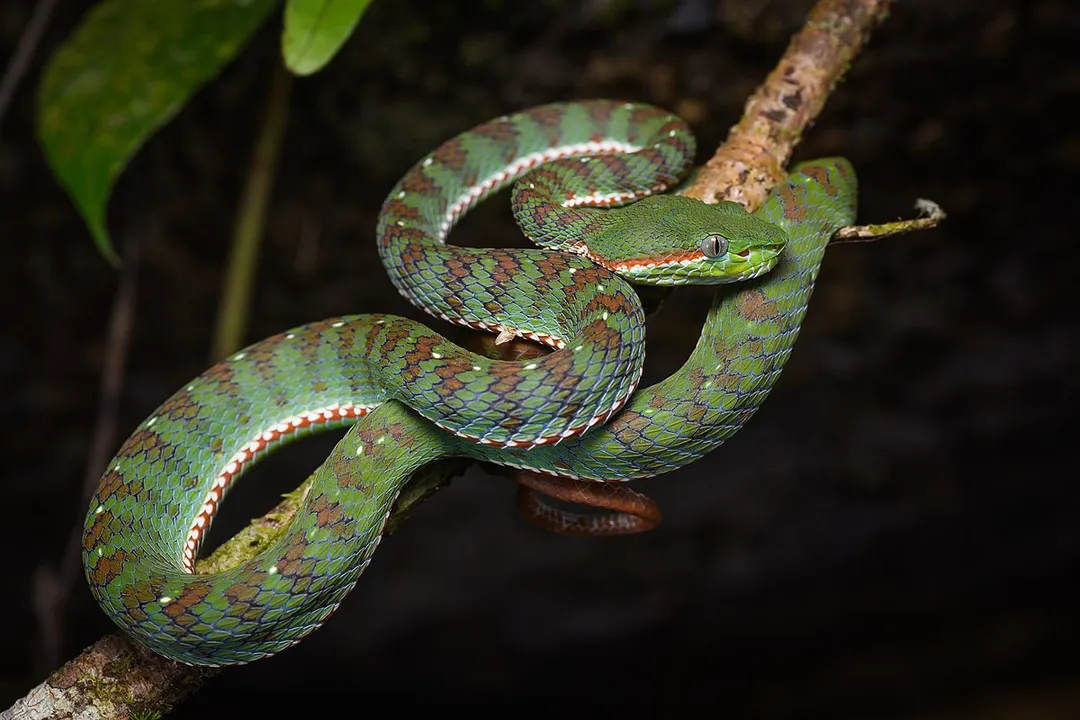
The serpentine form, instantly recognizable yet deeply mysterious to many, represents an astonishing success story in reptilian evolution. To truly appreciate what a snake is, one must look past the simplified image of a "legless worm"—a description often used but biologically inadequate—and examine the suite of highly specialized physical features that allow these creatures to thrive in environments from deserts to oceans. Snakes are reptiles, meaning they are ectothermic, relying on external sources like the sun to regulate their body temperature, a fact that strongly influences their daily activity patterns. A universal hallmark, distinguishing them from limbless lizards, is the complete lack of eyelids and external ear openings.
# Body Structure
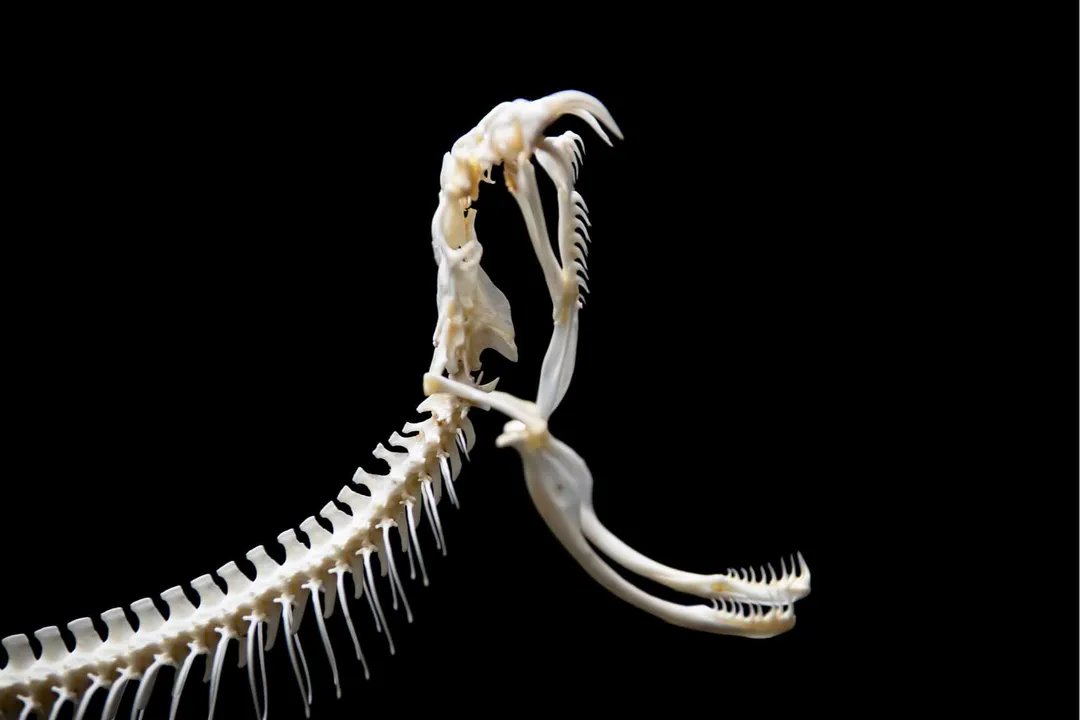
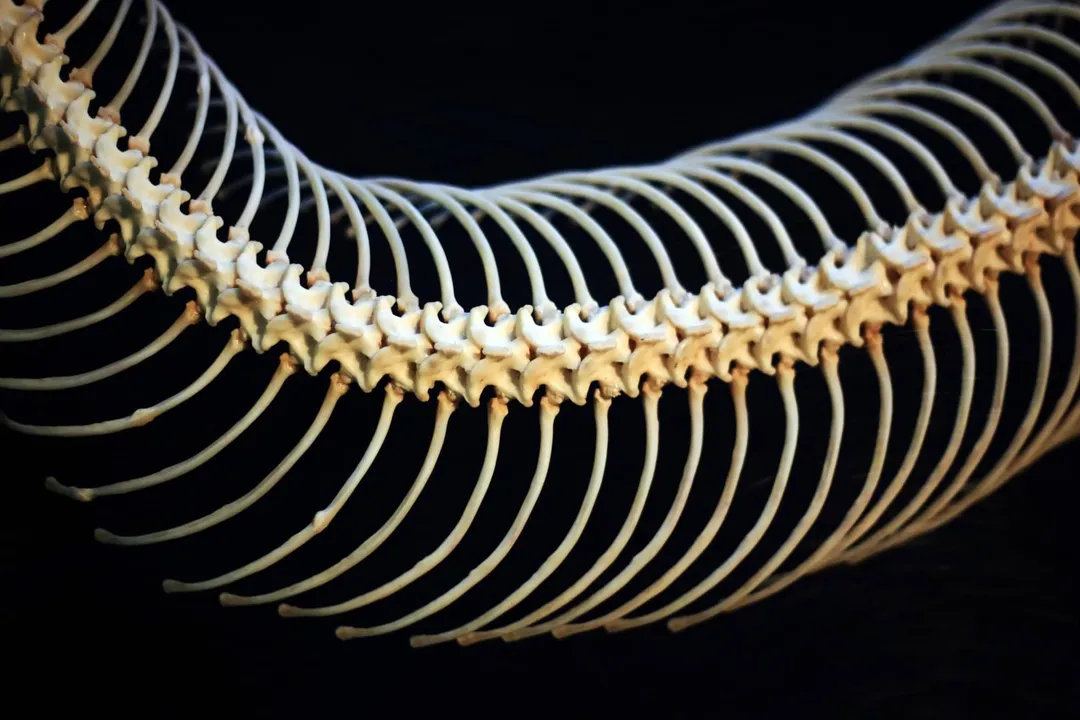
The most immediate physical trait is the elongated, limbless body. While the absence of limbs is the defining characteristic, the underlying anatomy is what truly enables this streamlined existence. Snakes possess a vertebral column unlike almost any other tetrapod, composed of between 200 and 450 vertebrae, or sometimes even more, compared to the roughly 33 found in a human spine. Each of these body vertebrae supports a pair of ribs, meaning a snake can have up to 400 ribs. These ribs, which are absent only on the few neck, lumbar, and pelvic vertebrae, provide the necessary structural rigidity to prevent the long body from becoming completely flaccid, anchoring the muscles used for propulsion against the ground. While front limbs are entirely absent, some basal groups, like pythons and boas, retain vestiges of the hindlimbs in the form of pelvic spurs—small, claw-like protrusions near the cloaca. Internally, the tubular body shape necessitates a staggered arrangement for paired organs; for instance, kidneys and reproductive organs are positioned one ahead of the other rather than side-by-side, and most species possess only one functional lung. The skeletal structure, dominated by this extended ribcage, permits the extreme flexibility required for their movements and feeding habits.
This massive skeletal scaffolding supports a remarkably adaptable body, but the low-energy requirement of their ectothermic nature allows them to subsist on fewer meals than endotherms, a trade-off where structural complexity supports metabolic efficiency. The sheer number of anchoring points provided by the ribs, which act as the skeletal structure for every movement mode, is critical for generating forward thrust without the bracing provided by a fixed limb base.
# The Outer Covering
The external layer of a snake is defined by its scales, which are not merely superficial additions but rather extensions of the epidermis, made primarily of keratin—the same material found in human hair and nails. Contrary to common misconceptions, snake skin feels dry and smooth, not slimy. These scales serve several vital protective and functional roles: they help trap moisture in dry climates, shield the internal organs from injury, and crucially, reduce friction during movement.
The characteristics of the scales vary considerably: body scales can be smooth, ridged (keeled), or granular, while the ventral scales, known as scutes, are often broader and specialized to grip the substrate. Scale shape, number, and arrangement, particularly on the head, are key features used by herpetologists for classification.
A fundamental aspect of snake skin is its periodic replacement through a process called ecdysis, or molting. This shedding allows the snake to accommodate growth and simultaneously slough off external parasites. Before a shed, the snake’s coloration often dulls, and its eyes take on a milky blue hue because the fluid layer forming between the old and new skin obstructs vision. The entire outer layer is usually cast off in a single piece, turning inside out like a sock or a dust jacket pulled off a book, revealing a brighter, larger layer underneath. This process is sometimes synchronized with mating cycles, as the fresh skin can enhance the appeal to potential mates by releasing pheromones.

# Head Anatomy
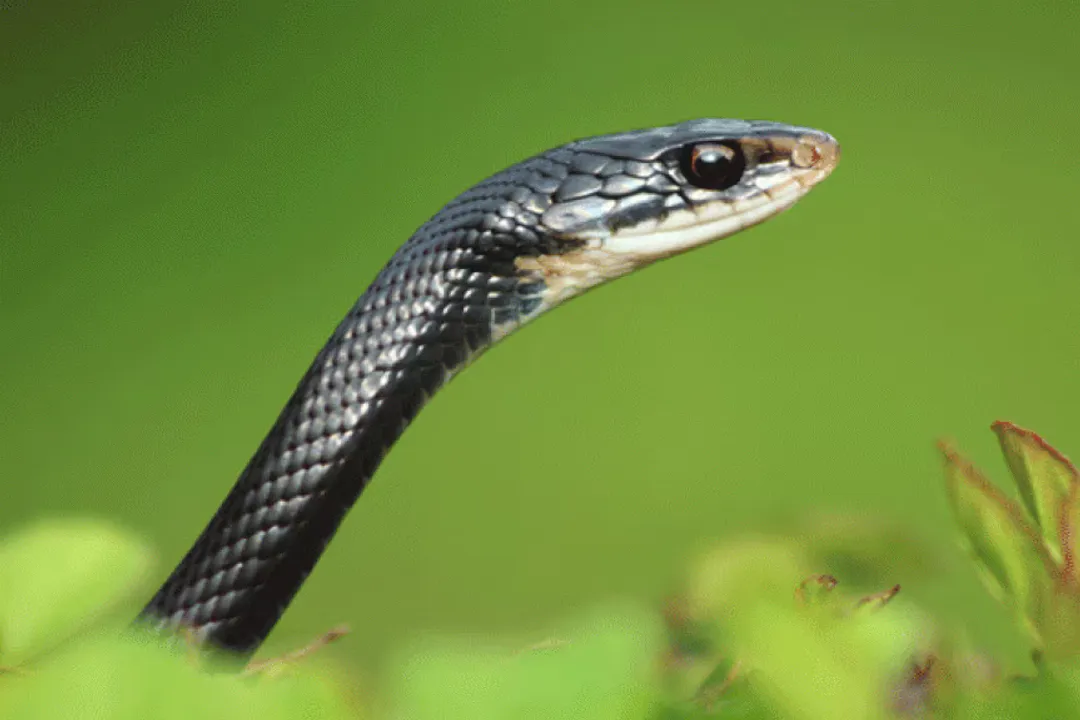
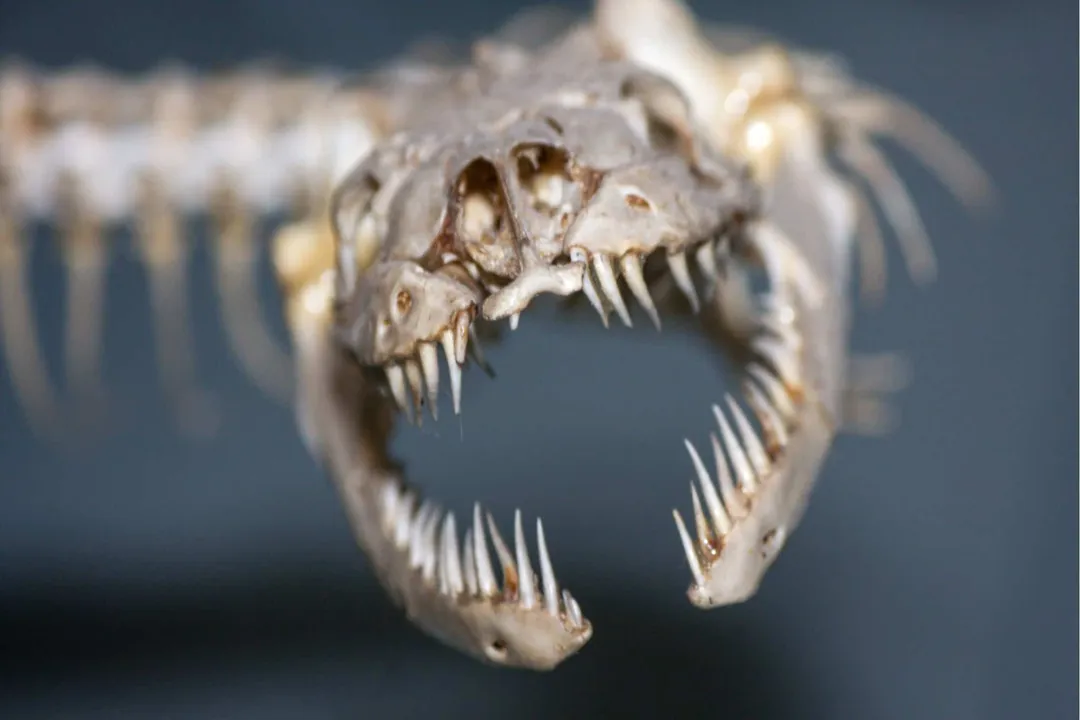
The head is a center of evolutionary marvel, showcasing adaptations for prey capture and sensory processing. A key feature is cranial kinesis—the flexibility of the skull. Unlike many reptiles, the bones of the upper jaw are not rigidly fused at the snout. Instead, the jaws are connected by elastic ligaments and specialized joints, such as the quadrate bone, allowing the mouth to open to astonishing degrees, sometimes up to 160°. This flexibility enables them to swallow prey items considerably wider than their own head.
Snakes do not chew; their sharp, specialized teeth are curved backward to grip and hold the prey while the jaws move forward alternately to draw the meal down the throat.
# Specialized Dentition and Delivery
While many snakes subdue prey through constriction or by swallowing it alive, venomous species possess modified saliva delivered through specialized teeth called fangs. Fangs in advanced venomous snakes, like vipers and elapids, are hollow tubes that inject venom effectively, while rear-fanged species have a groove along the tooth to channel the venom. Venom acts as a predigestion agent, initiating the breakdown of tissues upon injection. It is important to note that while around 600 species are venomous, only a small fraction possess venom potent enough to cause severe harm or death to humans.
# Sensory World
Since snakes lack external ears and eyelids, their remaining sensory apparatus is exceptionally tuned to the environment.
# Olfaction and Taste
A snake's primary method for investigating its surroundings is through its highly developed sense of smell/taste. They use their forked tongue to sample airborne particles, which are then retracted and rubbed against the Jacobson’s Organ (or vomeronasal organ) located on the roof of the mouth for chemical analysis. The forked nature is essential, as it provides directional input; the side smelling the strongest chemical signature guides the snake left or right toward the source, functioning much like a directional sensor.
A fascinating observation in the field is how this sense integrates with movement style. When a snake is engaging in rectilinear locomotion—moving by lifting and pulling its belly scales forward in a straight line—its focus is often on stealth while stalking prey across open ground. In this state, the tongue-flicking rate might appear less frantic or more methodical compared to when the snake is actively turning or exploring an area where it has just detected a novel scent, as the rectilinear mode demands minimal lateral body disturbance for camouflage.
# Vision and Hearing
Visual acuity varies widely across the approximately 3,000 species. Some snakes possess keen eyesight, while others can only differentiate between light and darkness. However, most are adept at tracking movement, and arboreal species often have sharper vision overall. Diurnal snakes typically feature round pupils, contrasting with the slit pupils common in nocturnal species. Instead of movable eyelids, the eye is covered by a fixed, transparent scale called a spectacle, which remains closed but allows the snake to perceive motion even while resting.
Hearing, in the conventional sense, is absent due to the lack of external ear openings. Nevertheless, snakes are highly sensitive to vibrations through two systems: receptors in the ventral skin and the transmission of ground vibrations through the bones in their lower jaw and elongated lung to the brain. This vibrational sensitivity allows them to detect the scurrying of small prey even when that prey is out of sight.
# Thermal Detection
An advanced sensory adaptation found in several families, including pit vipers, boas, and pythons, is the presence of heat-sensing pits. These pits are located on the face, typically between the eye and the nostril, and they function as infrared receptors. They allow the snake to perceive the heat signature emitted by warm-blooded prey, granting the ability to accurately locate a target even in absolute darkness. Pit vipers often have two distinct cavities within this pit structure, allowing for stereoscopic heat detection to judge distance effectively. Other snakes, such as those in the Boidae family, possess multiple smaller labial pits along the upper lip, serving a similar function.

# Diversity in Form and Motion
The physical characteristics of a snake are deeply intertwined with the ecological niche it occupies, leading to immense diversity in size and body shape.
# Size and Shape Spectrum
Snake sizes span a tremendous range, from the tiny Barbados threadsnake at just over 10 cm (4 inches) in length to giants like the Reticulated Python approaching 7 meters (23 feet) or more. Generally, body shape correlates with hunting style: shorter, stout snakes are often ambush predators that wait camouflaged, while long, sleek forms may be active foragers.
Habitat dictates further physical specialization. Aquatic snakes, such as sea snakes, possess streamlined bodies and flattened tails to aid in swimming, often with nostrils positioned dorsally to allow breathing while mostly submerged. In contrast, burrowing species frequently exhibit reduced eyes and more robust bodies suited for moving through soil.
# Modes of Movement
Lacking limbs, snakes have evolved discrete methods of locomotion, each adapted for different substrates.
- Lateral Undulation: This is the most common method on land and the sole method in water. On land, the body alternately flexes left and right, pushing against ground irregularities (like rocks or twigs) to generate forward thrust. When swimming, this motion is adapted to push against the water.
- Sidewinding: Employed on surfaces lacking purchase, such as smooth sand or slick mud, this involves only static portions of the body contacting the ground while others are lifted and thrown forward at an angle. This method minimizes slipping and is energetically efficient. The resulting trail appears like a series of hook imprints, with the body oriented nearly perpendicular to the direction of travel.
- Concertina Movement: Used in confined spaces like tunnels where external push-points are unavailable, the snake braces its posterior section against a wall, extends its front, then anchors the front section and pulls the back forward. This process is slow and metabolically demanding.
- Rectilinear Movement: The slowest method, where the body does not bend laterally; instead, waves of lifting and pulling pass backward along the belly scales, allowing the snake to glide forward subtly. This is often favored by large constrictors when stalking because the movement is less detectable by prey.
The adaptations—from the jaw structure allowing massive meals, to the sensory organs providing a map of heat and scent, to the highly articulated spine dictating movement—all work in concert. These physical features showcase an evolutionary path that prized efficiency, stealth, and the ability to exploit niches inaccessible to limbed vertebrates. Considering the sheer number of species—over 4,170 recognized forms—it is clear that there is no single "basic snake," but rather a family of reptiles defined by functional specialization.
Related Questions
#Citations
Physical features of snakes | Britannica
Snake Physical Characteristics: What Makes These Reptiles Unique?
What do Snakes Look Like? - PetMD
Snake - Wikipedia
Snakes Facts and Information | United Parks & Resorts - Seaworld.org
Snake Anatomy — Their Faces, Skeleton, Body, and More!
Snakes, facts and information | National Geographic
DNR: Fish & Wildlife: Snakes - IN.gov