Are equatorial spitting cobras aggressive?
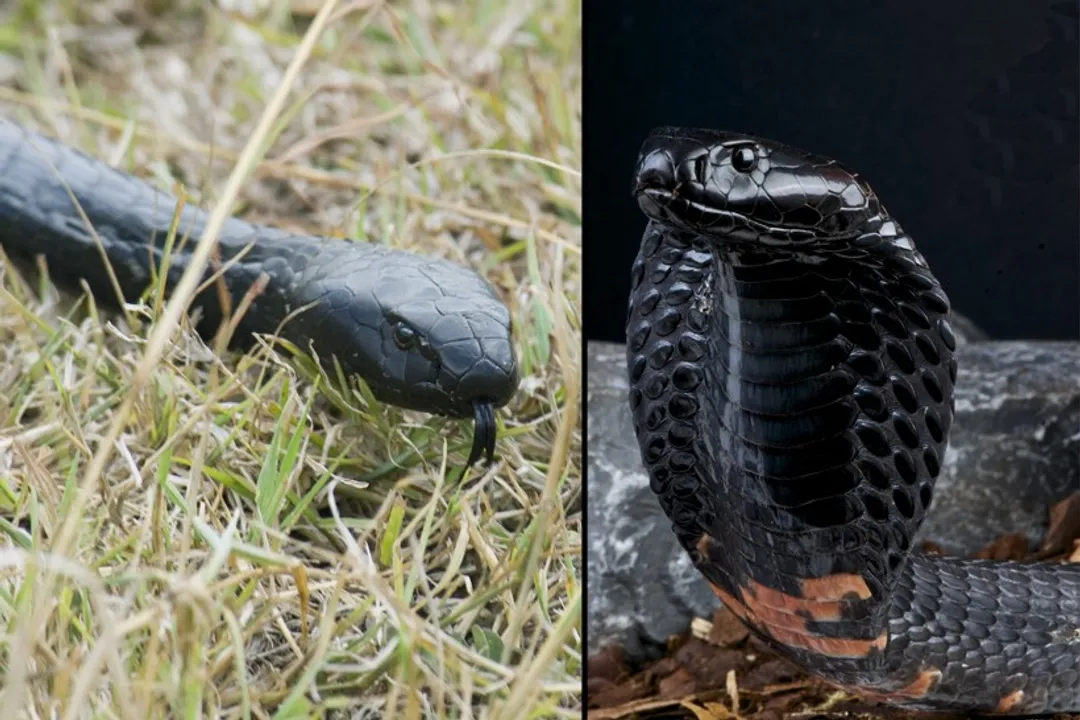
This is the start of the article with introduction paragraph and is not a heading. It should immediately begin the text. The question of whether the Equatorial Spitting Cobra is inherently aggressive is one that sparks necessary discussion, especially given its reputation as one of the most venomous snakes in its native Southeast Asian habitats. Understanding this creature involves looking past the immediate fear that the word "cobra" inspires and recognizing its primary motivations when interacting with humans. Generally, this snake prefers to avoid confrontation with people. They are often described as generally timid and would rather not encounter humans at all.
This creature, scientifically known as Naja sumatrana, goes by several common names, including the Black Spitting Cobra, Malayan Spitting Cobra, or Sumatran Cobra, depending on the region. Found across nations like Singapore, Malaysia, Indonesia, Thailand, and the Philippines, these snakes navigate a landscape increasingly shared with human populations, moving from dense jungle thickets to urban environments like gardens and parks.
# Temperament assessment
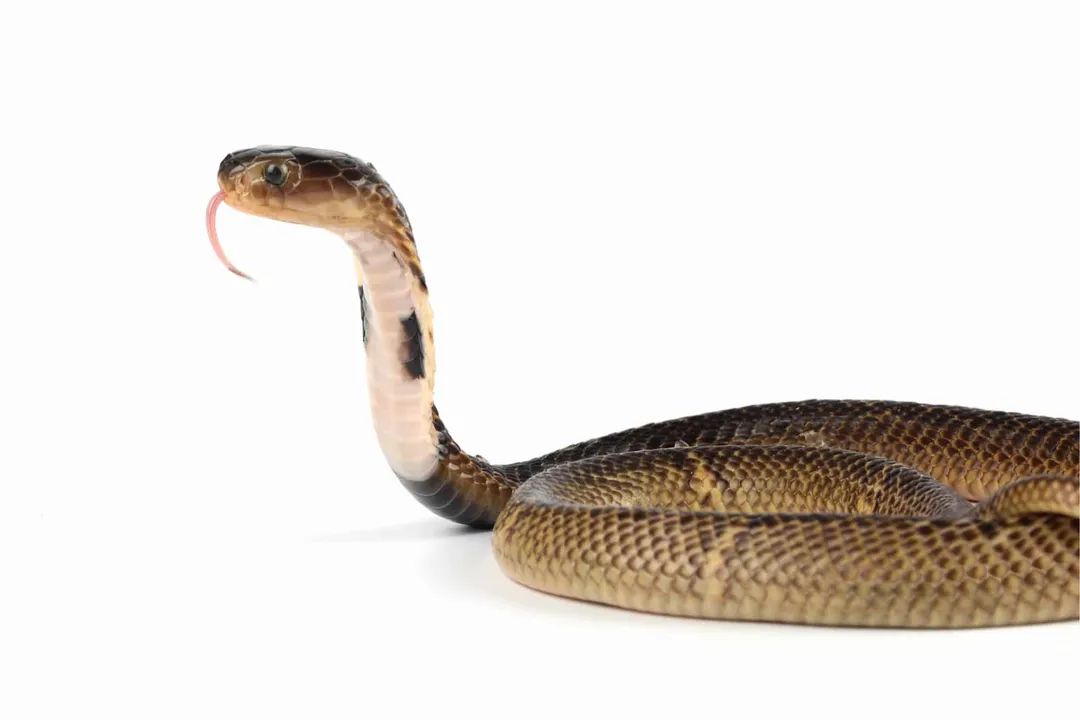
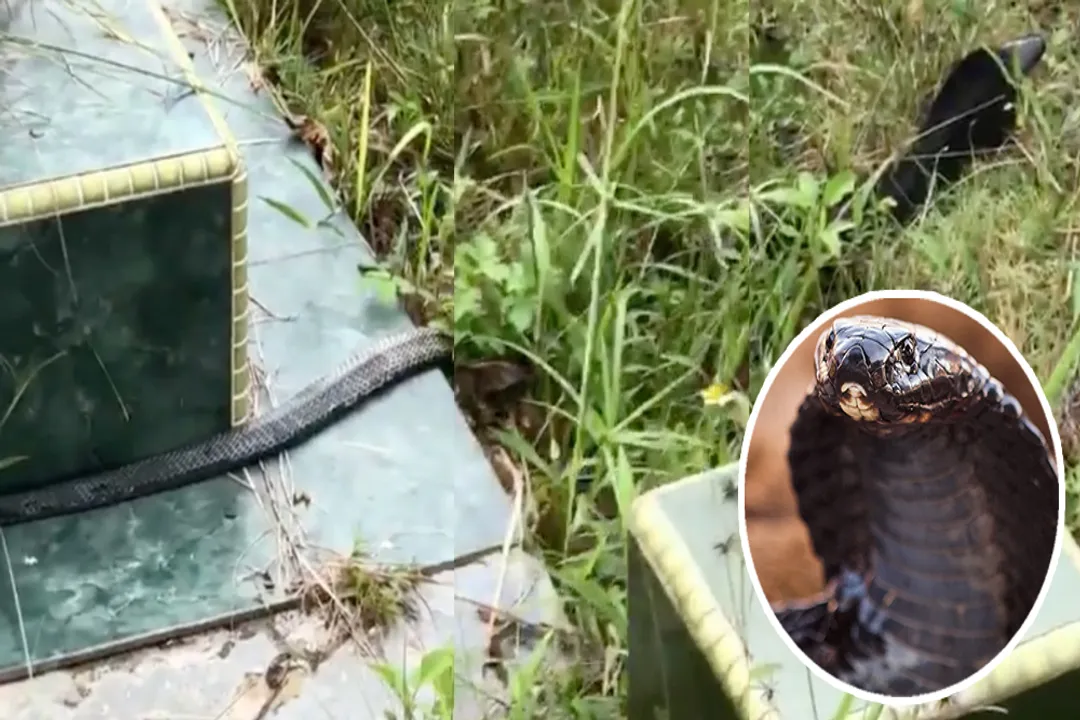
The consensus across multiple observations suggests a baseline of non-aggression for the Equatorial Spitting Cobra. For instance, a documented encounter at a columbarium in Choa Chu Kang, Singapore, involved a grave builder asking the snake to move so work could continue; the cobra reportedly stood erect with its hood raised in defense, then slithered away as requested. This interaction exemplifies the snake’s typical response: a display of defense when threatened, rather than an unprovoked attack.
The crucial trigger for defensive action, which often escalates to spitting or biting, is feeling cornered or threatened. When provoked or made to feel that escape is impossible, the snake will escalate its warning signs. This escalation includes exhibiting defensive behavior such as:
- Hissing loudly.
- Raising the upper part of its body to stand erect.
- Spreading its neck ribs to form an intimidating hood.
If these initial warnings are ignored, the snake is prepared to utilize its specialized venom projection mechanism.
# Defense mechanism
The species earns its common name, spitting cobra, from its remarkable ability to propel venom from its fangs. This is not truly "spitting" but rather a forceful projection enabled by specialized muscles contracting the venom gland and forcing the contents out through holes in the fangs. The venom is a cocktail that often includes neurotoxins and cardiotoxins or cytotoxins.
The target of this venomous spray is usually the eyes of the perceived threat. The venom can cause pain, confusion, temporary blindness, and even permanent vision damage, a condition known as venom ophthalmia. This defensive spray is a survival tactic, designed to incapacitate an aggressor long enough for the snake to make an escape. Some sources indicate the venom spray can travel quite a distance, with projections reaching as far as one meter or even several feet away, potentially up to $2.5$ meters. It is theorized that this spitting ability developed as a primary defense against being trampled by larger animals like antelopes.
It is important to note the distinction between spitting and biting. When hunting prey, the Equatorial Spitting Cobra ambushes and kills by biting and hanging on, not by spitting. Spitting is reserved for self-defense against predators or perceived threats.
# Habitat and Coexistence
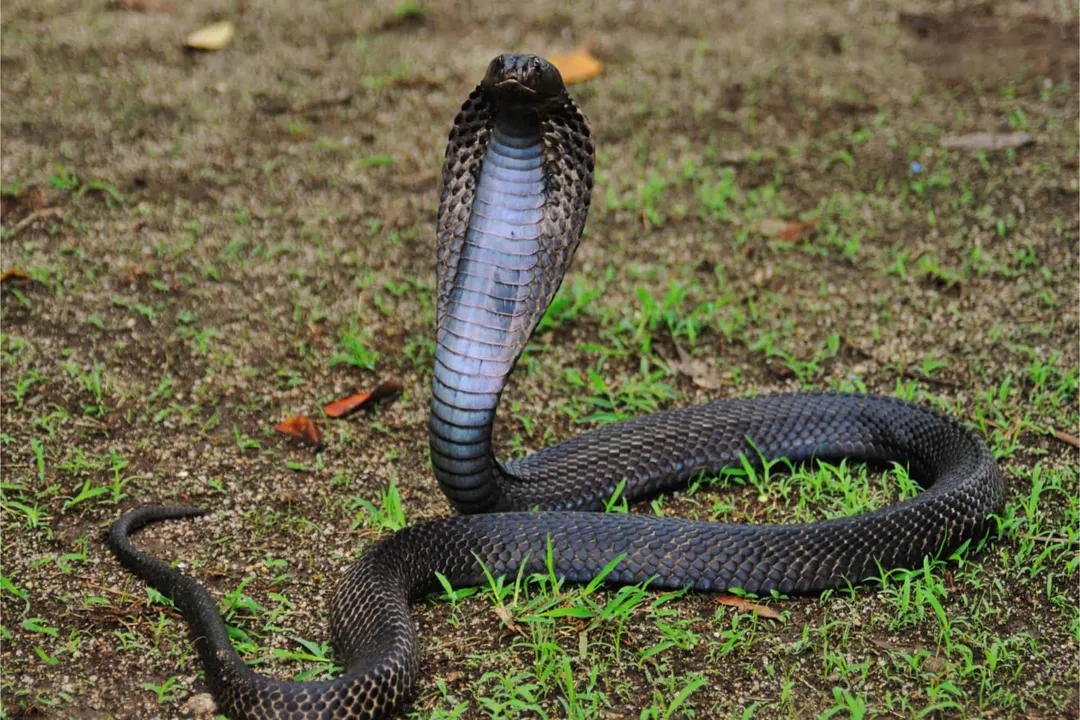
The Equatorial Spitting Cobra’s presence in suburban and even urban areas explains why human encounters are relatively common. Their distribution covers Southeast Asia, including the forests, parks, and gardens of countries like Singapore and Malaysia. This snake is primarily diurnal, meaning it is most active during the day, which increases the likelihood of daytime sightings by people working or living near its habitat.
They are terrestrial, spending most of their time on the ground, and feed mainly on small creatures like frogs and rodents. In certain areas of Sumatra, for example, they play an ecological role by helping to control rat populations in plantations.
An interesting observation arising from their habitat overlap is the general effectiveness of respecting their space. In the reported cemetery sighting in Singapore, the grave builder stated that snakes are common there, but there had been no attacks, attributing this to the shared understanding: If you don't disturb them, they won't disturb you.
This local context suggests a key piece of actionable advice: since these snakes are naturally wary and would prefer to move away, making noise when traversing areas with tall grass or dense scrubland alerts the snake to human presence, giving it time to retreat before a confrontation occurs.
# Handling Encounters
Given the high toxicity of the venom, whether from a bite or a spray to the eyes, responsible behavior during an encounter is critical for safety. The fundamental rule when facing a cobra is to never attack the snake. Since they are generally more frightened of humans than the reverse, confrontation should be avoided at all costs.
If you find yourself near one, experts advise the following steps:
- Freeze: Immediately stop moving to assess the snake's reaction.
- Maintain Distance: Do not approach, provoke, poke, or attempt to pick up the snake.
- Slow Retreat: If the snake has not yet displayed a full threat posture, back away slowly. Moving slowly prevents the snake from perceiving you as an immediate, fast-moving threat, thus lowering the chance of a strike or a spit.
- Recognize Escalation: If the cobra rears up and spreads its hood, recognize this as a warning that a strike is likely imminent.
The structural difference between a bite and a defensive spray dictates the immediate first aid. If venom enters the eyes, the priority is to flush the eyes out immediately while seeking medical help. Should a bite occur, the venom spreads via the lymphatic system, moving when the limbs move. Therefore, a critical step often cited in general cobra bite management is to stay calm and still, breathing gently to slow the venom's systemic spread, and to apply a firm bandage around the wound, similar to wrapping a muscle sprain, while heading for emergency care. Sucking out the venom or cutting the bite area is counterproductive and dangerous.
# Physicality and Variety
The Equatorial Spitting Cobra is a medium-sized snake, typically measuring between $0.9$ and $1.2$ meters, though some specimens can reach up to $1.5$ meters in length. Its body shape is distinct, being compressed dorsoventrally (flattened from top to bottom) and sub-cylindrical toward the rear. It possesses a depressed head that is slightly set apart from its neck, featuring large nostrils and a rounded snout. Like other cobras, it can widen its neck ribs to form a hood, which serves to make it look larger to would-be predators.
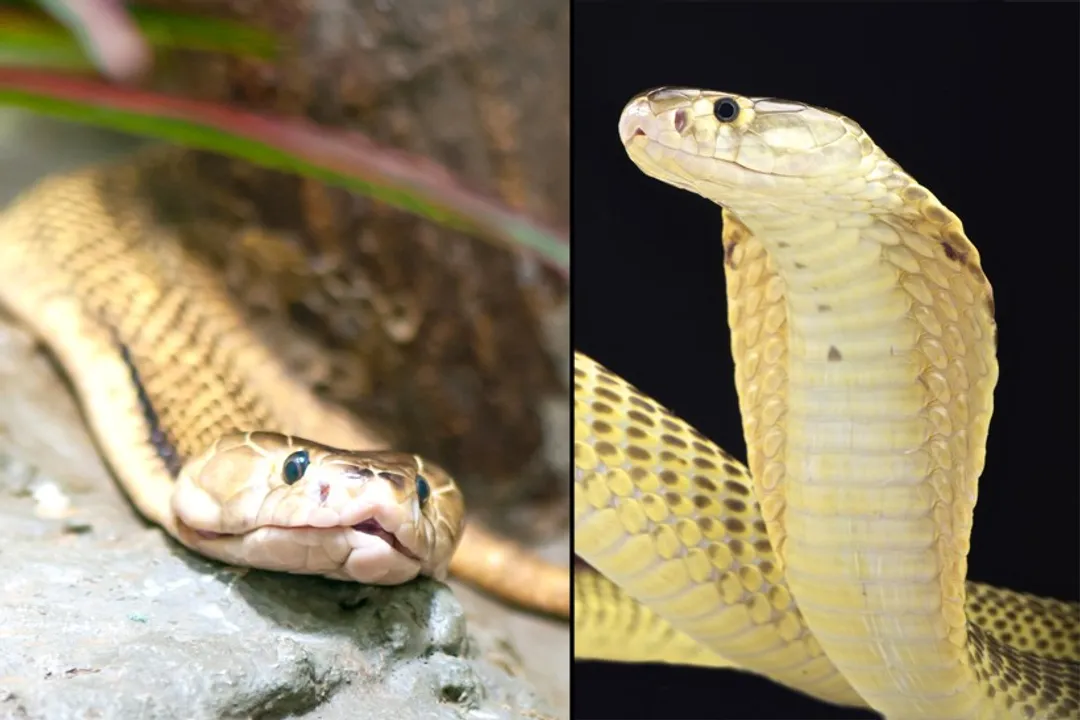
A key point of variation in this species is its coloration, which differs geographically. There are two primary color phases:
- Black Form: Commonly observed in Singapore, Peninsular Malaysia, and the islands of Indonesia and the Philippines.
- Yellow Form: Generally found in Thailand and Northern Peninsular Malaysia.
Furthermore, juveniles and adults often display different colors, meaning coloration alone cannot always be the sole identifier. Despite this variability, the Equatorial Spitting Cobra generally lacks the distinct hood marks seen on some other cobra species.
For field observers, understanding this range of appearance is vital. Mistaking a black-phase Naja sumatrana for another dark snake, or conversely, being surprised by the rare yellow form, underscores the need for caution regardless of the precise identification, as its highly venomous nature remains constant across all color variations. Because their population status is currently listed as Least Concern (LC) by the IUCN, the snake is common throughout its range, meaning encounters are likely to continue as human habitats expand into their known territories.
# Venom Composition Distinction
While all spitting cobras share the capability to project venom, the specific chemical makeup can differ even between closely related species living in proximity. The venom of the Equatorial Spitting Cobra contains postsynaptic neurotoxins, cardiotoxins, and cytotoxins. While these components mirror those found in other Asiatic spitting cobras, the precise protein composition of Naja sumatrana venom is noted as being distinct from its sympatric relatives, such as the Javan spitting cobra (N. sputatrix) and the Indochinese spitting cobra (N. siamensis). This fine chemical difference is something toxicologists study, but for the general public, the takeaway is singular: the venom is extremely dangerous, and any exposure requires immediate, specialized medical attention.
It is also worthwhile to consider the speed of action. While it is a common misconception that venom enters the bloodstream instantly after a bite, it travels through the lymphatic system first, which is why restricting movement after a bite is so important—the lymph fluid moves when limbs move. This biological fact reinforces the necessity of remaining still while awaiting transport to a medical facility. For an encounter in a remote area, carrying a way to signal for help, such as a fully charged mobile phone, becomes an action of equal importance to knowing the immediate first aid steps, an often-overlooked necessity when discussing wildlife safety.
Related Questions
#Citations
World Snake Day: Take a Closer Look at the Sumatran Cobra
Equatorial Spitting Cobra - Naja sumatrana - A-Z Animals
Equatorial Spitting Cobra - Facts, Diet, Habitat & Pictures ... - Animalia
Grave builder at Choa Chu Kang cemetery asks equatorial spitting ...
Spitting Cobra (Naja) - about animals