What are the characteristics of the Olive Python?
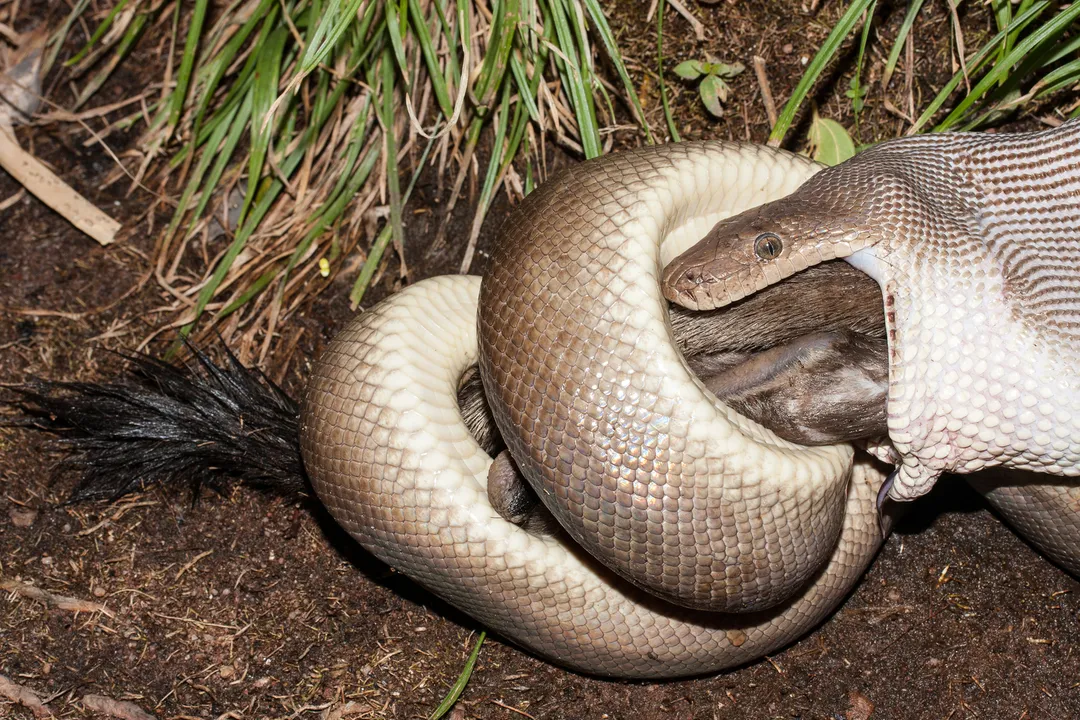
The Olive Python, scientifically known as Liasis olivaceus in older classifications, is one of Australia’s more substantial snake species, commanding attention not through venom, but through sheer size and powerful musculature. [3][5] For those encountering this reptile in its native habitat—spanning the tropical north of the continent and extending to New Guinea and surrounding islands—understanding its core characteristics is key to appreciating its place in the ecosystem. [1][5] It is a non-venomous constrictor, relying on speed and strength to subdue its prey. [1][5]
# Physical Stature
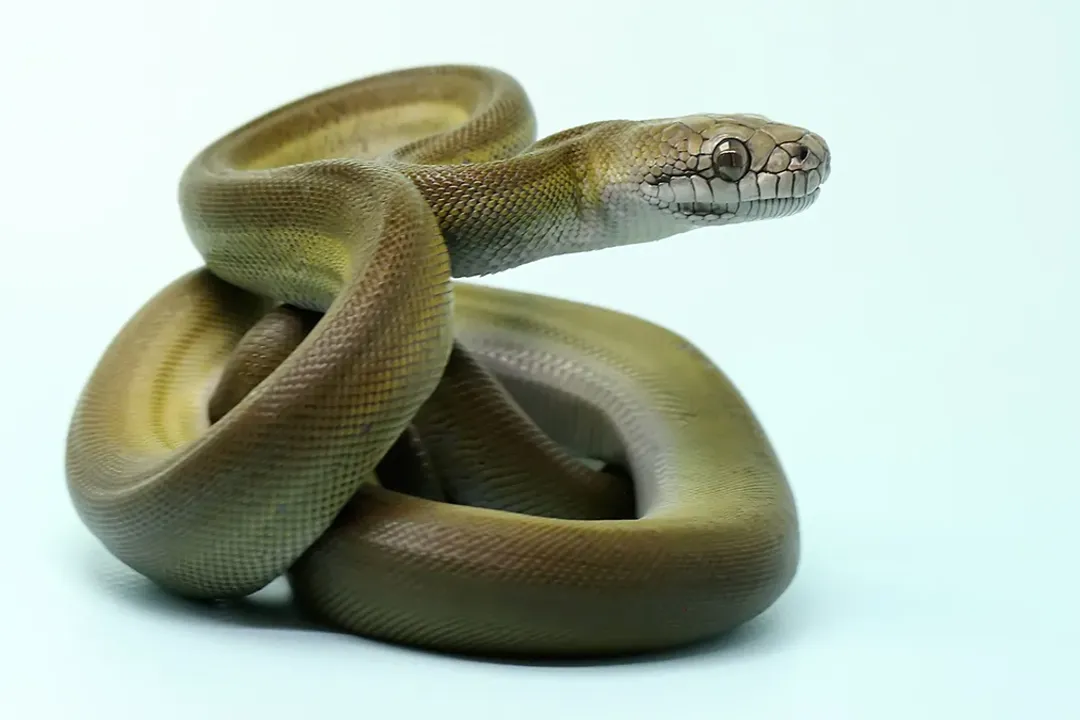
When discussing the Olive Python, its impressive dimensions immediately come to the forefront. Adult individuals frequently surpass the three-meter mark, making them among the longer snakes found in Australia. [1][5] While precise maximums vary based on geography and individual genetics, lengths exceeding 3.5 meters are certainly recorded within the species. [1] Weight gain accompanies this length, though they are generally considered moderately heavy-bodied compared to some of the bulkier Australian pythons.
Interestingly, the sex of the snake often dictates its ultimate size, with females typically growing larger and longer than their male counterparts. [1] This sexual dimorphism in size is a common trait among many large snake species, potentially reflecting different energetic demands related to reproduction. To put this size into perspective, an average adult can easily span the length of a standard car parked end-to-end, presenting a formidable silhouette in the landscape. [1] This considerable length necessitates large prey items and significant hunting territory to maintain its energy budget throughout the year.
# Color Variation
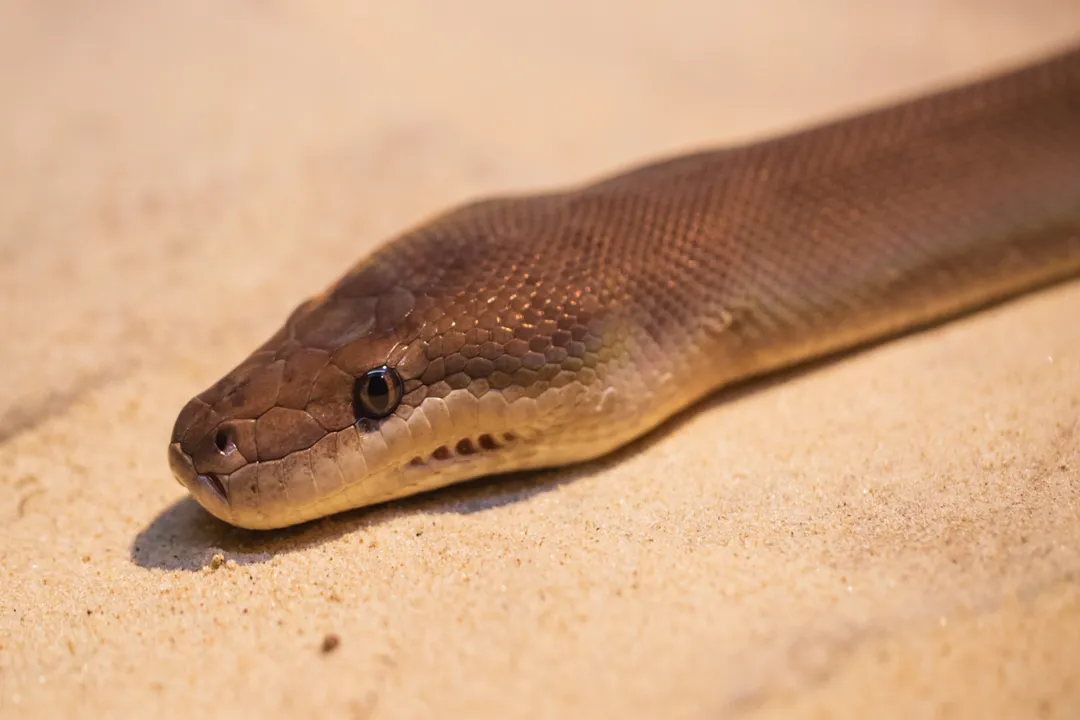
The common name, "Olive Python," offers a good starting point for description, but it can be quite misleading, as the species exhibits a remarkable range of coloration depending on location and age. [5] Adults often present a muted palette, ranging from olive-green or olive-brown to almost black, sometimes with lighter undersides. [1][5] This coloration provides exceptional camouflage against the leaf litter, bark, or shadowy rocky outcrops they frequent.
However, the juvenile phase presents a stark contrast, which is a common survival strategy in many reptile species where early vulnerability demands more conspicuous, disruptive patterns. [1][5] Young Olive Pythons are frequently adorned with dark bands or blotches across a lighter ground color, sometimes even appearing almost black and white or patterned in shades of yellow and brown. [1] As the snake matures, these distinct patterns fade and blend into the uniform, darker adult coloration. Observing this dramatic shift in appearance from hatchling to mature adult demonstrates how selective pressures change as the snake grows too large for smaller predators to easily target.
# Geographic Home
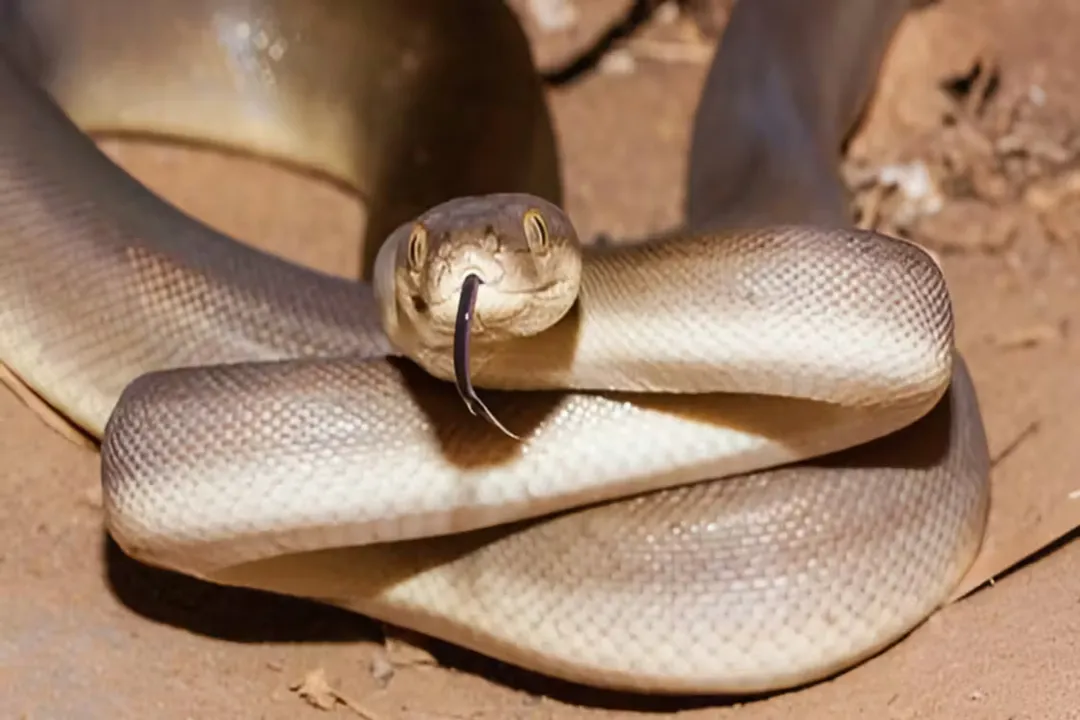
The distribution of the Olive Python is extensive, covering large swathes of northern Australia, including areas in Queensland, the Northern Territory, and Western Australia. [1][5] They are also found on the island of New Guinea and several associated islands. [1][5] This broad range necessitates a high degree of environmental adaptability, and indeed, the Olive Python occupies diverse habitats. [1][5]
One can find them utilizing dense tropical rainforests, dryer woodlands, open grasslands, and even rocky escarpments. [1][5] This ability to thrive across such varied biomes—from areas with high humidity to those experiencing pronounced dry seasons—is a hallmark of the species' ecological success. [4] For instance, the Pilbara subspecies, sometimes referred to separately, has adapted specifically to the arid, rocky gorges of Western Australia. [4] The sheer adaptability across these different environments—from coastal thickets to inland stone country—suggests that the Olive Python is not reliant on a single climatic feature, unlike some other specialized pythons that might be restricted to specific types of permanent water sources or vegetation cover. [1][4]
# Predator Habits
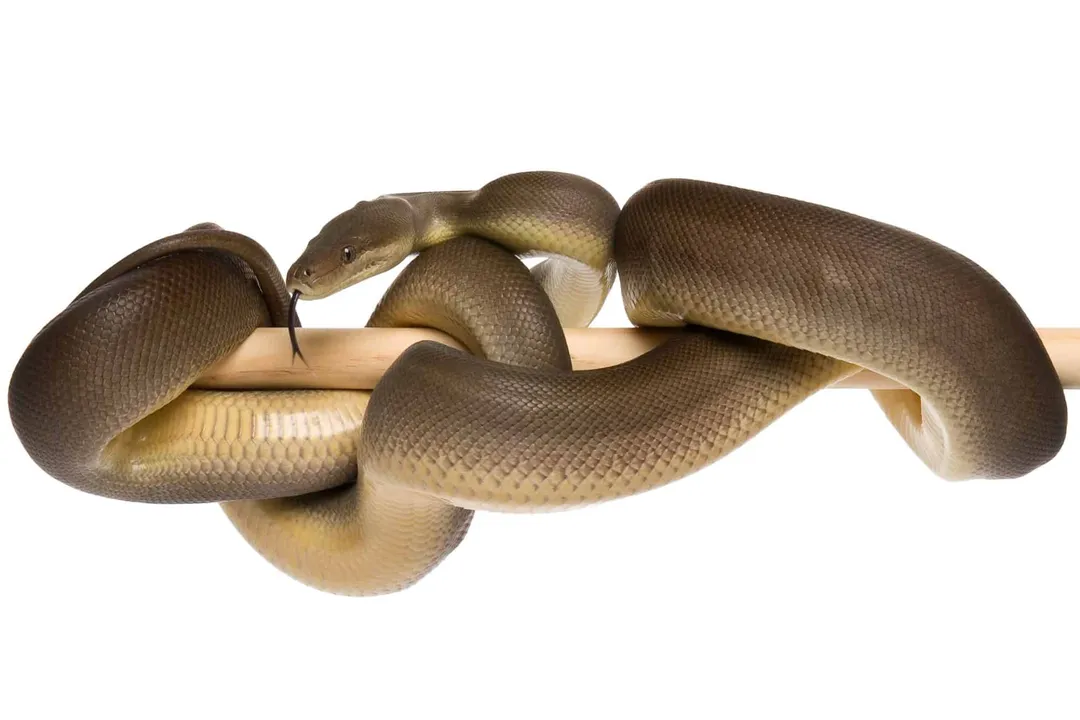
As a top-tier predator in its environment, the Olive Python's diet consists primarily of warm-blooded prey, although it is opportunistic. [1][5] Mammals form a significant portion of the menu, including various rodents, bandicoots, and even small wallabies, depending on the snake's size. [1] Birds are also taken, particularly if the snake is actively hunting in trees or near nesting sites. [5] Occasionally, smaller reptiles may also be consumed. [1]
Like all pythons, it employs a method of ambush followed by constriction. Once prey is seized, the snake rapidly wraps muscular coils around the victim, suffocating it by preventing the necessary muscle contractions for breathing. [1][5] They are generally recognized as nocturnal hunters, spending the hotter parts of the day concealed in burrows, rock crevices, or dense vegetation, emerging under the cover of darkness to seek out meals. [1]
# Interaction Style
For the casual observer or landowner, understanding the temperament of the Olive Python is important. They are fundamentally shy animals that prefer to avoid confrontation with larger creatures, including humans. [1] Their primary defense mechanism is rapid retreat or camouflage when initially disturbed.
However, if cornered, prevented from escaping, or physically handled aggressively, they can become defensive. [5] This defense typically involves loud hissing and striking motions. While they do not possess venom, a large, defensive python can inflict serious injury through its sheer mass and the sharp, backward-curving teeth used to grip prey. [5] It is crucial for anyone working near known habitats to observe snakes from a safe distance and allow them an unobstructed path to retreat, thereby minimizing the chance of a defensive response. [5] Their non-venomous nature, while relieving, does not negate the need for caution when encountering an animal of this size that feels threatened.
# Reproductive Cycle
The reproductive strategy of the Olive Python confirms its status as a true python, as it is oviparous, meaning the female lays eggs rather than giving birth to live young. [1] Once the eggs are laid—often hidden in a sheltered location such as a hollow log or deep rock crevice—the female exhibits maternal care. [1] This care is a sophisticated trait for reptiles; the female will typically coil tightly around the clutch of eggs.
This coiling behavior is not merely passive guarding; the female actively incubates the eggs. She is known to shiver her muscles to generate metabolic heat, raising the temperature of the clutch above the ambient air temperature, which is critical for proper embryonic development. [1] The duration of incubation varies based on environmental warmth, but this dedicated brooding period highlights a significant investment of energy by the female into the next generation, ensuring higher survivability rates for the offspring compared to species where eggs are simply abandoned.
Related Questions
#Citations
Olive Python - Facts, Diet, Habitat & Pictures on Animalia.bio
Olive python Animal Facts - Liasis olivaceus
Liasis olivaceous - Inland Reptile
The Pilbara olive python: The secret giant of Australia's red heart
Olive python - Wikipedia
Olive python Facts & Photos | Wowzerful
Papuan Olive Python: New Guinea's Behemoth in the Rainforest
Olive Python - ReptiChip LLC
Olive Python | Liasis olivaceus - Caversham Wildlife Park