What are the characteristics of fruit flies?
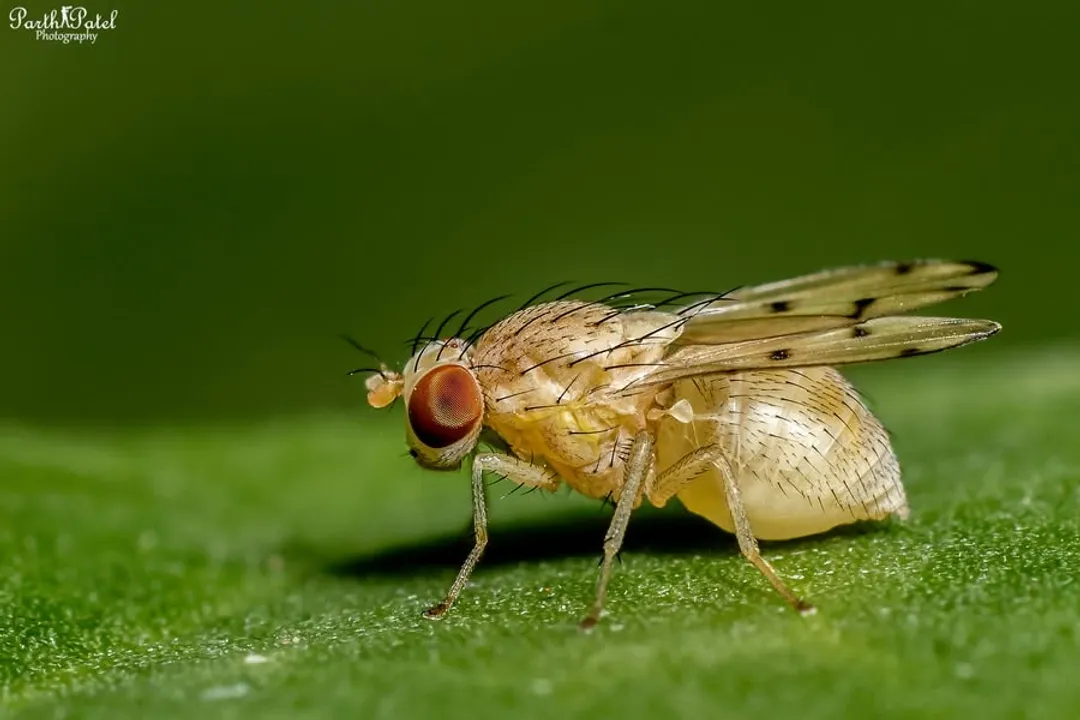
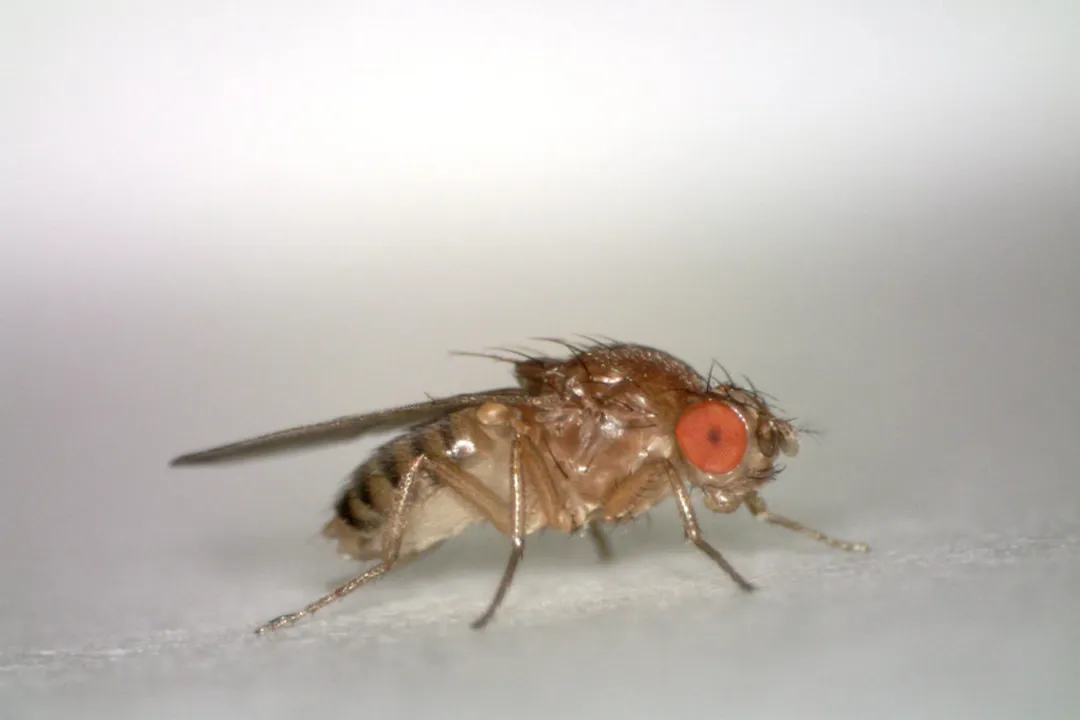
The appearance of tiny, buzzing insects near a bowl of overripe bananas often leads to immediate identification as fruit flies, though several small flies share similar characteristics. Typically, a true fruit fly, often associated with the genus Drosophila, is quite small, measuring about one-eighth of an inch in length. [3][6] They possess a tan or brownish-yellow body, sometimes described as light brown, with distinct black bands across their abdomen. [6][8] Perhaps their most noticeable feature is their large, prominent, and usually bright red eyes. [3][6][8] These flies are commonly known as vinegar flies or pomace flies, especially the most famous species, Drosophila melanogaster. [7][9] They possess two wings, and these wings are often held vertically over their body when they rest. [3] Distinguishing them from other small pests, like fungus gnats or drain flies, often requires a closer look at body shape and eye color, as fruit flies tend to have a more rounded appearance compared to the slender profile of some other flies. [2]
# Physical Traits
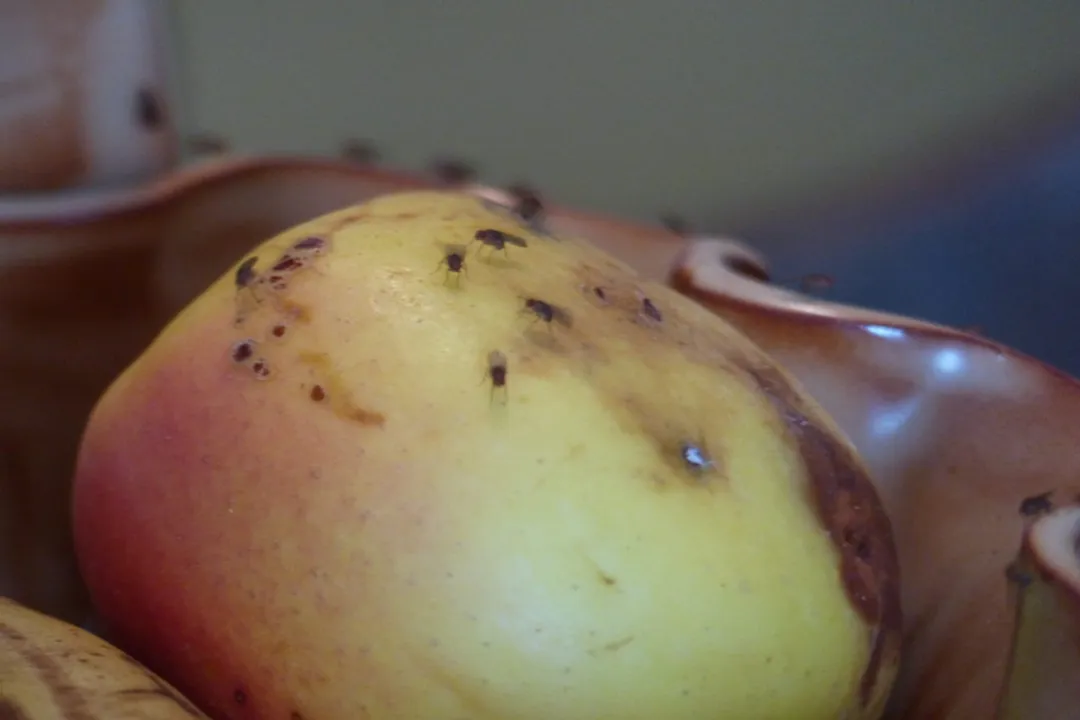
The physical description extends beyond just size and color. Fruit flies are categorized as Diptera, meaning they have only one pair of functional wings; the second pair is modified into small, club-shaped balancing organs called halteres. [3] While general descriptions might group them as just "small flies," understanding the specific morphology helps in control measures. For instance, Drosophila melanogaster, the subject of countless studies, is often the one people encounter in the kitchen. [7] Their antennae are relatively short and end in a small, feather-like brush, or arista, which aids in detecting odors—a critical sense for finding their food source. [7]
If you observe a fly that seems slightly larger, perhaps closer to three-sixteenths of an inch, and has a greyish body with black spots on its wings, you might be looking at a related, but different, pest like the vinegar fly Cucullidae or perhaps even a drain fly, depending on the location. [2] A useful, practical consideration for homeowners is realizing that their small stature, combined with a somewhat erratic flight pattern, means that even tiny cracks or gaps—less than a millimeter wide—can allow access into the home, far smaller than the entry points required by larger houseflies. [1]
# Life Cycle Speed
One of the most defining characteristics of the fruit fly, and the reason they can become an overwhelming presence so quickly, is their astonishingly rapid rate of development. [4] The entire life cycle, from egg to adult, can be completed in as little as seven to ten days under ideal, warm conditions. [4][8] This speed is directly tied to the surrounding temperature; warmer conditions accelerate development significantly. [4]
The cycle progresses through four distinct stages: egg, larva, pupa, and adult. [4]
- Eggs: A female fruit fly can lay hundreds of eggs, sometimes up to 500 over her short lifespan, depositing them directly onto the surface of fermenting materials. [1][4]
- Larvae: Once hatched, the larvae, which look like small, whitish worms, begin feeding immediately on the fermenting matter. [4]
- Pupae: After several molts, the larva develops into a pupa, often attaching itself to a dry surface near the food source, where metamorphosis occurs. [4]
- Adults: The fully formed adult fly emerges, ready to reproduce within about a day or two. [4]
This rapid turnover means a small initial infestation can balloon into a major problem in less than two weeks if the breeding material is not removed. Considering this speed, it becomes clear that management must focus heavily on eliminating the breeding site rather than just swatting the visible adults. A useful piece of analysis here is realizing that targeting the pupal stage is often the most effective control point, as pupae are immobile and adhere to surfaces—such as the inside lip of a garbage can or the film inside a drain—making them susceptible to surface treatments or scouring when adults are just emerging. [8]
# What Attracts Them
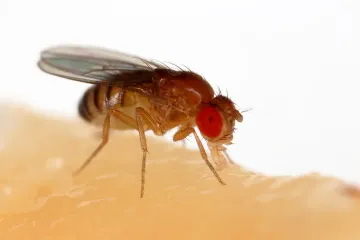
Fruit flies are primarily attracted by the scent of fermentation and decay, which is their primary food source and the necessary medium for their larvae. [1][9] They are strongly drawn to ripe, damaged, or rotting fruits and vegetables, especially those containing yeast or alcohol from the breakdown process. [1][9]
Key attractants include:
- Produce: Overripe bananas, tomatoes, potatoes, onions, and any fruit left unrefrigerated or bruised. [1][9]
- Fermented Liquids: Spilled beer, wine, vinegar, or liquor residue in bottles or containers. [1][9] Even the thin film left at the bottom of an empty wine bottle can sustain a population. [5]
- Moist Organic Matter: Food debris in garbage disposals or sticky residue around recycling bins. [1][5] In some cases, they can breed in the slimy film inside drains if organic matter accumulates there. [2]
Their olfactory senses are highly tuned to the alcohols and acids produced during fermentation. Interestingly, they are drawn to sweet substances, but it is the fermentation byproduct that signals a perfect location for laying eggs to ensure their offspring have immediate nutrition. [7] This preference means that perfectly fresh fruit sitting on a counter is often ignored in favor of a nearly empty soda can left out for a few days.
# Research Model
While most people associate fruit flies with nuisance, Drosophila melanogaster holds a much more significant place in biology. [7] This specific species has been instrumental in the study of genetics for over a century. [7] Its usefulness stems from several key characteristics that researchers value:
- Ease of Rearing: They are inexpensive and simple to keep in large numbers in a laboratory setting. [7]
- Genetic Simplicity (Relatively): They have only four pairs of chromosomes, making genetic analysis more manageable than in many other organisms. [7]
- Rapid Generation Time: Their quick life cycle allows scientists to study multiple generations in a short period, which is essential for observing inheritance patterns. [7]
Because of these traits, fruit flies have served as vital models for understanding everything from basic genetics and heredity to complex topics like development, behavior, and even the mechanisms behind certain human diseases. [7] The ability to observe visible traits, such as eye color mutations, across generations cemented their status as the premier invertebrate research organism. [7]
# Movement and Habits
When active, fruit flies exhibit specific behaviors that make them noticeable. They tend to hover or congregate around their food or breeding sources. [1] While they can fly, they are not particularly strong fliers and often walk or crawl across surfaces, especially when feeding. [1]
Fruit flies are generally considered diurnal, meaning they are most active during the daytime. [5] When disturbed, they will often fly a short distance before quickly landing again, usually close to the disturbance source, unless the threat is perceived as significant. [1] This tendency to remain near the source of attraction explains why simply cleaning the counter might cause them to relocate to the nearby sink drain or compost bin rather than leaving the area entirely. [5]
One often overlooked aspect of their habit relates to light. While attracted to fermentation, adult fruit flies are also phototactic, meaning they move toward light sources. [1] This explains why they might sometimes be seen clustered near windows or bright kitchen lights, even when they are not actively feeding, offering a potential, albeit partial, window for passive trapping methods.
Related Questions
#Citations
Fruit Fly Behavior and Life Cycle Facts - Pests - Orkin
Fruit Flies - Types, Facts, and How to Identify - Holder's Pest Solutions
Common fruit fly - SANBI
Fruit Flies - UK Entomology
8 Things You Didn't Know About Fruit Flies | HomeTeam Pest Defense
Fruit Flies Facts & Information | Hulett Pest Control
Drosophila melanogaster - Wikipedia
Fruit Flies - Oklahoma State University Extension
Fruit Fly Facts | All About Fruit Flies | Insect Library - Terro
Fruit fly characteristics and sexual dimorphism - Facebook