Do grebes need water to fly?
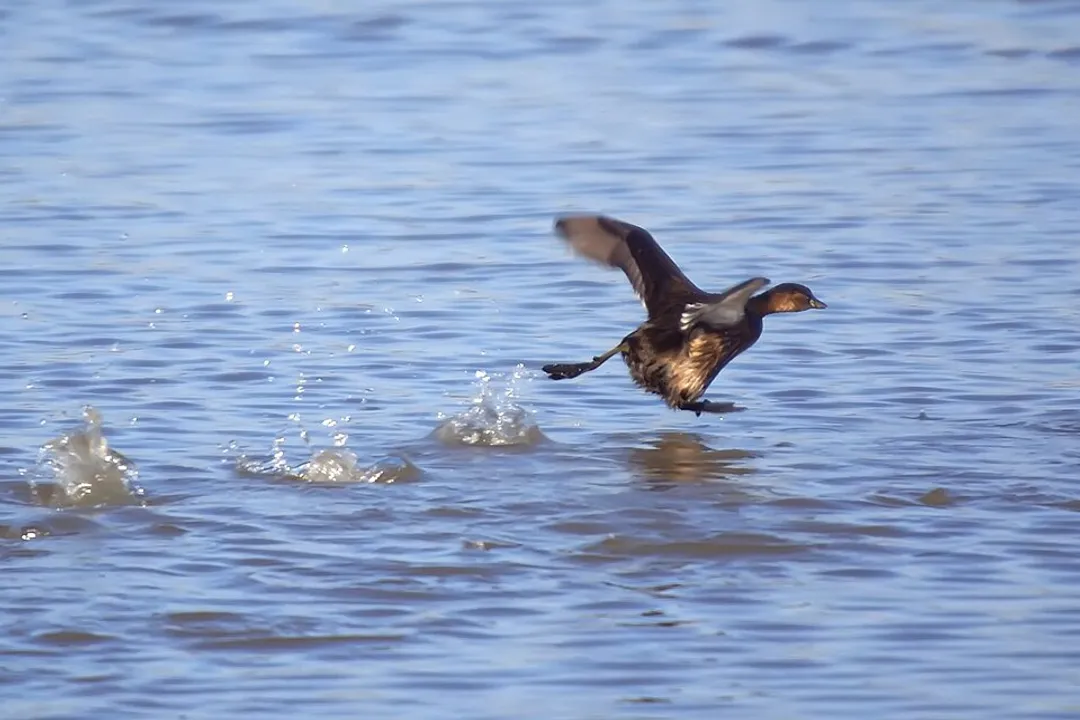
The sight of a grebe on land often suggests a creature utterly misplaced, moving with an awkward, shuffling gait that seems ill-suited for any serious travel. These birds, masters of diving and pursuit beneath the surface, naturally lead observers to wonder about their aerial capabilities. It is a fair question: if a grebe is built so perfectly for the water, does it actually need that water to ever leave the surface and take to the air? The answer involves understanding the unique engineering of their bodies, which prioritizes aquatic life above all else.
# Foot Design
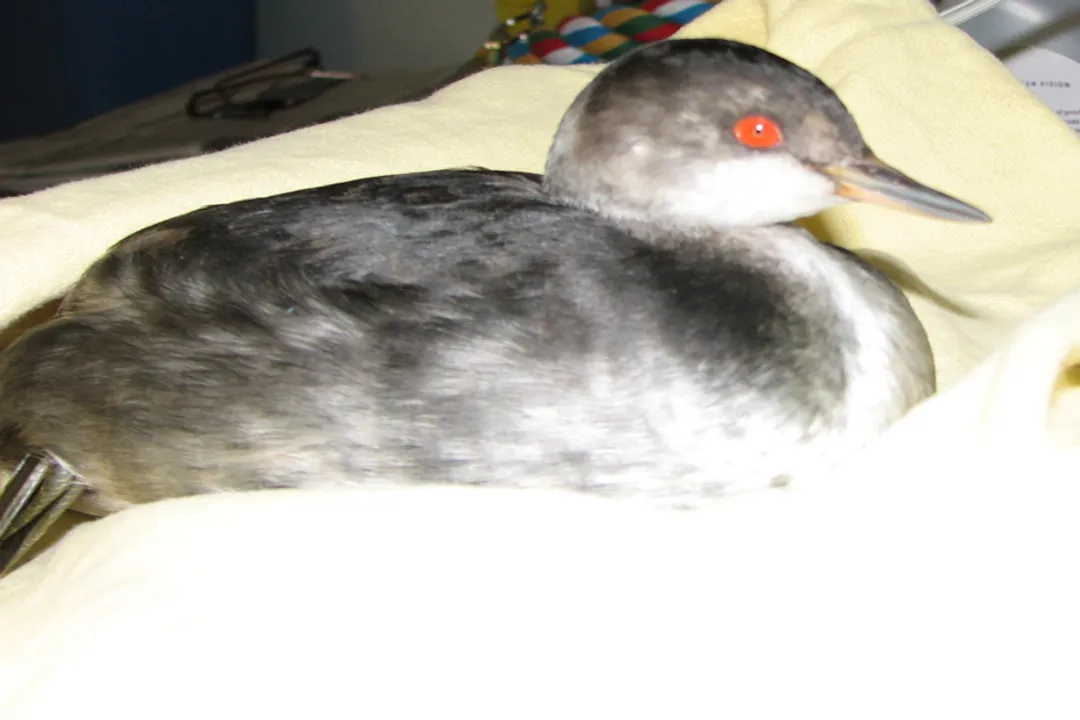
The anatomy of a grebe’s feet provides the first major clue to their movement preferences. Unlike many water birds such as ducks, which possess fully webbed feet designed for efficient paddling, grebes have distinctly lobed toes. This structure, where the toes have flaps of skin that extend sideways but are not joined together, is excellent for pushing against the water during a powerful dive or swim.
This specialized foot structure is part of a larger physical trade-off. Grebes are classified in the order Podicipediformes, and their entire skeletal structure leans heavily toward underwater performance. They are built to propel themselves through a denser medium than air, making them incredibly agile beneath the waves.
# Leg Placement
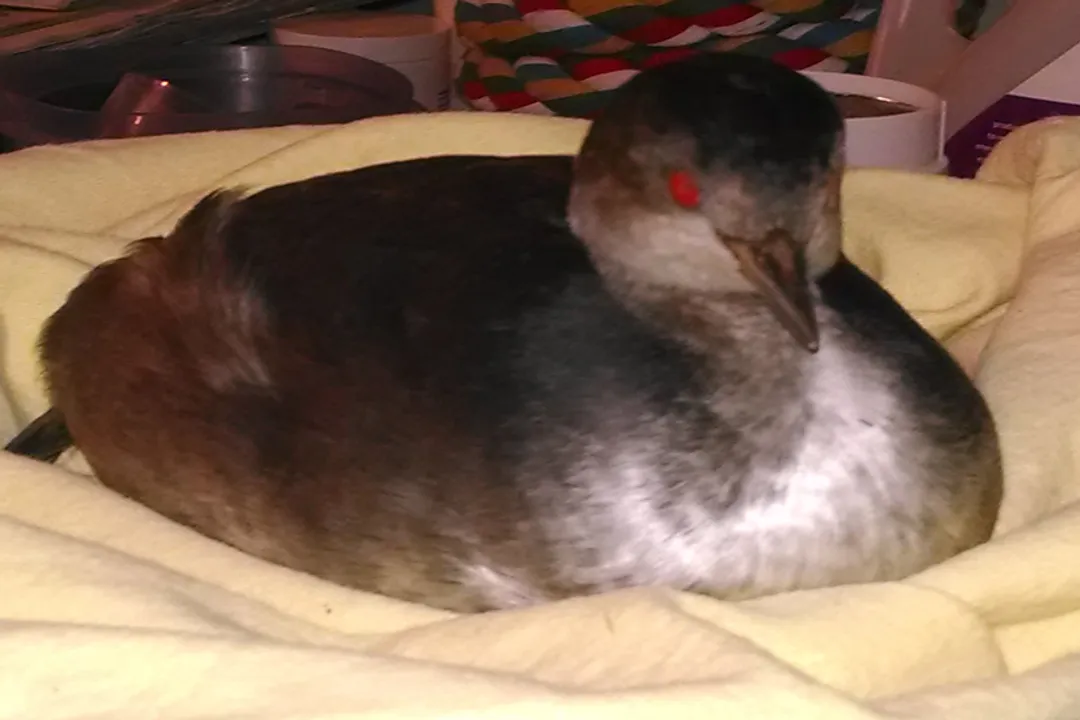
The most significant physical constraint determining how a grebe interacts with land—and subsequently, how it takes off—is the placement of its legs. Grebes possess legs that are set extremely far back on their bodies. This positioning is advantageous underwater because it places the primary source of thrust directly behind the body, offering incredible propulsion for deep dives and pursuit.
However, this same configuration creates severe terrestrial limitations. When a grebe attempts to walk, those far-rearward legs force the bird into a nearly upright stance, resulting in their characteristic shuffling and stumbling gait. They simply cannot run or stride efficiently like shorebirds or ducks whose legs are positioned more centrally beneath their frame.

# Aerial Reality
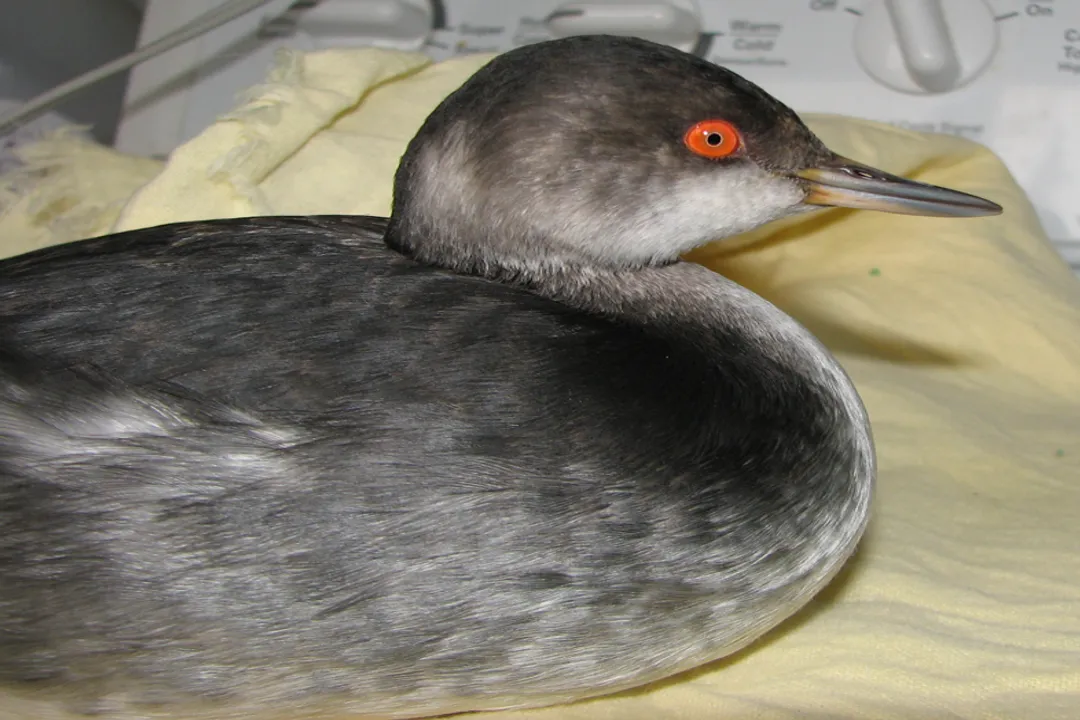
Despite their clumsy appearance on shore and their evident preference for swimming, grebes do possess wings and are capable of flight. For instance, the Pied-billed Grebe, often seen swimming low in the water, can fly at speeds reaching up to 50 mph when it chooses to move aerially. Similarly, species like the Western Grebe, while often seen gliding or diving, are perfectly capable flyers when necessary. They generally show a strong reluctance to fly, preferring to swim away from perceived threats.
This reluctance is partly explained by the mechanics of initiation. Because their legs are set so far back, generating the necessary velocity to become airborne from a standstill on a solid surface is extremely difficult, if not impossible, for sustained flight.
# Launching Requirement
This brings us directly to the core issue of takeoff. A grebe cannot simply jump into the air from land; it requires a substantial running start to generate the airflow needed over its wings. This necessity for speed and distance explains why they rely so heavily on their aquatic environment for launching.
The critical factor is that the grebe uses its powerful, rear-set legs to push against the water, creating a running start on the surface. They need open water to gather momentum before they can transition into true flight. Imagine trying to start a propeller plane using only the power of its wheels on the ground versus having a slight downhill slope; the water provides that necessary "runway" for the grebe's specialized propulsion system. A grebe needing to escape a terrestrial predator or move between feeding grounds will instinctively aim for the nearest body of water to gain the required airspeed before lifting off.
If we consider the physics involved, the difference between land and water takeoff is vast. On land, the bird is fighting static friction and gravity with legs poorly positioned for forward running, essentially using its diving gear for terrestrial locomotion. On water, however, those lobed feet are operating in their intended environment, converting vertical diving power into horizontal takeoff velocity efficiently. This distinction is important for anyone observing a seemingly stranded bird; forcing a grebe onto land may effectively ground it until it can reach an expansive water source.

# Ecological Context
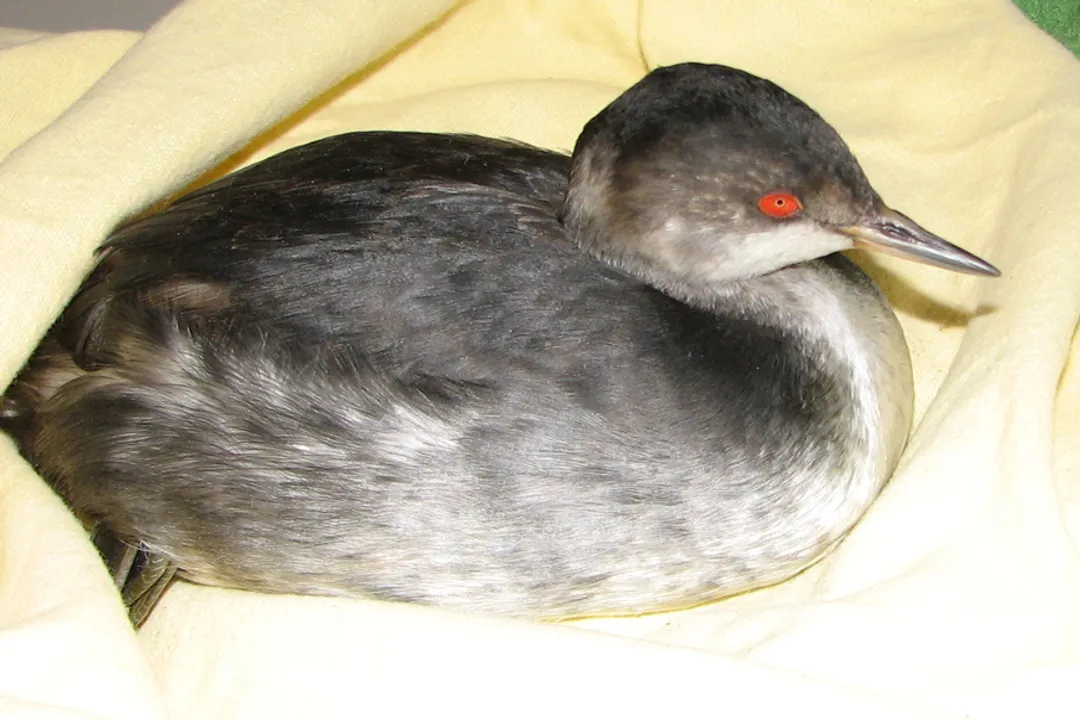
Grebes undertake movements that necessitate flight, particularly during migration periods. Many species move south as their northern breeding waters freeze over. During these migratory phases, they must maintain the fitness required to cover significant distances. When they arrive injured or exhausted, such as those brought in by rescue organizations after strong autumn winds, they are often found grounded and require time on the water to rebuild the muscle strength necessary for a successful flight out.
This highlights an energetic perspective on their aerial behavior. The effort required for a grebe to achieve liftoff—even from water—is relatively high compared to many other flying birds. For a bird that primarily escapes danger through camouflage or deep diving, using a high-energy maneuver like flight is usually a last resort or a necessary long-distance commute.
When thinking about managing or observing these birds, especially in rehabilitation or even in wild populations near human habitation, understanding this dependence on water for launch is key. For example, if you were observing a nesting pair, the primary defense mechanism you would see is diving, not flying away, unless the threat level demanded sustained escape. It might be useful to map out the nearest suitable body of water—not just a puddle, but an area large enough for that critical running start—if you ever witness one attempting to flee a sudden disturbance on land. The sheer size of some species, like the Western Grebe, means they require an even longer stretch of open water for a clean departure.
The entire life cycle of a grebe is a commitment to the lake or marsh. Their superb diving ability, aided by dense bones that help them submerge, directly dictates their awkwardness on land and their necessary dependence on water as a takeoff strip. They do not need water in their path to fly, but they absolutely need it under their feet to get airborne in the first place.
Related Questions
#Citations
Grebe Season - Native Bird Care
Fall Migration and Injured Grebes - International Bird Rescue
Grebe - Wikipedia
Grebes are not ducks and are clumsy on land - Facebook
Pied-billed Grebe - All About Birds
Eureka! Western Grebes Really Do Have Wings
Pied-billed Grebe | Bird Gallery - Houston Audubon Society
All About Grebes | Oiled Wildlife Care Network
How to Help a Stranded Western Grebe - Wildlife Images