What are the characteristics of a taipan?
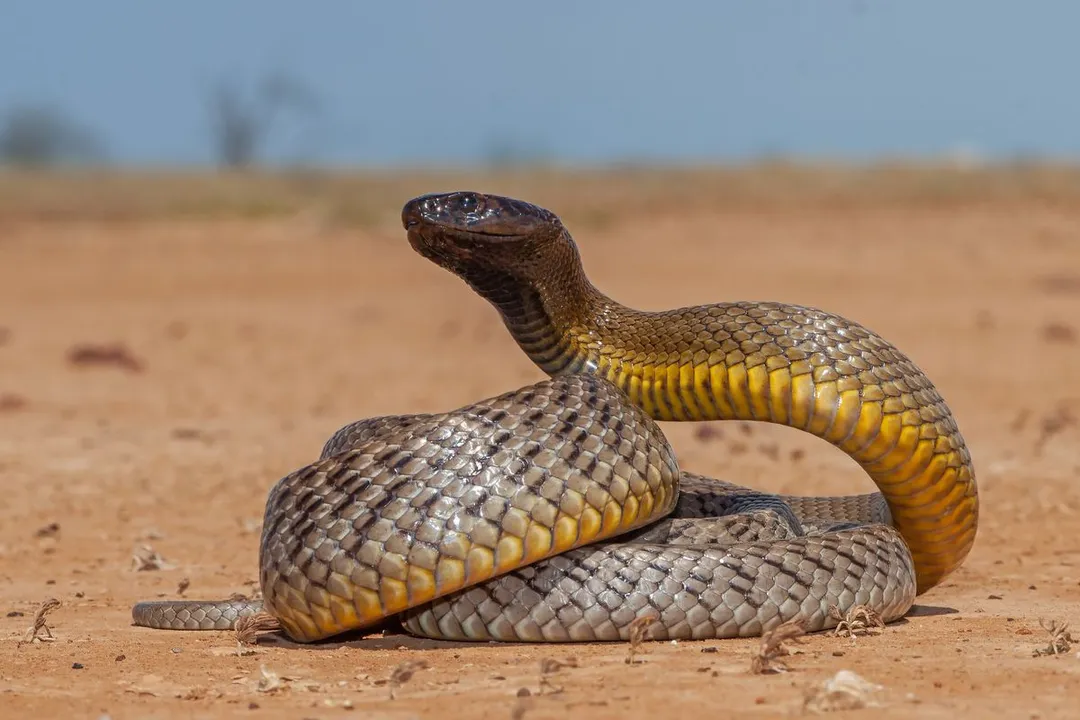
The term "taipan" immediately conjures images of extreme danger in the Australian reptile world, but this name actually covers three distinct and formidable species of venomous snakes found across the continent and New Guinea. These snakes belong to the Elapidae family, meaning they possess fixed front fangs connected to venom glands, placing them among the world’s most dangerous serpents. Understanding the characteristics of a taipan requires distinguishing between the Inland Taipan (Oxyuranus microlepidotus), the Coastal Taipan (Oxyuranus scutellatus), and the Papuan Taipan (though the primary focus in the provided sources is heavily skewed toward the first two, which are strictly Australian terrestrials). While all share potent venom and impressive speed, their environments, specific physical traits, and even temperaments exhibit fascinating differences that shape their roles in the ecosystem.
# Taipan Trinity
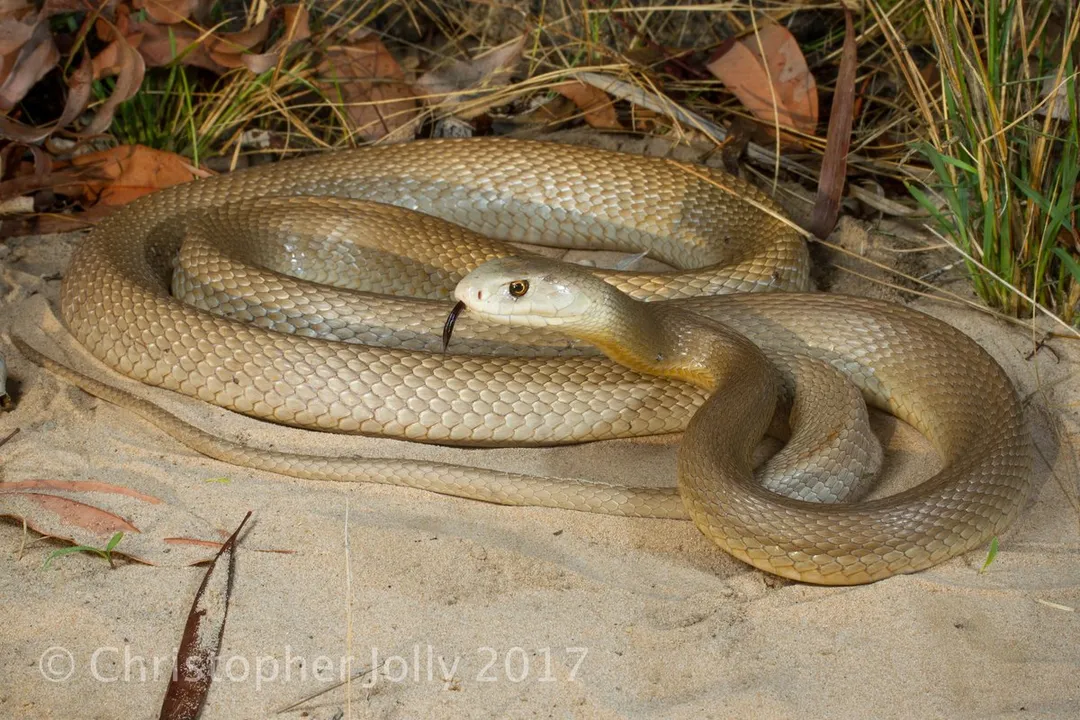
The three taipan species represent a spectrum of specialized evolution within their genus. The Inland Taipan, sometimes referred to as the "fierce snake" due to its potency rather than its typical demeanor, reigns supreme as the world’s most venomous land snake based on LD50 tests. Its habitat is sharply limited to the arid and semi-arid plains of central-east Australia. Conversely, the Coastal Taipan commands a much wider range, stretching along the northern and eastern coasts of the continent and into New Guinea. The Coastal Taipan is significantly longer than its inland cousin and, while still possessing incredibly potent venom, it tends to inhabit areas closer to human settlement, creating a different type of risk profile. A third species, the Papuan Taipan, exists but is less frequently detailed in comparisons with the other two terrestrial giants.
# Inland Apex
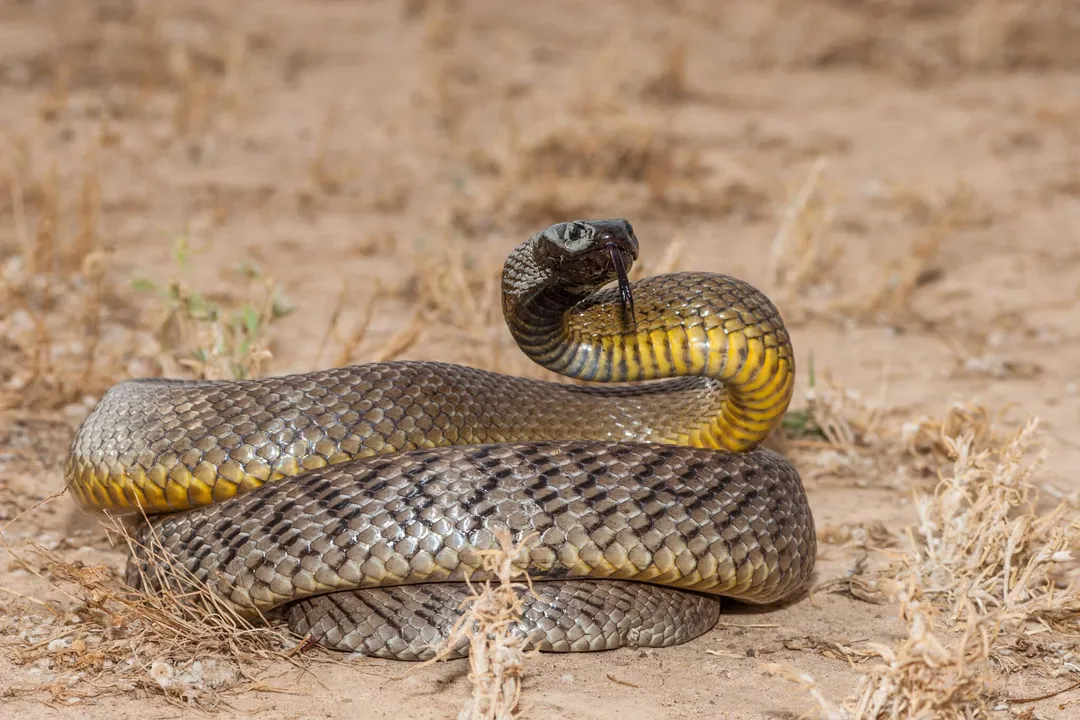
The Inland Taipan (Oxyuranus microlepidotus) is a master of the harsh, interior Australian landscape. Its favored territory consists of cracks in the earth in black soil plains, often near dried-up floodplains in Queensland and South Australia. This creature has evolved to thrive where few other large reptiles can endure.
Its diet shows a remarkable degree of specialization: the Inland Taipan primarily preys upon small native mammals, with the long-haired rat (Rattus villosissimus) making up the bulk of its sustenance. This highly specific dietary requirement ties its survival closely to the population cycles of these particular rodents. In terms of appearance, it is generally described as dark brown to black, though its coloration can appear lighter, almost yellowish-tan, during the winter months. Adult specimens typically measure around 1.8 to 2.5 meters in length, though longer examples certainly exist.

# Coastal Distribution
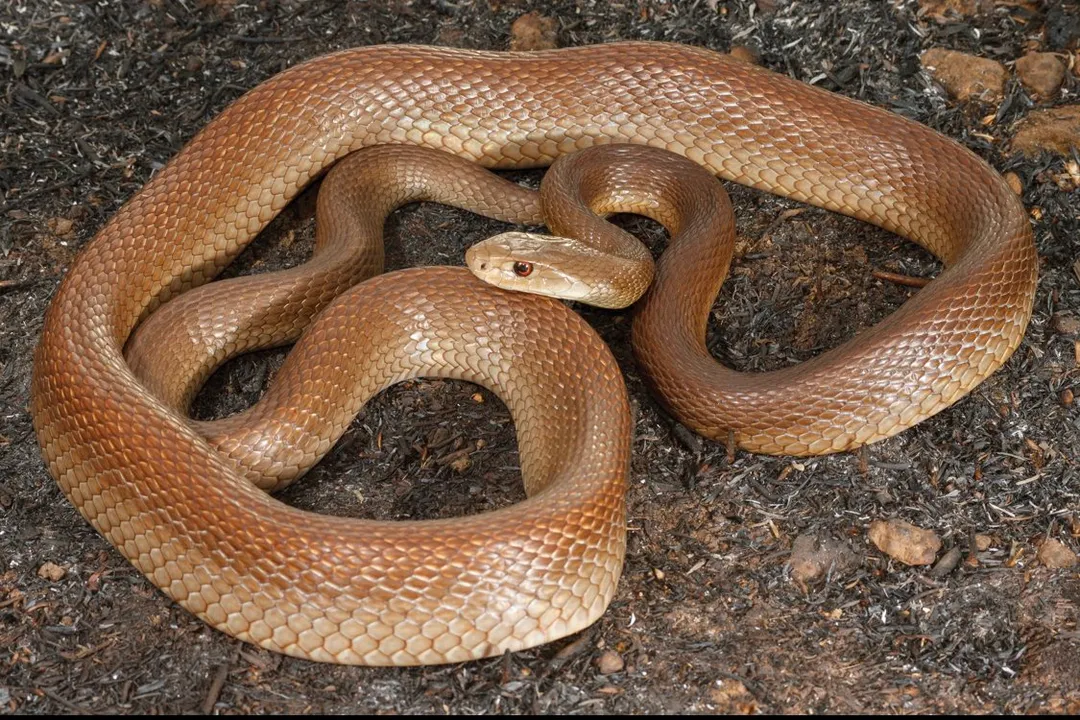
The Coastal Taipan (Oxyuranus scutellatus) presents a stark contrast in geographic spread and habitat preference. It is found across a diverse range, including tropical coastal regions, moist sclerophyll forests, and even cane fields, extending from northern Australia down through eastern coastal regions and into parts of New Guinea. This broader habitat selection often places it in more immediate proximity to people compared to its shy desert counterpart.
Physically, the Coastal Taipan is often cited as the third-longest venomous snake in Australia, frequently reaching lengths of 2 meters or more. Its coloration is variable, ranging from pale brown to dark brown or even black, depending on the specific locality. Unlike the Inland Taipan, which typically retreats from human contact, the Coastal Taipan is known to be more reactive if cornered or surprised in its environment.
# Appearance Data
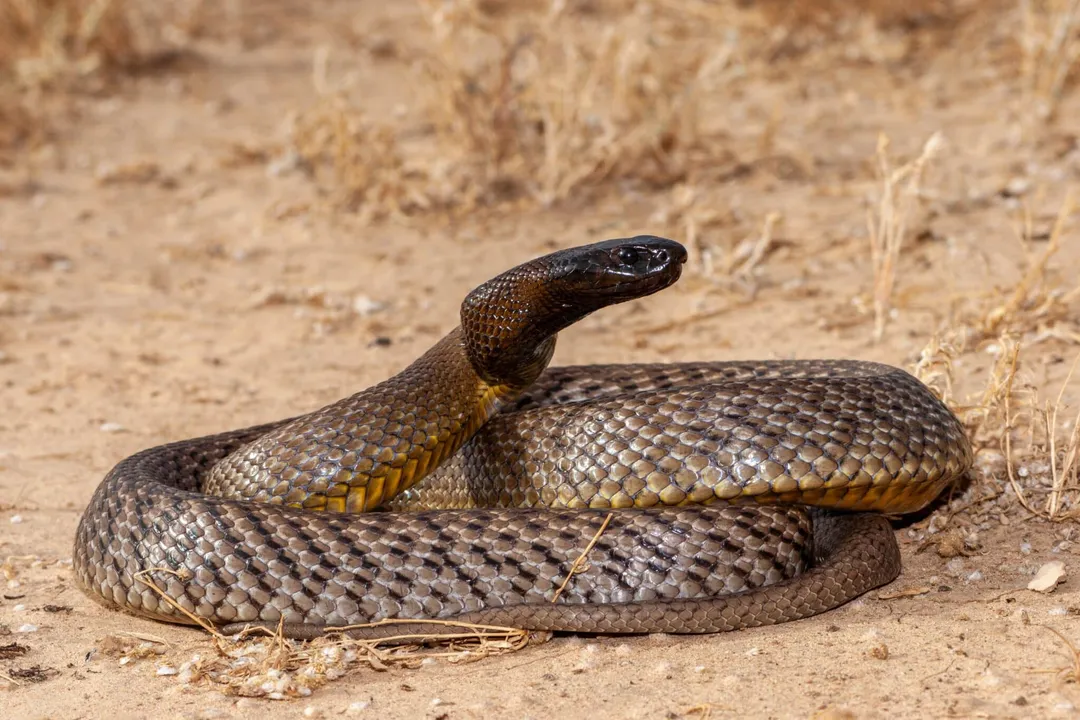
When comparing the physical characteristics, size differences are a key differentiator, even though coloration can be confusingly similar between the two main Australian species.
| Characteristic | Inland Taipan (O. microlepidotus) | Coastal Taipan (O. scutellatus) |
|---|---|---|
| Average Length | ~1.8 to 2.5 meters | Often exceeds 2 meters |
| Primary Habitat | Arid/semi-arid central plains | Tropical/coastal areas of North/East Australia |
| Head Shape | Broad, elongated | Elongated, often described as coffin-shaped |
| Typical Color | Dark brown to black (can be paler in winter) | Pale to dark brown or black |
It is important to note that visual identification based solely on color can be misleading, as even within the Inland Taipan, seasonal color shifts occur. Furthermore, variations in skin tone exist across the Coastal Taipan's wide geographic range, making definitive identification sometimes tricky without expert knowledge.
# Defense Mechanisms
The temperament of the taipans is perhaps the most frequently misunderstood aspect of their characteristics. Despite their fearsome reputation, they are generally described as shy and secretive creatures that prefer to avoid confrontation. When encountered by humans, the typical reaction for any taipan is to flee or hide rather than attack.
However, if escape is prevented or the snake feels cornered—a common scenario when accidentally trodden upon or surprised—its defense mechanism is swift and decisive. Both species are capable of delivering multiple, rapid strikes in succession. When defending itself, the taipan will often rear up, hold its ground, and strike repeatedly, injecting venom with precision. The high degree of venom efficiency suggests that even a single defensive bite is a severe medical emergency.
# Toxin Potency
The primary characteristic that places the taipan in the spotlight is its venom. The venom produced by taipans, particularly the Inland variety, is a complex cocktail dominated by powerful neurotoxins. These toxins rapidly act upon the nervous system, leading to paralysis, and also contain procoagulants that interfere severely with the blood’s ability to clot.
While the Inland Taipan holds the record for the most toxic venom of any land snake, the Coastal Taipan's venom is also exceptionally dangerous, containing the full spectrum of neurotoxic and procoagulant effects.
A deeper dive into the venom composition reveals an interesting contrast: the Inland Taipan’s venom is highly specialized toward mammalian prey, which is logical given its diet of rats and mice. This specialization means its venom is perhaps too tailored for mammals, whereas the Coastal Taipan's venom, while less potent overall by volume per dose, must contend with a more varied diet, potentially resulting in a broader range of toxic compounds affecting different physiological systems.
This distinction is vital: toxicity measures (like the LD50) tell us how deadly the raw substance is, but proximity and behavioral likelihood of envenomation determine real-world risk.
# Habitat Specialization
The differences in where these snakes live directly inform their evolution and survival strategies. The Inland Taipan's existence in the harsh, hot interior necessitates low metabolic activity and a highly efficient means of capturing its specialized prey. Its cryptic nature and preference for deep shelter in the arid landscape reduce energy expenditure while maximizing survival in an environment where resources can be scarce. Experiencing these animals in environments like wildlife sanctuaries, for instance, often means seeing them under controlled, cooler conditions, which can mask their natural sluggishness when ambient temperatures drop in their open, high-desert homes.
Conversely, the Coastal Taipan occupies regions with higher humidity and denser cover. Its higher activity level, needed to hunt over a wider range of prey, might contribute to its reputation for being more likely to stand its ground when disturbed near a favored basking spot or near the cover it relies upon in coastal bushland.
If one were mapping the risk associated with these snakes, simply looking at a map overlaying population density with known habitat would show that the Inland Taipan occupies vast, sparsely populated areas, minimizing human encounters. The Coastal Taipan, inhabiting the densely populated eastern seaboard, creates a situation where the probability of an unexpected meeting, even with a slightly less toxic venom, remains a significant concern for residents and visitors in those specific geographic corridors. This interplay between venom potency and human-snake interface is a defining characteristic of the two main Australian species.
# Risk Perception
It is easy for the public to conflate the sheer toxicity of the Inland Taipan with it being the most dangerous taipan overall. However, danger is a function of toxicity times exposure. Because the Inland Taipan lives in remote areas and is notably shy, actual recorded bites are extremely rare. On the other hand, the Coastal Taipan’s willingness to defend itself when surprised, coupled with its presence near populated areas, means that bites from this species are more frequently encountered by humans. Therefore, while the Inland Taipan delivers the strongest punch, the Coastal Taipan is often regarded as the greater threat based on real-world incidence statistics, as it is more likely to be brought into a conflict scenario. In essence, one is the world's most potent venom delivery system, kept safely distant by geography and behavior; the other is a highly toxic snake in the neighborhood.
#Videos
How Dangerous is the World's Most Venomous Snake? - YouTube
Related Questions
#Citations
Taipan | Characteristics & Facts - Britannica
Inland Taipan - The Australian Museum
It's over 2 metres long and has enough venom in one bite to kill 100 ...
Inland taipan snake venomous properties - Facebook
How Dangerous is the World's Most Venomous Snake? - YouTube
Discover the Deadly Beauty of the Inland Taipan - Billabong Sanctuary
Taipan Definition, Habitat & Facts | Study.com
Inland Taipan / Fierce Snake - Australia Zoo