What are the characteristics of a speckled kingsnake?
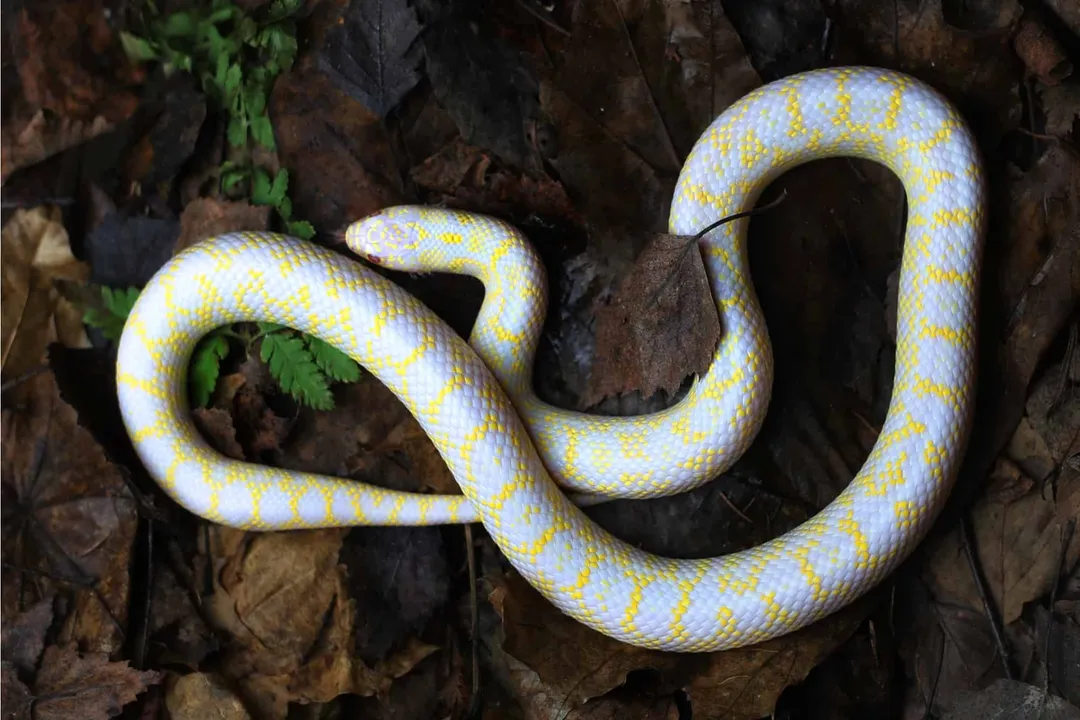
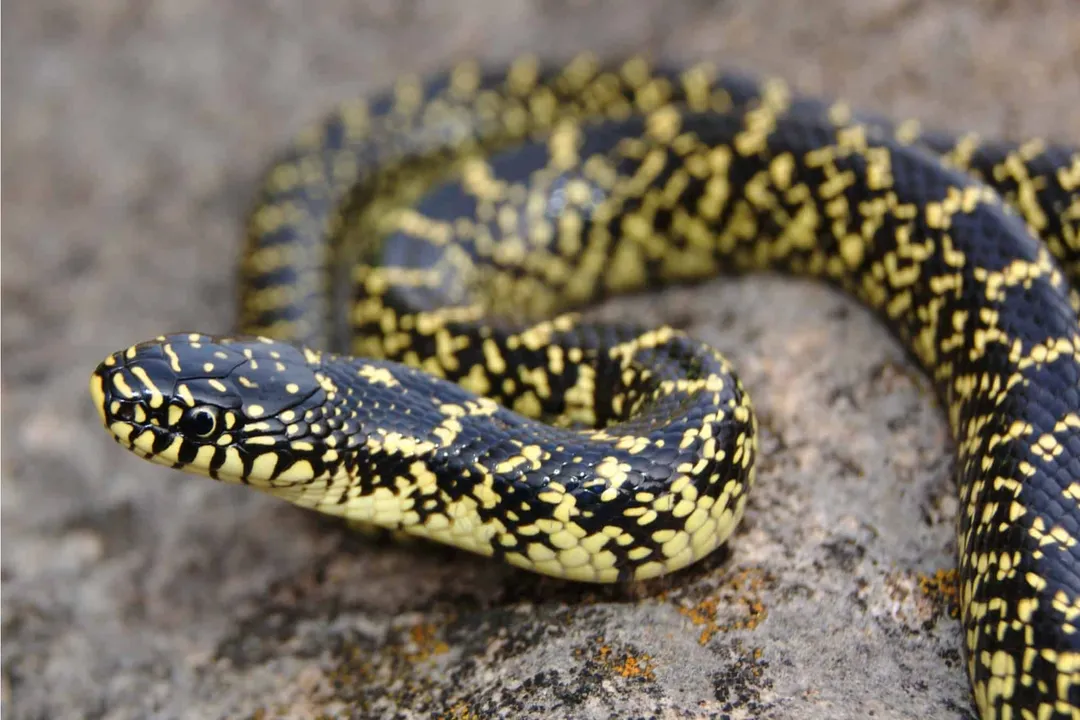
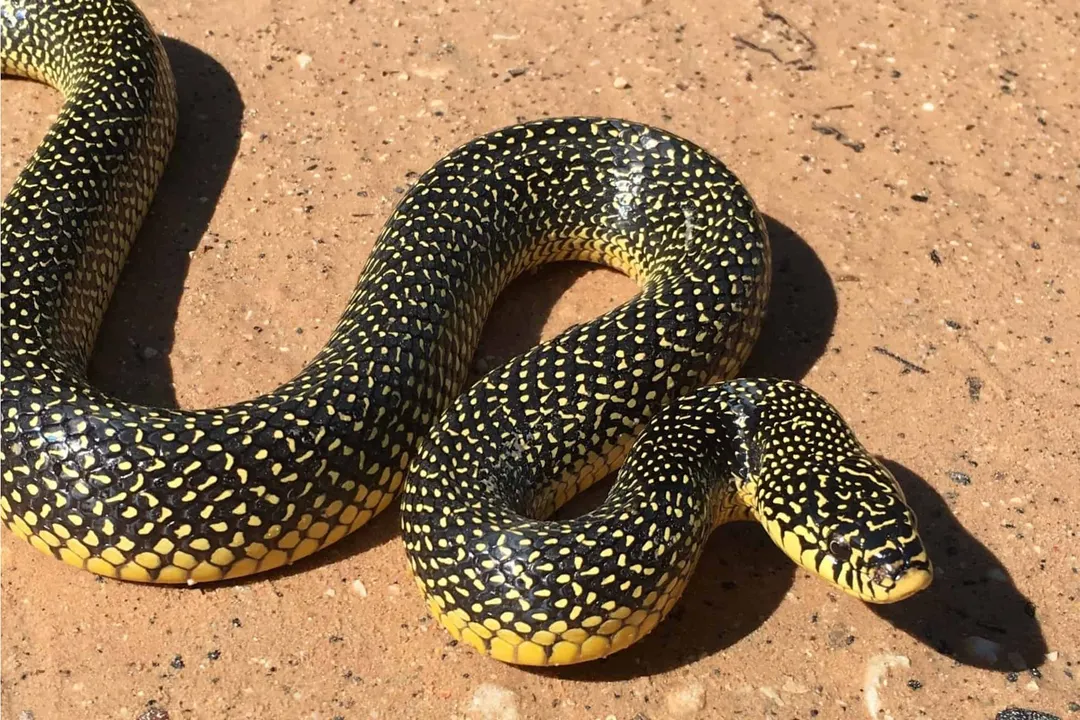
The Speckled Kingsnake, Lampropeltis holbrooki, presents a striking visual signature against the backdrop of the Southeastern United States, characterized by a dark base color heavily overlaid with numerous small, lighter spots. [2][5] This pattern gives the snake its common name, distinguishing it from many of its banded relatives. While the background color is typically deep black, these spots vary in hue, often appearing yellow, white, or cream-colored. [2] The arrangement of these markings is not always uniform; sometimes, the spots become larger or merge to form irregular crossbands, which can occasionally lead to confusion with other species. [2] Moving down the body, the ventral side, or belly, usually maintains a lighter base, such as white, frequently adorned with scattered dark blotches or speckles themselves. [2][3]
# Size Range
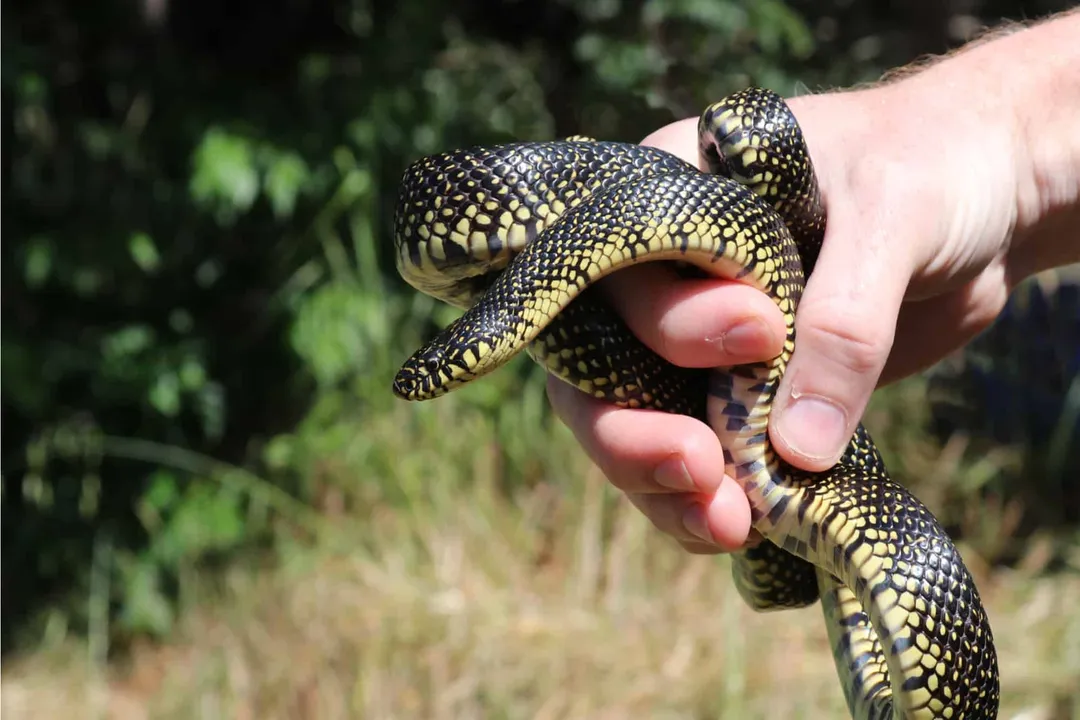
Adult Speckled Kingsnakes are generally moderate in size compared to some of their larger constrictor cousins. Most individuals measure between two and three feet in length. [1][2] While robust specimens occasionally push past the four-foot mark, this is considered the upper limit of typical adult size. [2] This size range allows them to move efficiently through dense underbrush and water, habitats they frequent. [1][4] Juvenile snakes are considerably smaller upon hatching, generally measuring between eight and ten inches long. [1]
# Geographic Footprint
The native territory of the Speckled Kingsnake covers a significant portion of the lower Mississippi Valley and the Gulf Coast states. [1][4] Its distribution stretches through the southeastern United States. [1][7] Specifically, their range includes southeastern Missouri, extending southward through Arkansas and Louisiana, covering Mississippi, Alabama, and Georgia, and reaching into the Florida panhandle. [1][4] Further north, the range touches parts of Tennessee and South Carolina. [1]

# Swamp Dwellers
Habitat preference strongly correlates with moisture availability. These snakes thrive in environments that offer ample water sources and cover. [7] They are frequently associated with moist, wooded areas, [7] including bottomland hardwood forests and swampy regions. [1][4] Proximity to streams, rivers, and ponds is often noted, suggesting they are skilled swimmers comfortable in semi-aquatic settings. [4]
The reliance on these specific, often lowland, environments highlights an important ecological pressure. In the swampy, bottomland ecosystems where they are common, these kingsnakes are situated directly in the primary habitat of several venomous species, such as the Eastern Cottonmouth (water moccasin). [1] This geographical overlap is not incidental; it directly supports their most remarkable dietary characteristic. [1] If one were tracking local reptile populations in the Bayou State or similar lowland forests, finding signs of the Speckled Kingsnake often signals a healthy, interconnected system rich with both prey and predators. [4][7]
# Prey Immunity
Perhaps the most well-known characteristic of the Speckled Kingsnake is its diet, which includes other snakes, even those possessing potent venom. [1][2][4] Kingsnakes are known for their resistance to the hemotoxic or neurotoxic venoms of pit vipers. [1] This natural immunity makes them highly effective predators against species like rattlesnakes, copperheads, and cottonmouths. [1][3] They subdue their prey through constriction, a method they employ regardless of whether the victim is venomous or not. [3] While snakes form a specialized and crucial part of their nutrition, they are not exclusively ophiophagous; their diet also incorporates other small vertebrates, such as rodents and lizards. [1][4] The resistance to venom is a fascinating evolutionary adaptation that permits them to occupy a niche largely unavailable to other non-venomous snakes. [1]
# Active Cycles
Speckled Kingsnakes generally exhibit patterns of activity linked to temperature regulation and food availability. They are often described as being nocturnal or crepuscular, meaning they are most active during the night, or around dawn and dusk. [7] During the heat of the day, they are more likely to seek refuge beneath logs, rocks, or within leaf litter to thermoregulate and avoid overheating. [7]
# Temperament and Defense
As a non-venomous species, the Speckled Kingsnake poses no threat to humans through envenomation. [1] However, like many wild reptiles when captured or cornered, they will defend themselves. [3] While they generally possess a relatively mild disposition, rough handling or perceived danger can elicit a defensive response, which may include hissing or biting. [3] Their primary defense mechanism, when not relying on flight or assumed stillness, involves their muscular constriction technique. [3]
# Family Line
The reproductive strategy of the Speckled Kingsnake falls under the category of oviparous, meaning they reproduce by laying eggs. [3] Toward the middle or end of summer, typically in June or July, the females deposit clutches of eggs. [1] These clutches usually contain between four and fifteen eggs. [1] Successful incubation relies on a hidden, relatively stable environment, as females commonly deposit their eggs in secluded spots, such as within decaying wood debris or buried under leaf litter. [1] Once hatched, the young are immediately capable of independent survival. [1]
# Look Alikes
In areas where their range overlaps with other species, particularly the Eastern Milksnake (Lampropeltis triangulum), visual identification can sometimes present a challenge due to superficial similarities in shape or general size. [1] However, the key differentiator lies firmly in the pattern. [1] The Eastern Milksnake is characterized by distinct crossbands of red, black, and white (or yellow). [1] In contrast, the Speckled Kingsnake maintains its defining feature: a black body peppered with numerous light spots, rather than bold, repeating tri-colored bands. [1] Recognizing this specific difference is vital for correct identification in the field. [1]
Observing the head pattern can also be instructive. While the body pattern is the primary marker, the head of the Speckled Kingsnake usually displays those characteristic light spots against a dark background. [2] When encountering a dark, relatively small snake in the damp woodlands of the Gulf Coast region, checking for the speckled pattern versus a banded pattern provides the clearest path to species identification. [1][7] If you are accustomed to observing banded snakes, remembering that the Speckled Kingsnake trades those bold lines for a constellation of dots helps cement the distinction in your memory. [2]
#Videos
Up Close with the Speckled Kingsnake: Ranger Eric's Guide
Related Questions
#Citations
Speckled Kingsnake - Missouri Department of Conservation
Speckled kingsnake - Wikipedia
Speckled Kingsnake - Kansas Herpetofaunal Atlas
Speckled Kingsnake Animal Facts - Lampropeltis holbrooki
The Speckled Kingsnake is a striking reptile, easily recognized by its ...
Up Close with the Speckled Kingsnake: Ranger Eric's Guide
Speckled Kingsnake | Amphibians, Turtles & Reptiles of Nebraska
Speckled Kingsnake | Louisiana Department of Wildlife and Fisheries
Discover the Speckled Kingsnake's Wonders - Reptile Super Show