What are the characteristics of a Puggle?
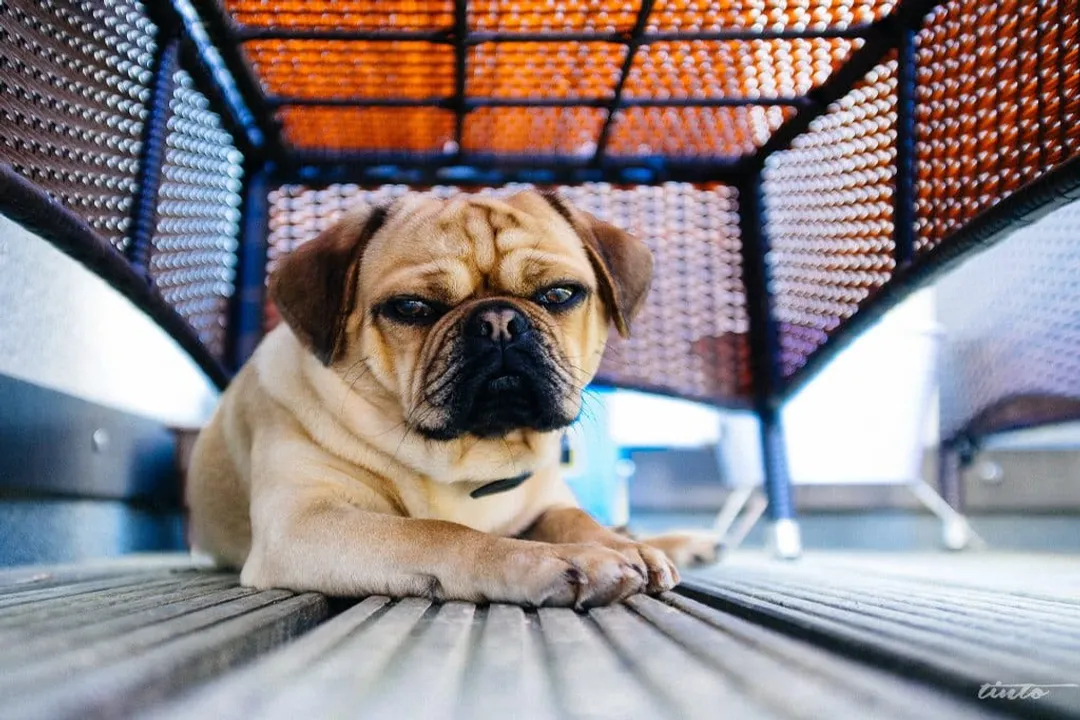
The Puggle, a cheerful and captivating mixed breed, represents a deliberate blending of two beloved companion dogs: the Pug and the Beagle. [5][6][7][8] This cross results in a dog that often possesses the loving, comical disposition of the Pug alongside the curious, spirited nature of the Beagle. [2][4] Because they are hybrids and not a standardized purebred line, their appearance and temperament can show significant variation, meaning no two Puggles are exactly alike. [6] Understanding the characteristics of this designer dog requires appreciating the spectrum of traits inherited from their parent breeds. [5]
# Hybrid Roots
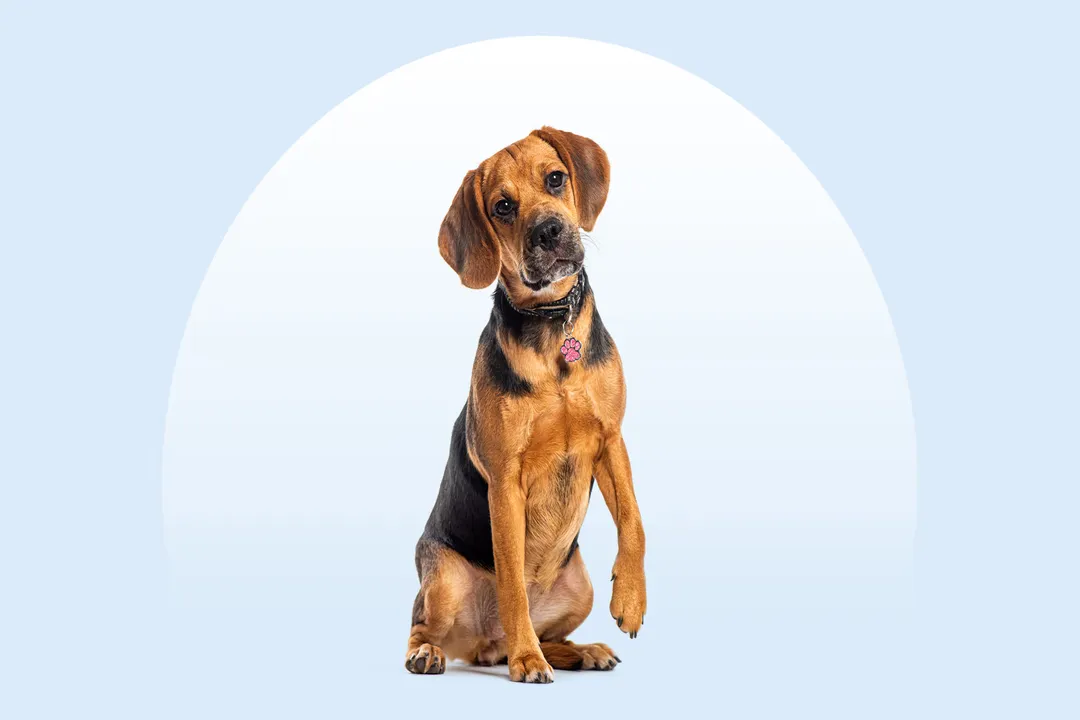
The Puggle originated in the United States, emerging as a "designer dog" intended to create a healthier, more active companion than the purebred Pug, while softening the sometimes intense scent-driven nature of the Beagle. [6][7] The Pug, known for its ancient lineage, brings compact size, a wrinkled face, and a deep desire for human companionship. [5] The Beagle contributes a strong nose, a sturdy build, and often a more robust energy level. [7] This pairing creates a dog that typically lands in the small to medium size category, making them versatile pets for various living situations. [1][5]
# Physical Profile

Physically, the Puggle occupies a wonderfully variable middle ground. [7] They generally weigh between 10 and 30 pounds and stand about 10 to 15 inches tall at the shoulder. [1][5][7] The most noticeable variability often lies in the head structure. Some Puggles strongly favor the Pug parent, inheriting the characteristic flattened, or brachycephalic, muzzle, which requires extra care regarding breathing and heat. [1][5] Others take on the longer, more defined muzzle of the Beagle. [5] This variability is important because a flatter face directly impacts heat regulation; prospective owners should pay close attention to this feature during selection, as a dog with a very short muzzle will require much stricter management during warm weather compared to one with a more typical Beagle nose.
Their coats are universally short, dense, and easy to maintain, requiring only occasional brushing to manage shedding. [1][5] Common colors reflect their heritage, including fawn, black, tan, brown, or various combinations thereof, often with a dark mask like the Pug. [1][7] Their ears are typically floppy, inherited from the Beagle lineage. [5]
# Temperament Traits
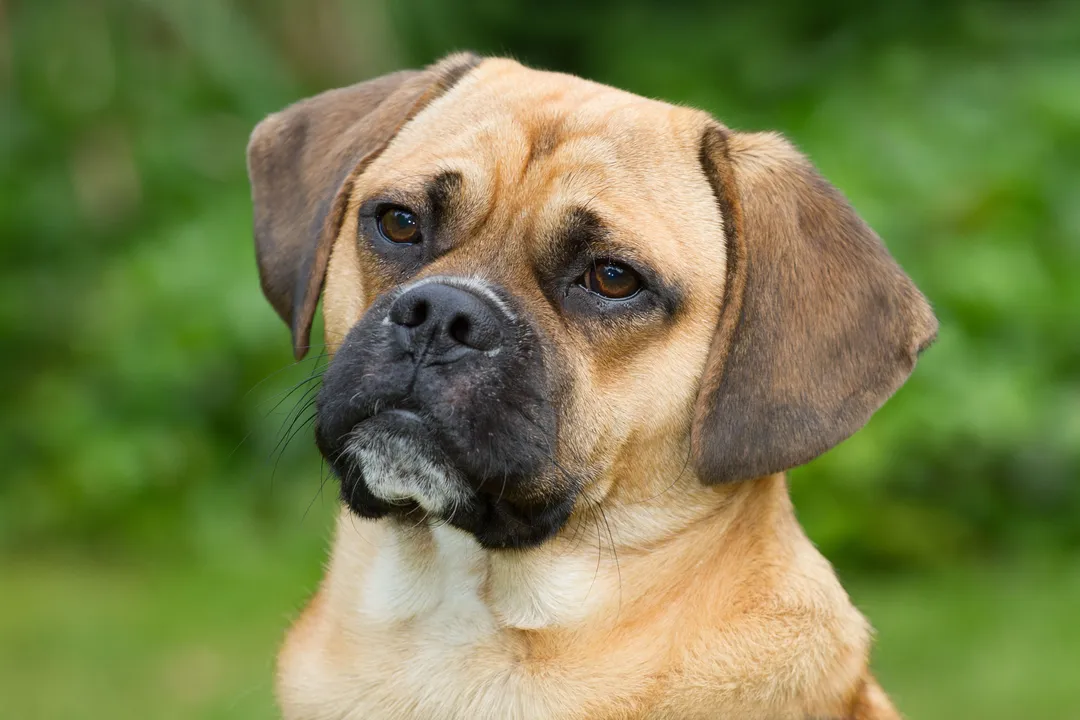
Owners frequently describe the Puggle as a dog that is affectionate, playful, and energetic. [2][4] They aim to please their families and often excel as companions due to their desire to be near their people. [2] They usually get along well with children and often do fine with other household pets, especially if socialized early, thanks to the Beagle’s generally amiable nature. [4]
However, the Beagle influence introduces a distinct characteristic: the scent drive and potential for vocalization. While they may bark like a Pug, many Puggles develop the Beagle’s distinct bay or howl, particularly if they are bored or notice something intriguing outdoors. [5] This vocal tendency is something new owners must be prepared to manage through early training and environmental management. [5] Furthermore, while they love attention, they can sometimes display the famous "selective hearing" inherited from the Beagle side, leading to occasional stubbornness. [3][4]
# Training Demands
Training a Puggle requires a balance of persistence and positivity. [4][5] They are intelligent dogs, but that intelligence is often paired with a determined willfulness. [5] They do not respond well to harsh correction; instead, positive reinforcement methods—using treats, praise, and engaging play—yield the best results. [5] Puggles thrive on routine and consistency. [4]
One vital consideration stemming from the Beagle lineage is their nose. When a Puggle catches an interesting scent, their desire to follow it can become all-consuming, overriding training commands they otherwise know well. [3][5] This necessitates a practical approach to containment and walking. Relying solely on recall commands in an unsecured area is risky; therefore, owners must treat a leash as a permanent safety feature during walks and invest in a securely fenced yard for off-leash play, ensuring gates are always latched firmly.
# Health Watch
As a hybrid, the Puggle benefits from hybrid vigor, sometimes displaying better overall health than one or both parent breeds, but they are still susceptible to inherited conditions. [1][5] Health screenings for parent dogs are crucial for minimizing risk. [7]
Common concerns can include orthopedic issues like hip dysplasia, often seen in smaller breeds. [1][5] Eye problems are also a risk, given the Pug’s prominent eyes, sometimes leading to issues like corneal dystrophy. [1][5] Respiratory challenges must be monitored, especially in dogs leaning towards a more pronounced Pug-like facial structure. [1][5] Owners must be diligent about weight management; the Pug influence often means Puggles have a strong appetite and a tendency toward obesity, which places added strain on their joints and overall health. [7] Maintaining an appropriate weight is perhaps the single most important factor in ensuring a long, comfortable life for this breed mix. [7]
# Care Needs
Grooming for the Puggle is relatively simple due to their short coat. Regular, though not excessive, brushing helps remove dead hair and keeps the coat healthy. [1][5] Despite their low-maintenance coat, they do shed. [5]
Exercise requirements are generally moderate. They are not overly demanding like some high-energy terriers, but they need consistent activity to prevent boredom, which can lead to destructive behavior or excessive barking. [5] A couple of decent daily walks, supplemented with some indoor playtime or puzzle toys, usually meets their needs. [5] They adapt well to apartment living as long as their exercise quota is met and they receive plenty of human interaction. [4][7] Because they crave company, they do not do well if left alone for extended periods, often becoming anxious or developing attention-seeking habits. [2]
# Socialization and Companionship
The Puggle is fundamentally a companion dog, thriving on inclusion within family activities. [2] They are typically outgoing and readily accept new people, which generally makes them poor guard dogs, though their alert nature might result in some initial barking. [4] Early, positive socialization is highly recommended to ensure they grow comfortable with various sounds, sights, and different types of people, reinforcing their naturally friendly disposition. [4] The combination of the Pug’s need for cuddling and the Beagle’s desire for adventure means they enjoy both quiet evenings on the sofa and active exploration time outdoors. [2]
Related Questions
#Citations
The Puggle Dog Breed - Hill's Pet Nutrition
8 Things Only Puggle People Truly Understand - Rover.com
Repeat Puggle Owners: What are some of the consistently observed ...
Puggle: Dog Breed Characteristics & Care - The Spruce Pets
Puggle Physical Characteristics and Behaviors - Facebook
Puggle - Wikipedia
Puggle Breed: Characteristics, Care & Photos - Dog - Chewy
Puggle Owners Guide: From Puppy to Adventure Dog - Rubyloo
Are puggles the best dog breed, and why? - Quora
Puggle Dog Breed Health and Care - PetMD