Is a curly hair tarantula fossorial?
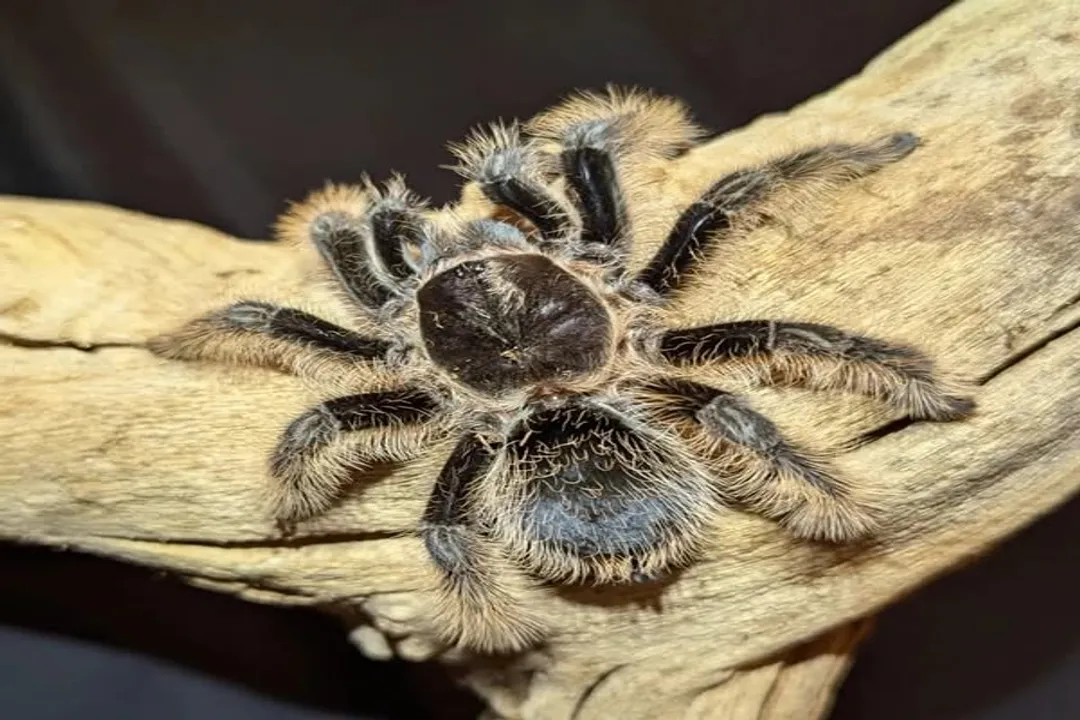
The Curly Hair tarantula, scientifically known as Tliltocatl albopilosus, is frequently celebrated in the hobby for its striking, dense coat of dark hairs and its generally calm demeanor, making it a favorite for newcomers to the world of arachnid keeping. [2][5] When setting up the ideal habitat for this popular species, keepers often encounter discussions regarding its terrestrial classification and the degree to which it engages in burrowing behavior, prompting the question of whether it truly qualifies as a fossorial species.
# Species Type
The species is consistently categorized by experts and keepers as primarily terrestrial. [2][5] In the world of tarantulas, this classification means the spider prefers to spend the vast majority of its life on or near the ground level of its enclosure, as opposed to an arboreal species that lives in trees or a strictly fossorial species that spends nearly its entire life underground. [3] While T. albopilosus is terrestrial, its common name sometimes suggests a different lifestyle, which can lead to initial setup confusion. [5]
# Burrowing Instinct
Despite being terrestrial, the Curly Hair tarantula possesses a distinct natural instinct to dig and create shelters, though it rarely constructs deep, intricate tunnel systems like obligate burrowers. [3][5] They are better described as opportunistic burrowers. [3] In the wild, they often utilize existing crevices, the space beneath logs or rocks, or dig shallow depressions to retreat into when they feel stressed, need to molt, or when environmental conditions fluctuate. [2][5]
The need to dig is strongly influenced by age. Slings, or juvenile Curly Hairs, exhibit much stronger burrowing tendencies than their adult counterparts. [2] A young T. albopilosus is more likely to dig a significant starter burrow that serves as its primary retreat for the first few years of its life. [1] As they mature, however, they frequently abandon these deeper tunnels, preferring a surface hide or a very shallow den just beneath the substrate line. [2][5] This shift is important for keepers to recognize, as an adult may appear to ignore a very deep substrate if it prefers resting just under the surface layer.
A common misconception is to equate any digging behavior with a requirement for a fully fossorial setup. However, a strictly fossorial species, like certain Hysterocrates or Pachypelma species, is rarely seen on the surface and requires significant vertical digging space. [3] The Curly Hair, conversely, enjoys patrolling its surface area and basking, provided it has an easy and immediate retreat available. [2]
# Housing Layout
The practical application of this classification centers on substrate depth. Because the species is terrestrial but has that strong innate desire to dig for security and moisture regulation, keepers must provide ample material for this behavior to manifest naturally. [2][5] Recommendations generally suggest a substrate depth ranging from four to six inches, or even deeper for larger adults, to allow for the creation of shallow dens or surface webbing tunnels. [2][5]
When setting up an enclosure, particularly for an adult, it is worth considering how the substrate is placed rather than just the total volume. Often, owners focus too much on maximizing the vertical space between the substrate surface and the lid, treating the spider as if it were semi-arboreal. [5] A more effective approach that acknowledges their natural preference is to ensure the substrate is deep enough to allow the spider to cover itself completely while still providing a low-profile surface for movement. [2] For instance, rather than creating a flat plane of substrate, sometimes gently sloping the substrate toward a preferred anchor point—like a piece of cork bark or a hide—can encourage the spider to build a natural-looking, shallow web-lined surface tunnel that meets its need for cover without necessitating a full vertical descent into the earth. [3]
# Temperature and Humidity
The behavioral preference for being terrestrial and mildly fossorial directly ties into how the spider manages its microclimate. In their native Central American habitat, the ground offers more stable temperature and humidity levels compared to the air higher up in a terrarium. [2]
For T. albopilosus, this means humidity levels should typically be maintained in the mid-to-high sixties or low seventies percentage range, though they are quite hardy. [2] Instead of misting the entire enclosure, which can lead to stale air, keepers often use the substrate depth to their advantage. By keeping the bottom few inches of the substrate consistently moist while allowing the top layer to dry out slightly, the spider can voluntarily descend to access higher humidity when needed, such as before a molt, while minimizing the risk of bacterial or fungal issues associated with perpetually swampy surface conditions. [2][5] This reliance on substrate moisture control is a key difference between managing a terrestrial/opportunistic burrower and a true desert or tropical species.
| Life Stage | Primary Habitat Preference | Substrate Depth Suggestion | Key Behavior |
|---|---|---|---|
| Sling (Juvenile) | Burrowing/Subsurface | Significant (4+ inches) | Deep initial burrow construction. [1][2] |
| Adult | Terrestrial/Surface Dweller | Moderate to Deep (4-6+ inches) | Uses shallow dens, surface hides, or light webbing. [2][5] |
# Water Source Placement
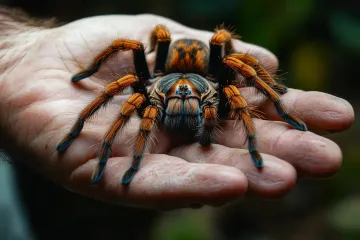
Considering the adult’s tendency to settle near the surface or in shallow dens, the placement of the water dish becomes a small but meaningful detail. While many terrestrial keepers place the dish directly on the substrate, it is interesting to note that some experienced keepers find that positioning the water dish adjacent to a large piece of cork bark or against a tank wall encourages the spider to create a shallow web "mattress" around the dish. [2] This behavior mimics creating a small, semi-protected retreat area near a resource, satisfying their need for security while keeping the water accessible without having to dig extensively. This slight preference for surface arrangement over deep excavation confirms their classification as terrestrial rather than obligate fossorial.
# Handling and Temperament
While habitat preference defines where the spider lives, its temperament defines its interaction with the environment and its keepers, which indirectly relates to its comfort level. Curly Hairs are frequently cited as one of the best starter tarantulas due to their generally slow movements and reduced propensity for flicking urticating hairs compared to some New World species. [2][5] When they do feel threatened, they typically stand their ground and display, or resort to kicking hairs before resorting to a bite. [5] This relative docility means that they are less likely to bolt and attempt a frantic, deep subterranean escape when startled by routine maintenance compared to a species that spends all its time underground and is unused to surface disturbance.
Ultimately, the Curly Hair tarantula is not classified as a fossorial species; rather, it is a terrestrial species that retains a strong, opportunistic instinct to dig shallow shelters for security and molting needs. [2][3] A successful enclosure balances the need for a solid, deep substrate layer for its natural behavior with an accessible, open surface area for observation and movement. [5]
Related Questions
#Citations
This curly hair is my first tarantula and it's kinda wild is it safe for me ...
The Care and Maintenance of the Curly Hair Tarantula - The Bio Dude
Curly Hair Tarantula (Tliltocatl albopilosus) Care
The Curly-Haired Tarantula | Critter Science
How to Care for Your Curly Hair Tarantula - Reptile Supply
Curly hair tarantula care for beginners and keepers - Facebook
Are Curly Hair Tarantulas Fossorial | All styler - Pinterest
[PDF] curly-hair tarantula concise & precise care sheet
Curly Hair Tarantula (Tliltocatl albopilosus) Complete Care Guide